A palace hotel in the old center a few minutes from the Plaza de Armas, the classic luxury pick for a Cusco base.
Historic center, Cusco
Search Expedia for this hotelpartner siteCity guide / Peru
Cusco is the former Inca capital high in the Andes and the gateway to Machu Picchu and the Sacred Valley. Our guide covers who it suits, when to go, the transport, the airports and where to stay.
The review
The Inca capital at 3,400 meters: stone lanes, steep climbs, and a base for Machu Picchu that rewards a slow start.
Cusco is worth it for travelers who want living history, not just a single ruin. Writers describe a walkable colonial and Inca core with museums, markets, cafes and day trips into the Sacred Valley, and one 2026 forum report calls it a favorite place after planning it mostly for acclimatization. It suits couples, solo travelers who like walking, families with older kids, and anyone building a Machu Picchu trip.
The hard truth is the altitude and the logistics. At about 11,150 feet, travelers report headaches the first morning even when they live at elevation, and one 2026 writer who started with two nights in Cusco says they would reverse the order. Machu Picchu ticketing, train timing and trek operators add choices that go wrong if left late, and several reports describe stomach illness on trails and rushed, shop-heavy tour days.
The fix is order and booking. Fly in, go down to the Sacred Valley for a few nights, keep Cusco for later, buy Machu Picchu entry only on the Ministry of Culture platform, and treat Aguas Calientes as a stop rather than a destination unless you want a dawn entry. Pick a trek operator on logistics and gear, not the lowest price, and keep the highest day trips for after you have slept at altitude for several days.
The long read
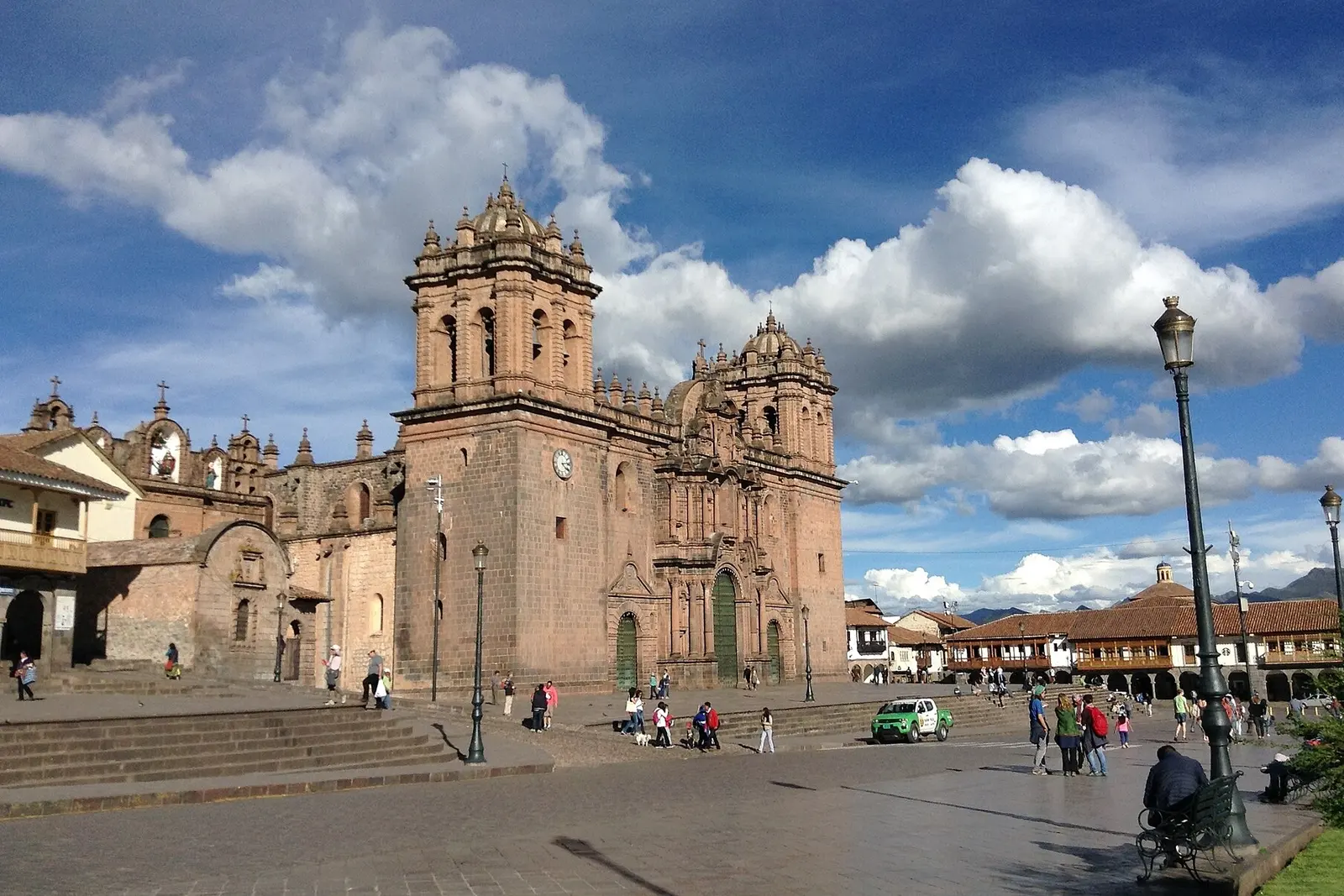
Travelers describe a compact historic center where Inca walls carry Spanish buildings, with museums, markets and good food within a short walk of the Plaza de Armas. A 2026 forum writer who planned the city mostly for acclimatization came away calling it fascinating to walk, full of living indigenous culture, with good food and hotels, and says it felt like what they love about European cities, with cobblestones far higher up. The same writer found the new museum holding the Machu Picchu artifacts returned from a US university a useful warm-up.
San Blas is the hillside artisan quarter and a favorite base for views, but the climb back up matters on days one and two. A May 2026 writer who spent five days in Cusco calls it extreme, tiring, fun and magical in the same breath, and says May is one of the best months for thinner crowds and the start of the dry season. The UK government advice (updated 6 November 2026) lists street crime as a significant problem in Cusco, so keep to busy streets at night.
Cusco sits around 11,000 feet, and reports are consistent. A November 2026 writer who grew up at high elevation still woke up with pounding headaches after a late arrival, while a May 2026 writer who left her first day free and drank a lot of coca tea had no symptoms at all. A 2026 forum traveler took a prescription altitude medicine and still felt winded on stairs, yet said it left them only out of shape, not the headaches and poor sleep they have had before. Medicine is a doctor's call.
The medical guidance points the same way. The US CDC advises spending two to three days at 8,000 to 9,000 feet before going higher, then raising your sleeping elevation by no more than about 1,600 feet a day, and avoiding alcohol and heavy exercise for the first 48 hours above 8,000 feet. Urubamba and Ollantaytambo sleep roughly 1,700 to 2,000 feet below Cusco, which is why a 2026 couple flew in and drove straight down the valley to acclimatize, and another 2026 pair took a taxi from the airport to Ollantaytambo and slept two nights there before anything strenuous. The UK health advice also calls altitude sickness a serious risk in Cusco.
The Ministry of Culture site says visits have used three circuits and ten routes since June 1, 2024: a panoramic circuit with the mountain and terrace routes, a classic circuit, and a royal circuit that includes Huayna Picchu. Tickets are sold online only through the ministry platform, and a limited number of in-person tickets go on sale in Machu Picchu Pueblo for the next day. The 2026 daily cap is 4,500, rising to 5,600 on listed high-season dates through November 2.
Fares have moved several times. The ministry's 2026 resolution fixes S/64 (about EUR 16.9 at S/3.78 per EUR, from the BCRP rate of 2026-11-20 and the ECB rate of 2026-11-23) for most routes and S/112 (about EUR 29.6) for the mountain routes, but only for Peruvians, residents and Andean Community citizens. A park agency resolution sets the sanctuary fee at S/0 for all categories from 14 November to 31 December 2026, and Gestion reported on 16 November 2026 that the fee returns on 1 January 2027. The foreign adult citadel fare could not be confirmed from an official document, so read it at checkout on the official platform before paying anyone.
Travelers split on staying overnight. A November 2026 writer says Aguas Calientes was once enough and that a long day from the Sacred Valley works unless you need the earliest entry, and a 2026 trail writer found the panoramic circuit felt spaced out, while the royal circuit was busier and queued at the main photo spot.
A four day Inca Trail hiker writing in October 2025 describes a 4 a.m. start, porters passing at speed with heavy loads, and day two as the toughest climb. A 2025 video review of the same trail covers altitude sickness despite preventive medicine and asks whether it lives up to the hype, which tells you to train and to expect a hard day two. The Ministry of Culture sells Inca Trail entry through authorized agencies only, and state news reported that the trail is closed in February for maintenance in 2026.
The Salkantay trek avoids the permit system and swaps ruins for landscape, from snow at 4,630 meters to cloud forest. A July trekker had snow, cold nights below zero and wet gloves on day two, and a 2026 couple had rain all through day four and a long walk beside the rail tracks. Two of those writers got food poisoning or salmonella on the trail, so carry rehydration salts and ask your operator about water. One group also went without a sleeping bag one night after a mix up, and the writer links that to budget operators cutting corners.
The easy way is the train. Inca Rail's own page lists the Voyager from Ollantaytambo from USD 62 one way (checked 2026-11-24), and PeruRail's FAQ gives about 1 hour 45 minutes from Ollantaytambo and about 3 hours 30 minutes from Poroy. A 2026 writer who took the short Inca Trail from kilometer 104 got to the viewpoint ahead of most groups and recommends it as a compromise between the full trek and the train.
The valley is where several writers say the trip came together. A November 2026 writer ranks Ollantaytambo right up with Machu Picchu itself and says three nights felt right, and a solo writer in 2025 had the ruins to herself at 7 a.m. and went inside when the tour buses arrived. She also moved through the valley by shared minivans, which leave when full and sometimes need a change of vehicle, so independent travel works if you accept waiting.
A November 2026 review of the standard one day tour from Cusco describes a 12 hour day with a 6 a.m. pickup and five stops: Chinchero, Maras, Moray, Ollantaytambo and Pisac. The writer liked the salt pans, which were not crowded, and wished for more than 30 minutes there, but found the souvenir stops in Pisac and Chinchero overpriced and the lunch underwhelming. The Boleto Turistico covers Pisac, Ollantaytambo, Chinchero and Moray on its Sacred Valley circuit, and day tours usually leave out that ticket and the salt pan entrance, so check what the tour price excludes.
The Boleto Turistico del Cusco, as the issuing body lists it on a page dated November 19, 2026, has a full pass for 10 days at S/130 and partial passes at S/70. Circuit one covers the Saqsayhuaman area, circuit two the city museums and the Tipon and Pikillacta parks, and circuit three the Sacred Valley sites, and Machu Picchu is not part of it. Do the arithmetic against the sites you will really enter before buying the full pass. A forum traveler in June and July 2025 reports losing about USD 20 by paying for one site and then buying the full ticket in Cusco.
Rainbow Mountain and Humantay Lake are high and early. A May 2026 writer's Rainbow Mountain day ran from a 4 a.m. pickup to about 4 p.m., she took a horse up after a hard hike the day before and calls the horse decision important, and she found Humantay Lake really hard. Another 2026 writer expected crowds at Humantay and found the lake spectacular and worth the trek. Vinicunca tops 5,000 meters, so save it for after several days at altitude, in line with the CDC pacing above. We found no first-hand 2025 to 2026 report on the lower Palccoyo route, so check recent reports before choosing it.
A May 2026 writer who has visited many Latin American countries calls Peru one of the most expensive, with hotels, food and daily spending above most of the region, though still worth it. A July 2025 forum traveler regretted a tourist-strip lunch and wished she had walked a little farther from the crowds before choosing a place to eat, and found fruit at the municipal market in Ollantaytambo just beyond where most tourists go.
Safety reports are mixed rather than alarming. The UK advice says street crime, pickpocketing and fake taxi drivers are risks, and that train services to Machu Picchu are occasionally disrupted by protests, so buy flexible tickets and keep a spare day. Travelers who go with a plan for altitude, tickets and a reliable operator describe a trip they would repeat. A July 2025 forum traveler adds that the train station wants you there half an hour before departure.
The pitfalls
A November 2026 writer from high elevation woke up with pounding headaches after a late arrival and says she would start in the Sacred Valley next time. A 2026 traveler needed prescription medicine to feel only winded. The US CDC advises a gradual rise in sleeping elevation, so fly in and go down the valley for two or three nights before returning to Cusco.
Entry is sold online only through the Ministry of Culture platform, with a limited number of next day in-person tickets in the town below the site. The foreign adult citadel fare could not be confirmed from an official document, and press figures conflict, so read the price at checkout and keep the confirmation. The daily cap is 4,500 or 5,600 visitors, so popular circuits and hours sell out.
Two trek writers report food poisoning or salmonella on the Salkantay route, a July trekker had snow and wet gloves on day two, and a 2026 couple had rain all day four. Carry rehydration salts, a warm sleeping bag rating and a dry bag, and ask the operator how drinking water is treated.
A 2026 couple who chose a lower-priced operator describe rough logistics and ended one night without a sleeping bag after a mix up. Compare what the price covers, such as bag rental, toilets at camp and who fixes problems, and book months ahead for the Inca Trail, which is sold only through authorized agencies.
A November 2026 tour reviewer describes a 12 hour day with five stops, 30 minutes at the salt pans and souvenir stops she found overpriced, plus an underwhelming lunch. Ask for an itinerary with timings, or stay a night in Ollantaytambo to see the ruins early, as a solo writer did at 7 a.m.
The UK advice says some southern train services including those to Machu Picchu are occasionally suspended or disrupted by protests, and warns of fake taxi drivers at airports and bus terminals. Build a spare day around your Machu Picchu date and use a hotel or app-booked ride for arrivals.
When to go
Best time
May to mid June, and September to October
Dry weather, clear mornings and a lower Machu Picchu cap before June 19 (4,500 a day). In September and October the high-season cap of 5,600 applies until November 2, but guides report fewer people than in July and August.
Peak season
late June to August
The official high season started on 19 June in 2026 with a 5,600 daily cap, and a July trekker had nights below freezing at camp. Expect the biggest crowds of the year.
Shoulder season
April to early May, and November
The daily cap returns to 4,500 from 3 November in 2026, with the rains starting toward the end of the period.
Off season
December to March
The rainy season brings afternoon downpours and muddy trails; the Inca Trail closed in February 2026 for maintenance, per state news, and Machu Picchu stays open.
The official high season for Machu Picchu runs from June 19 to November 2 in 2026, with the daily cap at 5,600 instead of 4,500, so expect more people from late June. The dry months bring cold nights, with one July trekker reporting snow and temperatures below freezing at camp. The rainy season runs roughly from December to March, state news reported the Inca Trail closed in February 2026 for maintenance, and Machu Picchu itself stays open.
Getting there and around
| Airport | Distance | To the centre | How |
|---|---|---|---|
| CUZ Alejandro Velasco Astete International Airport (Cusco) | n/a | about 20 min | The airport sits a short taxi ride from the Plaza de Armas, which travelers put at about 20 minutes. We found no official published taxi fare in soles; airport taxis are reported to have no meter, so agree the price before you get in. Hotels and drivers can be booked in advance, and the UK advice warns of robbers posing as taxi drivers at airports, so use a hotel pickup or a ride booked on your phone. Travelers heading to the Sacred Valley often skip the city and go straight down by road. (source, checked Nov 2026) |
Inside Cusco most travelers walk, and the hills to San Blas and the ruins above town are steep. The Boleto Turistico del Cusco costs S/130 (about EUR 34.4 at S/3.78 per EUR, from the BCRP rate of 2026-11-20 and the ECB rate of 2026-11-23) for a 10 day integral pass, and S/70 (about EUR 18.5) for each partial circuit, per the issuing body checked 2026-11-24. For Machu Picchu, Inca Rail publishes Ollantaytambo to Aguas Calientes one way fares from USD 62 (about EUR 56.7 at the ECB rate of USD 1.0939 per EUR on 2026-11-23) on the Voyager, and lists about USD 24 (about EUR 21.9) round trip for the citadel bus, checked 2026-11-24. Taxis at the airport have no official published fare, so agree the price first.
Where to stay
We earn a commission if you book through our links. It never changes a verdict. How this works
High-end stays whose guests report the setting and service earn the rate.
A palace hotel in the old center a few minutes from the Plaza de Armas, the classic luxury pick for a Cusco base.
Historic center, Cusco
Search Expedia for this hotelpartner siteA converted convent in the historic center, central enough to walk to the plaza and the museums.
Historic center, Cusco
Search Expedia for this hotelpartner siteA riverside lodge in Urubamba in the lower Sacred Valley, a good first stop for acclimatizing below Cusco.
Urubamba, Sacred Valley
Search Expedia for this hotelpartner siteA resort at valley altitude in Urubamba, another low first base before Cusco, with the valley sites a drive away.
Urubamba, Sacred Valley
Search Expedia for this hotelpartner siteThe comfortable middle: well placed, well run, priced for a normal trip.
A boutique hotel in San Blas about a seven minute walk from the Plaza de Armas, for views and the artisan quarter.
San Blas, Cusco
Search Expedia for this hotelpartner siteA converted mansion near the Plaza de Armas; two trekkers stayed before and after a trek and call it cozy and steps from the sights.
Near the Plaza de Armas, Cusco
Search Expedia for this hotelpartner siteA hotel in a colonial house in the historic center about seven minutes from the plaza; a trekking group liked the walkable location.
Historic center, Cusco
Search Expedia for this hotelpartner siteA small hotel in Ollantaytambo five to ten minutes on foot from the ruins and the main square, handy for early ruin visits and the train.
Ollantaytambo, Sacred Valley
Search Expedia for this hotelpartner siteCheaper beds that travelers still rate well for location and cleanliness.
A long-running backpacker hostel two minutes from the Plaza de Armas, set up for trekkers with early departures.
Two minutes from the Plaza de Armas, Cusco
Search Expedia for this hotelpartner siteA hostel in a colonial stone building on Calle Procuradores, half a block off the Plaza de Armas; courtyard rooms are the quiet ones.
Calle Procuradores, half a block off the Plaza de Armas
Search Expedia for this hotelpartner siteA hillside hostel above San Blas with views over the rooftops; the walk back up from the plaza is steep, so expect an altitude workout.
Hillside above San Blas, Cusco
Search Expedia for this hotelpartner siteA hostel in the historic center that pitches itself as social but calm, for travelers who want sleep before early starts.
Historic center, Cusco
Search Expedia for this hotelpartner siteQuestions
Eight to ten days works well: two to three nights in the Sacred Valley first, one night in Aguas Calientes or a long day trip, and about three nights in Cusco. Five days is the practical minimum if you do not trek.
Most reports favor the Sacred Valley first, since it sits roughly 1,700 to 2,000 feet lower than Cusco. The US CDC advises two to three days at 8,000 to 9,000 feet and a gradual rise, so ask a doctor about your own plan.
Partly. A park agency resolution sets the sanctuary fee at S/0 for all categories from 14 November to 31 December 2026, and Gestion reported on 16 November 2026 that it returns on 1 January 2027. You still need a paid citadel ticket from the Ministry of Culture platform, so read the fare at checkout and avoid resellers.
Not unless you want the earliest entry. A November 2026 writer says one night was enough and that a long day from the Sacred Valley works. Staying lets you enter early, but trains and the bus add timing risk.
The full pass is S/130 for 10 days and each partial circuit is S/70, per the issuing body on November 19, 2026. It covers Saqsayhuaman, city museums, Tipon, Pikillacta and the Sacred Valley sites, but not Machu Picchu.
Travelers in 2025 and 2026 describe altitude and stomach trouble more than crime. The UK advice, updated 6 November 2026, lists street crime, pickpocketing and fake taxis as risks and notes protests occasionally disrupt Machu Picchu trains. Use app-booked rides and keep a spare day.
How this guide was written. We read 14 traveler reports about Cusco published between Jul 2025 and Nov 2026, and checked the facts against official sources in Nov 2026. Nobody on the team claims a visit; hotel picks are chosen from what guests report, never from what they pay us. How we judge.
Our first Cusco verdicts are on the way.
Plan your Cusco trip
Where to stay
12 hotel picksLuxury, mid-range and budget, cross-checked against traveler reports
Getting there
Airports near CuscoDistances, transfer times and the options that work
Book a private transfer partner site
Keep exploring
Gear verdicts from our sister site, Real Buyer Experiences: