City guide / Spain
Santiago de Compostela, verdict by verdict
Santiago de Compostela is the end of the Camino and feels like it. Our verdicts cover Cathedral rooftop, Finisterre and Mercado de Abastos, the airport route and where to stay.
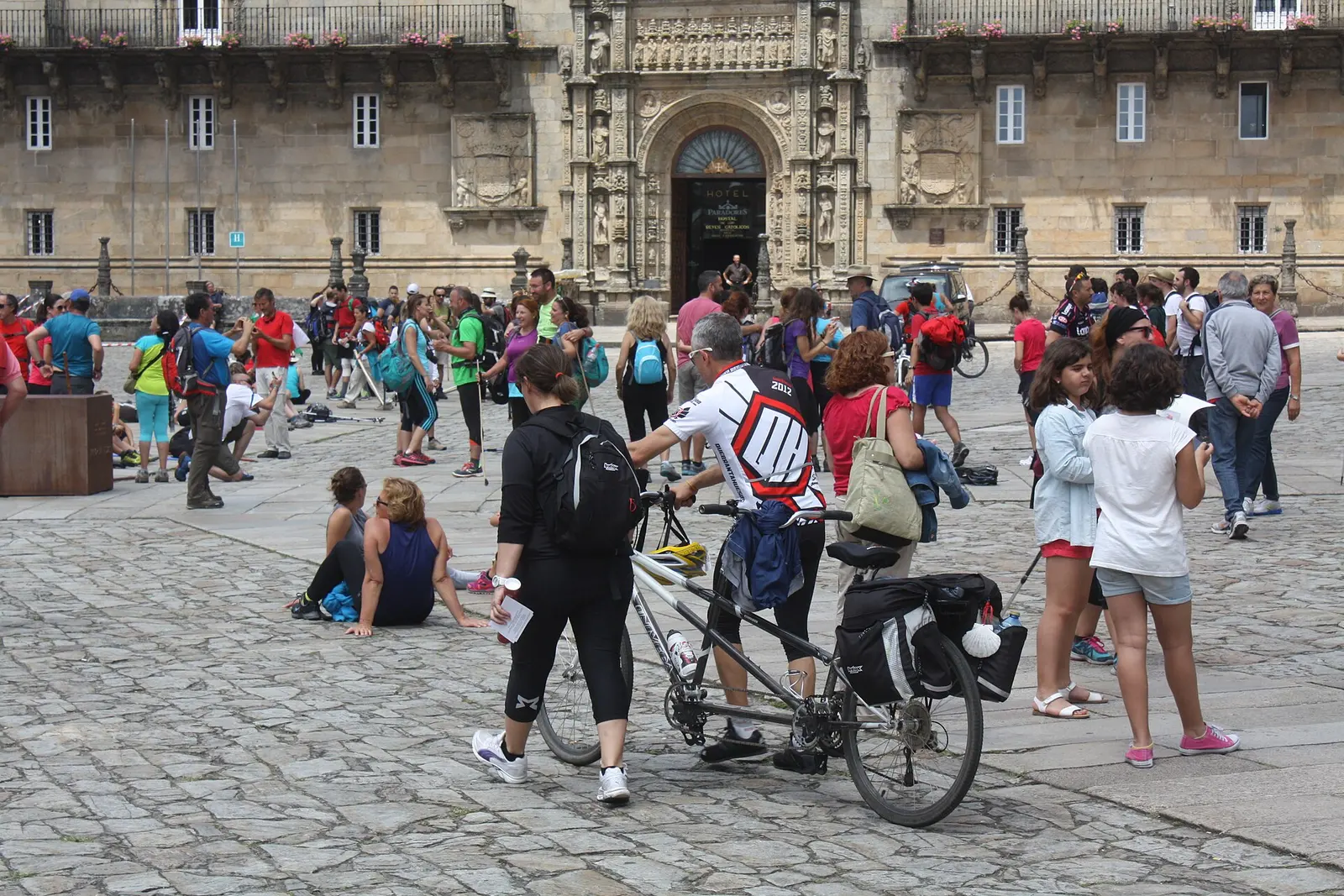
Explore the decisions
Sights and tickets
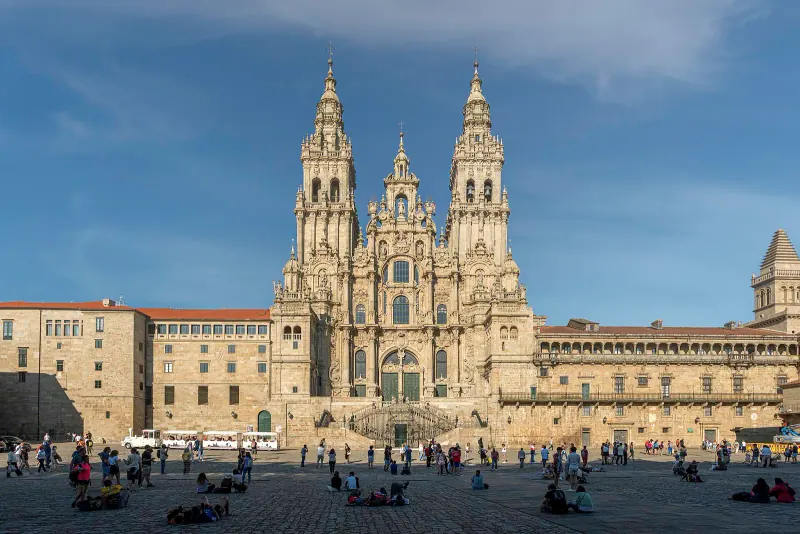 Is Santiago Cathedral worth it?Go
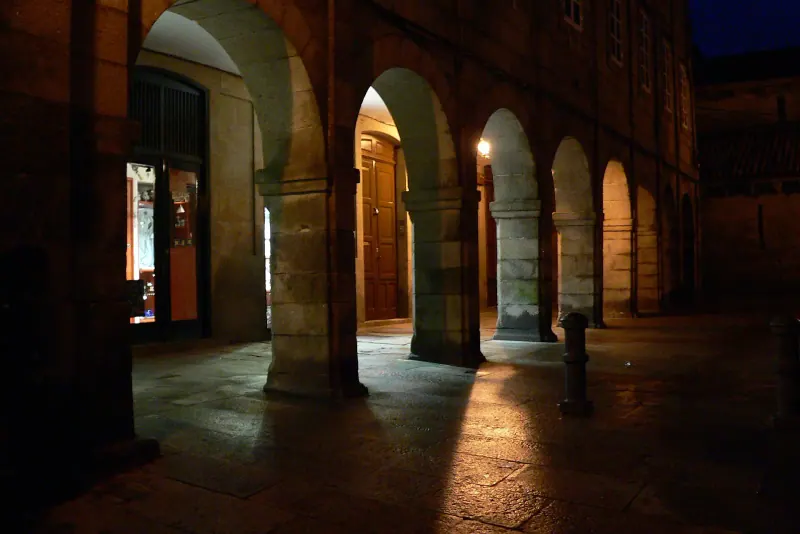 Is Santiago's old town worth it?Go
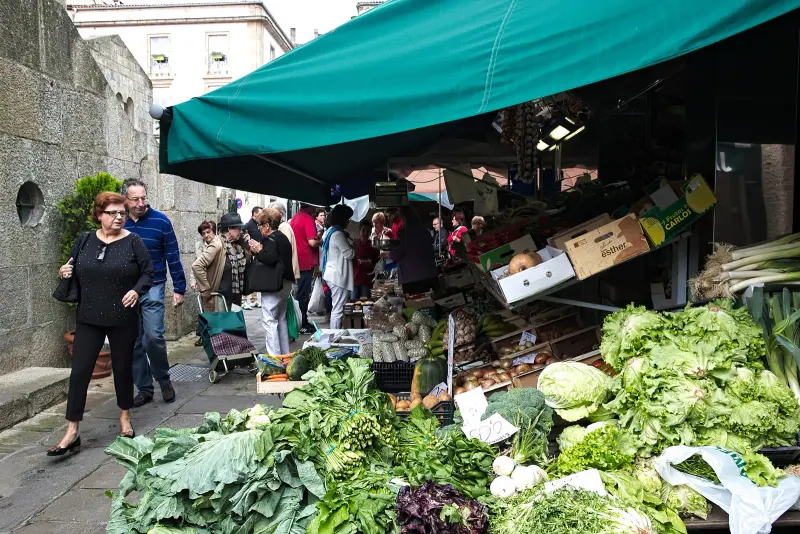 Is the Mercado de Abastos worth it?Go
Explore the decisions
Tours
 Is a Santiago food tour worth it?It depends
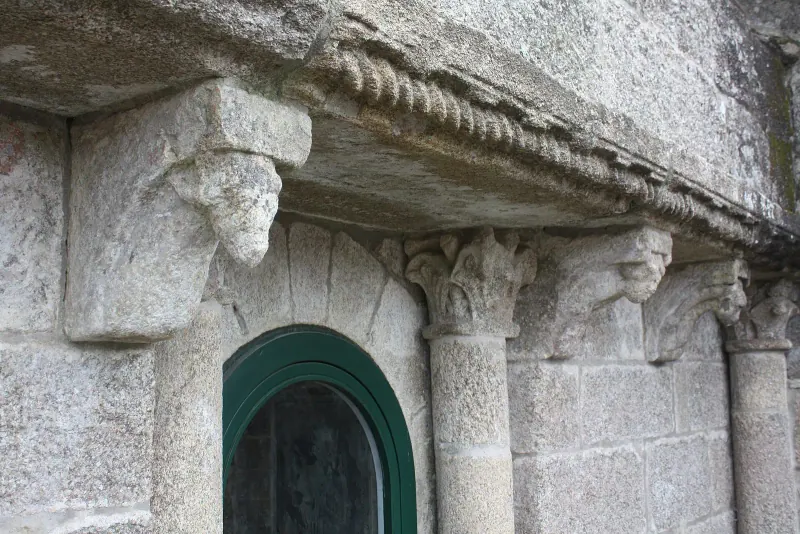 Is the Cathedral rooftop tour worth it?Go
Explore the decisions
Day trips
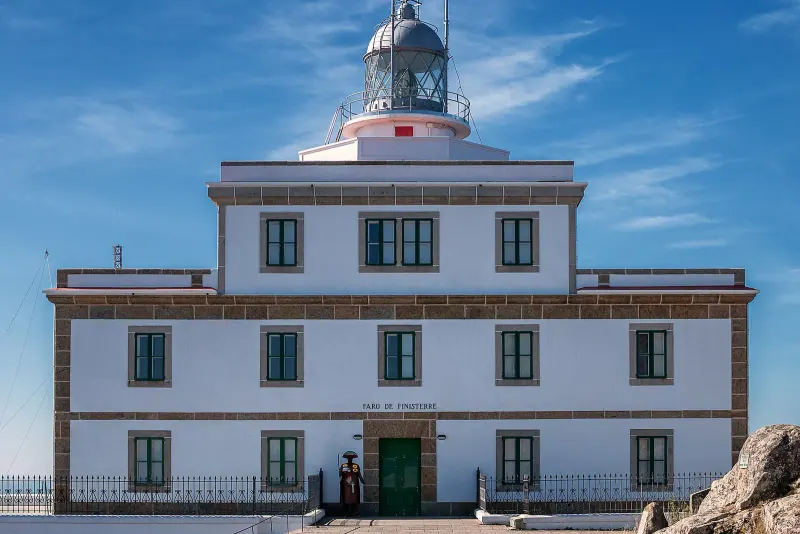 Is a Finisterre day trip worth it?Go
Explore the decisions
Big choices
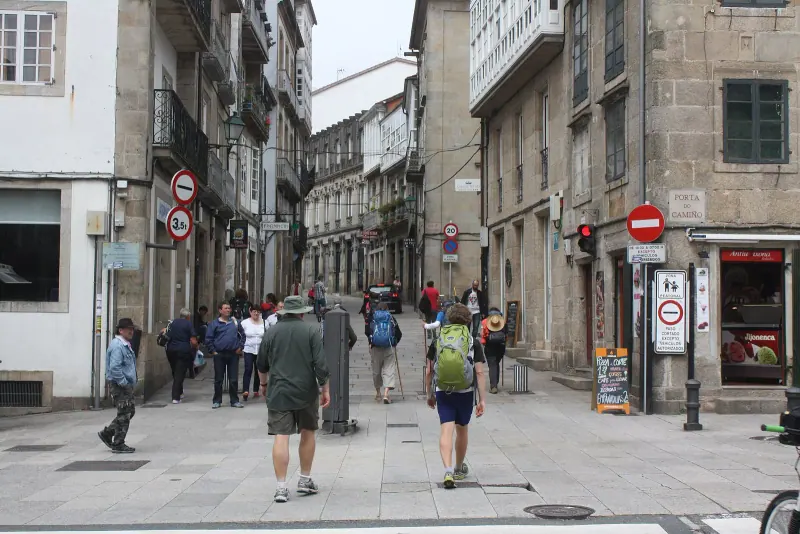 Last 100 km of the Camino or a normal visit: which suits you?Our pick: Walk the last 100 km from Sarria
.JPG)
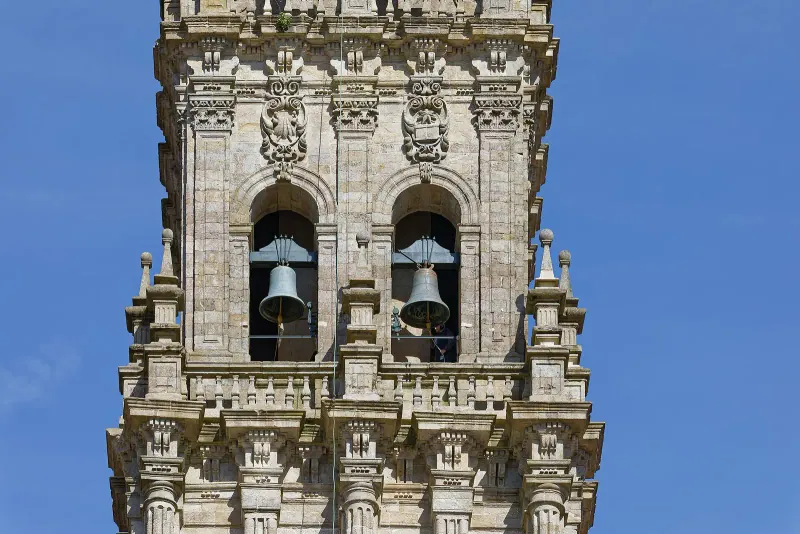 Santiago airport to the old town: which way?Our pick: Bus 6A
 Santiago or Bilbao: which northern city?Our pick: Santiago de Compostela
 Where to stay in Santiago: which area?Our pick: Casco Antiguo, the old town
The review
Santiago de Compostela in short
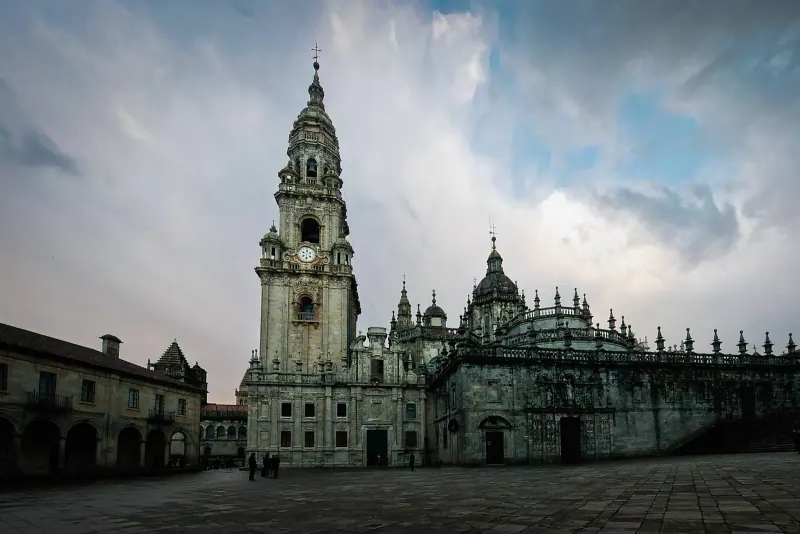
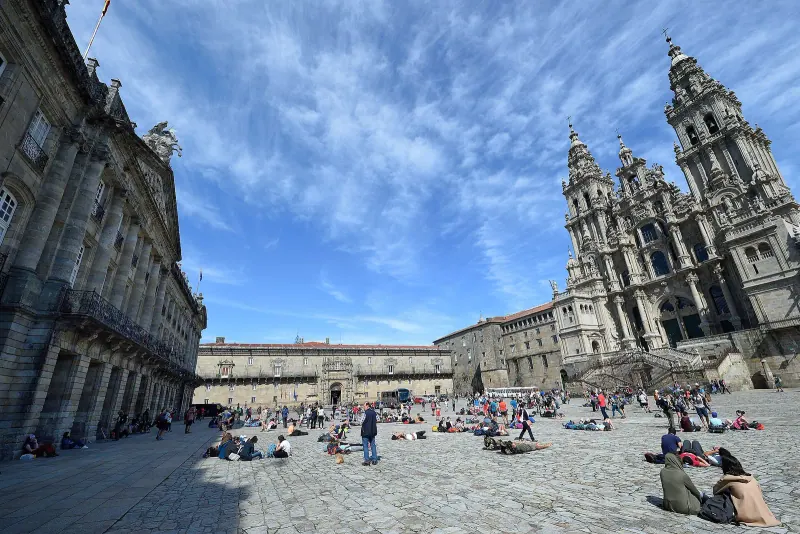
Santiago de Compostela is the end of the Camino and feels like it: a granite old town built around one of Christendom's great cathedrals, full of arriving pilgrims, bagpipers in the Praza do Obradoiro, and a food culture running from the Abastos market stalls to serious Galician seafood restaurants.
The caveats are weather and scale. It rains often even in summer, since Galicia is Spain's green corner for a reason; the city is small enough that a day covers the core; and the cathedral is a working pilgrimage site rather than a museum, so mass times and pilgrim crowds shape any visit. There is no real nightlife scale and no beaches in town, with the coast an hour away.
What Santiago offers few cities can: watching walkers finish eight hundred kilometres in the square is a travel moment, and the whole old town carries the UNESCO listing. Two days is right for the cathedral plus its rooftop tour, the lanes, the market and one long seafood dinner, with a third for Finisterre or the Rias Baixas; anyone ending a Camino should keep a rest day before sightseeing. May, June and September balance lighter rain with pilgrim energy, and the trip pairs naturally with the Galician coast rather than standing alone for a week.
Go if
- The cathedral and Praza do Obradoiro, especially at pilgrim-mass times
- Mercado de Abastos: Galicia's food scene in one market
- Finisterre and the Costa da Morte day trip
- Seafood: octopus a feira, scallops, Albarino wine
Skip if
- You need guaranteed sun; rain is a real possibility any month
- You want nightlife scale or beaches in town; the coast is an hour away
- You dislike religious crowds at peak pilgrimage moments
- When to go
- May, June and September balance lighter rain and pilgrim energy. July 25 (St James' Day) and Holy Years are the most atmospheric and the most crowded. Winter is wet but very quiet. Always pack a rain layer regardless of forecast.
- How long
- Two days is right for the city: cathedral plus rooftop tour, old town lanes, the market and one long seafood dinner. Add a third for Finisterre or the Rias Baixas. Anyone ending a Camino should keep a rest day before sightseeing.
- Getting around
- Santiago's airport (SCQ) sits 15 minutes out by bus or taxi; the train station links to A Coruna and Madrid. The old town is compact and walkable, mostly pedestrianized. Finisterre and coastal day trips need a car or an organized tour.
Where to stay
Hotels that fit this trip in Santiago de Compostela
We are checking our Santiago de Compostela hotel picks against live rates. Meanwhile: Search Santiago de Compostela hotels on Expedia partner site
In pictures
Santiago de Compostela, frame by frame
the Cathedral rooftop tour worth ita Finisterre day trip worth itLast 100 km of the Camino or a normal visit: which suits youthe Mercado de Abastos worth itSantiago airport to the old town: which waySantiago Cathedral worth ita Santiago food tour worth itSantiago's old town worth itKeep exploring
If Santiago de Compostela works for you
Pack for it
Gear verdicts from our sister site, Real Buyer Experiences: