City guide / Spain
Tenerife, verdict by verdict
Tenerife is the biggest and most varied of the Canary Islands. Our verdicts cover Anaga mountains, La Laguna and Siam Park, the airport route and where to stay.
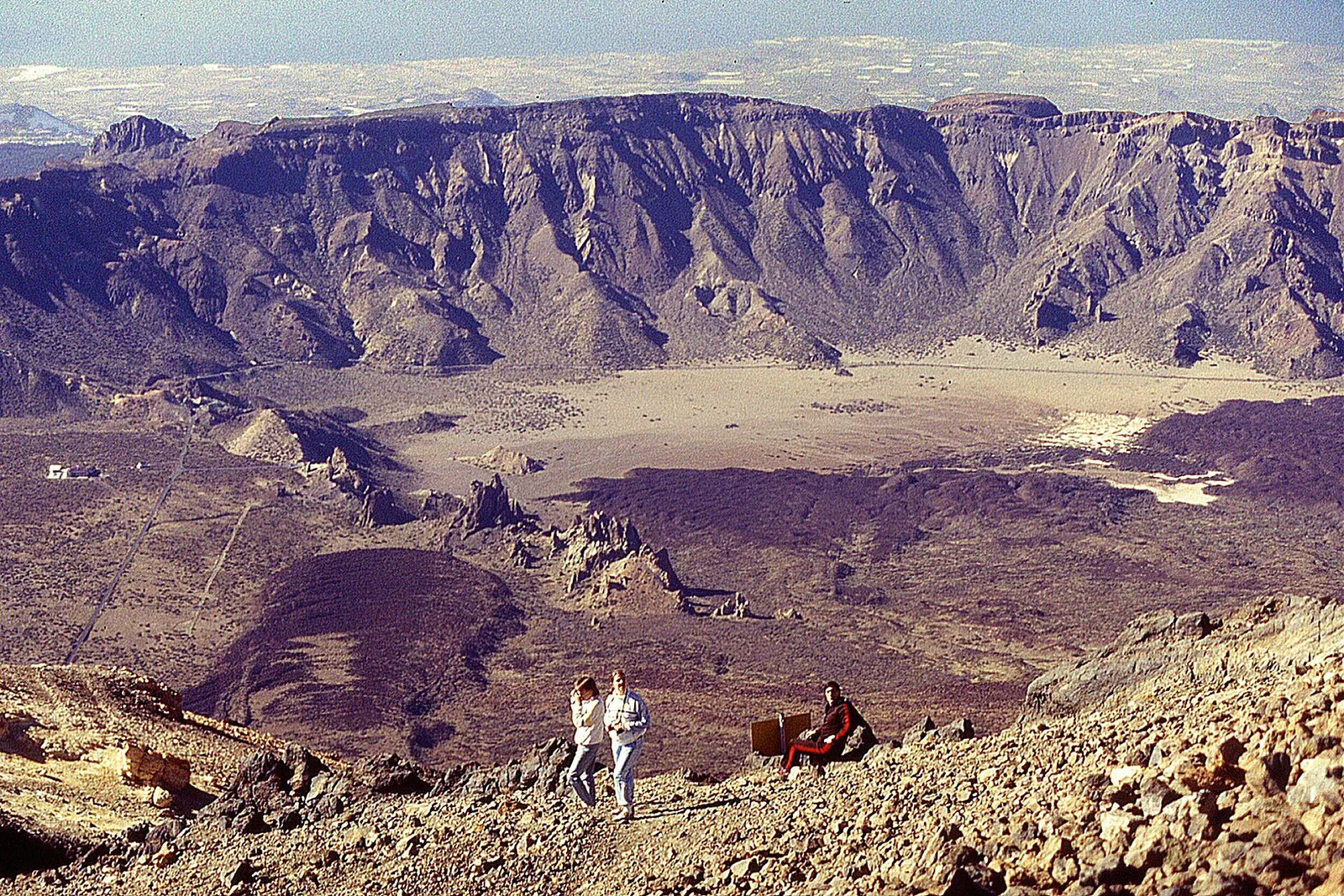
Explore the decisions
Sights and tickets
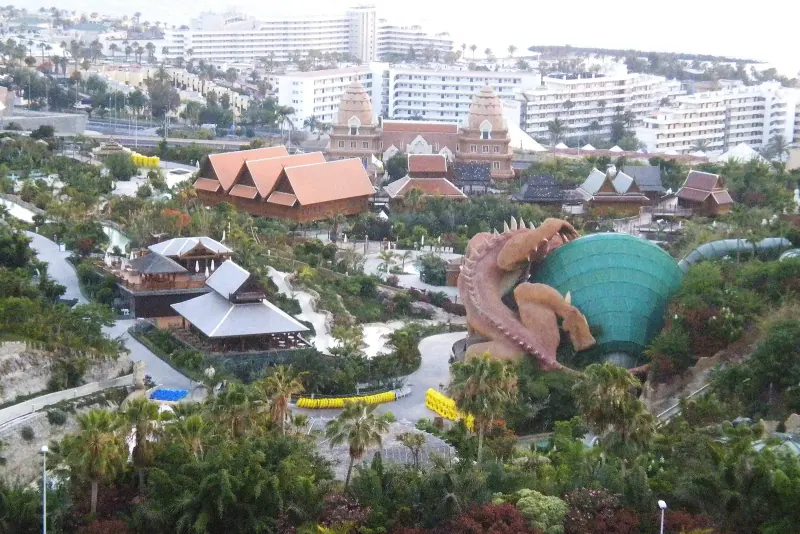 Is Siam Park worth it?Go

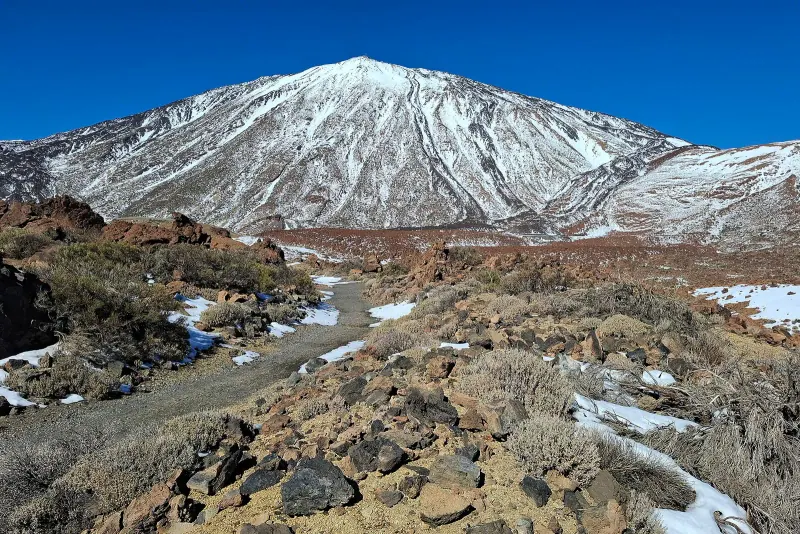 Is Teide National Park worth it?Go

Explore the decisions
Tours
 Is a Tenerife food tour worth it?Go

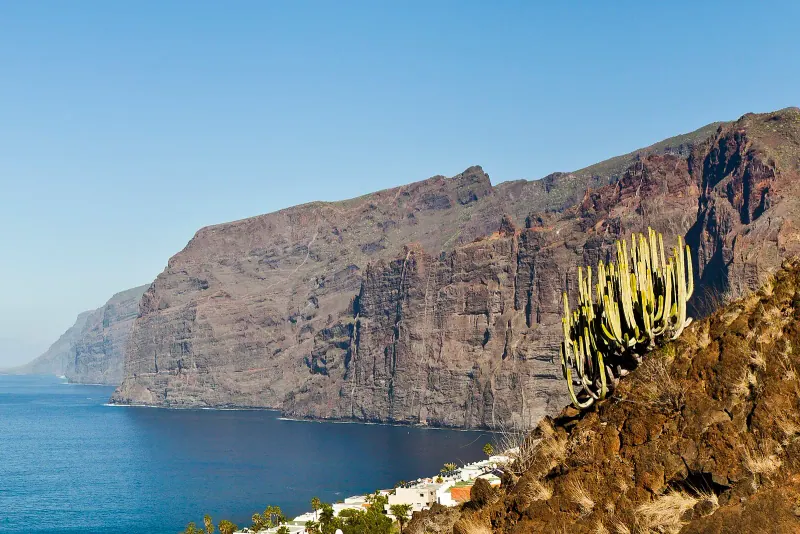 Is a Tenerife whale-watching trip worth it?Go

Explore the decisions
Day trips
 Is a La Laguna day trip worth it?Go

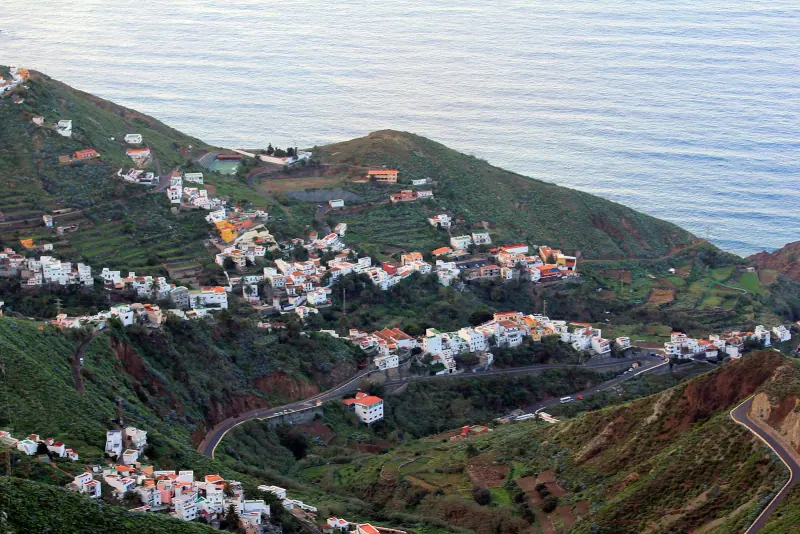 Is an Anaga mountains day trip worth it?Go

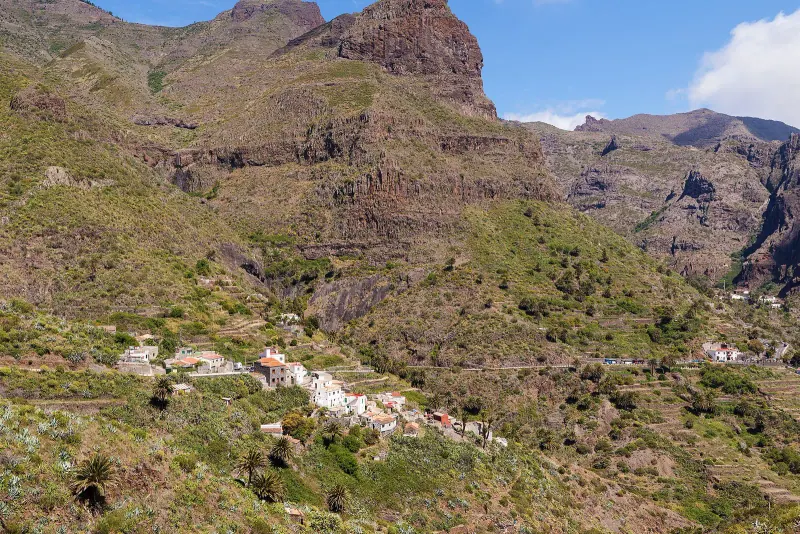 Is Masca worth the trip?Go

Explore the decisions
Big choices
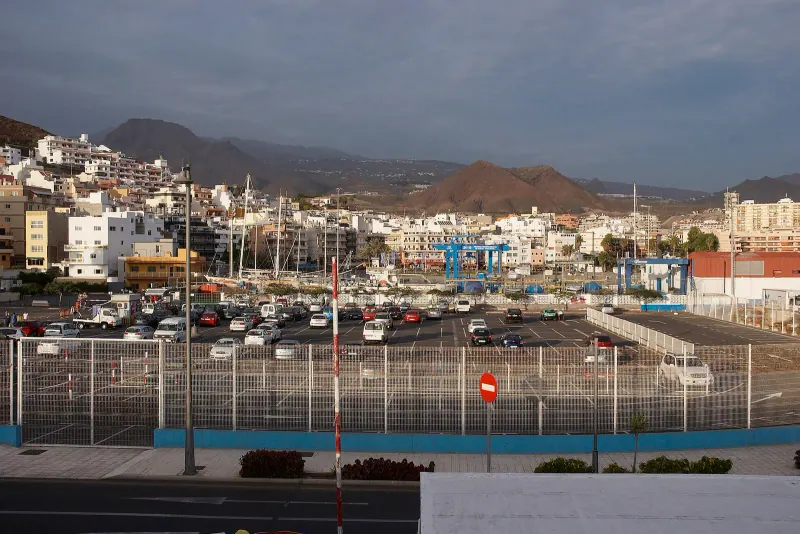 Tenerife South airport to the resorts: which way?Our pick: TITSA public bus (line 40, express 343, night 711)

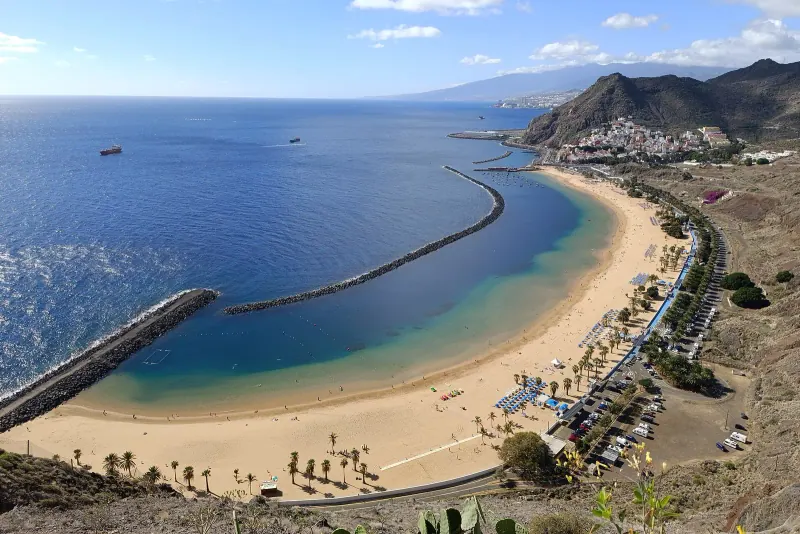 Where to stay in Tenerife: south or north?Our pick: South: Costa Adeje, Playa de las Americas and Los Cristianos

The review
Tenerife in short
Tenerife is the biggest and most varied of the Canary Islands: Spain's highest peak rising out of a lunar national park, ancient laurel forest in the Anaga mountains, natural lava pools on the north coast, and the dense resort strip around Costa Adeje and Playa de las Americas in the south. The island effectively runs two climates, the sunny dry south where the resorts sit and the greener, cooler north around Puerto de la Cruz.
The real caveats: the south is unapologetic mass tourism, which is fine only if that is the holiday you want; Teide's summit needs a free permit booked weeks ahead or a paid alternative; and the island is big enough that the wrong base costs an hour each way on mountain roads, which a weekend cannot absorb. The two-airport split matters too, since Tenerife South serves the resorts while Tenerife North serves Santa Cruz and La Laguna, and travelers chasing nightlife-forward island glamour will find Mykonos or Ibiza fit better.
Where Tenerife wins is range per day: a volcano above the clouds at breakfast, a lava-pool swim at lunch and whales off Los Gigantes before dinner. Five to eight days covers Teide, the north's La Laguna and Anaga, a beach or water-park day and a whale trip, and a rental car is close to essential beyond the resort strip. It is a year-round island with December to March as peak winter-sun season and the warmest reliable weather in Europe; base in the south for guaranteed sun and the big family attractions, or in the north for food, greenery and a more local rhythm.
Go if
- Teide National Park: cable car, volcanic trails and the best stargazing in Spain
- Guaranteed winter sun within a short-haul flight of Europe
- Families: Siam Park, Loro Parque and easy resort beaches
- Resident whales and dolphins off the southwest coast
Skip if
- You want nightlife-forward island glamour; Mykonos or Ibiza fit better
- You dislike resort corridors; the south coast is built solid
- You only have a weekend; the island is too big to do quickly
- When to go
- Year-round. December to March is peak winter-sun season with the warmest reliable weather in Europe. The north is cloudier than the south in every month. May, June, September and October balance warmth, crowds and price. Carnival (February or March) is huge in Santa Cruz but books the north solid.
- How long
- Five to eight days: one for Teide, one for the north (La Laguna and Anaga), a beach or water-park day, a whale trip, plus slack for the pool. A long weekend only covers one end of the island.
- Getting around
- A rental car is close to essential beyond the resort strip; the island's sights spread over mountain roads. Titsa buses cover the main towns well (line 40/343 links both airports). Taxis and pre-booked transfers handle airport runs. Driving is easy; parking at Teide and Masca needs early starts.
Where to stay
Hotels that fit this trip in Tenerife
We are checking our Tenerife hotel picks against live rates. Meanwhile: Search Tenerife hotels on Expedia partner site
In pictures
Tenerife, frame by frame
an Anaga mountains day trip worth ita La Laguna day trip worth itMasca worth the tripSiam Park worth itTeide National Park worth itTenerife South airport to the resorts: which waya Tenerife food tour worth ita Tenerife whale-watching trip worth itKeep exploring
If Tenerife works for you
Pack for it
Gear verdicts from our sister site, Real Buyer Experiences: