


Bascarsija
Guest House KandiljCheck rates on Expediapartner siteCity guide / Bosnia and Herzegovina
Sarajevo, verdict by verdict
Sarajevo is where an Ottoman bazaar meets an Austro-Hungarian boulevard in one street. Our verdicts cover Bascarsija and the old town, Lukomir village and Mostar, the airport route and where to stay.
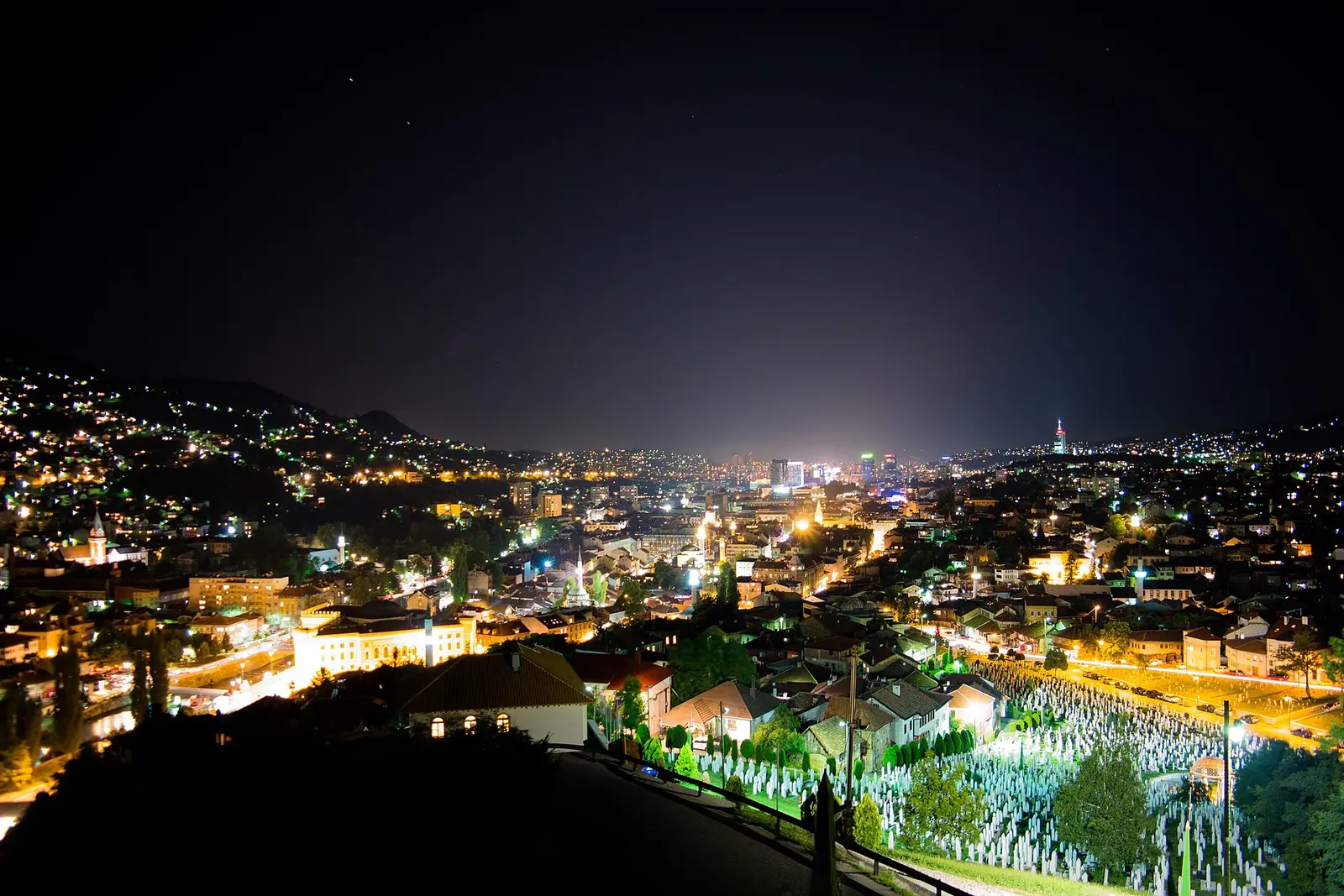
Explore the decisions
Sights and tickets
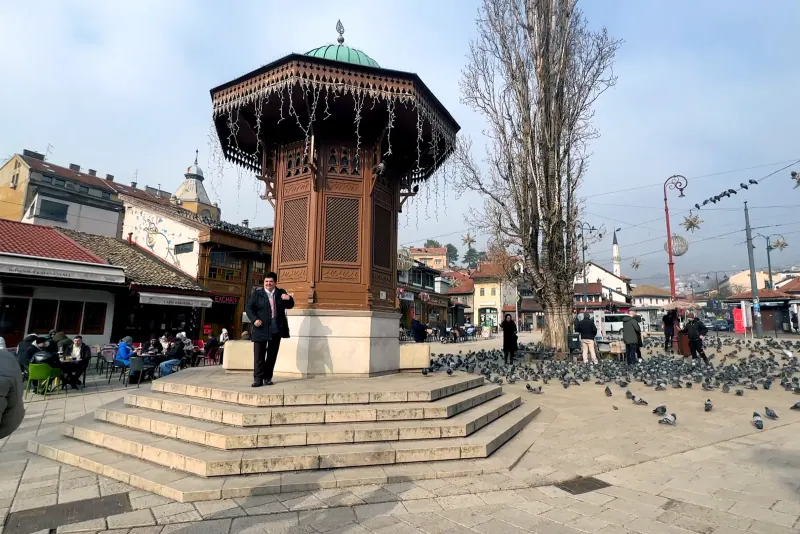 Are Bascarsija and the old town worth it?Go
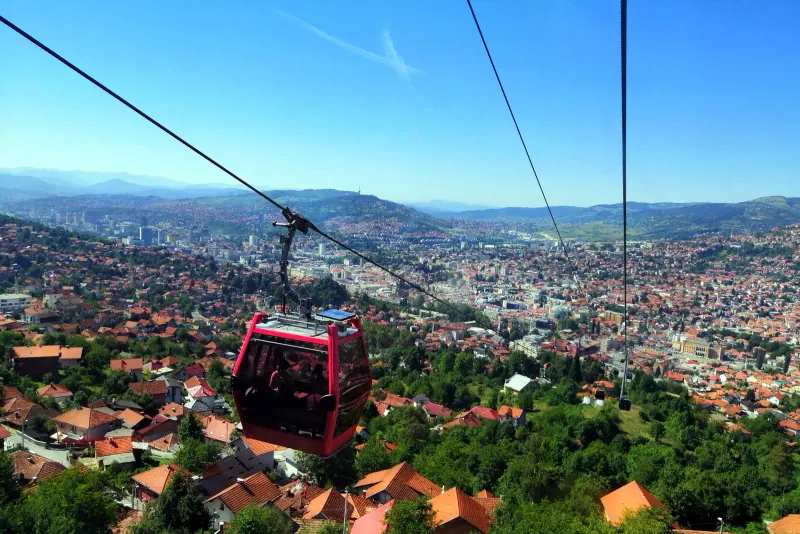 Is the Trebevic cable car worth it?Go
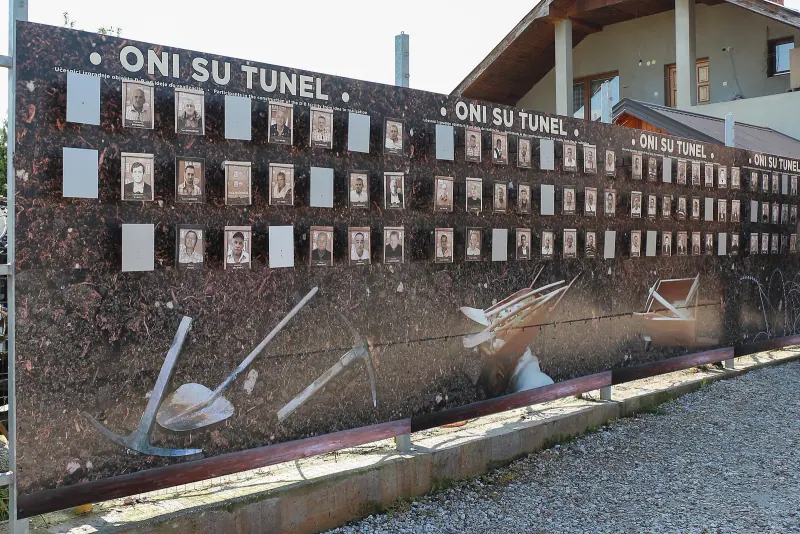 Is the Tunnel of Hope worth it?Go
Explore the decisions
Tours
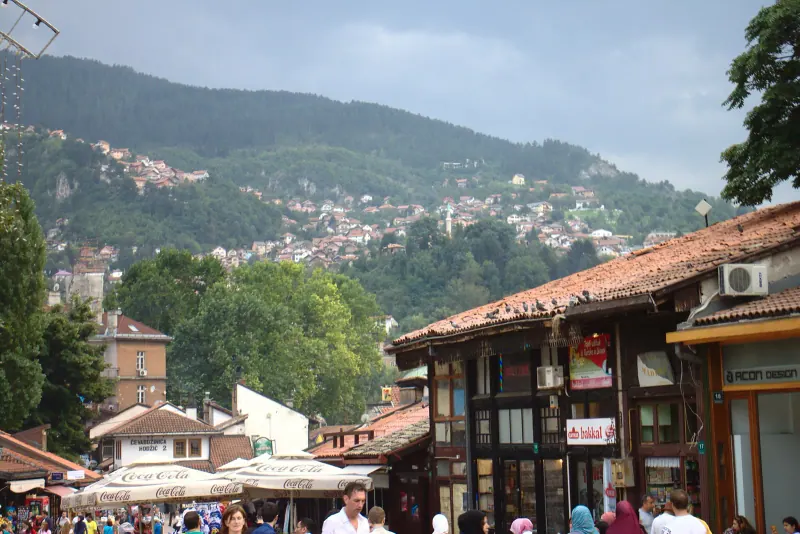 Is a Sarajevo food tour worth it?Go
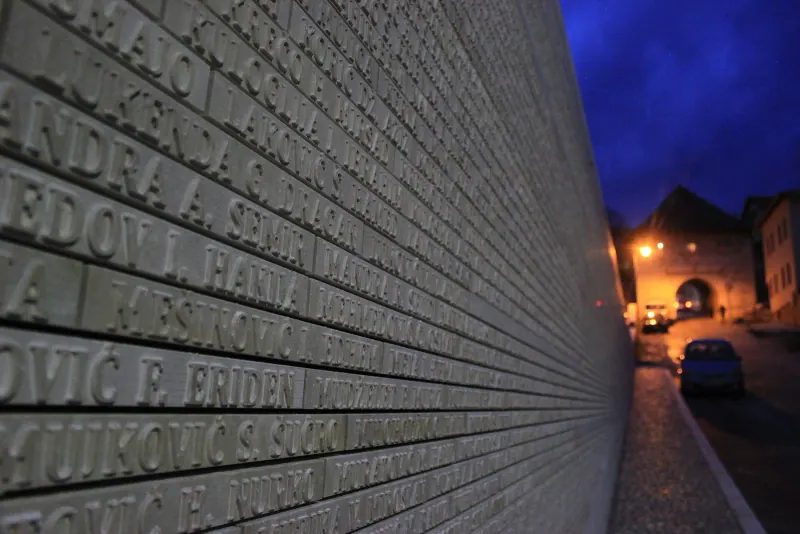 Is a Sarajevo war history tour worth it?Go
Explore the decisions
Day trips
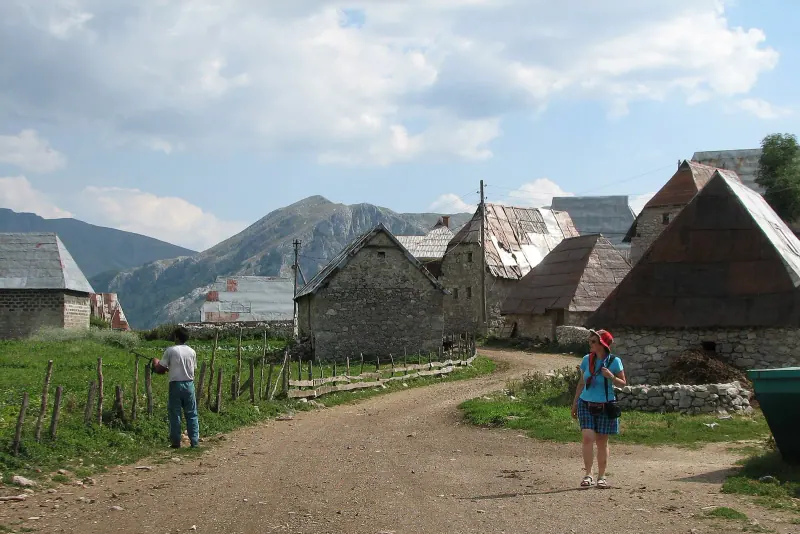 Is a Lukomir village day trip worth it?Go
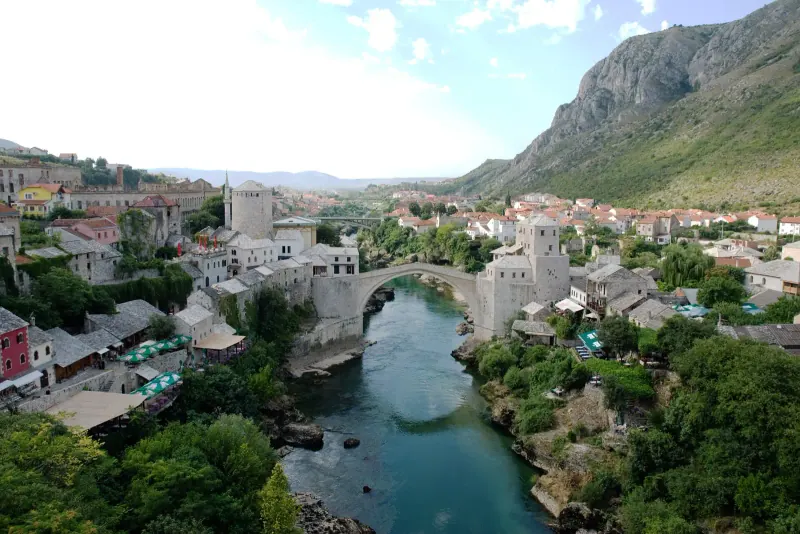 Is a Mostar day trip from Sarajevo worth it?Go
Explore the decisions
Big choices
 Sarajevo airport to the centre: which way?Our pick: Taxi at the official rank
 Sarajevo or Belgrade: which Balkan city?Our pick: Sarajevo
 Where to stay in Sarajevo: which area?Our pick: Bascarsija (Old Town)
The review
Sarajevo in short
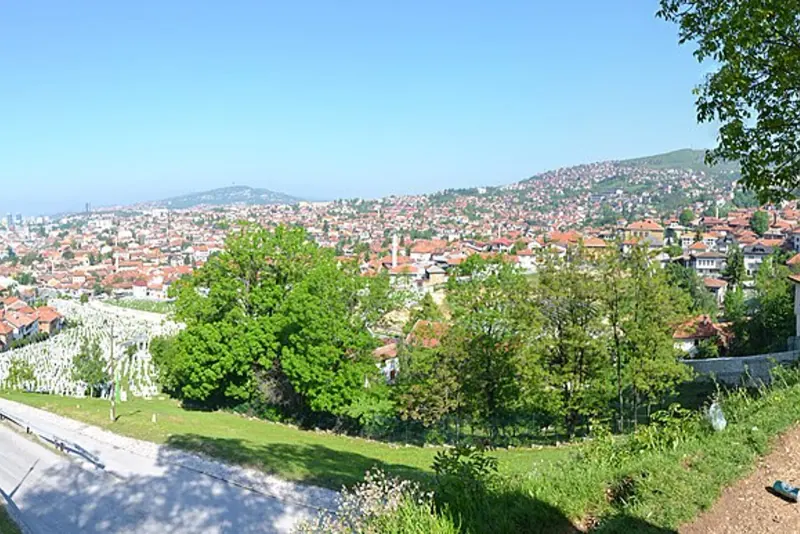
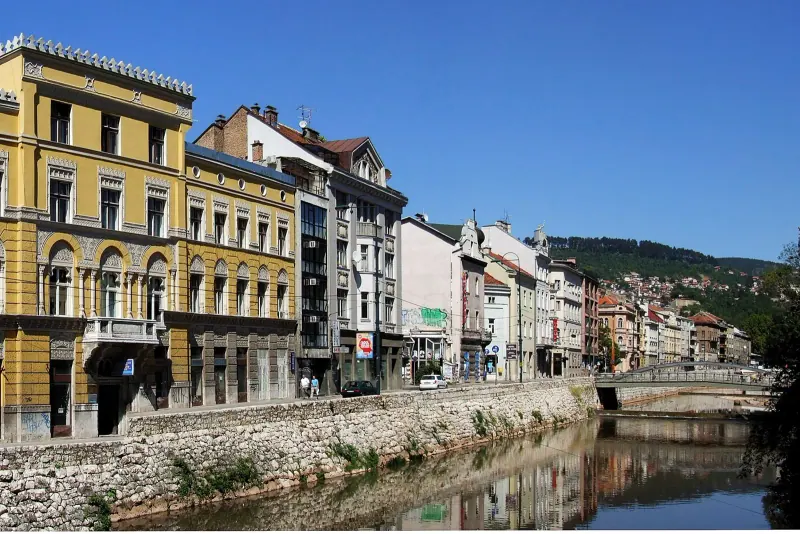
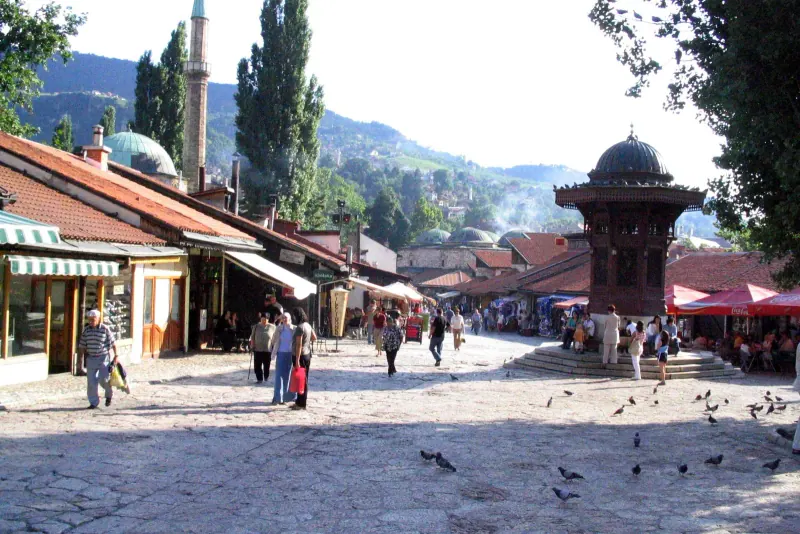
Sarajevo is where an Ottoman bazaar meets an Austro-Hungarian boulevard in one street: Bascarsija's coppersmith alleys and coffee ritual on one side, the Latin Bridge and empire facades on the other, with the siege history of the 1990s never far below the surface. It is one of Europe's most distinctive city breaks and one of its cheapest.
The caveats are mostly about weight. The war sites, the Tunnel of Hope and the frontline suburbs, are spread out and need a guide to make sense of, the airport is small with limited connections, and winter smog can sit in the valley for days in January and February. The siege story is everywhere by design, so travelers avoiding heavy history should know what they are walking into, and the infrastructure is functional rather than slick.
None of that dulls the core experience: the old town is dense, walkable and alive late into the evening, and a war-history tour on day one changes how every hillside reads afterwards. Two full days covers Bascarsija, the Latin Bridge, the Tunnel of Hope and the Trebevic cable car, a third buys Mostar or Lukomir, and the two-hour rail ride to Mostar is one of Europe's most scenic. April to June and September to October bring mild weather and full cafe life, and the city pairs naturally with Mostar, Dubrovnik or Belgrade on a longer Balkan route as the best-value hub in the region.
Go if
- Bascarsija old town: coffee ritual, cevapi, coppersmith lanes
- Siege history: Tunnel of Hope and guided war tours
- Trebevic cable car and mountain viewpoints
- Mostar, Lukomir and Travnik day trips
Skip if
- You want polish over character; infrastructure is functional, not slick
- You avoid heavy history; the siege story is everywhere by design
- You visit in January or February and mind valley smog
- When to go
- April to June and September to October are ideal: mild weather, green hillsides, full cafe life. July and August are warm and festive but busiest. Winters are cold with possible smog, though the Baščaršija Winter Market period has atmosphere.
- How long
- Two full days covers Bascarsija, the Latin Bridge, the Tunnel of Hope and Trebevic. Add a third for a Mostar or Lukomir day trip. The city also pairs naturally with Mostar, Dubrovnik or Belgrade on a longer Balkan route.
- Getting around
- Sarajevo airport (SJJ) sits 20 minutes out by taxi or trolleybus; the centre is walkable and trams loop the main axis. The Tunnel of Hope needs a car, tour or taxi. Mostar is 2 hours by train, one of Europe's most scenic rail rides.
Where to stay
Hotels that fit this trip in Sarajevo
Bascarsija
Hotel Old SarajevoCheck rates on Expediapartner siteBascarsija
Halvat GuesthouseCheck rates on Expediapartner siteIn pictures
Sarajevo, frame by frame
Bascarsija and the old town worth ita Lukomir village day trip worth ita Mostar day trip from Sarajevo worth itSarajevo airport to the centre: which waya Sarajevo food tour worth itSarajevo or Belgrade: which Balkan citya Sarajevo war history tour worth itthe Trebevic cable car worth itKeep exploring
If Sarajevo works for you
Pack for it
Gear verdicts from our sister site, Real Buyer Experiences: