Hvar is the Dalmatian island of lavender fields, a Venetian harbour town and the Pakleni islets just offshore, reached by catamaran from Split. Our guide covers who it suits, when to go, the ferries, the airports and where to stay.
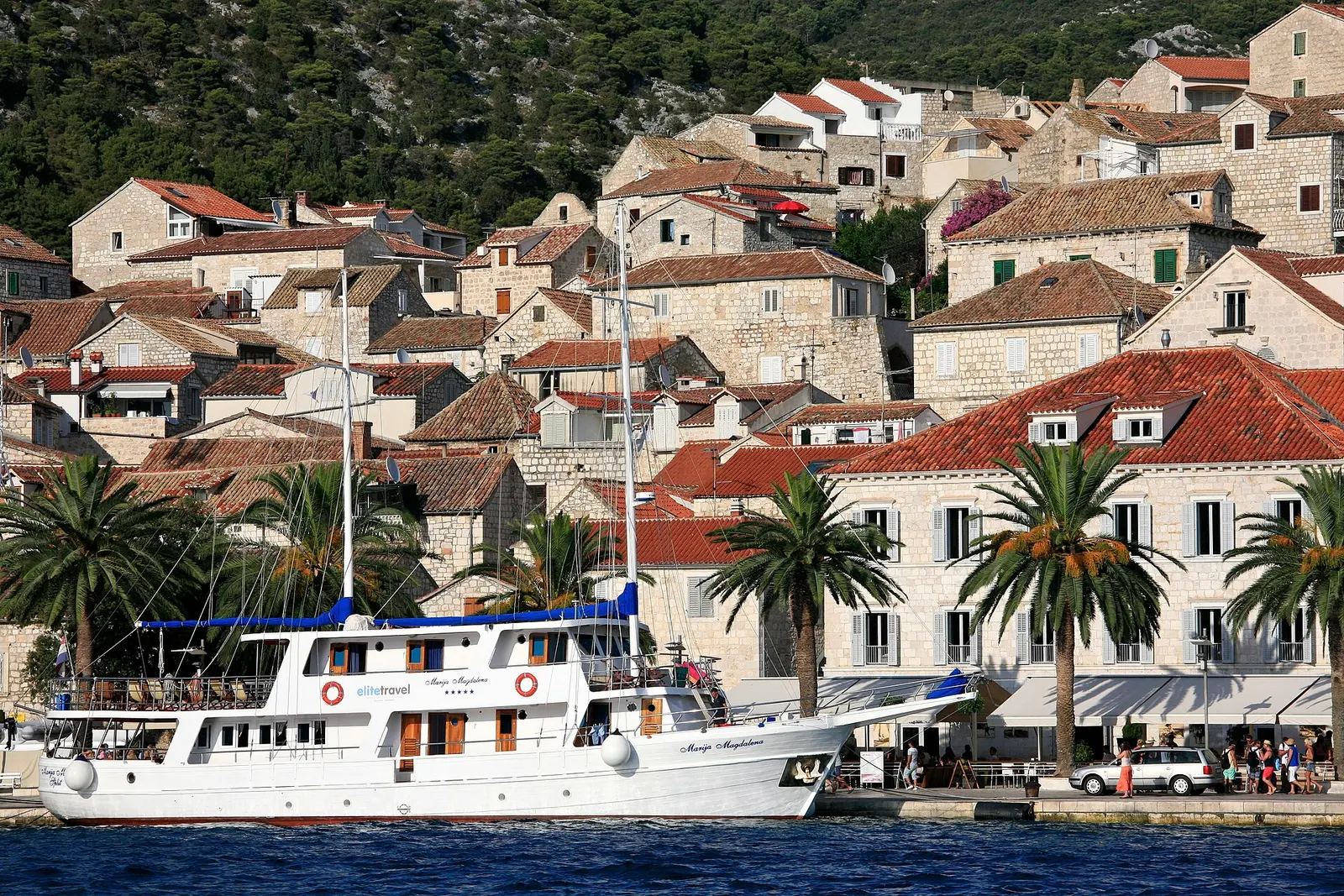
Photo: Alex Proimos from Sydney, Australia, CC BY 2.0 (source)
The review
Hvar in short
A Venetian harbor, lavender hills and calm old towns, with party prices you can learn to avoid.
Best time
late May to June, September to early October
How long
Two nights is the minimum for the town and the Pakleni islets, and an itinerary guide calls three days the best minimum for a first trip. Add a night in Stari Grad if you want the plain and the south coast.
Cost level
High
Nearest airport
Split Airport (SPU)about 30 min to the centre
Hvar is worth it if you want a Dalmatian island with real range: a stone harbor town under a fortress, a UNESCO farm landscape around Stari Grad, quiet coves and the Pakleni islets just offshore. It suits couples, small groups and travelers who like to swim, eat slowly and pick a base. It is a weaker fit for tight budgets or anyone who dislikes crowds in July and August.
The hard truth is that Hvar town is expensive and crowded in summer. A family blogger found it pricey, and a long-stay writer says it is busier and costlier than a decade ago. Rules tightened too, with a summer noise limit of 85 decibels kept by the town council.
The fix is to split the island. Sleep in Stari Grad or Jelsa, give Hvar town a day or an evening, travel in June or September, and rent wheels for the south coast. Choose the right port when you book, since the catamaran lines serve Hvar town and the car ferry serves Stari Grad.
Go if
Couples and friends who want a lively harbor night and a calm swimming day.
Travelers who like to swim, with Pakleni water taxis at about 8 to 15 EUR return per adult.
Anyone drawn to history and farmland: the Stari Grad Plain is a UNESCO cultural landscape.
Lavender and wine lovers who can plan around the early July festival.
Travelers who will base in Stari Grad or Jelsa and treat Hvar town as a day or an evening.
Skip if
You are on a tight budget and can only come in July or August: reports call the main town very expensive.
You want a quiet, uncrowded harbor in peak season: bloggers describe packed lanes and costly bars.
You will not rent a car, scooter or e-bike and want the south-coast coves.
You need spontaneous ferries on a summer weekend: ferry pressure started early in 2026 and summer sailings fill.
The long read
What Hvar is like, from the reports
Hvar town: harbor, fortress and the price tag
Hvar town is the face of the island and the reason most people come. The catamaran lands at the main pier, and a forum reply puts the old town square about five minutes away on foot. From the square the harbor, the loggia and the stepped lanes are all close. The fortress above town is the one paid sight worth planning around: the town's own sights page lists Fortica at 12 EUR and a combined ticket at 15 EUR, so check the page for hours before you climb.
The trade-off is cost and crowds. A family blogger found the town expensive, and a long-stay writer says it is busier and pricier than a decade ago, with square-side bars charging for the location. Reports still say it is worth seeing once, which is why many travelers treat it as a day or an evening rather than a base.
If you stay, pick shoulder season. A Pakleni guide names April to June and September to October as the best months, and the complaints about packed lanes center on July and August.
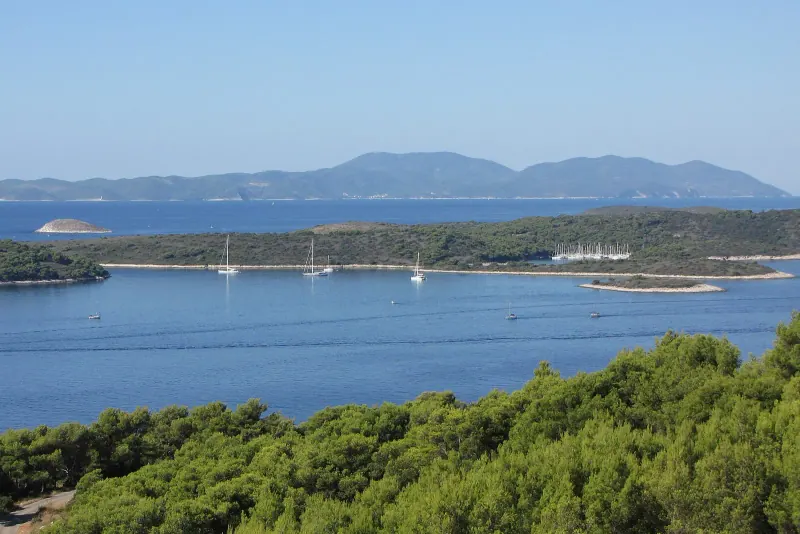
The Pakleni islets sit a short hop across the water from Hvar town, and water taxis from the waterfront are how most people swim there. A family blogger paid 10 EUR return per adult with children free, and a Pakleni guide puts taxi boats at about 8 to 15 EUR return, which it calls the cheap way in, with a hired boat as the nicer option if the budget allows. The same guide names April to June and September to October as the best time, which matches the broader pattern of calmer water and fewer people outside high summer.
Beyond the islets, the south coast has coves that itineraries single out, including Zarace and Dubovica. They agree on the catch: you need a car, ATV, scooter or e-bike to link them. A self-guided e-bike day that passes Dubovica is suggested as an alternative to driving, and its author advises booking early in the morning if an afternoon wine tour follows.
Boat trips further out, such as the Blue Cave near Bisevo, run into crowds. A news feature counts about 150,000 summer visitors to the cave and only 44 registered overnight guests on the island, so expect to share the water with many other day boats.
Reports keep returning to the same advice: the best of Hvar is not in Hvar town. Stari Grad is on the north coast and is where the car ferry from Split lands. A blogger who spent a week exploring the island says the few days based there stayed with them most, and a long-stay writer who spent about six weeks in Hvar town says they should have stayed in Stari Grad instead, calling it quieter, cheaper and more characterful. The cost is a shorter list of restaurants and bars than the main town offers.
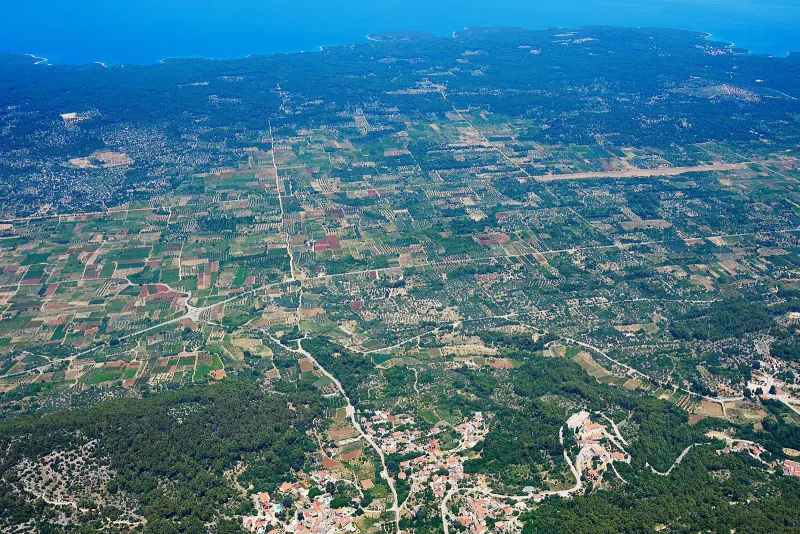
Stari Grad also has the island's deepest history. UNESCO describes the Stari Grad Plain as a cultural landscape that has stayed practically intact since Ionian Greeks from Paros settled it in the 4th century BC, with the ancient land division still visible in stone walls, vineyards and olive groves. The plain and the historic town were inscribed together in 2008. Walking or cycling the plain is the quiet counterpart to the harbor scene in Hvar town.
Jelsa is the other base travelers mention. Itineraries include a day around Jelsa and the south coast, and one wine tour runs from Hvar town to Jelsa, so it works as a calmer base for beaches and tastings. For the coves and villages beyond town, plan on a car, scooter or e-bike, as the itineraries note. A Stari Grad guide puts the drive from Hvar town at about 25 to 30 minutes, so the two ends of the island combine easily.
Lavender, wine and the table
Hvar is known for lavender, and the hills above Hvar town around Velo Grablje and Brusje are where the festival happens. The 2025 Lavender Festival ran 3 to 5 July with a village harvest, product fairs and workshops, and a press report calls the Saturday evening concert in Velo Grablje the highlight. The dates move from year to year. If lavender is the reason for your trip, check the tourist board announcement before you book.
Wine is an easy afternoon here. One itinerary pairs a morning e-bike ride with a small-group tasting that runs from Hvar town to Jelsa, and a Stari Grad guide lists several family wineries around the town. Book tastings early in the season, and check opening dates outside summer.
Prices on the waterfront can surprise. A viral bill from Stari Grad in August 2026 showed a large pizza at 22 EUR, and the coverage framed it as part of a broader debate about average service at rising prices. Looking one street back from the harbor, or booking a konoba outside town, is the usual fix.
Getting here, getting around and who it suits
Almost everyone arrives from Split. The Jadrolinija catamaran (line 641) runs only to Hvar town and takes about 1 hour 5 minutes, but it is a seasonal line, so check its timetable for your date. TP Line runs a year-round fast passenger line to Hvar. The Jadrolinija car ferry runs to Stari Grad in 110 minutes, so choose the port that matches where you sleep. A day trip works for people short on time, and the Hvar day trip from Split page has the sailing times and fares.
On the island, buses link Hvar town, Stari Grad and Jelsa, and the operator publishes a timetable that thins out outside summer. For the south-coast coves and the lavender villages, itineraries recommend a rental car, a scooter or an e-bike. If you bring a car, the Stari Grad ferry is the usual crossing, and a blogger notes the Sucuraj ferry at the island's south end is about 1 hour 40 minutes by road from Hvar town.
Hvar suits couples, friends who want a party night followed by a calm day, and travelers who like to swim and eat slowly. It is a poor fit for strict budgets in July and August, for anyone who wants quiet in the main town in peak season, and for travelers who expect cheap and spontaneous ferries on a summer weekend. Rules are tighter than the reputation suggests: the town kept its 85 decibel limit on summer noise, and one dress-code explainer says swimwear away from the beach can draw fines, which we could not confirm on a town page.
The pitfalls
What goes wrong in Hvar
Booking the wrong port
Hvar has more than one ferry town. The Jadrolinija catamaran (line 641) goes to Hvar town, while the Jadrolinija car ferry (line 635) lands at Stari Grad, a separate town on the island with a crossing of 110 minutes. Check the destination port on the operator sheet when you book.
Peak-season prices and crowds
A family blogger found Hvar town expensive, and a long-stay writer calls it busier and pricier than a decade ago. A viral bill from Stari Grad showed a large pizza at 22 EUR in August 2026. Shoulder season and a base outside the main town are the usual fixes.
Noise and swimwear rules
Hvar town kept summer noise limits of 85 decibels on clubs and outdoor venues, per a 2025 news report. A dress-code explainer from April 2025 says swimwear away from the beach can draw fines, though we found no town page that sets an amount. Reports describe the aim as a shift from party tourism, so check the town's current rules before you go.
Summer ferry pressure
A news report says ferry pressure started earlier than expected in 2026, and the Jadrolinija catamaran is a seasonal line with a short timetable after mid-September. A forum reply says buying tickets the day before worked in September, but in summer book ahead and check the operator page for the last sailing back.
The south coast needs wheels
Itineraries say a car, ATV, scooter or e-bike is needed to link the Zarace and Dubovica coves with Stari Grad and the plain. Without wheels, you are mostly limited to Hvar town, the Pakleni water taxis and bus links, so decide before you arrive.
A single day is short
The official catamaran sheet for 21 September to 11 October 2026 lists an 11:15 arrival and a 15:45 return at the latest, about 4.5 hours in town. An itinerary guide calls three days the best minimum for a first trip, so treat a day trip as a sample.
Blue Cave boat crowds
A news feature counts about 150,000 summer visitors to the cave at Bisevo and day boats arriving all day. Boat trips from Hvar there share that traffic, so expect company.
When to go
Hvar by season
Best time
late May to June, September to early October
A Pakleni guide names April to June and September to October as the best time, and bloggers who call the main town crowded in summer describe these months as calmer and cheaper.
Water taxis to the Pakleni islets at their best, about 8 to 15 EUR return per adult
A self-guided e-bike or scooter day to Dubovica and the Stari Grad Plain
Konoba lunches without the July queue
Peak season
July and August
Reports describe packed lanes, the highest prices and rules aimed at party tourism, including an 85 decibel summer noise limit in Hvar town.
The Lavender Festival: the 2025 edition ran 3 to 5 July with a village harvest and a Saturday concert in Velo Grablje (confirm the next dates with the tourist board)
Harbor evenings in Hvar town
Fortica fortress, listed 9:00 to 20:00 on the tourist board page
Shoulder season
April to mid May, mid October
Cooler and quieter. The Pakleni guide still names April to June and September to October as good months.
Walking and cycling the Stari Grad Plain
Low-season ferry and bus timetables, so check the operator pages
Off season
November to March
The island is quiet, with a thinner ferry and bus timetable, and Hvar town sheds most of its seasonal crowd. Stari Grad is the town to base in because the car ferry from Split keeps running on its winter tariff.
Za Krizen, the Maundy Thursday night procession that sets out from Jelsa and five other villages, on the UNESCO intangible heritage list since 2009 (it falls in late March or April; confirm the date with the parish)
The Stari Grad Plain, a UNESCO landscape open to walkers all year
Stari Grad old town in winter, a year-round town rather than a seasonal harbor
Late May, June and September to early October are the sweet spot: a Pakleni guide names April to June and September to October as best, and the main town is livelier than packed. July and August bring the crowds, the highest prices and the lavender festival in early July. Check that your hotel and restaurants are open if you travel from late October.
Getting there and around
Airports near Hvar
Airport
Distance
To the centre
How
SPU Split Airport
20 km
about 30 min
Hvar has no airport of its own. The airport page puts Split Airport 20 km from Split and lists a shuttle bus throughout the day to the main bus station, beside the ferry port; check that page for the timetable and fare. From there the Jadrolinija catamaran (line 641, seasonal) reaches Hvar town in about 1 hour 5 minutes, listing 25 EUR one way on the 2026 sheet, TP Line's year-round line lists 6.40 EUR off season, and the car ferry reaches Stari Grad in 110 minutes. (source, checked Oct 2026)
From Split, the seasonal Jadrolinija catamaran (line 641) takes about 1 hour 5 minutes to Hvar town and lists 25 EUR one way on its 2026 sheet, which ends on 11 October. TP Line runs a fast passenger line (9604) through the year, listed at 6.40 EUR Split to Hvar outside the 29 May to 27 September season and 10 EUR in it. The Jadrolinija car ferry to Stari Grad takes 110 minutes and lists 5.90 EUR for a foot passenger from 28 September and 8.40 EUR from 29 May to 27 September. On the island, local buses link Hvar town, Stari Grad and Jelsa on a timetable that is thinner outside summer. A car, scooter or e-bike is needed for the south-coast coves and the lavender villages.
Where to stay
12 hotels that fit this trip in Hvar
We earn a commission if you book through our links. It never changes a verdict. How this works
Luxury
High-end stays whose guests report the setting and service earn the rate.
Hvar town, Old Town by the cathedral square
Palace Elisabeth Hvar Heritage Hotel
A five-star heritage hotel in the old town core with a spa, indoor pool and terrace breakfast; guests praise the staff and the location a few steps from the harbor.
A four-star spa hotel standing in at the top tier, five minutes' walk from the port, with a rooftop terrace, indoor pool, sauna and Turkish steam bath; guests rate the views and spa highly.
A four-star beach resort with swim-up bar, pool and children's water park, upgraded for the 2026 season; guests like the location and family facilities. It is seasonal, so check opening dates for late October.
A very small four-star hotel on the Stari Grad waterfront near Lanterna beach, said to be adults-only; breakfast is extra, so budget for it or the cafes nearby.
A four-star hotel on the hillside near the old town with a pool, pet-friendly rooms and a breakfast guests like; it sits up the hill, so expect a climb back. It may close in the off season, so check dates.
A resort hotel on a wooded hill above Jelsa with a pool, tennis and parking, a sandy beach about 200 m away; a practical base for families who want beaches without Hvar town's crowds.
Cheaper beds that travelers still rate well for location and cleanliness.
Hvar town
Hostel Villa Zorana
A well-placed budget pick in the main town near the cathedral and port, listed as a hostel with a shared kitchen; guests praise the cleanliness and the helpful hosts. Check room types and age limits before booking.
A small hostel in Stari Grad's old town with its own kitchen, dining room and bar; the budget base for the quiet side of the island, though it has few reviews.
Three days is the best minimum for a first trip, better than a single day, according to an itinerary guide. Two nights covers Hvar town and the Pakleni islets, and an extra night in Stari Grad lets you add the Stari Grad Plain and the south coast.
Is Hvar expensive?
Yes in the main town in July and August. Bloggers call Hvar town very expensive for rooms, food and nightlife, and a viral bill from Stari Grad showed a large pizza at 22 EUR in August 2026. Shoulder season, a base in Stari Grad or Jelsa and konoba meals keep costs down.
Do I need a car in Hvar?
Not for Hvar town or the Pakleni water taxis, but itineraries say you need a car, scooter, ATV or e-bike for the south-coast coves and the lavender villages. If you bring a car, the usual crossing is the Stari Grad car ferry.
How do I get from Split to Hvar?
Take the Jadrolinija catamaran to Hvar town in about 1 hour 5 minutes, listed at 25 EUR one way, but it is seasonal. TP Line runs a year-round line, listed at 6.40 EUR outside the season and 10 EUR in it, and the car ferry to Stari Grad takes 110 minutes. Check the operator page for your date and book ahead in summer.
Is Hvar a party island?
It has that reputation, with harbor bars and clubs, but the town kept an 85 decibel summer noise limit and one explainer says swimwear away from the beach can draw fines. If you want a quiet stay, base in Stari Grad or Jelsa.
Where should I stay on Hvar?
Stay in Hvar town for harbor nights and easy boats, in Stari Grad for a quieter, cheaper and more historic base with the car ferry, and in Jelsa for a relaxed, affordable base with beaches nearby.
When is the lavender in bloom?
The 2025 festival ran 3 to 5 July, according to the tourist board. Dates move from year to year, so check its announcement before you plan a trip around it.
How this guide was written. We read 15 traveler reports about Hvar published between Mar 2025 and Sep 2026, 1 of them mainly negative, and checked the facts against official sources in Oct 2026. Nobody on the team claims a visit; hotel picks are chosen from what guests report, never from what they pay us. How we judge.