The colonial landmark is praised for its heritage rooms, butler service and restaurants, and sits a short walk from the bay and the civic museums.
Civic District
Search Expedia for this hotelpartner siteCity guide / Singapore
Singapore is a compact city state with hawker food, garden attractions and strict local rules that are worth knowing before you land.
The review
A clean, compact city where hawker meals, garden domes and an easy train network reward early starts and cold indoor breaks.
Singapore is worth it for most travelers who like food, gardens and a city that runs smoothly, and three to four days is a comfortable length. Reports describe hawker centers where a plate costs around SGD 6 to 15, garden domes that double as cool breaks, trains that are easy to use with a tap card, and a city where travelers say they felt safe late at night.
The hard truth is cost and climate. Travelers call hotels and drinks expensive even when food is cheap, and every season is hot and humid, with the heaviest rain from November to January. In September and October 2026 the city also had its worst haze since 2023, with air readings in the unhealthy range on several days. Strict local rules, from vaping to eating on trains, catch out visitors who have not read them.
The fix is planning. Stay near a train station, do outdoor sights early or after dark, and use the air-conditioned gardens, museums and malls in between. Eat at hawker centers for most meals, book popular evening shows and tickets ahead, and check the haze and weather forecasts before fixing outdoor days. Read the rules section below before you land, and submit the arrival card in the three days before your flight.
The long read
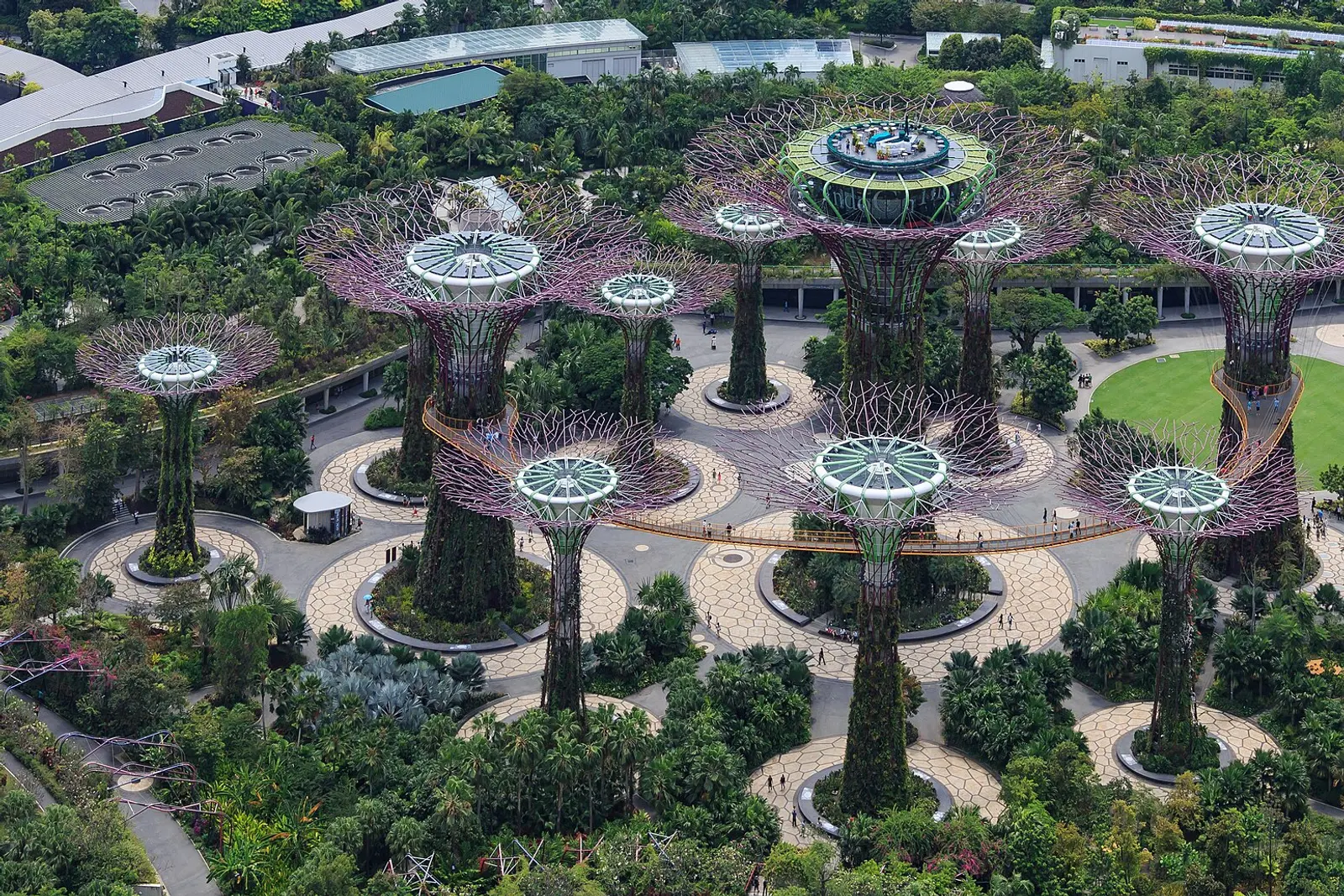
The Marina Bay area is the image most people have of the city. The Supertree grove, the waterfront and the indoor garden domes sit within a short walk of each other. The two domes are air conditioned, and families say the misty Cloud Forest with its indoor waterfall is a welcome break from the heat. A 2026 video itinerary warns that first-timers often reach Gardens by the Bay in the hottest afternoon hours, so time it for later in the day.
The Botanic Gardens are the other favorite. A forum thread from late 2025 recommended them for the orchids, and one couple sheltered from a rainforest downpour there under a wooden pagoda. Little India, Chinatown and Kampong Glam come up again and again as the places where the city feels less polished, with temples, shophouses and food within a few train stops of each other.
Not everyone is won over. One traveler in the same thread called the city very expensive and all man-made, and another preferred Bangkok.
Food is the reason most travelers say they would return. Hawker centers are covered food courts with dozens of stalls, and reports describe them as the best value in the country. One couple spent most of three days walking and eating at stalls and says it seemed everything they ate was fantastic. A family on a long layover budgets SGD 8 to 15 (about EUR 5.60 to EUR 10.50) per person per meal, with a plate of chicken rice at SGD 6 (about EUR 4.20).
Maxwell Food Centre in Chinatown is a usual first stop. A former resident says to carry cash at hawker centers, since few stalls take cards, and notes that alcohol is heavily taxed, so a hotel club lounge happy hour is the cheaper way to enjoy a drink.
Weather shapes every itinerary. Reports from summer, spring and the monsoon all describe heat and humidity as the main discomfort, with temperatures of about 28 to 32 C year round. Travelers plan outdoor sights for early morning or after sunset, with one family starting a waterfront walk at 7:30 a.m., and treat malls, museums and the garden domes as rest stops. A former resident warns that malls and hotels keep the air conditioning very cold, so bring a layer.
From November to January the northeast monsoon brings the wettest weather. A long-time resident says rain pours daily then and recalls a race weekend spent soaked despite ponchos, while a couple caught a full rainforest downpour in the Botanic Gardens and simply sheltered.
The haze is the newer risk. In September 2026 air quality in central Singapore entered the unhealthy range for the first time since 2023, and readings kept returning to that range into early October, peaking at 167 in the central region on 29 September. If you travel in those months, check the daily forecast and keep an indoor plan ready.
Singapore is strict, and the fines are real. The health authority bans possession, use and purchase of e-vaporisers. The published maximum fine is SGD 2,000 (about EUR 1,400), and travelers found with vapes at the border can be fined. Chewing gum is restricted: the customs authority lists gum as a prohibited import with a narrow exception for medicinal gum, and the sale of gum carries a fine of up to SGD 2,000 (about EUR 1,400). Eating or drinking on trains carries a maximum penalty of SGD 500 (about EUR 350), and durians are widely reported as not allowed on trains and buses.
Entry is simple but not casual. Visitors submit the free SG Arrival Card within three days before arrival, and those who have not may be denied entry. Use only the official site or app, because the immigration authority states that it does not endorse paid agents.
On cost, travelers describe a split city. Food and trains are cheap, while accommodation is the main expense; a 2026 first-timer called rooms very pricey. A family on a long layover budgets SGD 30 to 50 (about EUR 21 to EUR 35) per person for a city day including transport, and a former resident suggests a room right above or close to a train station.
Families rate the city as easy. A family guide calls the Cloud Forest well worth it and the Sentosa aquarium one of the best it has seen, with an underwater shark tunnel, thousands of moon jellies and a large open ocean window. The same family liked the air conditioned reptile house at the zoo, which sits well out of the center. They found a ride app easy on the way there but very hard to get home, so plan the return before you go.
The Night Safari gets mixed but mostly good reviews. A reviewer who went in summer 2026 calls it worth it for anyone who has never seen a nocturnal zoo; crowds were already forming at the entrance, but the tram queue was gone by about 10 p.m. A family staying at the reserve headed to the tram first and found only the last live show of the night left, and advises booking a show time the moment you arrive.
Layover travelers get a lot from the city. A family on a 12 hour layover cleared immigration in 18 minutes and fitted in the airport's indoor waterfall garden, the gardens and a hawker meal. The same guide suggests the city trip for stopovers of 6 hours or more and allows 15 to 45 minutes for immigration.
The pitfalls
Travelers from every season call the heat and humidity the worst part of the city, and one video guide says first-timers often do Gardens by the Bay in the hottest part of the afternoon. Start early, rest indoors from late morning, and go back out after dark.
News reports from September and October 2026 describe central Singapore in the unhealthy air range on several days, peaking at 167 in the central region on 29 September. If you have asthma or a heart condition, check the daily forecast, carry a mask and keep an indoor plan for each day.
The official weather service describes November to January as the wetter monsoon phase, with December usually the wettest. A long-time resident says rain pours daily in those months and that a weekend can be soaked despite ponchos. Plan museums, malls and the garden domes as backups.
The health authority bans possession, use and purchase of e-vaporisers, and the published maximum fine is SGD 2,000 (about EUR 1,400). Customs lists gum as a prohibited import apart from medicinal gum. Leave vapes at home and do not carry gum in your bag.
The rapid transit regulations list the maximum penalty for eating or drinking on trains at SGD 500 (about EUR 350). Durians are also widely reported as not allowed on trains and buses. Finish snacks and drinks before you tap in at the gate.
Visitors must submit the free SG Arrival Card within three days of arrival, and the immigration authority says travelers who fail to submit may be denied entry. Use only the official site or app. A fee-charging agent is not an official service.
A family who stayed at the wildlife reserve went to the tram first and found only the last live show of the night left. Book the show time on arrival, expect queues at the gate, and arrange the ride home before you leave, since late cars are hard to find.
A former resident advises a room right above or very close to a train station, because walking in the heat costs time and energy. A long-time resident adds that Chinese New Year brings price spikes and hotel shortages, so book early for January and February dates.
When to go
Best time
February to April
The weather service calls February the driest month, with late January to early March relatively dry. Several guides recommend March to May for fewer crowds, though it is still hot and humid.
Peak season
December, plus school holiday months
Popular sights are busy over Christmas and New Year, and December is also among the wettest months.
Shoulder season
September to October and May to June
Prices ease and crowds thin, but the 2026 haze affected September and early October, and showers are frequent.
Off season
November to January
The northeast monsoon brings the heaviest rain from November to January, with December usually the wettest, but the holiday events make it lively and indoor options are plentiful.
Temperatures hardly change through the year, so rain and crowds decide the timing. The official weather service says December is usually the wettest month and February the driest, with late January to early March relatively dry. Chinese New Year brings price spikes and hotel shortages, and haze from regional fires can affect September and October, as it did in 2026.
Getting there and around
| Airport | Distance | To the centre | How |
|---|---|---|---|
| SIN Singapore Changi Airport | 20 km | about 30 min | The airport lists a taxi to the city at about 30 minutes and SGD 25 to SGD 45 (about EUR 17.50 to EUR 31.50 at the ECB reference rate of 2026-11-11), metered, plus an airport surcharge of SGD 6 or SGD 8 (about EUR 4.20 or EUR 5.60) and extra for peak hours and midnight. Trains run from Changi Airport station to Tanah Merah, where you change for the city line; the first train leaves at 05:31 Monday to Saturday and 05:59 on Sundays, and the last connects to Tuas Link at 23:18. The land transport authority puts the current train trip to Marina Bay at about 50 minutes. Public buses 24, 27, 34, 36, 53, 110 and 858 also serve Terminals 1 to 3. Distance is roughly 20 km by road (approximate, not an official figure). (source, checked Nov 2026) |
The train network is the simplest way around, and a contactless bank card works at the gates. The operator's adult card fare table for trains runs from SGD 1.28 to SGD 2.57 per ride depending on distance (about EUR 0.90 to EUR 1.80 at the ECB reference rate of 2026-11-11). Taxis are metered, and the airport lists a ride to the city at SGD 25 to SGD 45 (about EUR 17.50 to EUR 31.50). Ride apps are described as useful, though families report they are hard to get back from the zoo and the Night Safari.
Where to stay
We earn a commission if you book through our links. It never changes a verdict. How this works
High-end stays whose guests report the setting and service earn the rate.
The colonial landmark is praised for its heritage rooms, butler service and restaurants, and sits a short walk from the bay and the civic museums.
Civic District
Search Expedia for this hotelpartner siteGuests describe spacious rooms, a quiet resort feel, good pools and views on the island, a good base for families who want the beaches and parks.
Sentosa
Search Expedia for this hotelpartner siteA five star hotel at Marina Square that guests choose for the staff, the large pool and the skyline views, with the waterfront promenade and a mall next door.
Marina Bay
Search Expedia for this hotelpartner siteThe design hotel sits near Sultan Mosque and Bugis, and guests like the rooftop pool, the restaurants and the walkable lanes of Haji Lane nearby.
Kampong Glam
Search Expedia for this hotelpartner siteThe comfortable middle: well placed, well run, priced for a normal trip.
A compact design hotel on Mosque Street, within walking distance of Chinatown's food streets and a train station, popular with guests who want a central base.
Chinatown
Search Expedia for this hotelpartner siteGuests like the location on Orchard Road, the outdoor pool and the terrace, with the caveat that rooms are very small, so it suits short stays.
Orchard
Search Expedia for this hotelpartner siteA four star hotel on Bencoolen Street that guests rate for its rooftop pool, clean rooms and a train station nearby, between the museums and Bugis.
Bencoolen
Search Expedia for this hotelpartner siteA four star aparthotel in Little India with a gym, rooftop garden, laundry and shared spaces, about a minute from Farrer Park train station.
Little India
Search Expedia for this hotelpartner siteCheaper beds that travelers still rate well for location and cleanliness.
Guests rate the clean rooms, the pool and the location between Bugis and Little India, close to Bencoolen station and many food options.
Bencoolen
Search Expedia for this hotelpartner siteAn air-conditioned capsule hostel with private lockers and a free breakfast, set on a lane a short walk from Chinatown's station and hawker stalls.
Chinatown
Search Expedia for this hotelpartner siteA pod hostel with a smoke-free building and round-the-clock front desk, rated well by guests for the value of its location near the heritage district.
Chinatown
Search Expedia for this hotelpartner siteA basic economy hotel on Selegie Road, a short walk from Little India station, with an outdoor pool and a 24-hour desk, for travelers who only need a bed near food and shopping.
Selegie, between Little India and Bugis
Search Expedia for this hotelpartner siteQuestions
Three to four days covers the gardens, a few hawker centers and the old districts at a relaxed pace. A family that spent four days with children wrote that it was not enough to see everything, so add time for the zoo, the Night Safari or Sentosa.
Food and trains are cheap, but hotels and alcohol are costly. A family layover guide budgets SGD 30 to 50 (about EUR 21 to EUR 35) per person for a city day including transport, with hotels as the main cost on longer stays.
Travelers consistently describe it as very safe; a former resident has no hesitation using a cash machine late at night. The main risks are the heat and breaking local rules, so read the penalties for vaping, gum and eating on trains before you go.
February is the driest month according to the official weather service, and late January to early March is relatively dry. The northeast monsoon from November to January is wettest, and September to October can bring haze, as in 2026.
Yes. Visitors must submit the free SG Arrival Card within three days before arrival, using the official immigration site or app. Travelers who do not submit may be denied entry, and the card is not a visa.
Families rate it as easy and fun. The air-conditioned garden domes, the aquarium, the zoo and the Night Safari are the usual picks. Plan rides home from the zoo and the Night Safari in advance, since cars are hard to find late.
How this guide was written. We read 18 traveler reports about Singapore published between Jul 2025 and Nov 2026, 4 of them mainly negative, and checked the facts against official sources in Nov 2026. Nobody on the team claims a visit; hotel picks are chosen from what guests report, never from what they pay us. How we judge.
Our first Singapore verdicts are on the way.
Plan your Singapore trip
Where to stay
12 hotel picksLuxury, mid-range and budget, cross-checked against traveler reports
Getting there
Airports near SingaporeDistances, transfer times and the options that work
Book a private transfer partner site
Keep exploring
Gear verdicts from our sister site, Real Buyer Experiences: