Forest-garden resort of about 26 rooms in the northern hills of Kita ward, away from the crowds. Guests praise the quiet and the hot spring bathing, and note the long ride into town.
Kitayama, north Kyoto
Search Expedia for this hotelpartner siteCity guide / Japan
Kyoto is Japan's former imperial capital, known for temples, shrines, gardens and traditional inns, and for crowds at its most famous sights.
The review
Japan's old capital rewards an early start, a plan for crowds and a few quieter temples over every famous one.
Kyoto is worth it for travelers who love temples, gardens, tea houses and long walks, and who will plan around the crowds. Reports describe a city with an unmatched concentration of old shrines and halls, and a trip that feels very different at 7am than at noon. For a wider Japan route it pairs well with Tokyo, about 130 minutes away by bullet train.
The hard truth is crowding. A city survey counted 62.8 million visitors in 2025, and overcrowding was the top complaint, even though more than 90 percent said they were satisfied. Fushimi Inari, the bamboo grove, Kiyomizu-dera and the Gion lanes are the pinch points, and buses to the temples fill up. Hotel rates jump in cherry blossom and foliage weeks, and one couple who came twice found eating out and nightlife harder than in Tokyo.
The fix is timing and selection. Go early, choose quieter alternatives for one or two famous sights, avoid mid-November and early April if you can, and book hotels long before peak weeks. January and February are the calmest months, and the lesser-known temples reward anyone willing to walk ten minutes past the crowd.
The long read
The signature Kyoto experience is a stone path through a quiet temple precinct before the tour groups arrive. Travelers describe the Fushimi Inari torii tunnel as best before 7am or after dusk, when it is lit. It is free and open around the clock, and reports say the crowd thins sharply once you climb past the lower gates, with the Yotsutsuji intersection a common turning point.
Kinkaku-ji, the golden pavilion, is small and gated, so reports suggest arriving at the 9am opening or an hour before closing. Other writers favor calmer halls such as Tofuku-ji, though its autumn bridge is a crowd flashpoint and timed openings apply in foliage season.
A realistic first morning is one famous site at dawn and one quieter temple afterwards. One travel writer who calls Kyoto a favorite city says it is fine not to tick off every famous sight, and suggests mixing headline temples with quieter ones.
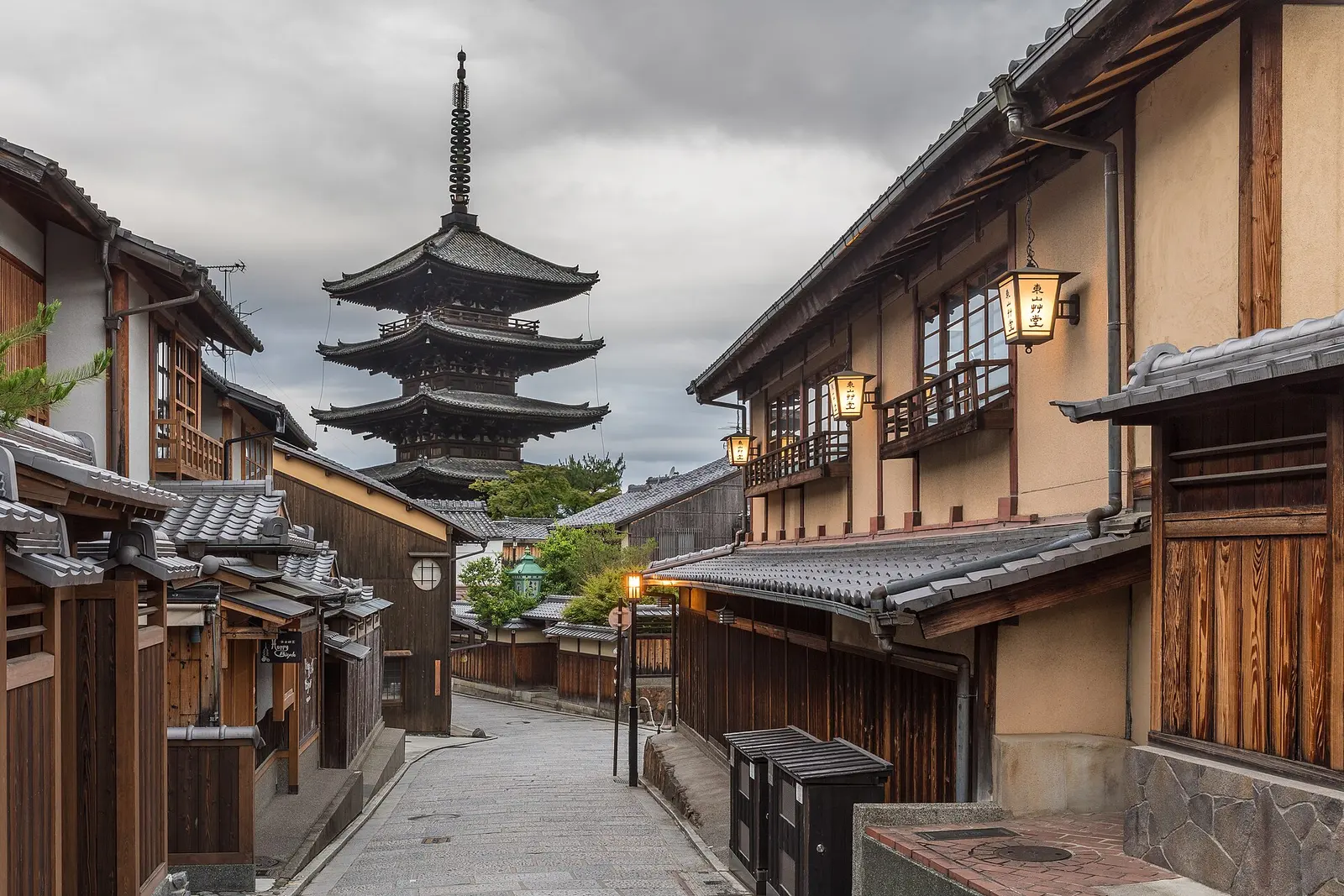
Higashiyama is the old-lane district of stone steps, tea shops and wooden storefronts that leads up to Kiyomizu-dera. Before 9am on a weekday it is a different street, writers say. In peak weeks the five-minute walk between Kiyomizu-dera and the main road can take 30 to 40 minutes, and one traveler judged the lanes too packed for a stroll.
Gion is the geisha district. Hanamikoji Street is public, but private lanes now carry signs restricting entry, and local rules restrict photographing geisha in parts of the district. Early evening is atmospheric, yet reports describe pressure on residents and a firm line on behavior.
Staying in or near Higashiyama is pricier but lets you walk the lanes at dawn, which many travelers rank as the best use of the neighborhood.
The bamboo grove is the most concentrated pinch point in the city. The path is narrow, and travelers say it is shoulder to shoulder from about 9am. Before 8am it can be walked in under 20 minutes.
Several writers skip the grove at peak hours and walk to Adashino Nenbutsu-ji, which has its own bamboo path and thousands of stone statues with a fraction of the crowd.
Arashiyama pairs well with the river and a slow lunch, and works best as a morning, leaving the afternoon for the center or another part of the city.
Kyoto eating mixes tofu, pickles, tea sweets, kaiseki and ramen counters. One couple who came twice found eating out harder than in Tokyo, with small restaurants and queues, so booking ahead and eating at off-peak hours helps.
Nishiki Market divides opinion. One itinerary writer enjoyed grazing the stalls, while a 2026 critique calls it a possible tourist trap that has drifted toward wagyu skewers and photo snacks at 500 to 1,500 yen (about EUR 2.80 to 8.50) a piece, with locals largely gone from the aisle. Signs ask visitors to eat at the stall where they bought rather than walking and eating in the narrow arcade.
The practical advice is to go before 10am or after 3pm, buy knives, pickles, tamagoyaki or yuba, and have a real meal in a side street or near Pontocho in the evening.
Kyoto sprawls, and top sights sit far apart. Reports say buses are the weak link in autumn, with the city testing alternatives such as a trial loop bus from Keihan Sanjo that avoids Kyoto Station. The subway has only two lines, so trains such as Keihan, Hankyu and the JR lines fill gaps.
Writers recommend grouping sights by area and starting early. The city's daily five-level crowding forecast for major districts is cited as a tool to decide whether to head for Arashiyama or somewhere quieter.
Plan two fixed sights a day and leave a slot open for weather or tiredness. Nara is about half an hour away by train and makes an easy day trip.
Families report that Kyoto works well with kids when the plan is built around outdoor temples, gardens and hikes. A five-year-old was delighted by the stone faces at Otagi Nenbutsu-ji, and another family hiked Fushimi Inari with a baby and found the crowd thinned past the Yotsutsuji intersection.
Couples looking for calm do best in winter or at dawn. Winter reports describe a quieter city with clean light and cold mornings, and early starts give the temple lanes back to walkers.
Young groups looking for nightlife may find it thin. Budget travelers should note that hotel prices rise sharply in foliage week and that the lodging tax rises with the room rate.
The pitfalls
Fushimi Inari, the bamboo grove and Kiyomizu-dera are the pinch points. Reports say the bamboo path and the lower torii gates are crowded from about 9am to late afternoon, and that early morning or after dark is far calmer.
Travel guides say mid-November crowds are heavy, and one blogger called spring crowds around Higashiyama out of control. Peak-week hotel rates also jump, with one guide putting a central business hotel at 30,000 to 50,000 yen (about EUR 169 to 282) against 12,000 to 18,000 yen (about EUR 68 to 102) in a normal week.
Many top temples have no train or subway stop, so buses reach capacity in autumn. Trial services such as a loop bus from Keihan Sanjo were tested, but travelers should not assume special buses run in other seasons.
Private lanes in Gion now carry signs restricting entry, and local rules restrict photographing geisha in parts of the district. Stay on public Hanamikoji Street, follow the signs, and do not stop or photograph geiko and maiko on the street.
Reports describe stalls aimed at visitors, with skewers at 500 to 1,500 yen (about EUR 2.80 to 8.50). Eating while walking is officially discouraged, so buy at a stall and eat there, or go early for pickles and tamagoyaki and have a proper meal elsewhere.
Kyoto City charges a per person per night accommodation tax that changed on 1 March 2026. As the city states it, 200 yen (about EUR 1.13) applies under 6,000 yen, 400 yen to 19,999, 1,000 yen to 49,999, 4,000 yen to 99,999 and 10,000 yen (about EUR 56) from 100,000 yen. Online room rates may not show it, so check the final total.
When to go
Best time
October
One season guide calls October a compromise month, with moderate crowds and mostly sunny, mild weather, though crowds rise toward late October and early November.
Peak season
Early April, and mid-November to early December
Cherry blossom weeks and the foliage peak bring the heaviest crowds, long lines at temples and the highest hotel rates. Mid-November crowds are heavy across the city.
Off season
January to mid-March, outside the New Year closures
Travelers describe the calmest stretch of the year, cold mornings and short days, with room to breathe at major temples. Snow in central Kyoto is occasional.
January to mid-March is the quietest stretch, and October is a compromise month with moderate crowds and mild weather. Reports warn that early April and mid-November to early December are very crowded, and hotels reach peak rates in both seasons.
Getting there and around
| Airport | Distance | To the centre | How |
|---|---|---|---|
| KIX Kansai International Airport | 75 km | about 80 min | The Haruka limited express runs from the airport to Kyoto Station in about 80 minutes per the city tourism association. JR West lists a discounted one-way Haruka ticket at 2,700 yen adult from the airport to Kyoto for tickets sold on or after 1 November 2026 (about EUR 15.27 at the 2026-11-13 ECB rate of 176.83 yen per euro). It is sold only to foreign passport holders entering as temporary visitors; the ordinary walk-up fare is higher. The Tokyo to Kyoto bullet train takes about 130 minutes if you arrive at Tokyo instead. (source, checked Nov 2026) |
| ITM Osaka Itami Airport | 50 km | about 55 min | An airport limousine bus run by Osaka Airport Transport reaches Kyoto Station Hachijo exit in about 50 to 55 minutes. Check the current fare with Osaka Airport Transport before you travel. (source, checked Nov 2026) |
Kyoto has no airport, so most visitors arrive by bullet train or from the Osaka airports. The Tokyo to Kyoto bullet train takes about 130 minutes on the fastest service per the city tourism association. City buses run a flat 230 yen adult fare in the central zone (about EUR 1.30), but many top temples have no rail stop and buses fill at peak hours. Pair the subway, the Keihan and Hankyu lines and short walks.
Where to stay
We earn a commission if you book through our links. It never changes a verdict. How this works
High-end stays whose guests report the setting and service earn the rate.
Forest-garden resort of about 26 rooms in the northern hills of Kita ward, away from the crowds. Guests praise the quiet and the hot spring bathing, and note the long ride into town.
Kitayama, north Kyoto
Search Expedia for this hotelpartner siteFive-star hotel of about 134 rooms on the Kamogawa river at Nijo-Ohashi, with a spa. Guests rate it very highly for service and the calm riverside setting a walk from the downtown streets.
Kamogawa riverside, central
Search Expedia for this hotelpartner siteFive-star hotel near Kodai-ji and Yasaka Pagoda with a garden, cafe and spa. The location lets guests walk the old lanes before the day crowds arrive, and they rate service and rooms highly.
Higashiyama, near Kodai-ji
Search Expedia for this hotelpartner siteFive-star hotel beside Nijo Castle with a spa and hot spring bath. Guests like the quieter, walkable setting away from the Higashiyama crush.
Nijo Castle area
Search Expedia for this hotelpartner siteThe comfortable middle: well placed, well run, priced for a normal trip.
Three-star business-style hotel near Kyoto Tower with a rooftop natural hot spring and daily breakfast. Guests give it high scores for cleanliness, the bath and an easy rail base for day trips.
Kyoto Station area
Search Expedia for this hotelpartner siteFour-star hotel near Kawaramachi Street and Pontocho Alley with a bar and gym. Guests like the central position for evening walks and food streets, and the dependable rooms.
Sanjo and Kawaramachi
Search Expedia for this hotelpartner siteDesign-led hotel in the Karasuma Oike district with subway access and downtown dining on the doorstep. Guests use it as a useful central base that is less touristy than Gion.
Karasuma Oike
Search Expedia for this hotelpartner sitePlayful city hotel run by a Japanese resort group, close to central Gion and Yasaka Shrine. Guests like the walkable position for the old lanes and the neighborhood guides at the front desk.
Gion
Search Expedia for this hotelpartner siteCheaper beds that travelers still rate well for location and cleanliness.
Hostel with private rooms and dorms on Kawaramachi, between Shijo and Gojo streets. Guests point to the central spot and the social lounge as the draw for budget travelers.
Kawaramachi, between Shijo and Gojo
Search Expedia for this hotelpartner siteChain business hotel with compact private rooms near Gojo Station on the Karasuma subway line. Guides list it among the cheapest business hotels in the city.
Gojo and Karasuma
Search Expedia for this hotelpartner siteBusiness-style hotel on the south side of Kyoto Station with single-use private rooms and no breakfast. Budget guides list it for rail access to Nara, Osaka and the airport trains.
South of Kyoto Station
Search Expedia for this hotelpartner siteAdults-only hostel with dorms and private rooms with shared bathrooms. Listings put it about a 10 minute walk from Kyoto Station and close to Toji, handy for rail day trips.
Minami ward, near Kyoto Station and Toji
Search Expedia for this hotelpartner siteQuestions
Three days covers the headline temples, Higashiyama, Arashiyama and Fushimi Inari at a relaxed pace. Four or five days let you add Nara or a day on quieter temples, which travelers say helps avoid temple burnout.
Yes at the famous sights, especially from about 9am. January to mid-March is the quietest stretch, while early April and mid-November to early December are the busiest. Early mornings are calmer all year at Fushimi Inari and the bamboo grove.
Kyoto has no airport. Kansai International is the usual choice, with the Haruka train reaching Kyoto Station in about 80 minutes, and Osaka Itami is a bus ride of about 55 minutes. Many travelers arrive from Tokyo by bullet train in about 130 minutes.
Reports say yes, when the plan uses outdoor temples, gardens and hikes. Families describe kids enjoying the stone faces at Otagi Nenbutsu-ji and the Fushimi Inari climb, though early starts help beat the crowds.
Yes. Kyoto City charges a per person per night accommodation tax, which changed on 1 March 2026 to range from 200 yen (about EUR 1.13) under 6,000 yen up to 10,000 yen (about EUR 56) at 100,000 yen or more. Check whether your booking total includes it.
How this guide was written. We read 19 traveler reports about Kyoto published between Feb 2025 and Nov 2026, 3 of them mainly negative, and checked the facts against official sources in Nov 2026. Nobody on the team claims a visit; hotel picks are chosen from what guests report, never from what they pay us. How we judge.
Our first Kyoto verdicts are on the way.
Plan your Kyoto trip
Where to stay
12 hotel picksLuxury, mid-range and budget, cross-checked against traveler reports
Getting there
Airports near KyotoDistances, transfer times and the options that work
Keep exploring
Gear verdicts from our sister site, Real Buyer Experiences: