Guests praise the service and the White House views. It sits on Lafayette Square a short walk from the Mall and Metro Center.
Lafayette Square, across from the White House
Search Expedia for this hotelpartner siteCity guide / United States
Washington, D.C. pairs the National Mall's monuments with free Smithsonian museums, so a few days here can cost less than most big US cities.
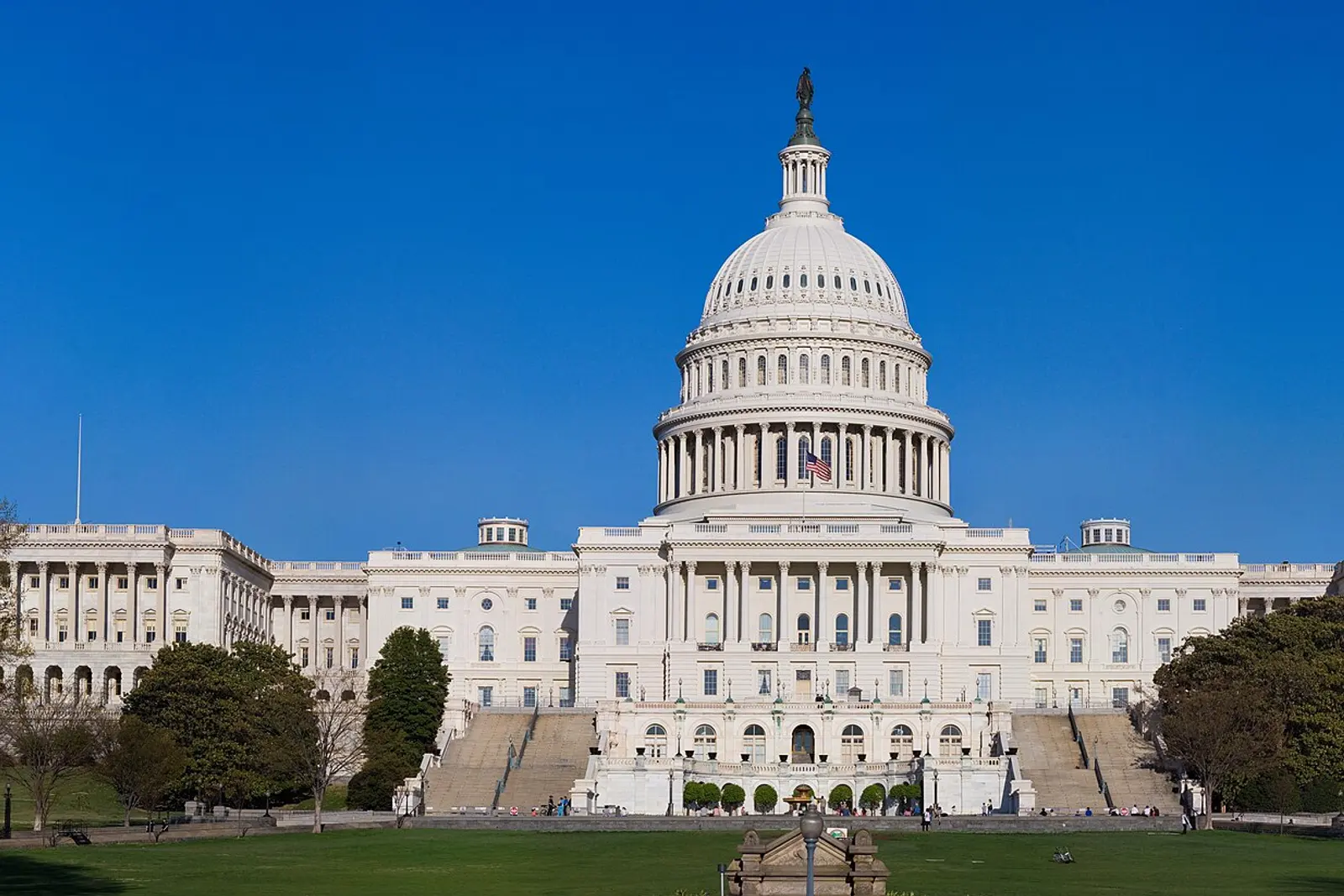
The review
Free museums, 24-hour monuments and an easy Metro make DC one of the best-value big-city trips, if you plan the tickets and the walking.
Washington is worth it for first-time US visitors, history fans and families, because the headline sights cost nothing. The Smithsonian museums are free, the monuments stay open around the clock, and a Capitol tour is free too. Travelers who report back say a trip here costs far less in attractions than New York or Orlando; the money goes to the hotel and to food.
The hard truth is distance and logistics. The Mall is about two miles of open ground with little shade, and writers describe aching feet after day one. Several of the best sites are free but gated: the Washington Monument, Air and Space, the African American history museum and the White House all need advance planning. The area around the Mall is also thin on good food, and summer heat and spring blossom crowds are real.
The fix is simple. Sleep within a short walk of a Metro station, book the timed tickets the day they release, pace two or three museums a day, and see the monuments in the early morning or at night. Go in autumn or winter if you can; reports for September to early November and for December describe manageable crowds.
The long read
The core of Washington is a long green rectangle between the Capitol and the Lincoln Memorial, lined with the Smithsonian museums. Travelers describe the monument loop as the best first morning: the Washington Monument, the World War II Memorial, the Lincoln Memorial, the Korean War and Vietnam memorials and the Tidal Basin take about three hours at a family pace. Writers rate the Lincoln Memorial and the Korean War Veterans Memorial highest, and one repeat visitor calls the Lincoln steps at sunset the quiet version of the city.
Which museums to prioritize depends on who is traveling. Air and Space is the favorite for children under 10 and needs a free timed-entry pass for every visitor. Natural History needs no pass and is busiest by noon, so go early. American History works for ages 10 and up, with the Star-Spangled Banner as the anchor. The African American history museum is described as the most powerful in the city and also needs a free pass. Budget about two to three hours each and stop at two or three a day.
Be ready for logistics. Bag checks slow every entrance, the White House admits no bags at all, and eating on the Mall means fast food and concession stands unless you plan lunch at a museum cafe. Several 2026 trip reports mention that construction fencing around the White House blocks the view, so do not build a morning around that photograph.
The Washington Monument is free but ticketed. Advance tickets release daily at 10 a.m. Eastern, 30 days ahead, with a $1 service charge (about EUR 0.91) per ticket; a limited number of free same-day tickets go from the Lodge window from 8:45 a.m. and usually run out. The monument also closes one day in the first week of each month for maintenance, and in high winds or storms tickets for affected times are voided.
The White House tour is free and is requested through your Member of Congress, or through your embassy if you are from abroad, between 7 and 90 days ahead. Tour hours are mornings Tuesday to Thursday and Friday and Saturday until 1:30 p.m., and schedules can change with little notice. The Capitol Visitor Center is open Monday to Saturday, 8:30 a.m. to 4:30 p.m., and tours are free and best reserved online; a writer who arranged a tour through a senator's office describes it as small and unhurried, while walk-ins report a less satisfying visit.
Air and Space passes are free, can be reserved for up to nine people, and the museum is open 10 a.m. to 5:30 p.m. The African American history museum releases advance passes 30 days ahead on a rolling basis and posts same-day passes online by 8:15 a.m. Eastern; passes let you enter until 4 p.m. These rules change, so check the official pages the week before you fly.
Downtown and Penn Quarter put you closest to the Mall, the Portrait Gallery and Metro hubs at Gallery Place and Metro Center, and they are the most common pick for first-timers. They are also among the pricier areas, and spring rates climb. Capitol Hill is quieter and residential, with Eastern Market, the Library of Congress and the Supreme Court close by, and it suits families and travelers without a car.
Dupont Circle has the best restaurant variety and a more local feel, with the Red Line for the Mall; one traveler reports a Sunday night there was quiet, so check where to eat before you book. Georgetown is the prettiest and the most upscale, but it has no Metro station, and one family says it went quiet after dark. Treat it as a day trip or a base only if you are happy with buses and rideshares.
Arlington and Crystal City across the Potomac are the value play. Writers report saving more than $100 a night by staying two Metro stops from the Mall, and the Blue Line also reaches Arlington National Cemetery. The rule that repeats in the reports is to stay within a five-minute walk of a station rather than chase a better address that needs a rideshare every morning.
The memorials on the Mall are open 24 hours, and several writers recommend an evening walk once the tour buses leave. The Lincoln Memorial is lit all night, and the view back along the Reflecting Pool is a favorite. The whole western loop from the World War II Memorial to the Jefferson is about three to four miles, so many travelers split it across two evenings or take a bike.
Families report that the monuments feel calmer after dinner, and one reviewer describes walking late at night in the city and feeling safe. As in any capital, stay on lit paths, keep valuables out of sight and check the walking distance before you set out.
Arlington National Cemetery is a short ride on the Blue Line to the Arlington Cemetery station. The Changing of the Guard at the Tomb of the Unknown Soldier runs every hour on the hour from October 1 to March 31, and every half hour from April 1 to September 30. The grounds are hilly and quiet, and funerals take priority, so stay respectful and step aside for processions.
Mount Vernon sits about 15 miles south of the city. Adult admission is $30 (about EUR 27.30) according to the estate, the mansion is a timed guided tour, and a $2 fee applies to each mansion tour reservation. Metro plus bus takes noticeably longer than driving, so many travelers go by car or tour. A writer based nearby also suggests Annapolis and Old Town Alexandria, noting that the regional commuter trains mainly run on weekdays in rush-hour directions, so car-free day trips only work on certain lines.
Spring is the busiest time. The 2026 peak bloom was declared on March 26, and reports describe the Tidal Basin as crowded even on weekday afternoons, with parking near it costing $48 or more in one family report. Go at sunrise, take Metro to the Smithsonian station and walk, or try quieter blossoms at the Arboretum or East Potomac Park. The Tidal Basin had flooding, damaged walkways and fencing in 2026.
Summer brings heat and humidity. News reports warned of a heat index above 105 degrees around July 4, 2026, and the national parade was canceled due to heat. The 250th anniversary programs put fencing and temporary structures along the Mall from June, which lengthened walks between museums; by autumn the closures were reported easing.
Fall and winter are the sweet spot for most travelers. Reports from late September to early November describe milder weather and thinner crowds, and a family that came at Christmas found the city manageable. Museums are open every day except December 25, and the monuments never close.
The pitfalls
Advance tickets release at 10 a.m. Eastern, 30 days before your date, and are gone within minutes in spring. A writer who skipped booking reports standing in a two-hour line for nothing; the walk-up window opens at 8:45 a.m. and supplies run out.
The walk from the Capitol to the Lincoln Memorial is about two miles with almost no shade. Writers logged 21,000 to 25,000 steps in a day, and one reports aching feet after the first day, so wear broken-in shoes and plan breaks.
Several reports say a cheap room far from a station costs time and rideshare money every morning. The advice is to stay within about five minutes of a Metro stop, or two stops away in Arlington or Crystal City for lower rates.
Air and Space and the African American history museum need free timed passes, and the White House allows no bags at all. A traveler also reports spending time in bag checks at almost every site, so travel light and book passes ahead.
A July 2026 news report warned of a heat index above 105 degrees, and the Mall was fenced for summer events from June 10. Visit outdoor sights early or at night and keep museum stops for midday.
At peak bloom the Tidal Basin stays crowded even on weekday afternoons, traffic is heavy and garages near it charge more. Arrive at sunrise and take Metro instead of driving.
A March 2026 forum report found much of one art museum's collection and several galleries at the National Gallery closed, and on August 6, 2026 a cooling-plant outage closed seven Smithsonian buildings on the south side of the Mall, with reopening staged over the following days. Check each museum's website for closed galleries before you go.
When to go
Best time
Late September to early November
Milder weather and thinner crowds are reported, and the heavy Mall closures of summer 2026 were easing by autumn.
Peak season
Late March to mid April and July
Cherry blossom crowds fill the Tidal Basin in spring, and July brings heat and humidity plus holiday crowds.
Shoulder season
May to June and October
Warm days with school groups in May and early summer heat; October is the easier month.
Off season
December to February
Cold days and the lowest crowds; a family at Christmastime described the city as manageable, and museums are open daily except December 25.
Late September to early November gives mild weather and thinner crowds, and reports describe the Mall easing after the summer 2026 events. Late March to mid April brings the cherry blossoms and the heaviest crowds. July is hot, humid and busy; December is quiet and good for museums.
Getting there and around
| Airport | Distance | To the centre | How |
|---|---|---|---|
| DCA Ronald Reagan Washington National Airport | 6 km | about 20 min | Roughly 6 km by road (approximate, not an official figure). An elevated Metro station connects to the concourse of Terminals B and C, with a short walk from Terminal A; Blue and Yellow Line trains reach the Mall in about 20 minutes according to a 2026 family report. Weekday rail fares run $2.25 to $6.75 (about EUR 2.05 to EUR 6.14) by distance, and evenings and weekends $2.25 to $2.50. Taxis use meters at the terminal stands and rideshare pickups are marked on the curbs. (source, checked Nov 2026) |
| IAD Washington Dulles International Airport | 42 km | about 60 min | Roughly 42 km by road (approximate, not an official figure). The Silver Line station is about 600 feet from the main terminal, a walk of roughly 5 minutes. The airport says the ride to Rosslyn takes about 50 to 55 minutes and that a weekday trip to Metro Center is $6.75 (about EUR 6.14). Trains run Monday to Thursday 5 a.m. to midnight, Friday 5 a.m. to 2 a.m., Saturday 6 a.m. to 2 a.m., Sunday 6 a.m. to midnight. Washington Flyer taxis serve the airport 24 hours. (source, checked Nov 2026) |
| BWI Baltimore/Washington International Thurgood Marshall Airport | 50 km | about 45 min | Roughly 50 km by road to Union Station (approximate, not an official figure). A free shuttle every 10 to 15 minutes runs to the rail station, then Amtrak takes about 30 minutes and MARC about 35 minutes to Union Station, where the Red Line is inside the station. The airport lists taxis and rideshare at about 45 minutes; it publishes no fares. A traveler reported a 75 minute Uber in February 2025 for $68 (about EUR 61.88) plus tip. (source, checked Nov 2026) |
Metrorail is the backbone: weekday fares run $2.25 to $6.75 (about EUR 2.05 to EUR 6.14) by distance, and evenings and weekends run $2.25 to $2.50. Metrobus is $2.25 (about EUR 2.05). A new SmarTrip card carries a $2 fee (about EUR 1.82), or you can tap a contactless card or phone. The DC Circulator ended on December 31, 2024, so there is no Mall bus loop. Georgetown has no Metro station, so plan a bus or rideshare there. Rates converted at the ECB rate of 1 EUR = 1.0989 USD on 2026-11-17.
Where to stay
We earn a commission if you book through our links. It never changes a verdict. How this works
High-end stays whose guests report the setting and service earn the rate.
Guests praise the service and the White House views. It sits on Lafayette Square a short walk from the Mall and Metro Center.
Lafayette Square, across from the White House
Search Expedia for this hotelpartner siteRated among the top city hotels by guests and ranking lists for service and a classic townhouse feel. It sits between downtown and Dupont.
16th Street NW, between Downtown and Dupont Circle
Search Expedia for this hotelpartner siteGuests call it intimate and boutique for the brand, with a canal-side Georgetown location. It has no Metro station, so plan buses or rideshare.
Georgetown, on the canal
Search Expedia for this hotelpartner siteA historic grand hotel near the White House and the Mall that travel writers pick as the romantic option, with Metro Center close.
Pennsylvania Avenue, Penn Quarter
Search Expedia for this hotelpartner siteThe comfortable middle: well placed, well run, priced for a normal trip.
A boutique stay in the former General Post Office building, close to Gallery Place and the Mall.
Penn Quarter, across from the National Portrait Gallery
Search Expedia for this hotelpartner siteA forum traveler stayed here in 2026 and found the Metro from Union Station easy; it has a tea room and sits in the Dupont dining area.
Dupont Circle and Embassy Row
Search Expedia for this hotelpartner siteSet in a former church in Adams Morgan and placed in the mid-range band by two 2026 hotel roundups, with Dupont Circle and Woodley Park stations a walk away.
Adams Morgan
Search Expedia for this hotelpartner siteRated about 9.0 from roughly 1,450 guest reviews on one aggregator, with the Rosslyn Metro about five minutes into Washington.
Rosslyn, Arlington, Virginia
Search Expedia for this hotelpartner siteCheaper beds that travelers still rate well for location and cleanliness.
A micro hotel with small rooms by design; guests rate cleanliness, staff and the five minute walk to Foggy Bottom Metro highly.
Foggy Bottom
Search Expedia for this hotelpartner siteCompact, clean rooms with friendly staff and a central spot opposite Gallery Place; guests mention the small size.
Penn Quarter, across from Gallery Place Metro
Search Expedia for this hotelpartner siteApartment style suites with kitchenettes across from the Library of Congress, quieter than downtown; guests rate it around 4.5 of 5.
Capitol Hill, near the Library of Congress
Search Expedia for this hotelpartner siteA value pick that appears on several 2026 budget lists for Metro access, near NoMa Metro and Union Station; a 2026 blogger used the brand as a base for Capitol Hill.
NoMa, near Union Station and Capitol Hill
Search Expedia for this hotelpartner siteQuestions
Three days covers the Mall, the monuments, two or three Smithsonian museums and a Capitol tour. Add a fourth or fifth day for Arlington National Cemetery, Georgetown or Mount Vernon. One day only touches the highlights.
Attractions are cheap: Smithsonian museums are free, monuments are free, and the Washington Monument has a $1 service charge (about EUR 0.91). Hotels near the Mall and restaurants are the main costs, so many travelers stay near a Metro station further out.
General admission is free, but Air and Space, the National Museum of African American History and Culture and the National Zoo need free timed passes. Natural History and American History do not. Check each museum page before you go.
Reagan National is the closest and has a Metro station. Dulles has a Silver Line station but the ride is about an hour. BWI is the cheapest for some fares, but needs a shuttle and a train. Pick by your fare and your hotel.
Yes, especially from about age 8 to 12. Air and Space and Natural History work at every age, and the free admission lowers the cost. Plan for long walks and food stops, since the Mall has few good places to eat.
Peak bloom is usually late March to early April and was declared on March 26 in 2026. The date shifts with the weather, and the Tidal Basin is crowded then, so go at sunrise and use the Metro.
No. Metro, buses and walking cover the center, and parking is expensive near the sights. Georgetown has no Metro station, and Mount Vernon is easier by car or tour, so rent only for those day trips.
How this guide was written. We read 15 traveler reports about Washington, D.C. published between Feb 2025 and Oct 2026, 1 of them mainly negative, and checked the facts against official sources in Nov 2026. Nobody on the team claims a visit; hotel picks are chosen from what guests report, never from what they pay us. How we judge.
Our first Washington, D.C. verdicts are on the way.
Plan your Washington, D.C. trip
Where to stay
12 hotel picksLuxury, mid-range and budget, cross-checked against traveler reports
Getting there
Airports near Washington, D.C.Distances, transfer times and the options that work
Book a private transfer partner site
Keep exploring
Gear verdicts from our sister site, Real Buyer Experiences: