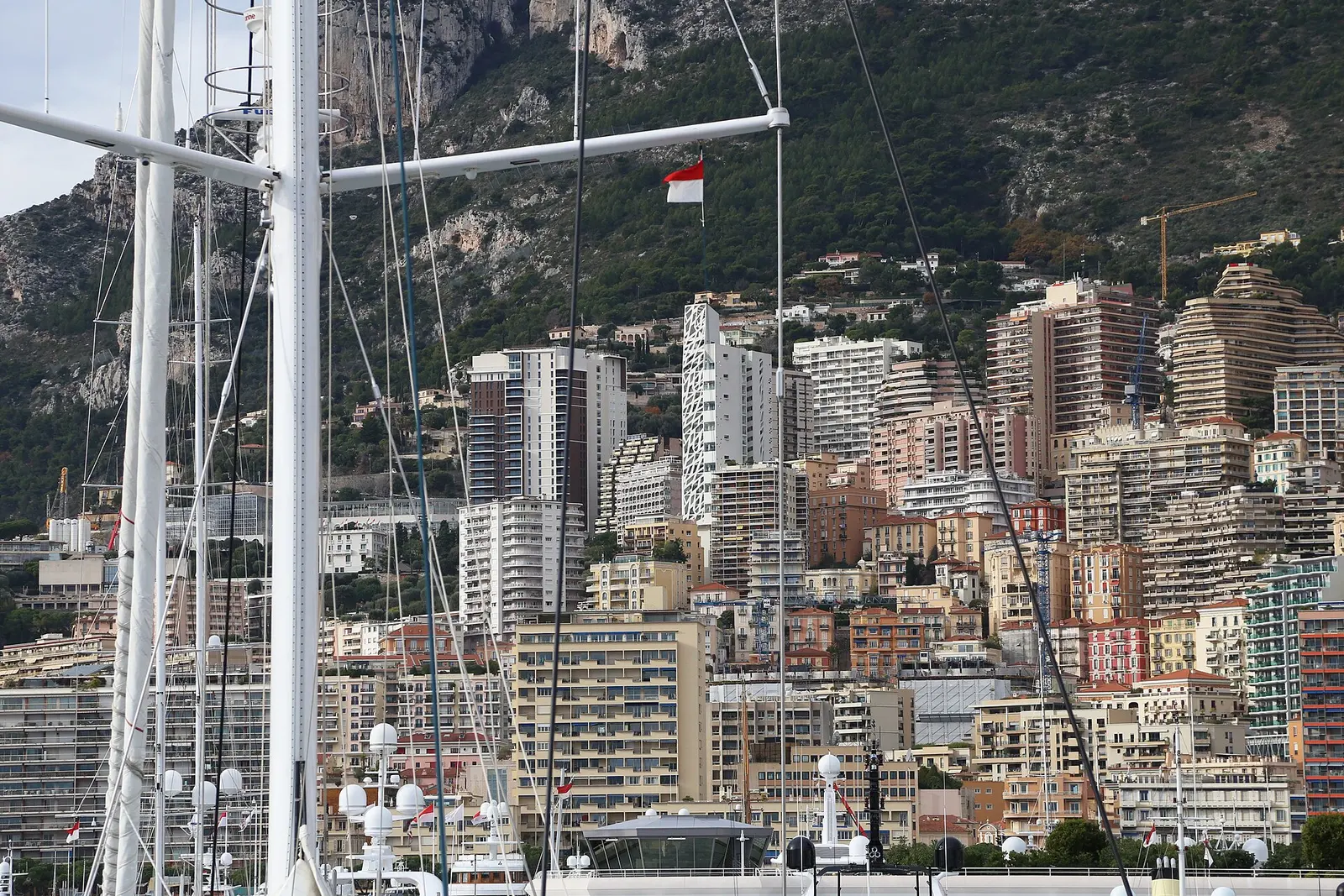
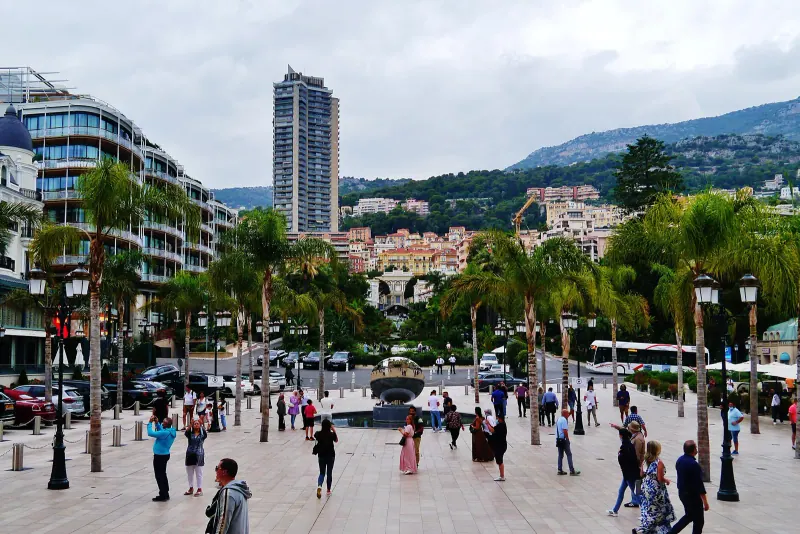
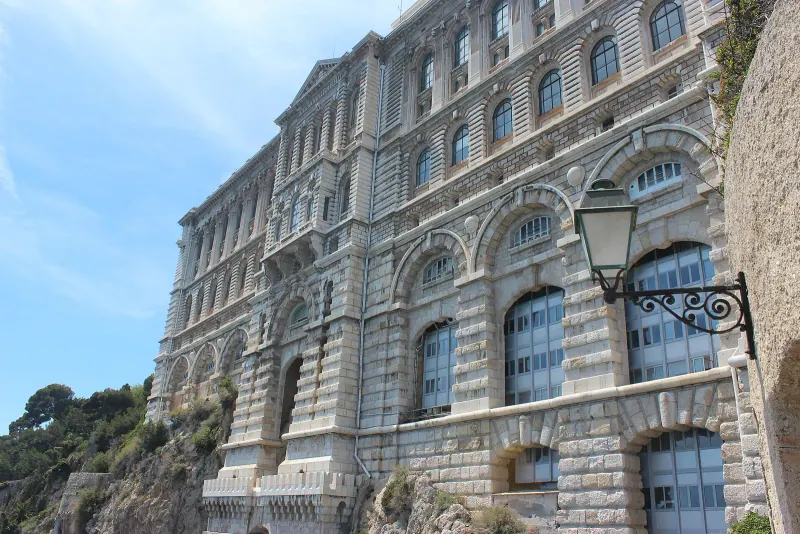
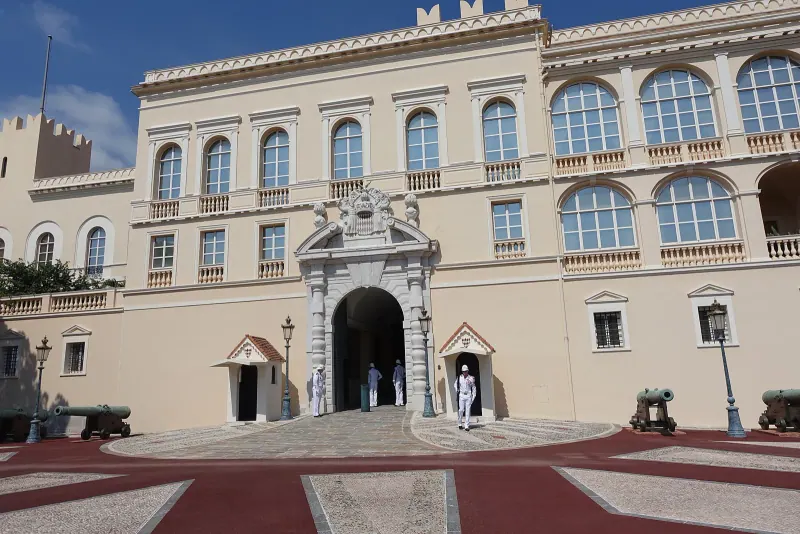
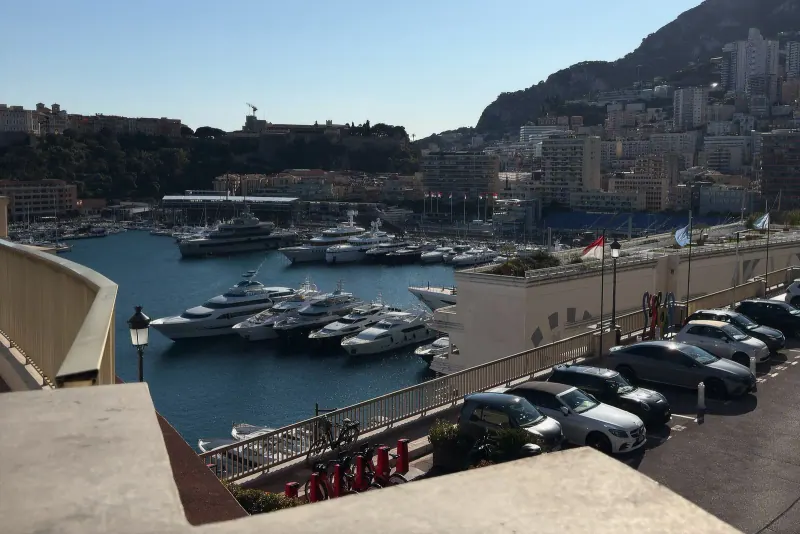
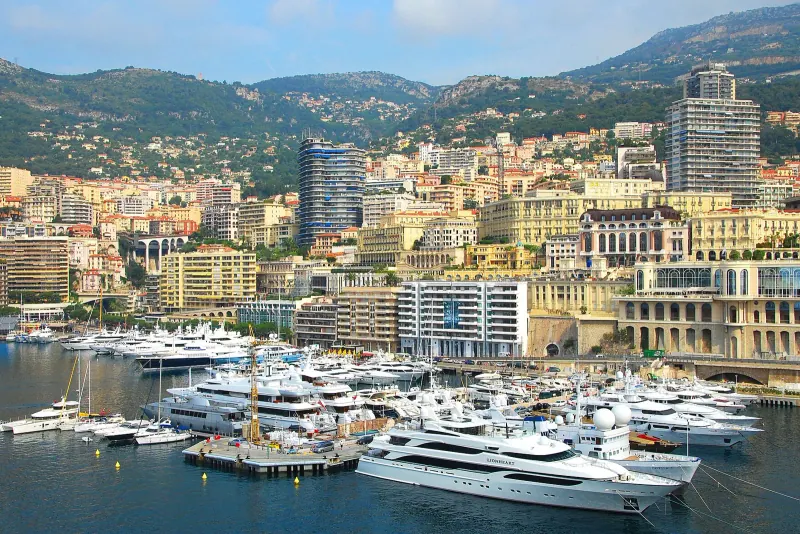
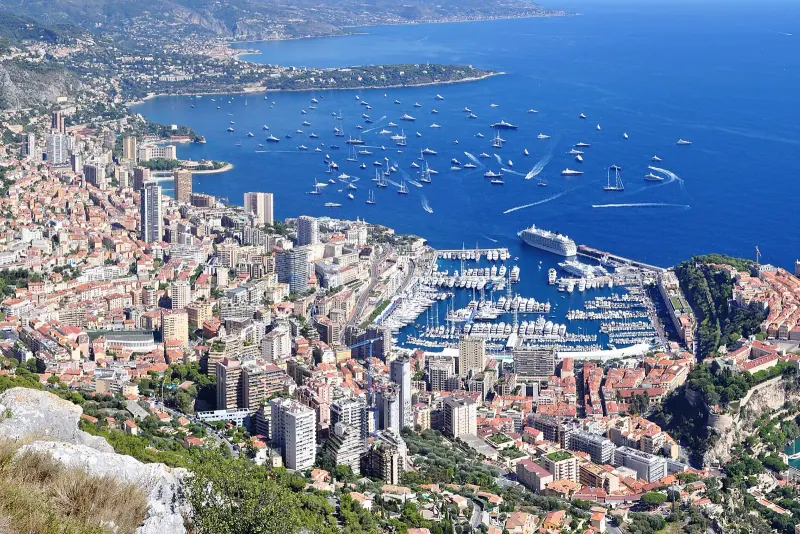
Monaco is a two-square-kilometre city-state that punches far above its size: the Monte Carlo casino square, a palace perched on the Rock, one of the world's great oceanographic museums, and a harbour stacked with yachts, all compressed into a walkable slope above the Mediterranean.
The straightforward frame is price and performance: it is expensive in a way even other Riviera towns are not, the glamour is partly a show you pay to be near, dining and hotels rank among Europe's priciest, and Larvotto's beach is narrow and mostly private. Nightlife means hotel bars and the casino rather than clubs.
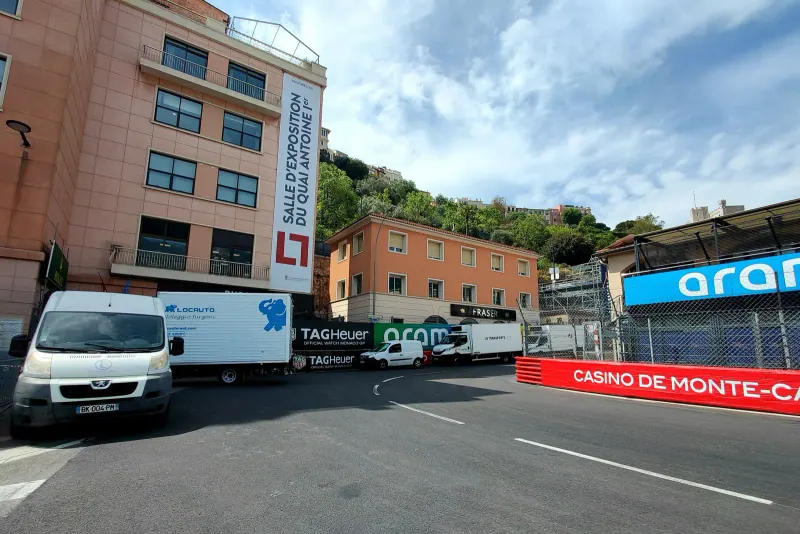
As a one-to-two-day visit it delivers real sights: the casino atrium (free to enter), the palace guard change, the Oceanographic Museum's cliff-side building, and the Grand Prix circuit you can simply walk. Most travelers are better off sleeping in Nice or Menton and day-tripping in by train, twenty minutes and a few euros; staying in Monaco itself is the splurge version, worth it once if the budget allows. Aim for April to June or September to October, and either come deliberately for the late-May Grand Prix or avoid it, when hotels triple and the principality is fenced off.
- When to go
- April to June and September to October for warm weather without peak-season prices. Late May brings the Grand Prix, when hotels triple and the principality is fenced off; either come for it deliberately or avoid it. Winter is quiet and mild but several restaurants close early.
- How long
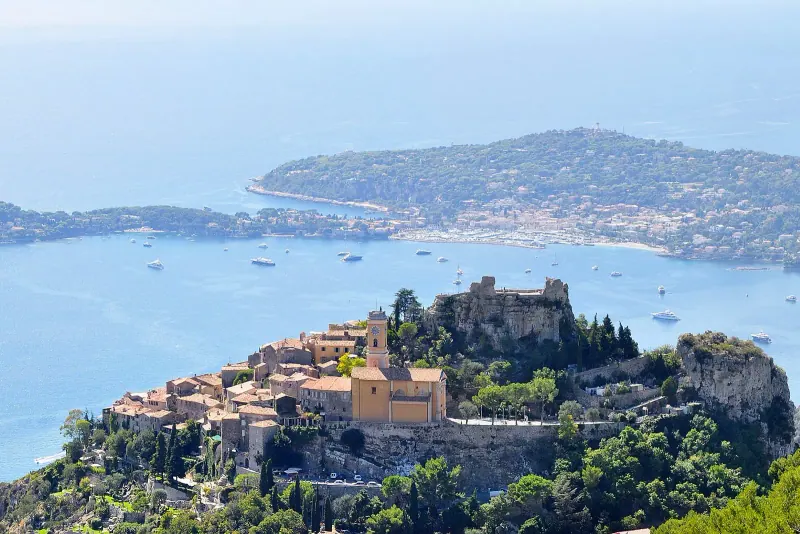
- One full day covers the Rock, the casino square and the Oceanographic Museum comfortably. Two days adds Eze village above or a harbour boat trip. It rarely needs more.
- Getting around
- There is no airport; Nice Cote d'Azur is 30km away, linked by train (about 25 minutes from Monaco-Monte-Carlo station), bus 80 or 600, or the famous 7-minute helicopter transfer. Inside Monaco, public lifts, escalators and buses cover the hills; walking the whole principality is realistic.