City guide / Spain
Valencia, verdict by verdict
Valencia is Spain's third city and its most liveable. Our verdicts cover Albufera sunset boat trip from Valencia, City of Arts and Sciences in Valencia and Oceanografic aquarium in Valencia, the airport route and where to stay.
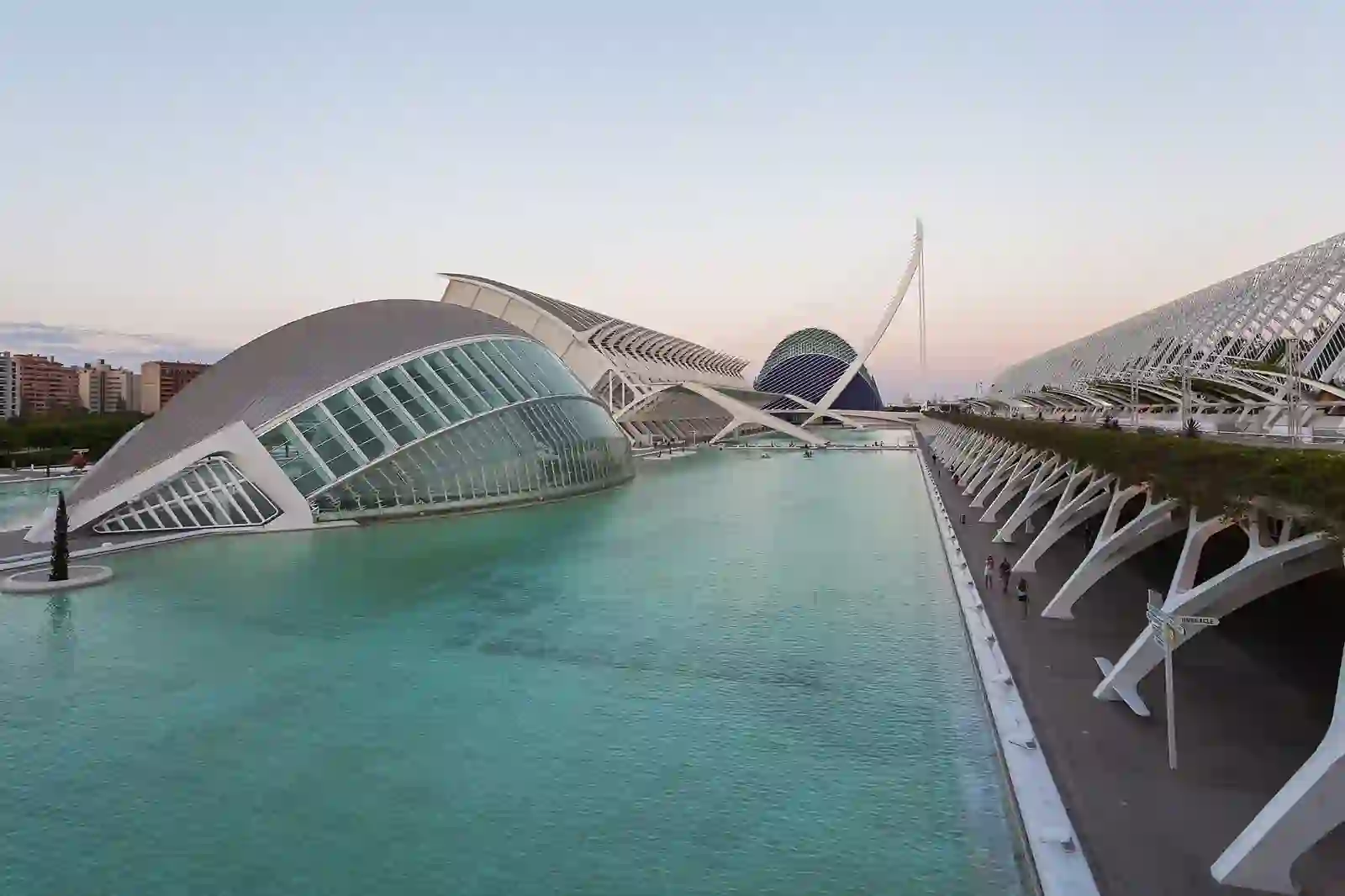
Explore the decisions
Sights and tickets
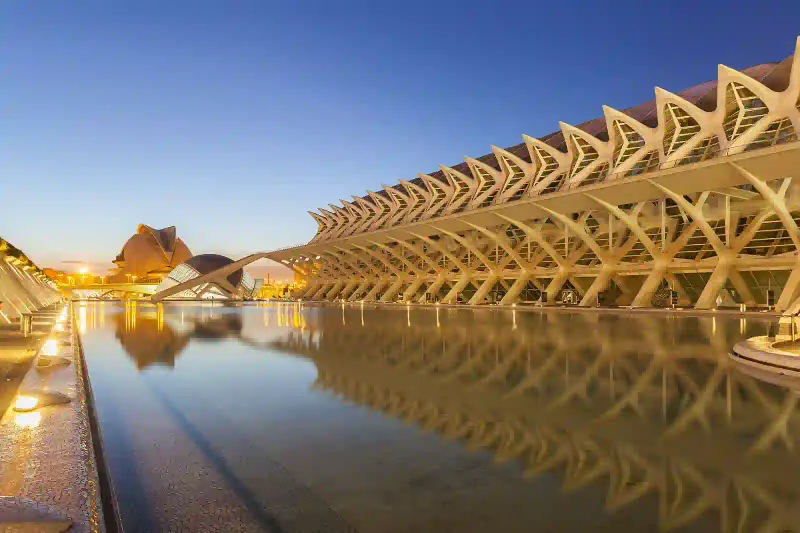 Is the City of Arts and Sciences in Valencia worth it?Go
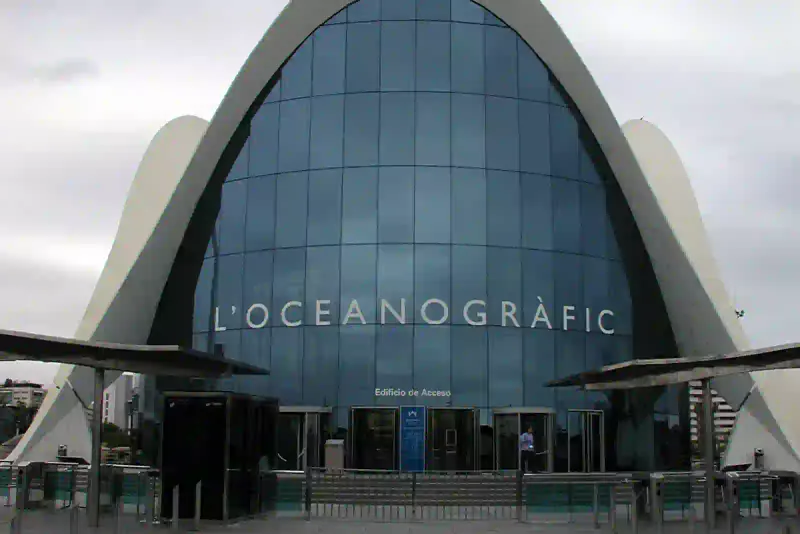 Is the Oceanografic aquarium in Valencia worth it?Go
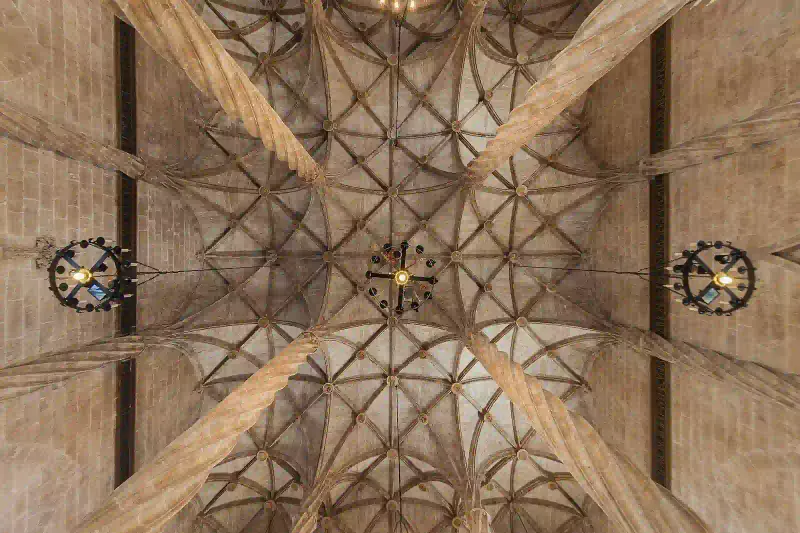 Is the Silk Exchange (La Lonja) in Valencia worth it?Go
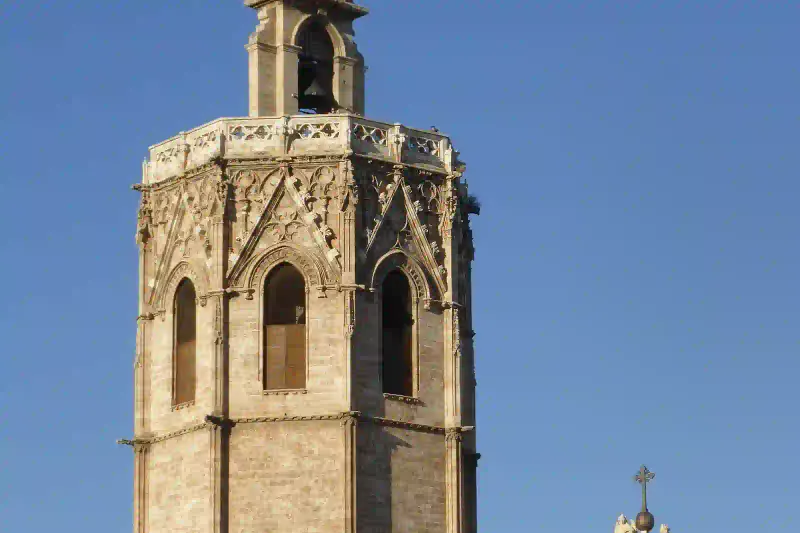 Is Valencia Cathedral and the Miguelete tower worth it?Go
Explore the decisions
Tours
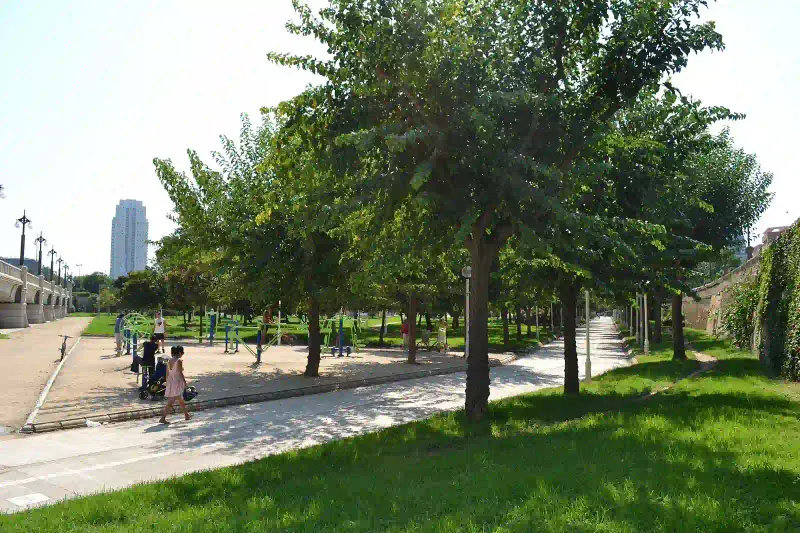 Is a bike tour of the Turia gardens in Valencia worth it?Go
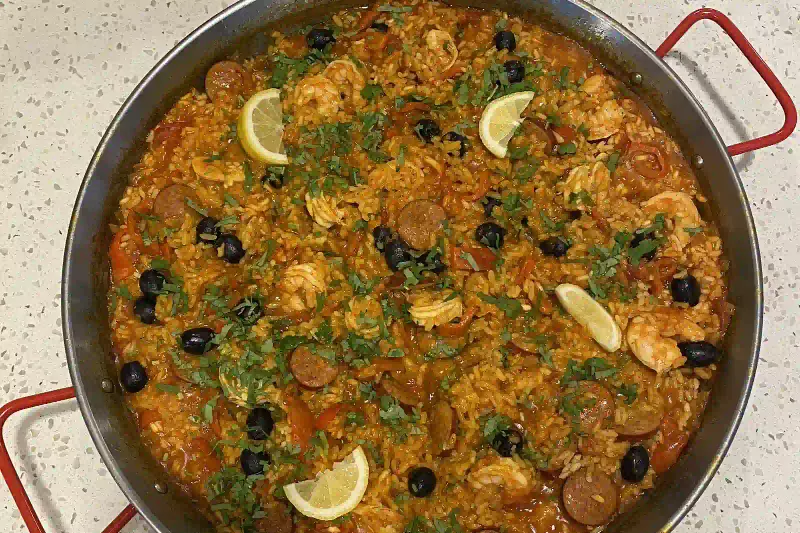 Is a paella cooking class in Valencia worth it?Go
Explore the decisions
Day trips
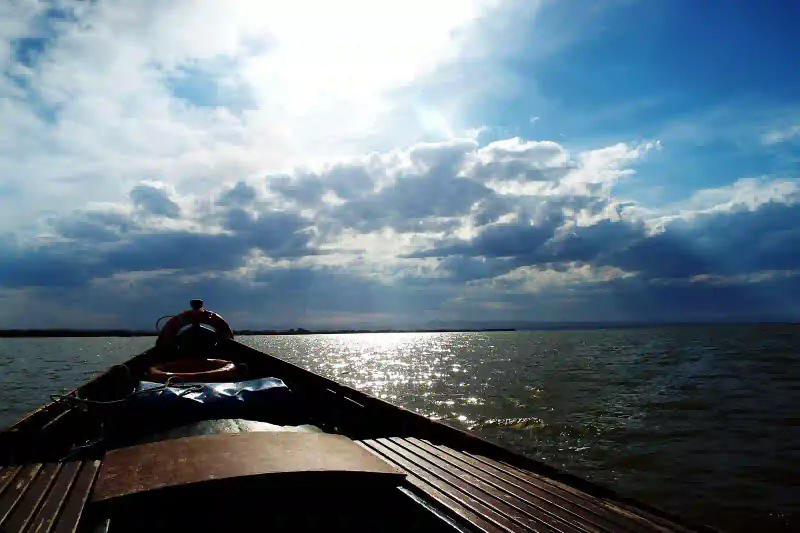 Is an Albufera sunset boat trip from Valencia worth it?Go
Explore the decisions
Big choices
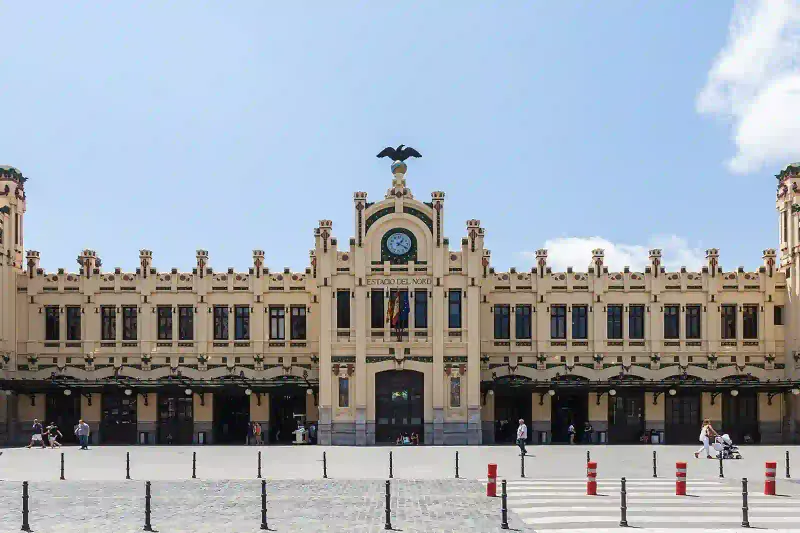 Valencia airport to the city: which way?Our pick: Metro lines 3 and 5
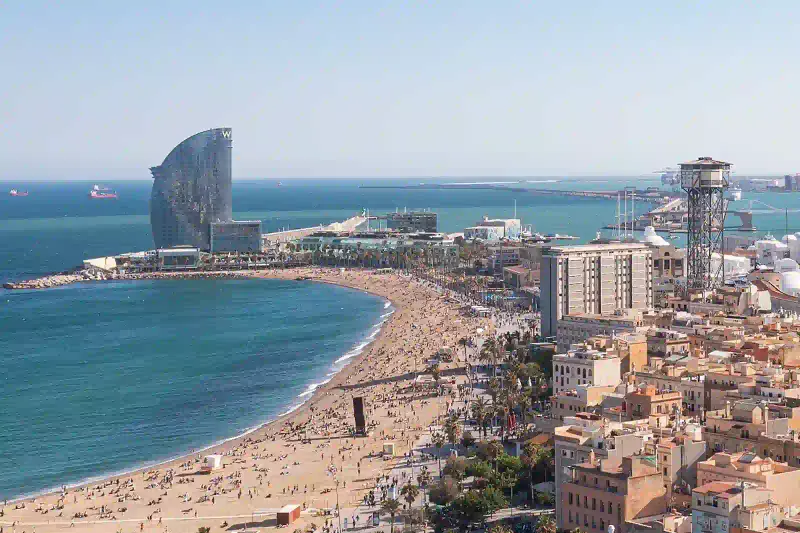 Valencia or Barcelona?Our pick: Valencia
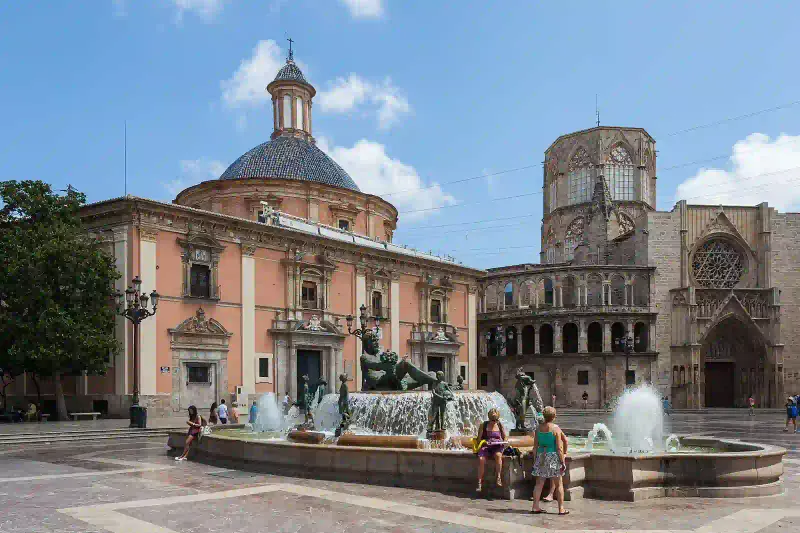 Where should you stay in Valencia?Our pick: Ciutat Vella
The review
Valencia in short
Valencia is Spain's third city and its most liveable: a flat, golden old town around the [cathedral](/valencia/valencia-cathedral/) and the Central Market, the Turia park running through the city in a former riverbed, and the [City of Arts and Sciences](/valencia/city-of-arts-and-sciences/) at its end. Add paella where it was born and city beaches by tram, and the case for skipping it gets thin.
The caveat is that it stays pleasantly low-key: there is no single world-famous monument to organize the trip around, and the beach strip is a tram ride rather than the doorstep. Summer runs humid and the beaches fill, and Fallas week in mid-March is an all-or-nothing blast of noise and crowds that takes over the city.
Two to three days covers the old town, the Turia, the museums and the [Oceanografic](/valencia/oceanografic-valencia/), with an [Albufera](/valencia/albufera-day-trip/) sunset run or a [paella cooking class](/valencia/paella-cooking-class-valencia/) filling the gaps. Bikes own the Turia park, the old town walks flat, and the metro runs from the airport in about twenty-five minutes. March to June and September to November are warm, mostly dry and lively, and it suits travelers who like real city fabric over checklist icons, paella pilgrims, and anyone who wants beach access without giving up a city break; sleep in Ciutat Vella to keep it all on foot.
Go if
- The old town, [cathedral](/valencia/valencia-cathedral/) and [Silk Exchange](/valencia/silk-exchange-la-lonja/) on foot
- Paella where it was invented, plus a [cooking class](/valencia/paella-cooking-class-valencia/) to make it
- The [City of Arts and Sciences](/valencia/city-of-arts-and-sciences/) and [Oceanografic](/valencia/oceanografic-valencia/)
- Biking the Turia park and trams to real city beaches
Skip if
- You want one iconic landmark to organize the trip around
- The beach needs to be at the door; it is a tram ride away
- Mid-March noise would be a problem; Fallas takes over the city
- When to go
- March to June and September to November: warm, mostly dry and lively. Mid-March is Fallas; July and August are hot and humid and the beaches fill.
- How long
- 2 to 3 days for Ciutat Vella, the Turia and the City of Arts and Sciences; add a beach afternoon or an [Albufera](/valencia/albufera-day-trip/) sunset run.
- Getting around
- The old town is flat and walkable, bikes own the Turia park, and metro and trams reach the beach and the museums. Metro lines 3 and 5 run from the airport in about 25 minutes (see [Valencia airport to city](/valencia/valencia-airport-to-city/)).
Where to stay
Hotels that fit this trip in Valencia
We are checking our Valencia hotel picks against live rates. Meanwhile: Search Valencia hotels on Expedia partner site
In pictures
Valencia, frame by frame
an Albufera sunset boat trip from Valencia worth itthe City of Arts and Sciences in Valencia worth itthe Oceanografic aquarium in Valencia worth ita paella cooking class in Valencia worth itthe Silk Exchange (La Lonja) in Valencia worth itValencia airport to the city: which waya bike tour of the Turia gardens in Valencia worth itValencia Cathedral and the Miguelete tower worth itKeep exploring
If Valencia works for you
Pack for it
Gear verdicts from our sister site, Real Buyer Experiences: