Guests praise the rooms, the tower views, the pool and the service, and it sits beside KLCC Park and the mall at the foot of the towers.
KLCC
Search Expedia for this hotelpartner siteCity guide / Malaysia
Kuala Lumpur is Malaysia's capital, a hot, busy city of towers, temples and some of the cheapest good food in Asia. Our guide covers who it suits, when to go, the transport, the airport and where to stay.
The review
A big, hot, affordable city where the food and temples beat the towers, if you plan around rain and traffic.
Kuala Lumpur is worth it for travelers who want a comfortable first taste of Southeast Asia: reliable trains, cheap taxis through an app, air conditioned malls to hide in, and street food that reports keep calling the real reason to come. Most written trip reports from the last two years land on three to five days as enough, and several call it a better base than a destination to linger in.
The hard truth is that it is a spread-out city built around roads. Travelers describe peak-hour jams that turn a short ride into a long one, afternoon downpours in the wet months, and a few sights that disappoint. Batu Caves gets the most mixed reports: beautiful, but crowded, with monkeys and a steep climb. Chinatown street stalls and the Jalan Alor strip are praised for atmosphere and criticized for tourist pricing and crowds.
The fix is simple. Book the Petronas Skybridge slot ahead, do Batu Caves first thing in the morning, put outdoor plans before lunch and malls after, use the rail network and the ride app instead of street taxis, and pick a base near a station. Done that way, the city is cheap, easy and a good start or end to a longer Malaysia trip.
The long read
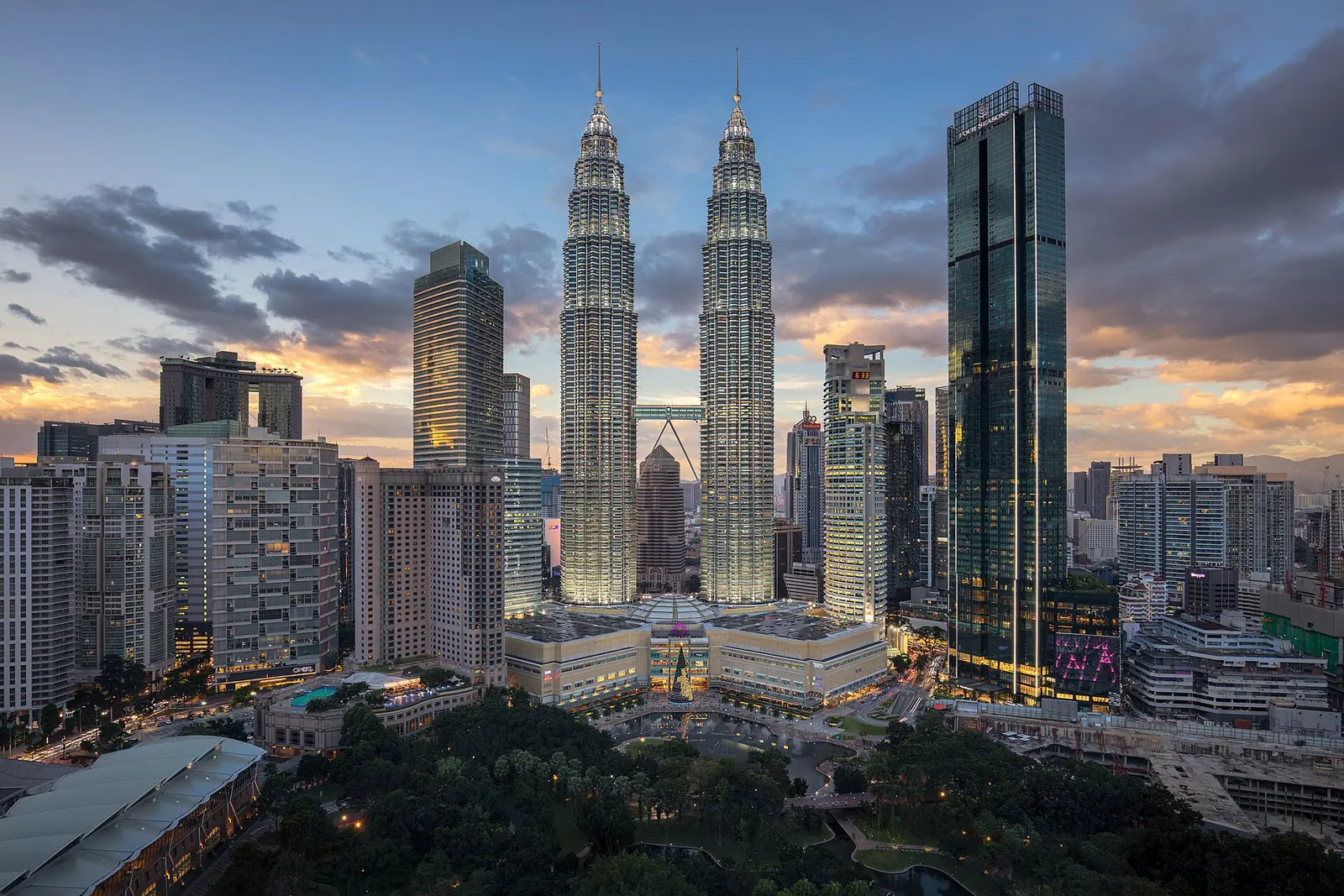
The Petronas Twin Towers are 452 meters tall and set the shape of every first impression. The official visitor page sells timed entry that includes the Skybridge, with foreign adult general admission at RM127 on a weekday and RM137 on a weekend (about EUR 28.10 and EUR 30.31), and an evening slot at RM157 and RM167 (about EUR 34.74 and EUR 36.95). Visits run Tuesday to Sunday from 9:00 to 22:30, and on Mondays the towers open only on the 2nd, 4th and 5th Monday of the month. Travelers report that slots are checked tightly: arrive 15 minutes early, expect about 10 minutes on the Skybridge, and book ahead because walk-up kiosks can run out of a given time slot.
Reports split on whether it is worth the money. A recent blogger who booked ahead found the time on the bridge enough for photos, while another traveler suggests skipping the paid deck and enjoying the view from KLCC Park, where the towers are framed by the lake and the evening fountains. KL Tower is the usual alternative for a wider, 360 degree outlook that includes the towers in the picture. We could not load the tower's own price page on the check date, so confirm its current ticket prices on the official site before you go.
A rooftop bar is the cheap way to get the skyline. Local guides name the bars atop the hotels around KLCC and Bukit Bintang for sunset drinks with the towers in view, usually for the price of a cocktail rather than a ticket. The simple plan that many itineraries share is the towers or the park by day, a rooftop drink at sunset, and the lit towers at night.
Bukit Bintang is the default for first-timers in the reports: malls, street food on Jalan Alor, monorail and MRT stations, and plenty of mid-range hotels. The trade-off is noise and traffic at night. KLCC suits travelers who want the towers on the doorstep, the park and big hotels at five-star level that guides call good value compared with other world cities, but its dining is mostly mall restaurants.
Chinatown and the Pasar Seni area suit budget travelers and anyone who wants old streets, temples, Central Market and easy rail links. Hotel prices run lower than around KLCC, and travelers praise the location for walking to the heritage core, with the caveat that the area is busier and less polished. Bangsar is leafy, café heavy and residential, and guides recommend it for longer stays, with the cost that you commute to the sights.
A practical rule from several reports: pick a hotel within a short walk of a monorail, MRT or LRT station, because the city is spread out and road traffic is slow at peak hours. For a short stay, Bukit Bintang or KLCC saves the most time.
Street food is the most frequently praised part of the city. Travelers describe Jalan Alor as KL's best known food strip, with plastic stools, satay smoke and dozens of stalls shoulder to shoulder from early evening. A backpacker with months on the road still names Chinatown as the favorite food zone, and reports point to the stalls around Petaling Street and the Little India area for a more local feel.
The complaints are consistent too. Visitors describe Jalan Alor as crowded and priced for tourists, with pushy staff at the sit-down restaurants and a service charge and tax added to the bill, so read the menu prices and total before you order. One recent traveler advises a crossbody bag and extra attention to belongings on the strip. For a cheaper and calmer meal, travelers suggest walking a block or two away from the main lane, or eating in a mall food court at lunch, where air conditioning and posted prices make it easy.
Batu Caves is the most visited day out and the most divided in reports. The giant golden statue, the rainbow stairs and the cave temple at the top are striking, and traveler reports say the main cave is free to enter and side caves charge separately, so check the current rules on arrival. A KTM Komuter train from KL Sentral reaches it in about 20 minutes, and a ride app costs a little more. The 272 steps are steep and hot, so reports advise arriving at opening time.
Timing matters because of the crowds and the monkeys. One traveler writes that at around 8:00 there were no monkeys, and by 9:00 they were everywhere, and another calls the site overcrowded and underwhelming at midday. Keep food and bags closed. Travelers and blogs commonly advise covered shoulders and knees for the cave temple and report that sarongs can be borrowed or rented at the base, so carry a light wrap and check the dress rules on arrival. The simple rule is to make it the first stop of the day and be back in the city by late morning.
Malacca is the usual first day trip. Local guides put the express bus from the main southern terminal at a little over two hours each way, with the heritage core small enough to cover on foot in six to eight hours, and the Jonker Street night market running at weekends. Travelers recommend booking the bus ahead on weekends and holidays, and the train option is described as slower once transfers are counted.
Cameron Highlands is better as an overnight than a day trip. Guides say a single day spends around six hours in a vehicle, and a recent hiker who returned after 15 years reports busy tourism, closed trails on some days and a smaller, quieter side if you stay and walk early. Genting Highlands is the family option, though one traveler found it foggy even on a good day. If time is short, one night in Malacca or two in the highlands pays back the extra travel.
Almost every recent report mentions the weather. A traveler who came in November found that it rained every day and that the plan had to be rearranged, though flights and hotels were cheaper in the low season. Another writer soaked through on a short walk back to the hotel in an afternoon storm, and the clothes took a long time to dry.
The pattern is to start outdoor sights early, move to malls, museums or a long lunch from midday, and keep a small umbrella in the bag. Guides add that haze from regional fires can affect air quality in some years between August and October, so check an air quality reading a few days out. Travelers also say the heat is the worst part of the walks between sights, so use the trains and plan rests.
The pitfalls
A Malaysian news outlet reported in September 2025 that a foreign tourist was quoted RM60 for a ride from KLIA but was made to pay more than RM700 before being let out, and the authorities seized the vehicle. Use the airport train, or book a car through the ride app, and avoid touts in the arrivals hall. One blogger reports a pre-booked taxi from the airport to a hotel cost RM150 in peak-hour traffic.
The official visitor page lists timed tickets and says the towers open on only some Mondays each month. A recent traveler warns that walk-up kiosks can run out of a given slot, so book online and arrive 15 minutes early, since late arrivals can be refused entry without a refund.
Recent travelers report heavy rain on most days in November and a soaking after a short walk in an afternoon storm. Do outdoor sights before lunch, carry a small umbrella and keep indoor options such as malls and museums for the afternoon.
One blogger calls Batu Caves overcrowded, poorly maintained and underwhelming, while others advise arriving early to beat the heat and the monkeys, which another traveler reports appear in numbers by 9:00. Go at opening time, close your bags, and dress with shoulders and knees covered.
Travelers describe peak-hour jams that stretched a transfer from the airport and make ride-app trips slow between districts. Use the monorail, MRT or LRT for cross-town trips at rush hour, and pick a hotel near a station.
Visitors report crowded lanes, pushy staff and a service charge and tax added to sit-down bills on Jalan Alor, and one recent traveler advises keeping a crossbody bag close. Check menu prices before sitting and compare a stall a block away.
When to go
Best time
June to August, and January to February
Guides name these as the drier windows, with less afternoon rain, though it is hot and humid year round. Check air quality in late August, since regional haze affects some years.
Peak season
December to February, and school holidays
Travelers and guides report higher hotel rates and fuller attractions around the year-end holidays, and tower slots are tighter, so book ahead.
Shoulder season
March to May
Hot and humid with scattered storms, with lower crowds and rates than the year-end peak in traveler reports.
Off season
October to November
A recent November traveler reports rain on every day and cheaper flights and hotels, which suits flexible travelers who plan indoor days. Haze can affect air quality in some years in the earlier weeks.
Travelers describe the city as hot and humid all year, with the heaviest rain reported around October and November, when afternoon downpours can cancel outdoor plans. Late June to August and January to February are commonly given as the drier windows, and local guides warn that haze from regional fires can affect air quality in some years between August and October, so check air quality reports a few days out. December and the year-end school holidays bring higher hotel rates and fuller attractions.
Getting there and around
| Airport | Distance | To the centre | How |
|---|---|---|---|
| KUL Kuala Lumpur International Airport (KLIA) | 55 km | about 28 min | The KLIA Ekspres runs from KLIA Terminal 1 to KL Sentral in 28 minutes, first train 05:00 and last 00:05 from Terminal 1, at RM55 one way (about EUR 12.17 at the ECB reference rate of 2026-11-20). The operator's Group Saver fare is RM40 per person (about EUR 8.85) for groups of three or more, listed for 5 October to 31 December 2026. KLIA Transit stops at more stations and takes 39 minutes from Terminal 2 to KL Sentral, first train 05:18 and last 00:30 from Terminal 2. From 8 December 2025 trains after 23:00 stop at all stations and service runs until 01:00. Travelers say a ride-app car to the hotel costs about USD 19, and cheaper than the train for two or more. Distance is roughly 55 km by road (approximate, not an official figure). (source, checked Nov 2026) |
The rail network (LRT, MRT and monorail) is the practical backbone, and the Rapid Kembara tourist pass for foreigners costs RM25 for one day (about EUR 5.53) and RM55 for three days (about EUR 12.17) on a Touch 'n Go card at the 2026-11-22 check, using the ECB reference rate of 2026-11-20 (EUR 1 = MYR 4.5196). A new seven day version at RM110 (about EUR 24.34) was reported on 2026-11-19. Ordinary single rail fares are distance based and listed on the operator's fare calculator. The GoKL city buses charge non-Malaysian adults RM1 per ride (about EUR 0.22) on cashless payment, and children up to 12 ride free. Travelers recommend the ride app over street taxis for cross-town trips.
Where to stay
We earn a commission if you book through our links. It never changes a verdict. How this works
High-end stays whose guests report the setting and service earn the rate.
Guests praise the rooms, the tower views, the pool and the service, and it sits beside KLCC Park and the mall at the foot of the towers.
KLCC
Search Expedia for this hotelpartner siteReviewers mention the breakfast, the pool and the polished service in a tower with city views, a short ride from the towers and the shopping streets.
KLCC
Search Expedia for this hotelpartner siteA grand hotel in the Golden Triangle with a strong guest rating, close to the malls and the food streets, a good fit for travelers who want luxury near the nightlife.
Bukit Bintang
Search Expedia for this hotelpartner siteWriters describe a minimalist design and an infinity pool with skyline views in leafy Bangsar, best for a quieter, café-focused stay away from the main crowds.
Bangsar
Search Expedia for this hotelpartner siteThe comfortable middle: well placed, well run, priced for a normal trip.
Guides call it a modern mid-range hotel in the heritage district, within reach of Central Market, Petaling Street and the rail stations.
Chinatown
Search Expedia for this hotelpartner siteA stylish design hotel that guests describe as having real character, near KL Tower and a short ride from KLCC and Bukit Bintang.
Golden Triangle
Search Expedia for this hotelpartner siteRecent guests call it good value in the Golden Triangle, a practical chain hotel within reach of the towers, Bukit Bintang and the rail stations.
Golden Triangle (Jalan Raja Chulan)
Search Expedia for this hotelpartner siteA recent guest describes an excellent four-star hotel in the city center at a reasonable price, handy for the shopping streets and the food lanes.
Bukit Bintang
Search Expedia for this hotelpartner siteCheaper beds that travelers still rate well for location and cleanliness.
Guests like the comfortable rooms and the rooftop pool for the price, and it sits next to Central Market and Petaling Street.
Chinatown
Search Expedia for this hotelpartner siteReviewers praise clean private rooms and dorms, a shared kitchen and lounge, and a low price a short walk from the Bukit Bintang malls.
Bukit Bintang
Search Expedia for this hotelpartner siteGuests praise the warm front desk and clean rooms for the price, with the Masjid Jamek rail station a short walk away and Merdeka Square close.
Masjid Jamek and the old center
Search Expedia for this hotelpartner siteReviewers describe clean rooms, a shared kitchen and relaxed common areas in a calmer part of town, suited to longer budget stays away from the center.
Kerinchi, near Bangsar South
Search Expedia for this hotelpartner siteQuestions
Three days covers the towers, Batu Caves, Chinatown, the colonial core and a few long meals, and most recent trip reports call three to five days enough. Add a day for Malacca, or stay longer only if you plan to use the city as a base for Cameron Highlands or Genting.
Reports describe it as a cheap city by world standards: good two course meals for a few pounds, inexpensive ride-app trips and affordable five-star hotels. The towers and some tours are the main costs, with foreign adult general admission to the Skybridge visit at RM127 on weekdays (about EUR 28.10).
Travelers describe it as safe, including solo travelers walking at night in central areas. The documented risks are overcharging by airport taxis, motorbike bag snatching, and crowded streets such as Jalan Alor, so use the ride app or the airport train and keep a bag on the side away from traffic.
Bukit Bintang suits most first-timers because of the food, the malls and the stations, while KLCC suits those who want the towers close. Chinatown is the budget choice and Bangsar suits longer stays, so pick a base near a rail station and avoid long rides at rush hour.
Most visitors are asked to complete the free Malaysia Digital Arrival Card online shortly before arrival, and some nationalities are exempt. Use only the official immigration portal, never a paid third party, and check the current rules for your passport before you fly.
How this guide was written. We read 15 traveler reports about Kuala Lumpur published between Jan 2025 and Nov 2026, 1 of them mainly negative, and checked the facts against official sources in Nov 2026. Nobody on the team claims a visit; hotel picks are chosen from what guests report, never from what they pay us. How we judge.
Our first Kuala Lumpur verdicts are on the way.
Plan your Kuala Lumpur trip
Where to stay
12 hotel picksLuxury, mid-range and budget, cross-checked against traveler reports
Getting there
Airports near Kuala LumpurDistances, transfer times and the options that work
Book a private transfer partner site
Keep exploring
Gear verdicts from our sister site, Real Buyer Experiences: