Strasbourg / The verdict
Is a food tour in Strasbourg worth it?
A guided food tour in Strasbourg earns its price if you want context with your calories: small groups, 6 to 15 tastings across 3 to 6 stops, and guides who explain why Alsatian food sits between French and German. The cheaper path is a winstub crawl, but it takes research to do well.
By The Real Traveler Experiences team. We earn a commission if you book through our links. It never changes a verdict.
The Strasbourg story
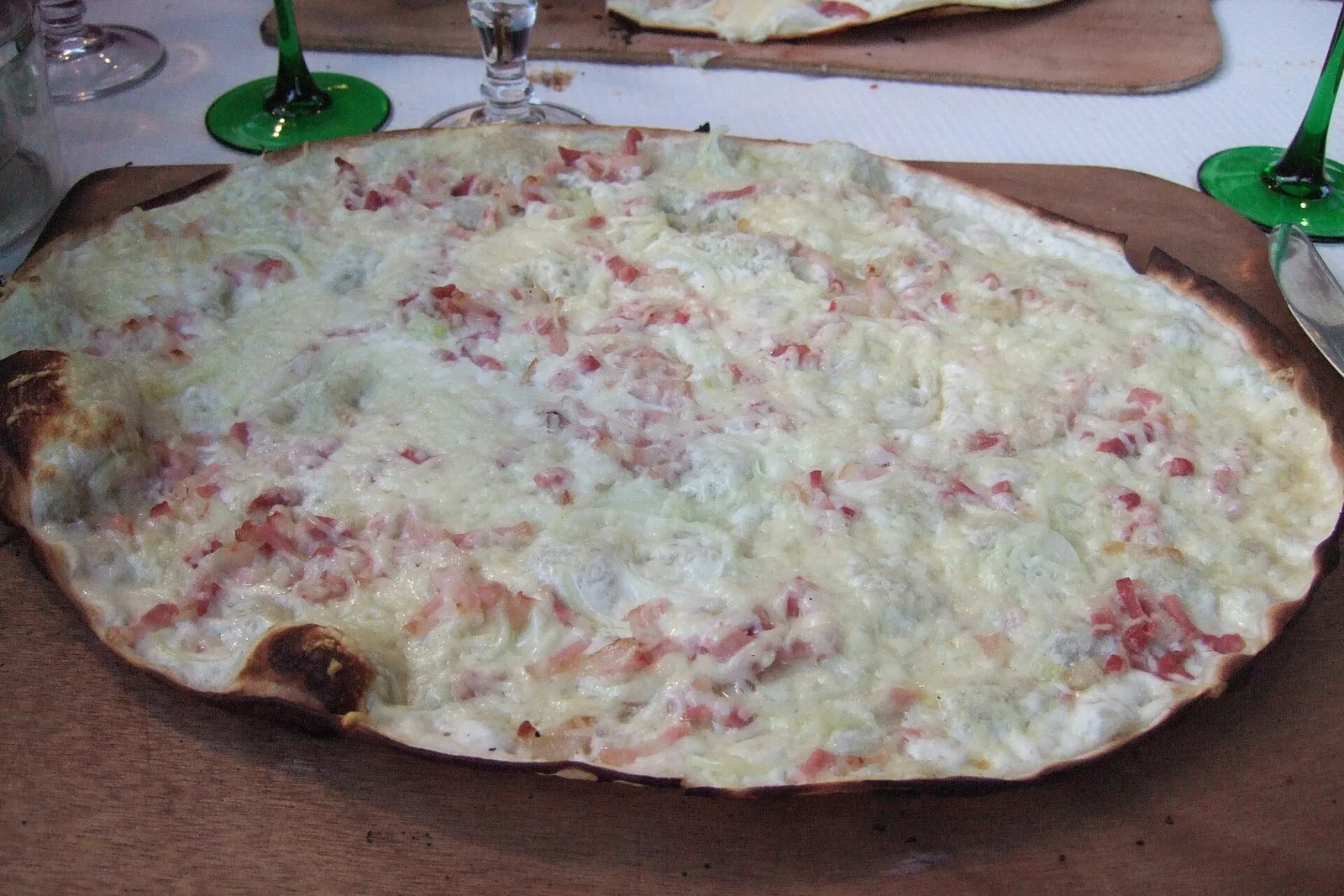
Strasbourg is the fairytale that is also a functioning city: a cathedral island ringed by canals, the half-timbered lanes of [Petite France](/strasbourg/petite-france/), and the [cathedral's single spire](/strasbourg/strasbourg-cathedral/) visible from every approach. Travelers consistently describe it as Colmar's bigger, livelier sibling, with real infrastructure and an actual food scene built on Alsatian cooking, French technique meeting German appetite in winstubs that still serve tarte flambee the way locals eat it.
The verdict in 30 seconds
Go
A guided food tour in Strasbourg earns its price if you want context with your calories: small groups, 6 to 15 tastings across 3 to 6 stops, and guides who explain why Alsatian food sits between French and German. The cheaper path is a winstub crawl, but it takes research to do well.
Go if
- First-time visitors who want the local dishes identified and decoded in one afternoon
- Solo travelers and couples; tours cap groups around 8 to 14 people
- Anyone short on time who wants tarte flambee, kougelhopf, cheese and Alsatian wine covered in one go
- Travelers who like a guide to translate menus and explain the winstub culture
Skip if
- Budget travelers; a DIY winstub crawl with the same dishes costs a third of a guided tour
- Visitors who already know Alsatian food or plan several winstub dinners anyway
- Anyone who dislikes fixed group pacing; tours run a set 3 to 4 hour route
- Big appetites wanting full meals; tours are tastings strung together, generous but staged
What it costs
- Strasbourg Food Tours, Taste the Best of Alsace half-day tour: €79 (From EUR 79 per person, about 3.5 hours with 6 stops and 10 tastings; the full-day 6-hour version with 8 stops and 15 tastings starts at EUR 109). Official source, checked Oct 2026.
- Do Eat Better Strasbourg traditional food tour: €89.95 (From EUR 89.95 per person, about 3.5 hours; meet at Place d'Austerlitz, slots at 10:45 and 17:00). Official source, checked Oct 2026.
- Foodeez Strasbourg food tour: €79 (EUR 79 per person, about 3 hours with 6 tastings, capped at 14 participants). Official source, checked Oct 2026.
What travelers report
Based on 12 traveler reports (Feb 2025 to May 2026) and the official sources linked on this page. 0 were negative.
What people like
- Guided tours deliver the full Alsace set in one slot: tarte flambee, kougelhopf, Munster, charcuterie, wine and beer across 6 to 8 stops.
- Guides earn real credit in reports for explaining the French-German crossover and steering groups to places tourists walk past.
- Small-group caps keep tours personal; reviewers call the pacing relaxed rather than rushed.
- Even DIY-minded travelers concede the winstub version needs research; the logged guides map flammekueche and wine-bar options for doing it alone.
- The food itself reviews well everywhere: reports praise Strasbourg's winstubs and call the local dishes the city's real highlight.
What people complain about
- EUR 79 to 110 is real money; a winstub plate of tarte flambee runs around EUR 12 to 16 in the guides logged.
- Tastings are staged bites, not full meals; hungry travelers sometimes leave wanting more volume.
- Fixed routes and pacing mean less freedom; a couple of reports note tours can feel formulaic.
- December and weekend crowds strain the experience; small streets and booked-out slots are the norm in season.
How to do it right
- Book ahead; group sizes cap at 8 to 14 and weekend slots sell out first.
- Tours run 3 to 4 hours and start mid-morning or late afternoon; the 17:00 slot doubles as dinner.
- Expect the Alsace canon: tarte flambee (flammekueche), kougelhopf, Munster cheese, charcuterie, pretzels and local wine or beer.
- Most routes walk the Grande Ile and Petite France; wear comfortable shoes and tell the operator about allergies when booking.
- For the DIY route, winstubs sell tarte flambee for roughly EUR 12 to 16 per the guides logged, and wine bars on Rue des Tonneliers handle the tasting side.
- A tour makes most sense early in the trip; the guide's restaurant and market tips pay off for the rest of the stay.
The trap to avoid
Paying EUR 80 to 110 for a tour when what you actually wanted was one good winstub dinner. Tours buy guidance and variety in a single slot; if your plan already includes several Alsatian meals, do the dinners yourself and skip the tour.
What to do instead
Why this verdict
Strasbourg is one of France’s easiest cities to eat badly in and one of its best to eat well in. The tourist-core restaurants lean on decor, while the real Alsatian table is tarte flambee, kougelhopf, Munster, choucroute and Riesling in a winstub. A food tour’s job is to compress all of that into three or four guided hours, and reports from 2025 and 2026 say the good ones deliver: small groups, 6 to 15 tastings, and a guide who explains the Franco-German mix behind each dish.
The straightforward counterweight is price. At EUR 79 to 110 a head, two people pay roughly what a week of winstub dinners costs; guides logged for this page put a DIY tasting route at a fraction of that. Tours also run a fixed route at a fixed pace, and the tastings, while plentiful, are staged bites.
Where a tour earns its fee is early in the trip: the guide maps the dishes, the winstub etiquette and the market stalls, and those tips keep paying for the rest of the stay. If you already know flammekueche from kougelhopf and plan several sit-down Alsatian meals, do them yourself.
Timing and tickets
Book ahead in season; groups cap at 8 to 14 and weekend and December slots fill first. Standard tours run about 3 to 3.5 hours with mid-morning and late-afternoon starts; the 17:00 slot doubles as dinner. Full-day versions run about 6 hours. All routes walk, mostly the Grande Ile and Petite France, so wear comfortable shoes and flag allergies at booking.
Book or check times
Strasbourg Food ToursDo Eat Better Strasbourg food tourFoodeez Strasbourg food tourStrasbourg tourist office: where to eat
We earn a commission if you book through our links. It never changes a verdict. How this works
Compare the top-rated Strasbourg food tourpartner siteBook a private food and wine walkpartner site
Where to stay
Staying in Strasbourg?
Which area of Strasbourg to stay in, based on traveler reports. Search Strasbourg hotels on Expedia partner site
Questions
How much does a Strasbourg food tour cost?
The main operators run EUR 79 to 90 per person for a 3 to 3.5 hour tour with 6 to 10 tastings, and around EUR 109 for a full-day version with 8 stops. Reports put a DIY winstub route at roughly a third of that for comparable food.
What do you eat on a Strasbourg food tour?
Reports describe the same Alsatian set: tarte flambee in classic and Munster versions, kougelhopf and other brioche cakes, cured meats and local cheeses, pretzels, gingerbread and Alsatian wines or beer at the end.
Is a food tour better than eating at a winstub?
They do different jobs. A winstub dinner is the atmospheric, sit-down version and costs less; a tour samples 6 to 15 things across several stops with a guide explaining each. If your budget only allows one, reports favor the tour for a first visit and winstubs once you know what you like.
How long is a Strasbourg food tour?
Three to four hours for the standard tours, six hours for the full-day option that adds more stops and tastings. All are walking tours inside or near the historic center.
Do Strasbourg food tours run at Christmas?
Yes, but book early; December is the busiest month in the city and tours fill with market visitors. Some operators run market-specific routes, though several reports note the markets themselves already cover most of the food stalls angle.
Can I do a food tour with dietary restrictions?
Operators accept allergies and some restrictions if told at booking, but Alsatian food leans heavily on pork, cheese and gluten, so substitutions are limited. Vegetarians usually manage; strict diets should contact the operator first.
Pack for it
Gear verdicts from our sister site, Real Buyer Experiences: