Kotor / The verdict
Is Kotor old town worth it?
Yes, for most visitors: the walled town is free to enter, tightly packed with Venetian lanes, churches and cats, and small enough to cover in a morning. Its one real enemy is the cruise calendar, so time the wander for early morning or evening.
By The Real Traveler Experiences team. We earn a commission if you book through our links. It never changes a verdict.
The Kotor story
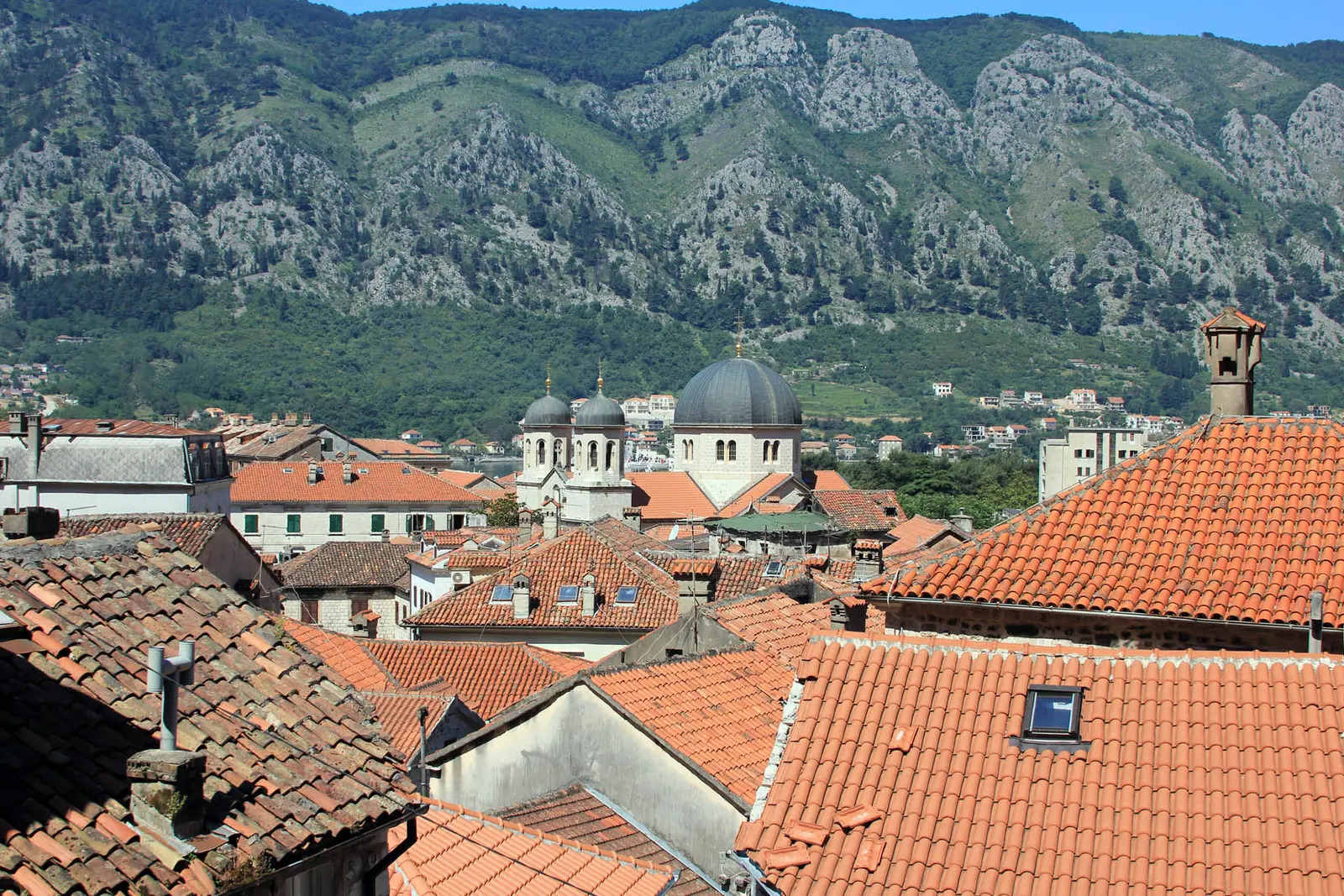
Kotor sits at the end of Europe's southernmost fjord, a grey-stone Venetian walled town pressed between black mountains and a mirror-calm bay. The old town is compact and medieval, cat-filled lanes winding past St Tryphon cathedral to the sea gate, and the city walls climb 1,350 steps to the Castle of San Giovanni for the best view on the Adriatic south of Dubrovnik.
The verdict in 30 seconds
Go
Yes, for most visitors: the walled town is free to enter, tightly packed with Venetian lanes, churches and cats, and small enough to cover in a morning. Its one real enemy is the cruise calendar, so time the wander for early morning or evening.
Go if
- History and architecture fans who like getting lost in lanes
- Cruise passengers with a half-day call
- Photographers at dawn and dusk
- Cat people
Skip if
- You need step-free routes, the lanes are uneven stone with stairs at some gates
- Your only window is midday on a multi-ship day and you hate crowds
- You want a big-ticket attraction rather than a town to wander
What it costs
- Maritime Museum Kotor adult ticket: €5 (students and children EUR 1; winter 09:00-15:00, summer 09:00-18:00, weekends 09:00-13:00). Official source, checked Oct 2026.
- City walls and San Giovanni fortress ticket: €15 (municipal fee per individual visitor; collected 01.03-30.11 at set gate hours; unmanned and free December to February; children under 12 and Montenegro residents exempt). Official source, checked Oct 2026.
What travelers report
Based on 12 traveler reports (Feb 2025 to Sep 2026) and the official sources linked on this page. 0 were negative.
What people like
- The maze of Venetian lanes, small squares and churches earns near-universal praise for atmosphere.
- Evening visits after the cruise crowds leave are repeatedly called the highlight.
- Free entry and cheap sights get flagged as good value for a UNESCO site.
- The cats, the clock tower and the fortress backdrop give the town a distinct character.
What people complain about
- Cruise crowds turn the lanes into a slow shuffle on multi-ship days.
- Prices have climbed and some reports call the town more commercial than local now.
- One cruiser found it pretty but cool in feel, short on warmth and friendliness.
- Tender queues from anchored ships can eat the first hour of a port call.
How to do it right
- Enter through the River Gate or Gurdic gate when the Sea Gate is funneling cruise groups.
- See St Tryphon cathedral and the Maritime Museum in the quiet morning hours.
- Check the cruise schedule and plan the lanes for before 10:00 or after 16:00.
- Stay for the evening when the day-trippers leave and the squares fill with locals.
- Keep small cash for church treasuries, the Cats Museum and the bell tower.
The trap to avoid
Judging the town by a midday visit on a multi-ship day. The same lanes that feel like a theme park at noon are quiet at 08:00 and atmospheric after the tenders stop running.
What to do instead
Why this verdict
Yes, for most visitors: the walled town costs nothing to enter, packs Venetian lanes, small squares and churches into an area you can cover in a morning, and rewards anyone who times it around the cruise ships. Eight of the 12 logged reports are positive, and the four mixed ones are about crowds, cruise pressure and, for one cruiser, a cool feel, rather than the sights.
The praise is specific. Travelers describe the gates as magical at dawn, a forum traveler loved the evening after the cruise passengers left, and guides walk through the Sea Gate, the 1602 clock tower, St Tryphon cathedral, St Luke’s church of 1195 and the Cats Museum. One writer recommends getting lost in the alleys and circling the free lower stretch of the walls rather than paying only for the climb.
The catch is the water outside the walls. A blogger counts 523 cruise calls by about 85 vessels for 2026, against one working pier and three anchorages, with 86 calls in August alone. Local news reports chefs switching menus to pizza and burgers under the pressure, and the mixed blog reports describe a dream at dawn turning into a crowded shuffle once two ships are in, prices rising and, for one cruiser, a town that felt short on warmth. None of that changes the verdict, because the crowds follow the ship schedule and the fix is timing: early morning or evening.
Timing and tickets
When to go: check the cruise schedule for your dates and plan the lanes for early morning, before the tenders and the walking groups arrive, or for the evening after they leave. On a port call, expect tender queues to take part of the first hour, as one report warns, and walk straight in rather than waiting at the Sea Gate.
How long: a morning covers the lanes, the cathedral and a museum. Allow extra time and water for the fortress climb; one guide puts the walls at about 4.5 km of fortifications and 1,350 steps.
Getting there: cruise passengers walk off the pier or the tender landing straight to the walls, as a port-day video shows. Arriving by road, a gate-by-gate guide puts the bus station about 15 minutes on foot from the old town. Use the River Gate or the Gurdic gate if the Sea Gate is clogged with tour groups; the same guide describes the River Gate side as quieter, with artisans.
Tickets: the town is free. The Maritime Museum lists an adult ticket of 5 euros with seasonal hours, and the churches and the Cats Museum charge small cash fees. The climb to the San Giovanni fortress is a separate municipal fee of 15 euros, collected from 1 March to 30 November at set gate hours; children under 12 are exempt. A guided walk of an hour to ninety minutes is worth it for first-timers who want the history, according to one report, while everyone else does fine alone with a map.
What to combine: the walls climb on the same morning if you start early, then a boat trip on the bay or a stop at Perast in the afternoon, when the old town is at its busiest.
Book or check times
Kotor municipalityMaritime Museum Kotor
We earn a commission if you book through our links. It never changes a verdict. How this works
Compare Kotor old town walking tourspartner site
Where to stay
Staying in Kotor?
Which area of Kotor to stay in, based on traveler reports. Search Kotor hotels on Expedia partner site
Questions
Is Kotor old town free to enter?
Yes. The walled town has no entry fee; you pay only for specific sights such as the walls climb (EUR 15), the Maritime Museum (EUR 5) and church treasuries (a few euros each).
How long do you need in Kotor old town?
Two to three hours covers the gates, squares, cathedral and museums at a wandering pace. Add the fortress climb or a boat trip to Perast and it becomes a full day.
When is Kotor old town least crowded?
Before 10:00 and after 16:00 on ship days, and almost anytime November to March. Cruise schedules cluster shore visits from mid-morning to mid-afternoon.
Is Kotor old town walkable with limited mobility?
Partially. The main lanes are flat but uneven stone, there are steps at some gates and on side streets, and the fortress climb is out entirely.
What are the main sights inside the walls?
The Sea Gate and the 1602 Clock Tower, St Tryphon cathedral, the Maritime Museum, the Cats Museum and a maze of small squares. The San Giovanni fortress is a separate uphill climb.
Where do cruise passengers enter the old town?
Docked ships berth beside the Sea Gate, the town's front door. Anchored ships tender passengers to the same waterfront, and the tender queue can eat the first hour of a port day.