Kotor / The verdict
Is a Kotor food tour worth it?
Yes for first-timers to Montenegrin food who want the context: the standard format walks the green market, then seats you for smoked ham, cheese, black risotto and Vranac wine over two to three hours. The catch is that everything it shows you is walkable and priced on boards outside, so confident grazers can assemble the same bites for a fraction of the 47 to 90 EUR ticket.
By The Real Traveler Experiences team. We earn a commission if you book through our links. It never changes a verdict.
The Kotor story
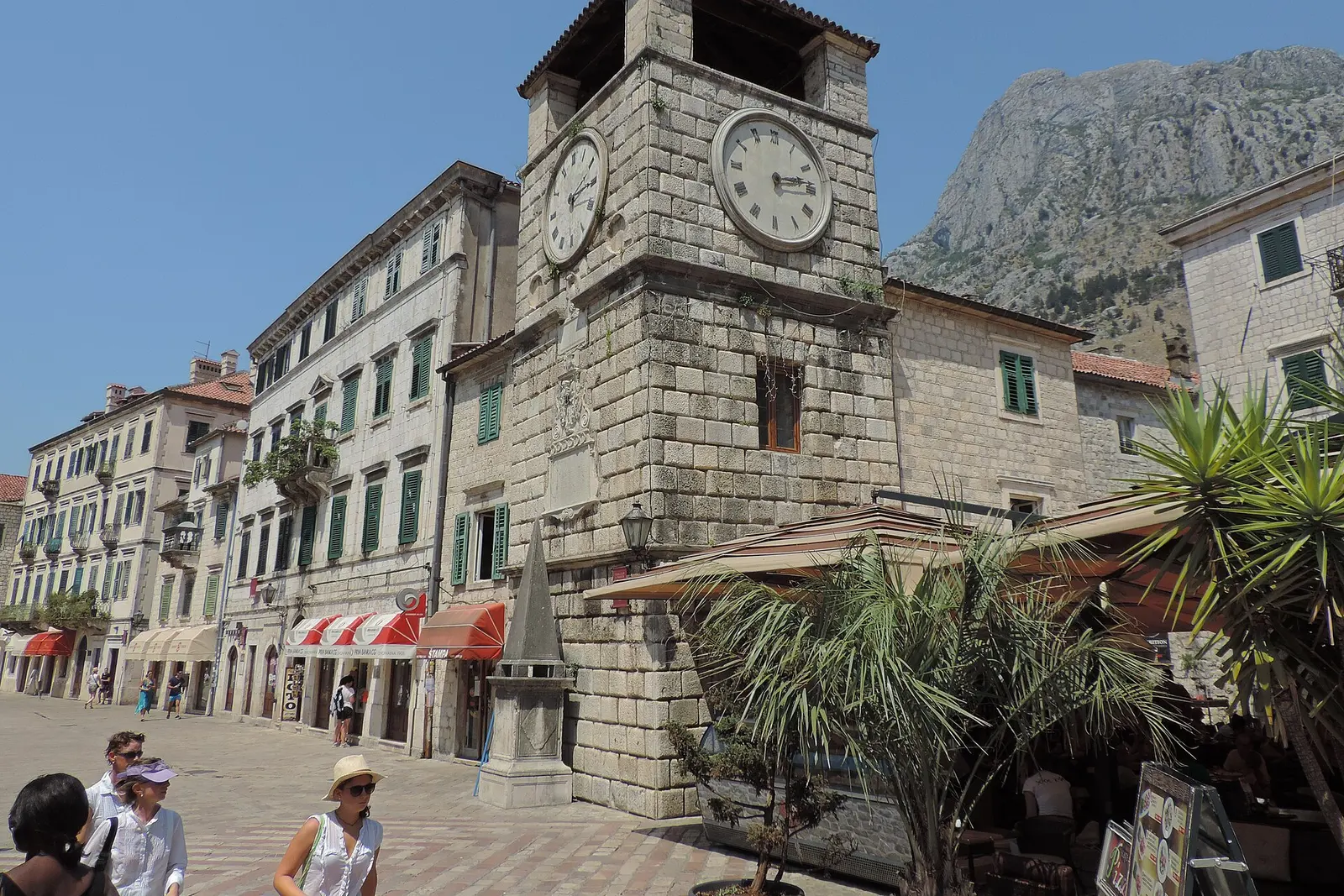
Kotor sits at the end of Europe's southernmost fjord, a grey-stone Venetian walled town pressed between black mountains and a mirror-calm bay. The old town is compact and medieval, cat-filled lanes winding past St Tryphon cathedral to the sea gate, and the city walls climb 1,350 steps to the Castle of San Giovanni for the best view on the Adriatic south of Dubrovnik.
The verdict in 30 seconds
It depends
Yes for first-timers to Montenegrin food who want the context: the standard format walks the green market, then seats you for smoked ham, cheese, black risotto and Vranac wine over two to three hours. The catch is that everything it shows you is walkable and priced on boards outside, so confident grazers can assemble the same bites for a fraction of the 47 to 90 EUR ticket.
Go if
- You are new to Montenegrin cuisine and want the stories behind the plates
- You are on a cruise stop and want one structured block that covers food and history
- You prefer a guide to decode the market, the fish stall etiquette and the by-kilo pricing
Skip if
- You are comfortable grazing the green market and konobas on your own
- You are vegetarian or vegan, since the cuisine leans on ham, cheese and seafood
- You are watching budget, because the same tastings cost far less assembled yourself
What it costs
- Kotor walking tour with food and wine tasting, Miro and Sons: €47 (From price per person at 10 in the group; private format runs 120 EUR solo scaling down as group size grows, paid in cash to the guide). Official source, checked Oct 2026.
- Kotor walking tour with food and wine tasting, total for two people (Miro and Sons): €170 (2 hours; 120 EUR for one person, 470 EUR for a group of ten). Official source, checked Oct 2026.
- Plain Kotor walking tour, total for two people (Miro and Sons): €90 (1.5 hours, no tastings; from 17 EUR per person at group size ten). Official source, checked Oct 2026.
What travelers report
Based on 13 traveler reports (Dec 2024 to Sep 2026) and the official sources linked on this page. 0 were negative.
What people like
- Guides earn consistent praise for weaving Kotor's history into the tastings rather than just feeding you.
- The market stop delivers the authentic note: sampling olives, ham and cheese straight from stallholders.
- Small groups capped near ten make it feel personal, and some bookings end up effectively private.
- The format doubles as an old town orientation, which cruise passengers especially appreciate.
What people complain about
- The product is thinner than the name suggests: a short walk, market nibbles and one seated spread rather than a multi-stop crawl.
- Per-person prices climb fast for couples and solo travelers on private formats.
- Everything on the route is public: the market and konobas charge nothing to enter, so DIY eating is a real rival.
- Vegetarian and vegan travelers get a reduced spread, and late bookings lose the market stop entirely.
How to do it right
- Book before mid-afternoon if the farmers market stop matters: it winds down by about 14:00, and later tours swap in extra restaurant tastings instead.
- Morning departures around 09:00 to 10:00 catch the market at its best; Saturday has the fullest stalls.
- Expect the shape to be a one-hour old town walk, market grazing, then a seated spread of smoked ham, cheeses, spreads, black risotto and wine.
- Budget roughly 47 to 90 EUR per person depending on group size and format; private versions for two run about 100 to 150 EUR total.
- Tell the operator about dietary limits up front, since vegetarian and vegan options are thin in Montenegrin cooking.
- Book at least a week ahead in July and August, when the small-group formats sell out.
The trap to avoid
Paying for a food tour expecting a roving tasting crawl. Most Kotor versions are a short walk plus market nibbles plus one seated spread, so the real product is the guide's commentary, not privileged access to hidden kitchens.
What to do instead
Why this verdict
A Kotor food tour is worth it if you want a guide to explain Montenegrin food and the old town in one block. It is not worth it if you are happy to graze the market and konobas on your own, because nothing on the route is closed to independent visitors.
The reports agree on the format. A 2025 review of a three-hour tour describes market sampling, smoked ham and cheese, wine and a krempita finish, with praise for the guide’s storytelling and a note that the pace is full. Dedicated verdict posts from 2026 frame the tour as a shortcut to konobas you would otherwise walk past, while conceding that the same streets are free to walk and menus are posted outside. One of them warns that vegetarian options are limited, and a 2024 comparison calls the food walk the best overall tour only if you want the eating part.
The DIY case is strong in the log. A market guide describes the green market outside the main gate trading every morning except Sunday, with the best produce gone by about 11:00 and Saturday drawing farmers from the furthest villages. Food guides map the konobas, seafood restaurants and the dishes to look for, from black risotto and buzara mussels to cured ham, and a restaurant-testing blog and a port-day vlog both build their own tasting day without a ticket.
So the money buys the guide. On the main local operator’s price list, its two-hour walking tour with food and wine costs 170 EUR in total for two people, against 90 EUR for two on its plain 1.5-hour walking tour. For a couple, the food element therefore costs about 80 EUR on top of a guided walk. At full group size the food tour drops to 47 EUR per person, and solo travelers pay 120 EUR.
Timing and tickets
Book a morning departure. The market is the stop that makes the tour feel local, and the market guide puts the best produce there before 11:00 and notes there is no Sunday market. Saturday is the fullest day.
How long: allow two to three hours. Reports describe a short history walk, market grazing and a seated spread, which works as a light meal rather than a full dinner.
What to book: the operator sells direct on its own site with hotel or pier pickup, and payment terms are on that page. Tell the operator about dietary limits when you book, since the cuisine leans on ham, cheese and seafood.
Cruise days: an investigative 2026 piece on Kotor’s mass cruise tourism describes old-town restaurants filling by day and emptying by evening, and forum regulars recommend eating after the ships leave. If you are on a cruise, the tour’s fixed block is a practical way to see the market and the old town together. If you are staying overnight, a DIY market morning and an evening konoba meal give you the same food with fewer people around.
What to combine: the food tour covers the old town, so spend the rest of the day on the bay or in the hills above town toward Lovcen.
Book or check times
Miro and Sons food and wine walk
We earn a commission if you book through our links. It never changes a verdict. How this works
See Kotor food tourspartner site
Where to stay
Staying in Kotor?
Which area of Kotor to stay in, based on traveler reports. Search Kotor hotels on Expedia partner site
Questions
How much does a Kotor food tour cost?
Shared formats run about 35 to 70 EUR per person for two to three hours, and private versions start around 100 to 150 EUR for two. The dominant local operator lists its food and wine walk from 47 EUR per person at full group size, up to 120 EUR solo.
What do you actually eat on a Kotor food tour?
The usual line-up is green market produce, olives and olive oil, Njegusi smoked ham and cheese, black risotto or buzara mussels in season, a slice of krempita cake, and Vranac wine or rakija. Reports describe it as a light meal, not a full dinner.
Can you do the same tastings without a tour?
Mostly yes. The market outside the Sea Gate runs mornings and sells the ham, cheese, honey and rakija directly, and konobas a lane or two back from the main square serve the same dishes for less than the waterfront. What you lose is the guide's context and the stories.
Is the Kotor food tour worth it on a cruise stop?
It is one of the better port-day buys: a fixed two to three hour block that covers the old town history and the food in one go, ending steps from the tender pier. Book the morning slot so the market stop is included.
Are there vegetarian options on Kotor food tours?
Limited. Montenegrin cuisine leans heavily on smoked meats, cheeses and seafood, so contact the operator in advance; most can adjust the spread but the tasting range narrows.
When is the Kotor market open?
The green market outside the main gate trades mornings daily and winds down by early to mid afternoon, with Saturday the fullest day. Cash is the norm and stallholders will offer samples.
Pack for it
Gear verdicts from our sister site, Real Buyer Experiences: