Girona / The verdict
Girona or Tarragona: which Catalan city?
Girona is the pick: reports consistently land on its compact medieval core, river houses, walkable walls and a food scene that punches above its size, and it doubles as the practical Costa Brava base. Tarragona is the stronger choice when the trip is built around Roman archaeology and a seafront balcony, or when beach time matters.
By The Real Traveler Experiences team. We earn a commission if you book through our links. It never changes a verdict.
The Girona story
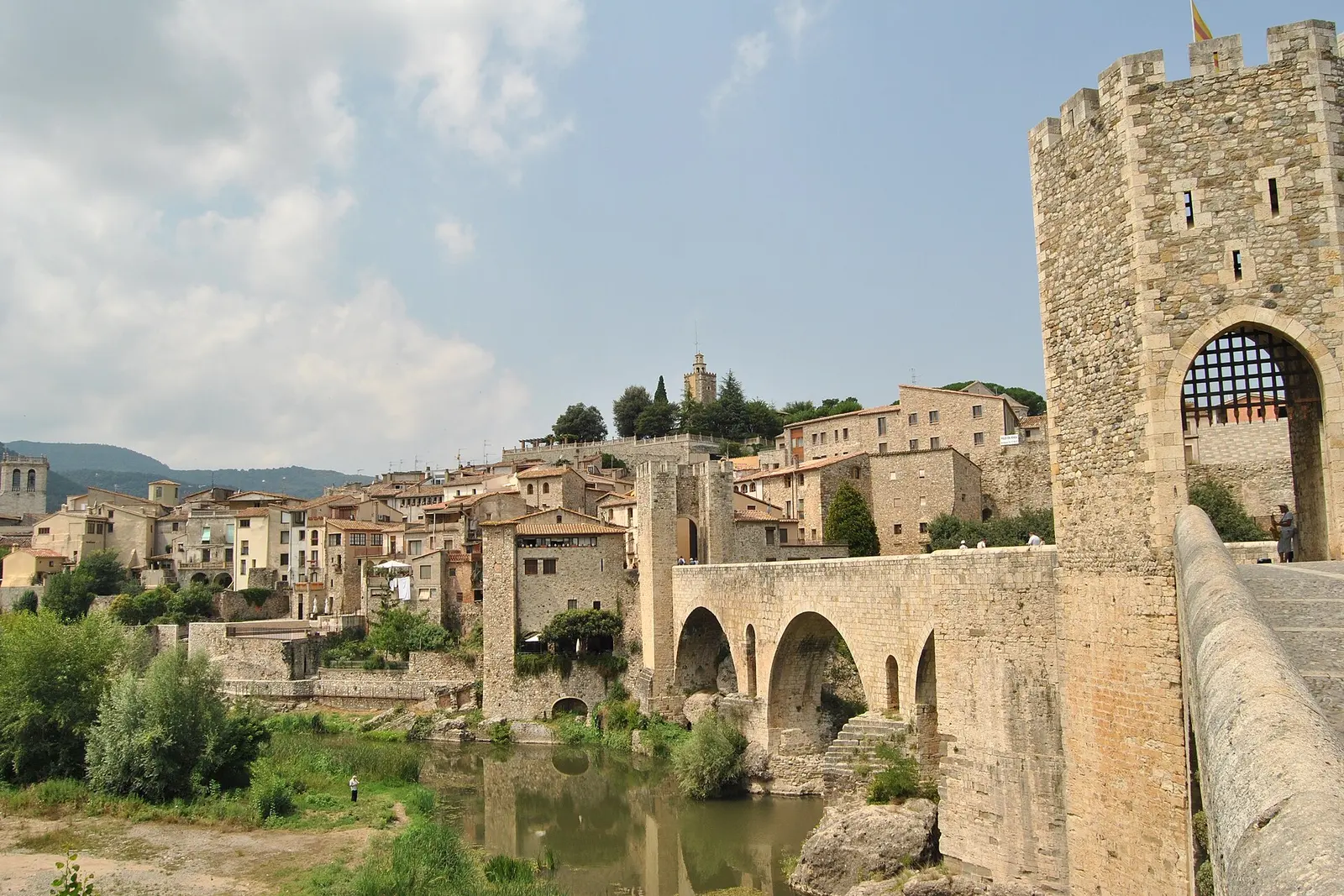
Girona is the Catalan city that punches hardest above its size: a walled old town of stacked stone lanes, a cathedral with the widest Gothic nave in Christendom, one of Europe's best-preserved Jewish quarters in El Call, and a restaurant scene anchored by triple-starred El Celler de Can Roca. The Passeig de la Muralla walls walk and the colourful Onyar riverfront houses give it a scale and a look all its own.
The verdict in 30 seconds
Our pick: Girona (runner-up: Tarragona)
Girona is the pick: reports consistently land on its compact medieval core, river houses, walkable walls and a food scene that punches above its size, and it doubles as the practical Costa Brava base. Tarragona is the stronger choice when the trip is built around Roman archaeology and a seafront balcony, or when beach time matters.
Go if
- Travelers choosing one Catalan city beyond Barcelona for a 1 to 3 night stay
- History fans weighing medieval old town against a UNESCO Roman ensemble
- Costa Brava explorers picking a base city for day trips
Skip if
- You only have half a day from Barcelona: both cities reward a full day, so pick whichever sits on your route rather than splitting attention
- You want a beach-first holiday: neither is a resort town, though Tarragona at least has sand beside the ruins
- You need big-city nightlife: reports describe both as dining-led and calm after dark
The options
Girona Go
A self-contained medieval city break with cathedral, walls, food scene and cycling culture
Good
- The densest old-town package: cathedral, Arab Baths, Call and walkable walls on the river, all inside a small core
- The stronger food reputation: reports cite the market, Roca-family spots and a deep tapas bench for a city its size
- Better as a multi-day base: rail links put Figueres, Besalu and Barcelona within about an hour, and the old town holds you for two or more nights
Watch out
- Inland and river- rather than sea-facing: no beach on the doorstep, and the coast is a bus or car ride away
- Summer days pull tour groups and Game of Thrones followers into the lanes
- Sights cluster on a hillside, so the steep lanes and steps are part of every day
Search hotels in Gironapartner site
Tarragona Go
A seaside Roman city day or overnight: amphitheatre, walls and the Balco del Mediterrani
Good
- The Roman card is unbeatable: reports single out the amphitheatre above the sea, the walls and the aqueduct as some of Europe's best preserved
- Mediterranean setting with real sand: the balcony viewpoint and the beaches give it a coastal feel Girona lacks
- Reports describe it as less touristy and a little cheaper than its neighbors, with a working-city rhythm
Watch out
- The sights are more spread out and some key ruins, like the aqueduct, sit outside the center
- Two train stations split arrivals: reports warn slow trains serve the center while high-speed trains need a taxi from Camp Tarragona
- Less of a stay-past-dark destination: several reports see it as a strong day rather than a two-night city
Search hotels in Tarragonapartner site
Barcelona base, day-trip both It depends
First visits to Catalonia that want both cities without moving hotels
Good
- Both cities sit about an hour from Barcelona by train, so two day trips cover the highlights from one hotel
- Reports describe this as the common play for short Catalonia itineraries: ruins day plus medieval day, zero luggage moves
- Leaves evenings in Barcelona if you want the biggest restaurant and nightlife pool
Watch out
- You meet each city at its busiest midday self and miss the quieter evenings reports call the reward of staying over
- Return-fare days cost more overall, and high-speed prices rise late when booked last minute
- Neither city's food scene or atmosphere shows its best on a four-hour visit
Check a Girona and Costa Brava day trip from Barcelonapartner site
| Criterion | Girona | Tarragona | Barcelona base, day-trip both |
|---|---|---|---|
| Train from Barcelona | About 40 to 75 min | About 60 to 80 min | You are already there |
| Headline draw | Medieval core, cathedral, walls, Call | Roman amphitheatre, walls, sea balcony | Both headline draws from one hotel |
| Sea and beach | Inland river city | Coastal with urban beaches | Depends on the day trip |
| Nights worth | 2 to 3 nights | 1 day to 1 night | 1 day each |
| Food scene | Stronger: market, tapas, Roca orbit | Good: seafood and simpler local | Barcelona evenings, city lunches |
| Crowds | Busy lanes midday in season | Quieter, working-city feel | Joins both cities' peak hours |
| Base utility | Hub for Costa Brava and Figueres | South-coast and Priorat side trips | Maximum flexibility, zero moves |
What it costs
- Girona Cathedral combined ticket with Sant Feliu, adult: €7.50 (pensioners and students 5.00, under 16 1.50; valid 12 months, sites on the same or separate days). Official source, checked Oct 2026.
- Tarragona Cathedral and Diocesan Museum, adult: €12.50 (reduced 8.50, juniors 7 to 12 pay 5.50, under 7 free). Official source, checked Oct 2026.
- Tarragona Roman museum MNAT, general ticket: €5 (reduced 3.00). Official source, checked Oct 2026.
What travelers report
Based on 13 traveler reports (Feb 2025 to Aug 2026) and the official sources linked on this page. 0 were negative.
What people like
- 5 of the logged reports single out Girona's compact medieval package: cathedral, walls, Call and painted river houses inside a walkable core.
- 4 of the logged reports praise Tarragona's Roman weight: the amphitheatre above the sea, the archaeological walls and the aqueduct as highlights of any Catalonia run.
- 3 of the logged reports call Girona's food scene the difference-maker, from the market to the Roca orbit, a step above for a city its size.
- 2 of the logged reports note Tarragona feels less touristy and more working-city than its better-known neighbors, which travelers read as a plus.
What people complain about
- 2 of the logged reports note Girona is inland with no beach of its own, so sea time always means a separate trip.
- 2 of the logged reports flag Tarragona's two-station split as a real arrival trap: regional trains reach the center, high-speed ones need a taxi.
- 2 of the logged reports describe Tarragona's monuments as scattered, with the aqueduct well outside the center, so it reads more city-with-sights than one walkable set piece.
- 1 logged report found Girona's lanes packed with tour groups midday in season, while the quieter reward is the evening after they leave.
How to do it right
- Pick Girona for the classic city break: a walkable medieval core that holds two nights, plus the strongest food scene of the pair according to reports.
- Pick Tarragona when ruins lead: the amphitheatre over the sea, the archaeological promenade walls and the aqueduct are the draw, and the beach is a bonus rather than the point.
- Splitting one day from Barcelona works but runs tight: reports favor a full day per city, since both reward slow lanes and a long lunch.
- Tarragona has two stations: slow regional trains arrive beside the center, high-speed services land at Camp Tarragona a taxi ride out, so check before booking.
- In Girona, book the river-facing or old-town side for atmosphere; in Tarragona, stay near the Rambla and Parte Alta so the balcony and ruins are walkable.
The trap to avoid
Treating them as interchangeable day trips: reports consistently split them by mood, medieval-river-city versus Roman-seaside, so choosing by what you actually want to see matters more than which is closer to Barcelona.
What to do instead
Why this verdict
Pick Girona for a medieval city break of a night or two; pick Tarragona when Roman ruins and the sea are the point. The reports split the two cities cleanly by character rather than by quality, and none of the 13 is negative about either.
Girona is the compact package. Travelers describe a walled old town on the river where the cathedral, the Call (the old Jewish quarter), the wall walk and the food scene sit close together. A two-day guide fills both days without leaving the center, a one-day plan uses every hour on foot and advises staying for dinner, and a traveler who spent a month there rates it for architecture, cycling and food as well as its role as a hub for northern Catalonia. Two more reports pair it with the Dali museum in Figueres and the Costa Brava, which is why it edges the head-to-head for a stay of any length.
Tarragona answers with the coast and the deeper past. Day plans run the amphitheatre above the sea, the Roman walls, the forum ruins and the Balco del Mediterrani viewpoint, and one tested itinerary argues the Tarraco ruins and cathedral deserve a top slot on a Spain trip. A travel diary calls the city underrated and rates the walls and cathedral worth their entry, and notes city lifts down to the beach. A coastal-itinerary forum thread gives it a firm worth-a-stop verdict for the amphitheatre, aqueduct and old town. A head-to-head blog sums up the split: Girona as the sightseeing break without sea, Tarragona as the seaside escape inside a larger working city.
Timing and tickets
Give each city a full day at least. The Girona day plans and the Tarragona itineraries each use a whole day, so splitting one day between them from Barcelona leaves both rushed. If you have the nights, stay over in your pick: the Girona reports that recommend dinner in town and the two-day guide both point to the evening as part of the appeal.
Tickets are cheap and sold direct. In Girona, the official combined ticket for the cathedral and the Basilica of Sant Feliu costs 7.50 euros for adults, 5 euros for pensioners and students and 1.50 euros under 16; it stays valid for 12 months, so the two sites can go on separate days. In Tarragona, the cathedral with its Diocesan Museum costs 12.50 euros (8.50 reduced, 5.50 for ages 7 to 12), and the MNAT general ticket for the Roman museum sites is 5 euros, 3 euros reduced.
Getting there: both cities have direct trains from Barcelona, and Girona sits on the high-speed line to France. In Tarragona, check which station your train uses before booking, since fast and regional services do not all stop at the same one.
What to combine: from Girona, the Dali museum in Figueres and the Costa Brava are the natural add-ons the reports mention. In Tarragona, plan the ruins for the morning, as the tested itinerary does, then the cathedral and the beach below the Balco del Mediterrani in the afternoon.
Book or check times
Girona city tourismTarragona Turisme monuments and prices
We earn a commission if you book through our links. It never changes a verdict. How this works
Search hotels in Gironapartner siteSearch hotels in Tarragonapartner siteCheck a Girona and Costa Brava day trip from Barcelonapartner site
Questions
Is Girona or Tarragona better for a day trip from Barcelona?
Reports favor Girona for a sightseeing-led day: a tighter, prettier core with more to do between monuments. Tarragona wins for archaeology fans and anyone wanting sea air, and both sit roughly an hour by train.
Which is better for Roman ruins, Girona or Tarragona?
Tarragona, clearly: the UNESCO Tarraco ensemble includes the amphitheatre, walls, circus, aqueduct and museum. Girona's heritage is medieval and Jewish-quarter led rather than Roman.
Can you visit Girona and Tarragona in one trip?
Yes, easily from a Barcelona base: reports describe dedicating one day to each city. Linking them directly is slower, since the rail route runs back through Barcelona or nearby junctions.
Which city is cheaper, Girona or Tarragona?
Comparison data and reports put Tarragona a little cheaper for rooms and meals, and its paid monuments run around 5 to 12.50 EUR. Girona's paid sights are modest too, but boutique old-town stays cost more.
Does Tarragona have a beach?
Yes, urban beaches sit below the Balco del Mediterrani and along the seafront, reachable by lift from the city. Girona is inland on the River Onyar, about 40 minutes by road from Costa Brava beaches.