Girona / The verdict
Is the El Call Jewish quarter worth it?
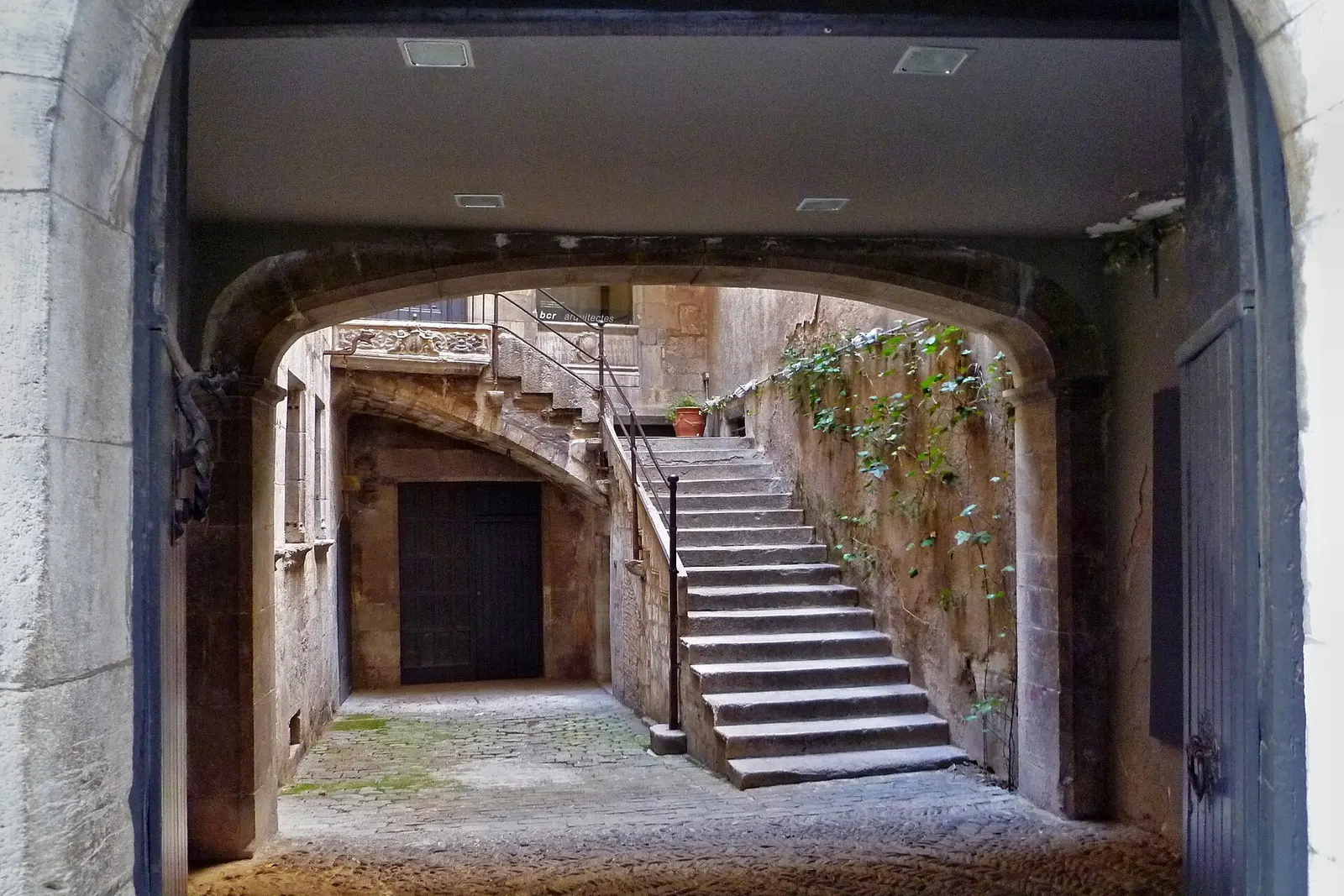
Yes: the Call is the atmospheric core of the Barri Vell, a free maze of stepped lanes around Carrer de la Forca where courtyards and doorways still read the shape of one of Europe's best preserved Jewish quarters. The 6 EUR Museum of Jewish History on the site of the last synagogue supplies the context the unsigned lanes lack, turning a photogenic wander into Girona's most historically dense hour; reports warn only of slick stone, a quarter that reads as fabric rather than museum piece, and visitors who cross it in ten minutes expecting more.
By The Real Traveler Experiences team. We earn a commission if you book through our links. It never changes a verdict.
The Girona story
Girona is the Catalan city that punches hardest above its size: a walled old town of stacked stone lanes, a cathedral with the widest Gothic nave in Christendom, one of Europe's best-preserved Jewish quarters in El Call, and a restaurant scene anchored by triple-starred El Celler de Can Roca. The Passeig de la Muralla walls walk and the colourful Onyar riverfront houses give it a scale and a look all its own.
The verdict in 30 seconds
Go
Yes: the Call is the atmospheric core of the Barri Vell, a free maze of stepped lanes around Carrer de la Forca where courtyards and doorways still read the shape of one of Europe's best preserved Jewish quarters. The 6 EUR Museum of Jewish History on the site of the last synagogue supplies the context the unsigned lanes lack, turning a photogenic wander into Girona's most historically dense hour; reports warn only of slick stone, a quarter that reads as fabric rather than museum piece, and visitors who cross it in ten minutes expecting more.
Go if
- You want atmosphere over interiors: the lanes, courtyards and arches are free and at their best at dusk.
- You care about medieval Jewish history: this was a leading center of Kabbalah scholarship and Nahmanides' home town.
- You are filming-locating: Carrer del Bisbe Cartana and the lanes around it doubled as Braavos.
Skip if
- You want a single signed monument: the Call is a neighborhood, and the reports that found it thin walked it fast and skipped the museum.
- Slick polished stone underfoot is a problem: reports flag the worn lanes as slippery, especially after rain.
- Monday mornings are your only slot for the museum: it opens afternoons only on Mondays and Sundays year round.
What it costs
- Museum of Jewish History, adult: €6 (open Tuesday to Saturday 10:00 to 18:00 (to 19:00 July and August), Mondays, Sundays and holidays 10:00 to 14:00; last entry 30 minutes before close; closed January 1 and 6 and December 25 and 26). Official source, checked Oct 2026.
- Museum of Jewish History, reduced: €3 (for students, over 65s, Carnet Jove holders, unemployed visitors and large families; free under 16 and on the first Sunday of each month). Official source, checked Oct 2026.
What travelers report
Based on 14 traveler reports (Jan 2025 to Sep 2026) and the official sources linked on this page. 0 were negative.
What people like
- Preservation is the headline praise: reports call it one of the best kept Jewish quarters in Europe, with a street plan little changed since the fifteenth century.
- The dusk atmosphere wins repeated mentions: lanterns, sandstone lanes and the quarter emptied of day visitors.
- The museum earns specific applause for turning the walk into a story, with the mikveh and the Montjuic tombstones as the objects reports remember.
- The history itself lands hard: Nahmanides, the Kabbalah school and the 1492 expulsion give the lanes real weight.
- Reports like that it costs nothing: the whole quarter is free wandering inside the already-walkable Barri Vell.
What people complain about
- The most common complaint is expectation: visitors who wanted a single monument or a signed attraction found only lanes and were done in minutes.
- The polished stones are slick, and several reports warn about footing after rain.
- Interpretation on the streets themselves is thin, so the quarter reads as attractive fabric without the museum.
- The museum's opening pattern catches planners: afternoons only on Mondays and Sundays, and last entry 30 minutes before close.
- A minority of reports note that so little standing fabric survives that the quarter can feel like backdrop rather than site.
How to do it right
- Enter the quarter from the cathedral side and take Carrer de la Forca as the spine, then detour into the courtyards and alleys that branch off it; the street plan has barely changed since the fifteenth century.
- Visit the Museum of Jewish History at Carrer de la Forca 8: the official tariff is 6 EUR (3 EUR reduced, free under 16 and on the first Sunday of the month), and reports put the eleven galleries plus the mikveh site at 45 to 60 minutes.
- Time the lanes for the last hour of light if you can: reports describe the lanterns coming on one by one over the sandstone and the quarter at its most atmospheric.
- Wear shoes with grip: the polished stones are slick, and the lanes drop and climb in steps.
- Fold the filming spots into the walk: Carrer del Bisbe Cartana behind the cathedral is where the sixth season's begging scenes were shot.
- Check the museum's afternoon-only Monday and Sunday schedule before planning around it; last entry runs 30 minutes before close.
The trap to avoid
Walking it like a photo stop: the reports that found it skippable crossed the quarter in ten minutes looking for a signed attraction, while the lanes' content lives in courtyards, doorway niches and the story the museum lays out. The other trap is assuming a surviving synagogue: none stands today, and the museum at Carrer de la Forca 8 occupies the site of the last one.
What to do instead
Why this verdict
The Call earns its verdict as atmosphere plus a single museum, and reports say it lands hardest when you understand what the lanes replaced. Jewish families settled beside the cathedral from the late ninth century; by the twelfth the quarter was a leading seat of Kabbalah scholarship, and Nahmanides, born here in 1194, remains its most famous name. The 1391 pogrom broke the community and the 1492 expulsion ended it. What survives is the street plan itself: Carrer de la Forca as the spine, alleys narrowing into courtyards that once held shared wells and laundries.
That is also the caveat the reports raise. This is a neighborhood, and visitors hunting a fenced monument find only lanes. The Museum of Jewish History at number 8, built on the site of the last synagogue, is what converts atmosphere into story: eleven galleries on medieval Jewish life, the mikveh uncovered there in the 1980s, and the tombstones rescued from the Montjuic cemetery. Reports call it the missing context and rate the stop at 45 to 60 minutes for 6 EUR.
The negatives are practical: slick polished stone underfoot, thin interpretation in the lanes themselves, and a museum that opens afternoons only on Mondays and Sundays. None undermines the verdict, since the quarter is free and the museum is cheap.
Timing and tickets
Walk the lanes in the last hour of light if you can; several reports single out dusk, when the lanterns come on and the day-trippers have left. The museum runs Tuesday to Saturday 10:00 to 18:00 (19:00 in July and August) and mornings only on Mondays, Sundays and holidays, with entry free under 16 and on the first Sunday of each month.
Book or check times
Museum of Jewish History official pageMuseum hours and ticketsThe Call on the city tourism site
We earn a commission if you book through our links. It never changes a verdict. How this works
See a Jewish heritage guided walkpartner site
Where to stay
Staying in Girona?
Which area of Girona to stay in, based on traveler reports. Search Girona hotels on Expedia partner site
Questions
What is the El Call in Girona?
Girona's medieval Jewish quarter, documented from the late ninth century, when Jewish families settled beside the cathedral. It grew into a leading center of Kabbalah scholarship under Nahmanides, born here in 1194, and declined through the 1391 pogroms to the expulsion of 1492.
Is the Museum of Jewish History in Girona worth it?
Reports say it transforms the walk: the eleven galleries on medieval Jewish life, the mikveh rediscovered on site and the tombstone collection from the Montjuic cemetery give the unsigned lanes their missing context. It runs 6 EUR and about 45 to 60 minutes.
Is there still a synagogue in Girona's El Call?
No active synagogue survives. The Museum of Jewish History at Carrer de la Forca 8 stands on the site of the quarter's last synagogue, whose mikveh remains were uncovered there in the 1980s.
How long does the Jewish quarter take?
Reports suggest an unhurried hour for the lanes alone, closer to two with the museum. Crossed in ten minutes it reads as pretty stone without a story, which is the most common complaint.
When is the best time to walk the Call?
Dusk, per several reports: the lanterns come on in sequence over the sandstone lanes, the day-trip crowds are gone, and the quarter's atmosphere peaks.
Was the Jewish quarter a filming location?
Yes: the lanes behind the cathedral, including Carrer del Bisbe Cartana, stood in for the streets of Braavos in the sixth season.