Gdansk / The verdict
Is Gdansk old town worth it?
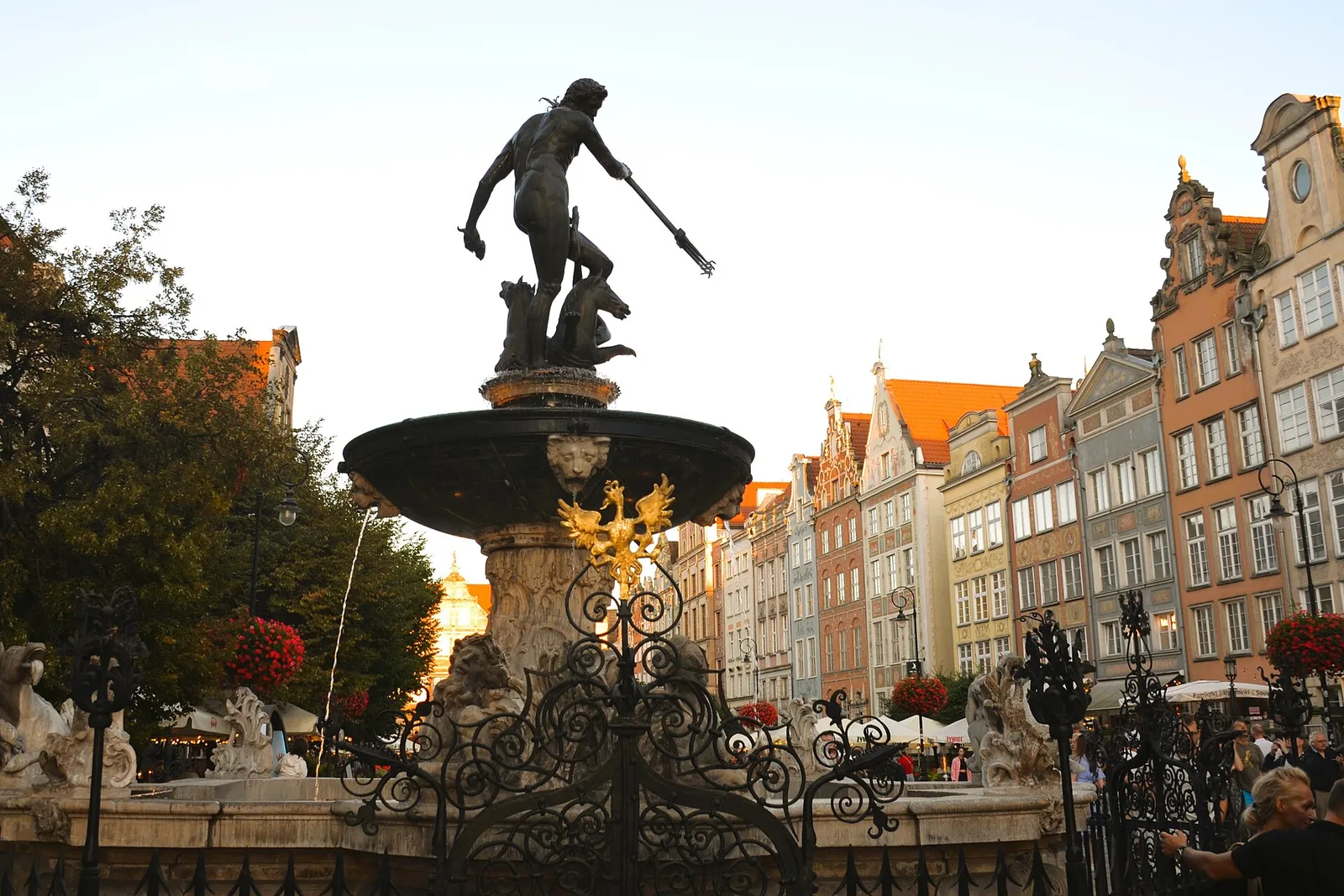
Gdansk's Main Town is the compact heart of the city: the Royal Route from the Golden Gate through Dlugi Targ to the Green Gate, the Neptune fountain, Mariacka street and the Motlawa waterfront, all walkable for free in a morning. Go knowing that roughly nine tenths of it was rebuilt after 1945, because that reconstruction is the real story.
By The Real Traveler Experiences team. We earn a commission if you book through our links. It never changes a verdict.
The Gdansk story
Gdansk is one of northern Europe's most satisfying short breaks: a Baltic port rebuilt almost from scratch after 1945, with a Main Town so handsome it is hard to believe most of it is younger than its visitors' grandparents. The Long Market, St. Mary's Basilica and the medieval crane on the Motlawa sit within a fifteen-minute walk of each other, and the shipyard story that helped end communism gets a world-class telling at the European Solidarity Centre.
The verdict in 30 seconds
Go
Gdansk's Main Town is the compact heart of the city: the Royal Route from the Golden Gate through Dlugi Targ to the Green Gate, the Neptune fountain, Mariacka street and the Motlawa waterfront, all walkable for free in a morning. Go knowing that roughly nine tenths of it was rebuilt after 1945, because that reconstruction is the real story.
Go if
- First-time visitors who want the whole city story in one walkable loop of gates, squares and waterfront
- Architecture and history fans who like the twist that the 'medieval' facades are a postwar rebuild
- Photographers and slow walkers, especially early morning and after dark when the crowds thin
Skip if
- You only have hours in Gdansk and would rather pick one big museum such as the WWII Museum or the Solidarity Centre
- Peak-season crowds on Dlugi Targ and the Mariacka amber stalls bother you
- Uneven cobblestones and steps are a problem; the pretty lanes are not wheelchair-friendly
What it costs
- Main Town streets, squares and riverfront: zł 0 (the Royal Route, Neptune fountain, Mariacka, Zuraw crane and Motlawa promenade are public space, open at all hours). Official source, checked Oct 2026.
- St Mary's Basilica tower: zł 20 (10 PLN reduced, sold as donation bricks funding the basilica; about 400 steps; tower closed in storms). Official source, checked Oct 2026.
What travelers report
Based on 13 traveler reports (Dec 2024 to Apr 2026) and the official sources linked on this page. 0 were negative.
What people like
- The Royal Route from Golden Gate to Green Gate packs the Neptune fountain, Artus Court and merchant facades into a short, flat walk.
- Mariacka street's galleried porches and amber stalls are the quarter visitors photograph most.
- The Motlawa waterfront, with the medieval Zuraw crane and swinging footbridges, is free and atmospheric day and night.
- Knowing the district was rebuilt after 1945 turns the facades from scenery into the story.
What people complain about
- Summer crowds pack Dlugi Targ shoulder to shoulder, and the amber stalls can read as tourist kitsch.
- Almost nothing is medieval, which disappoints visitors who arrive expecting Warsaw's UNESCO-listed rebuild treatment.
- Cobblestones, cellar steps and narrow Mariacka stairs make parts of it awkward with wheels or weak knees.
- Restaurants on the main drag charge view prices; reports steer meals a street or two back.
How to do it right
- Start at the Golden Gate and walk the Royal Route down Dluga and Dlugi Targ to the Green Gate at the Motlawa, with the Neptune fountain and Artus Court in between.
- Turn into Mariacka street for the galleried terraces and amber stalls, then step inside St Mary's Basilica, free and vast.
- Loop back along the riverfront Wartka street past the medieval Zuraw crane and the Granary Island footbridges.
- Learn the 1945 destruction and reconstruction story before or as you walk; reports say the facades land differently once you know they are a rebuild.
- Do the paid interiors early in the day and return after dark, when the waterfront and Neptune fountain are lit and tour groups have gone.
The trap to avoid
Judging it as a surviving medieval quarter and feeling mildly cheated, or never learning it is a rebuild at all. Most of the Main Town was flattened in 1945 and reconstructed over decades from paintings, records and surviving fragments. Reports agree the district works best once you read that story first; it also explains the stylized, slightly storybook facades on Dlugi Targ.
Why this verdict
This is the district nearly every visitor calls the reason to come, and it is free. The Main Town compresses Gdansk into a walkable loop: through the Golden Gate, down Dluga and Dlugi Targ past the Neptune fountain and Artus Court, out the Green Gate and along the Motlawa past the medieval Zuraw crane. Reports consistently call the streetscape the highlight of the city, and Mariacka street, with its galleried terraces and amber stalls, the prettiest lane.
The candor part: this is a reconstruction. Roughly nine tenths of the Main Town was destroyed in 1945, and what you see was rebuilt over the following decades from paintings, records and fragments. Unlike Warsaw’s UNESCO-listed rebuild, Gdansk’s is stylized rather than literal, which is why the facades can read slightly storybook. Reports that know this going in almost all land positive; the ones that grumble usually expected untouched medieval fabric.
What is actually paid: nothing on the streets. The district’s interiors charge separately, and reports single out St Mary’s tower climb and the Main Town Hall tower for the rooftop views over the roofline and river.
Timing and tickets
Crowds are the main variable. Summer midday on Dlugi Targ is shoulder-to-shoulder and the Mariacka stalls thrum; early morning and after dark give you the lit waterfront mostly to yourself. Several reports rank the winter and the Christmas market as the most atmospheric season of all. Cobblestones and cellar steps make the pretty bits awkward with wheels, so plan the loop accordingly.
Book or check times
Gdansk Tourism Organisation visitor portalMuseum of Gdansk branches in the Main TownSt Mary's Basilica visitor information and tower tickets
We earn a commission if you book through our links. It never changes a verdict. How this works
Book an old town walking tourpartner siteBook a Main Town group walkpartner site
Where to stay
Staying in Gdansk?
Which area of Gdansk to stay in, based on traveler reports. Search Gdansk hotels on Expedia partner site
Questions
Is Gdansk old town original?
Mostly no. Around nine tenths of the Main Town was destroyed in 1945 and rebuilt in the decades after, from paintings, photographs and fragments. It is not a UNESCO site like Warsaw's rebuild, but reports agree it is convincing and atmospheric, and the reconstruction is itself the point.
How long does the old town take to see?
The core loop from the Golden Gate to the Motlawa waterfront takes an hour or two at walking pace; reports that add Mariacka street, St Mary's and the riverfront tend to give it a half day, and a full day if you enter the paid interiors.
Is the old town free?
Yes, the streets, squares, Neptune fountain and Motlawa promenade are public. Individual sights inside the district charge separately: St Mary's tower costs 20 PLN, and the Museum of Gdansk branches such as the Main Town Hall and Artus Court sell their own tickets.
When is it least crowded?
Early morning and the evening. Summer midday packs Dlugi Targ with tour groups and the Mariacka stalls with browsers; several reports call winter and the Christmas market a quieter, atmospheric alternative.
What is actually inside the old town worth paying for?
The recurring picks in reports are St Mary's tower climb for the rooftop view, the Main Town Hall's tower rooms, Artus Court's hall and a paid boat or walking tour for orientation. Everything along the riverfront costs nothing.