Fuerteventura / The verdict
Fuerteventura or Lanzarote: which Canary island?
Pick Fuerteventura if the holiday is the beach: it has the biggest, wildest sands in the Canaries, the best wind sports and a slower, emptier feel. Pick Lanzarote if the holiday is the island itself: Timanfaya, the Cesar Manrique attractions, La Geria vineyards and more to fill a week beyond the sand. They are 11 km apart and linked by a 25-minute ferry, so a twin-island trip is easy.
By The Real Traveler Experiences team. We earn a commission if you book through our links. It never changes a verdict.
The Fuerteventura story
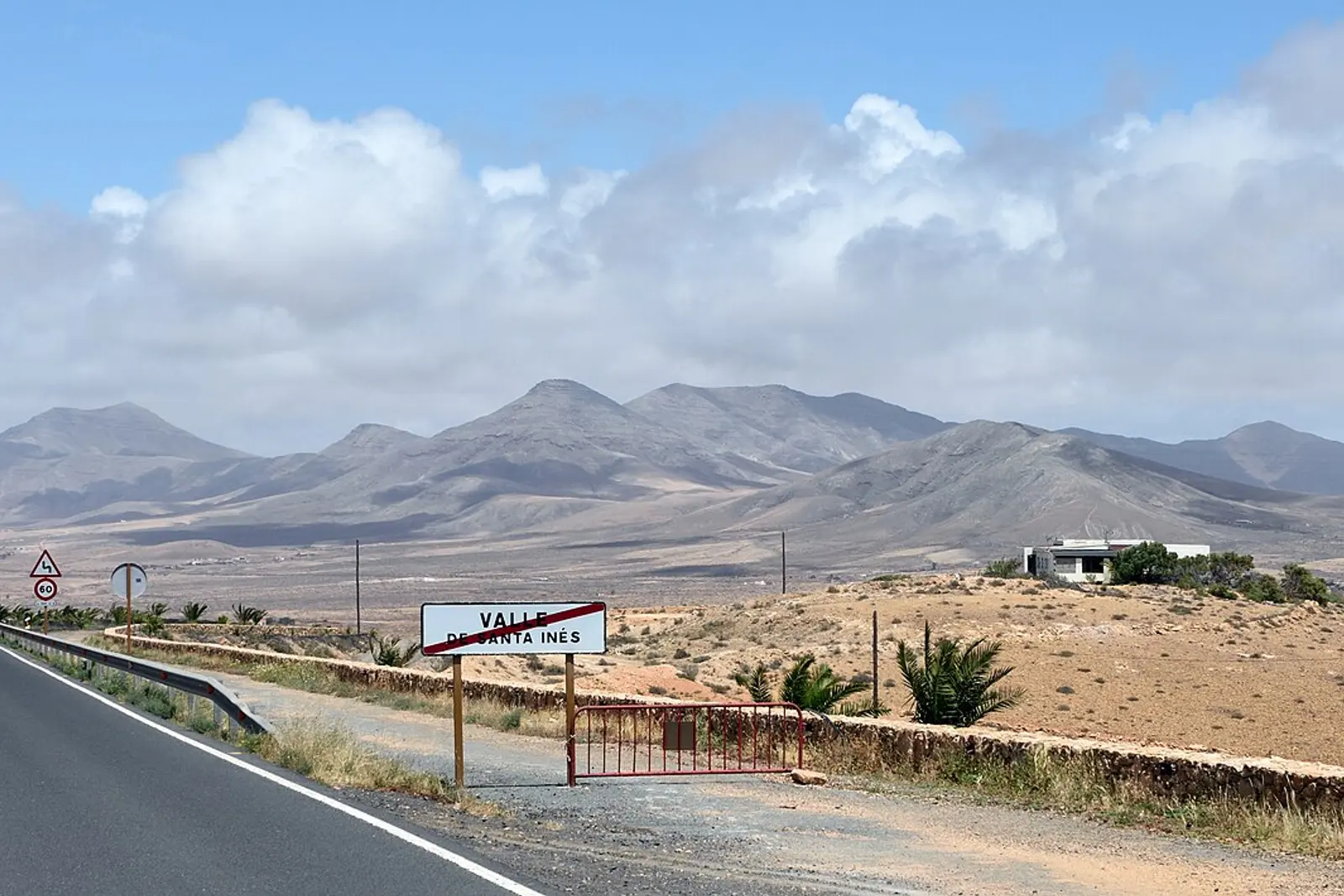
Fuerteventura is the Canaries' beach island: the Corralejo dunes spilling into turquoise water, the Jandia peninsula hiding some of Europe's emptiest beaches behind an unpaved mountain road, and the Sotavento lagoons that made the island a wind and kite capital. If the trip is about sand and sea first, this is the best island in the archipelago for it.
The verdict in 30 seconds
Our pick: Fuerteventura (runner-up: Lanzarote)
Pick Fuerteventura if the holiday is the beach: it has the biggest, wildest sands in the Canaries, the best wind sports and a slower, emptier feel. Pick Lanzarote if the holiday is the island itself: Timanfaya, the Cesar Manrique attractions, La Geria vineyards and more to fill a week beyond the sand. They are 11 km apart and linked by a 25-minute ferry, so a twin-island trip is easy.
Go if
- Beach lovers and relaxers; Fuerteventura's dunes and kilometers of pale sand have no equal on Lanzarote
- Surfers, windsurfers and kitesurfers; Fuerteventura is the wind-sport capital of the archipelago
- Sightseers, photographers and food-and-wine travelers; Lanzarote packs Timanfaya, the Manrique centers and La Geria into a compact island
- Families wanting calm-water coves and a varied week; Lanzarote's Papagayo coves and organized attractions are easier to string together
Skip if
- You need lush green scenery; both islands are arid and volcanic, pick Tenerife or La Palma instead
- You want a buzzing city break; neither island has one, though Arrecife and Puerto del Rosario are real working capitals
- You hate wind altogether; both are the Canaries' windiest pair, Lanzarote marginally less so on its sheltered southeast coves
The options
Fuerteventura Go
Beach-first travelers, surfers and wind riders, quiet-seekers and anyone who wants space over sightseeing.
Good
- The biggest and wildest sands in the Canaries: Corralejo's dunes, the Sotavento lagoon coast and Jandia's endless strands
- The archipelago's wind-sport capital; steady trade winds power world-class windsurfing and kitesurfing
- A slower, emptier island where most headline days (beaches, viewpoints, villages) are free
Watch out
- Less to see and do beyond the sand; attractions are scattered and the interior is quiet to a fault
- The windiest reputation of the pair, and the long thin island means real driving between bases
- Nightlife and restaurant choice are modest outside Corralejo and Morro Jable
Lanzarote Go
Sightseers, photographers, wine and food travelers, and families who want a varied week of short drives.
Good
- Europe's strangest landscape: Timanfaya's lava fields plus the Manrique centers (Jameos del Agua, Cueva de los Verdes, Mirador del Rio)
- The La Geria wine country, where vines grow in volcanic pits and the oldest Canarian bodega (1775) still pours
- Compact and polished: half Fuerteventura's size, prettier coves like Papagayo, and more restaurants and tours packed in
Watch out
- Fewer and busier beaches; nothing approaches Fuerteventura's scale of sand
- The paid-sights model adds up: EUR 9 to 30 per CACT center with timed online booking
- Busier and more commercialized at the headline spots, especially in peak months
Both islands in one trip Go
Trips of a week or more, repeat Canaries visitors, and anyone torn between beach days and sightseeing.
Good
- A 25 to 35 minute Corralejo to Playa Blanca ferry with several daily departures makes the pair a single holiday
- The ferry takes cars, so a split stay (Corralejo or El Cotillo plus Puerto del Carmen or Playa Blanca) is practical
- Gets both strengths: Fuerteventura's beaches and quiet with Lanzarote's volcanic circuit as a day trip
Watch out
- Ferry fares for a family with a car add up on repeat crossings
- Split stays cost a hotel change and a transfer; under a week it can feel like travel admin
- Rough sea days occasionally disrupt the small fast ferries
See Lanzarote day trip optionspartner site
| Criterion | Fuerteventura | Lanzarote | Both islands in one trip |
|---|---|---|---|
| Headline landscape | Dunes and endless pale sand | Lava fields and volcanic cones | Coast of one, lava of the other |
| Beaches | Biggest and wildest in the Canaries | Fewer but prettier coves (Papagayo, Famara) | Full range across both |
| Things to do | Beaches, surf, quiet villages | Timanfaya, Manrique centers, wine | All of it, ferry-linked |
| Costs beyond the hotel | Mostly free days; cheap ferries | EUR 9 to 30 per attraction | Ferry fares on top |
| Pace and crowds | Slower, emptier, windier | Busier, more organized | Depends where you sleep |
| Size and driving | 1,660 km2, long distances | 846 km2, short hops | Two islands, one ferry |
| Best for | Beach holidays and wind sports | Sightseeing and variety | Week-plus and undecided |
What it costs
- Corralejo to Playa Blanca fast ferry, adult one-way: €8 (from EUR 8 on promotion, standard fares higher; 25 to 35 minutes, several sailings daily from three operators). Official source, checked Oct 2026.
- Montanas del Fuego (Timanfaya National Park), adult: €30 (children 7 to 12 EUR 15; online only with an assigned time slot, no box-office sales, 75-minute coach route). Official source, checked Oct 2026.
- Jameos del Agua, adult: €17 (children 7 to 12 EUR 11.20; Cueva de los Verdes the same price, Mirador del Rio EUR 9). Official source, checked Oct 2026.
- Isla de Lobos ferry, return adult from Corralejo: €16 (Fuerteventura's cheapest headline excursion; add the free timed permit, capped at 400 visitors a day). Official source, checked Oct 2026.
What travelers report
Based on 12 traveler reports (Sep 2025 to Sep 2026) and the official sources linked on this page. 0 were negative.
What people like
- The two islands suit different holidays: one is built around sand, the other around lava and art.
- Fuerteventura's beaches are the biggest and emptiest in the Canaries; the dunes and Jandia coast are the draw, not a backdrop.
- Lanzarote's Timanfaya, Jameos del Agua and the Manrique circuit give one of Europe's most distinctive sightseeing days.
- The ferry makes the dilemma optional: 25 minutes, several daily sailings, cars allowed.
- Both share year-round mild weather, water near 20 degrees and the same flight market.
What people complain about
- Fuerteventura can feel empty beyond the coast; nightlife, dining and paid attractions are thin compared to Lanzarote.
- Lanzarote's star beaches are smaller and fill earlier; the headline sands cannot match Fuerteventura's scale.
- Lanzarote's attractions now run on timed online tickets, adding planning overhead that Fuerteventura mostly avoids.
- Both are arid and windy; travelers expecting green valleys or total calm picked the wrong archipelago corner.
- Lanzarote is visibly busier and more commercialized at peak times, while Fuerteventura's distances punish the car-free.
How to do it right
- Decide what the holiday is for. If it is mostly sand, sea and slow days, Fuerteventura wins on beach quality and space; if it is mostly seeing things, Lanzarote's volcanic and Manrique circuit is unmatched.
- Check the wind realistically. Both islands are windy; Fuerteventura's north and Sotavento coasts are the engine for surf and kite sports, while Lanzarote's Papagayo coves and Famara offer more sheltered or surf-specific pockets.
- Compare scale: Lanzarote is half the size (846 vs 1,660 km2) and compact enough to see in a week of short drives; Fuerteventura is long and spread out, so sights cost more driving.
- Budget the sightseeing: Lanzarote's CACT centers cost EUR 9 to 30 each and sell by timed slot; Fuerteventura's headline days (beaches, dunes, El Cotillo, viewpoints) are free, with paid extras like the EUR 16 Lobos ferry.
- Do both if undecided: the Corralejo to Playa Blanca fast ferry takes 25 to 35 minutes, runs several times a day from three operators and carries cars, so a day trip or a split week works.
- Book Timanfaya ahead in high season; tickets are online-only with assigned time slots.
The trap to avoid
Assuming the two neighbours are interchangeable. Reports are blunt about the split: Fuerteventura is a beach island with a quiet interior, Lanzarote is a sightseeing island with beaches attached. Booking Lanzarote for long lazy sands or Fuerteventura for a packed excursion week inverts each island's strength.
Why this verdict
Pick Fuerteventura if the holiday is the beach, and Lanzarote if it is the island itself. The reports draw that line again and again. Fuerteventura’s 1,660 km2 hold about 150 km of coast, the Corralejo dunes and the long Sotavento and Jandia sands, with steady trade winds that make it the archipelago’s surf and kite base. Lanzarote is half the size, and about a quarter of it is covered by the lava of the 1730s eruptions; its draw is Timanfaya, the Cesar Manrique centers such as Jameos del Agua and Cueva de los Verdes, and the pit-planted vines of La Geria.
For the beach holiday most visitors book these islands for, Fuerteventura wins: bigger sand, emptier days and most headline days free. Lanzarote is the runner-up and the better week for explorers, food and wine travelers, and families who want organized variety. A Lanzarote guide in the log fills a week with volcano tours, hikes, coves, wine and the Manrique foundation, a list Fuerteventura cannot match away from the coast.
The mixed reports add texture rather than reversing the split. A wine traveler on the La Geria trail found big-bus tastings rushed and recommends small tours. A surfer at Famara describes morning cloud, wind and sand everywhere before the conditions came good. Official tourism figures reported in local news show Lanzarote’s visitor numbers edging up in 2026 while Fuerteventura’s fell, and observatory data show more Fuerteventura visitors choosing self-catering apartments: one island is getting busier, the other is staying quiet.
Costs and getting between them
The biggest cost difference is sightseeing. Lanzarote’s CACT centers charge per site: the official price list shows EUR 30 for adults at the Montanas del Fuego in Timanfaya and EUR 17 at Jameos del Agua, with Mirador del Rio at EUR 9. Timanfaya sells online only, with an assigned time slot and no box office, so book it ahead in high season. On Fuerteventura the paid headline extra is the Isla de Lobos ferry at EUR 16 return from Corralejo, plus a free timed permit capped at 400 visitors a day.
The two islands are close enough that you do not have to choose. Fast ferries from Corralejo to Playa Blanca take 25 to 35 minutes, run several times a day and carry cars, with promotional fares from EUR 8 one way on the operator’s site. A stay of a week or more can split between Corralejo or El Cotillo and Playa Blanca or Puerto del Carmen. On a shorter trip, base yourself on the beach island and make the other a day trip: Timanfaya, La Geria and the south coast fit in one long day from Corralejo, either on your own by car ferry or on a guided day tour that includes the crossing and park entry.
Which to pick
Surfers, kiters and travelers who want space and slow days should book Fuerteventura. Travelers who get bored on a sunbed by day three should book Lanzarote. Anyone with a week or more who cannot decide should split the stay; the ferry makes it simple.
Book or check times
CACT Lanzarote attraction prices and hoursFred. Olsen Express ferry, Lanzarote to FuerteventuraIsla de Lobos ferry times and fares
We earn a commission if you book through our links. It never changes a verdict. How this works
See Lanzarote day trip optionspartner site
Where to stay
Staying in Fuerteventura?
Which area of Fuerteventura to stay in, based on traveler reports. Search Fuerteventura hotels on Expedia partner site
Questions
Which island has better beaches?
Fuerteventura, clearly, on size and wildness: 150 km of coastline, the Corralejo dunes and the Sotavento and Jandia strands are the biggest beaches in the archipelago. Lanzarote counters with quality pockets; the sheltered turquoise coves of Papagayo and the long surf beach at Famara are excellent but fewer and busier.
Which is better for sightseeing?
Lanzarote. A quarter of the island is petrified lava from the 1730 to 1736 eruptions, and the Cesar Manrique legacy means Timanfaya, Jameos del Agua, Cueva de los Verdes, Mirador del Rio and the artist's foundation, plus the La Geria wine region where vines grow in volcanic pits.
Which is windier?
They are the two windiest Canary Islands and roughly comparable, with summer the windiest season. Fuerteventura's west and southeast coasts take the full trade winds; Lanzarote's Famara catches the north swell while Papagayo's coves stay sheltered.
Can you visit both?
Easily. The islands sit 11 km apart and the Corralejo to Playa Blanca ferry takes 25 to 35 minutes with several daily sailings; it takes cars, so many travelers do Timanfaya as a day trip from a Corralejo base or split the week.
Which is cheaper?
Broadly similar for flights and beds, but the spend pattern differs: Lanzarote's official data shows daily tourist spending rising sharply (EUR 181.90 in Q2 2026, up 17.7% year on year), and its paid attractions add up at EUR 9 to 30 per center, while Fuerteventura's best days are free beaches plus a few cheap ferries and museums.
Which is better for families?
Depends on the holiday shape. Fuerteventura suits families who want beach days and space; Lanzarote suits families who want variety, with calm Papagayo coves, camel rides at Timanfaya and compact driving between attractions.
Pack for it
Gear verdicts from our sister site, Real Buyer Experiences: