Montpellier / The verdict
Montpellier or Marseille: which city?
For most south-of-France stays, pick Montpellier: travelers love wandering its large pedestrian center, and Sète, Nîmes and Béziers are short train rides away. Pick Marseille when the trip is about the sea, the calanques and a bigger, grittier port city.
By The Real Traveler Experiences team. We earn a commission if you book through our links. It never changes a verdict.
The Montpellier story
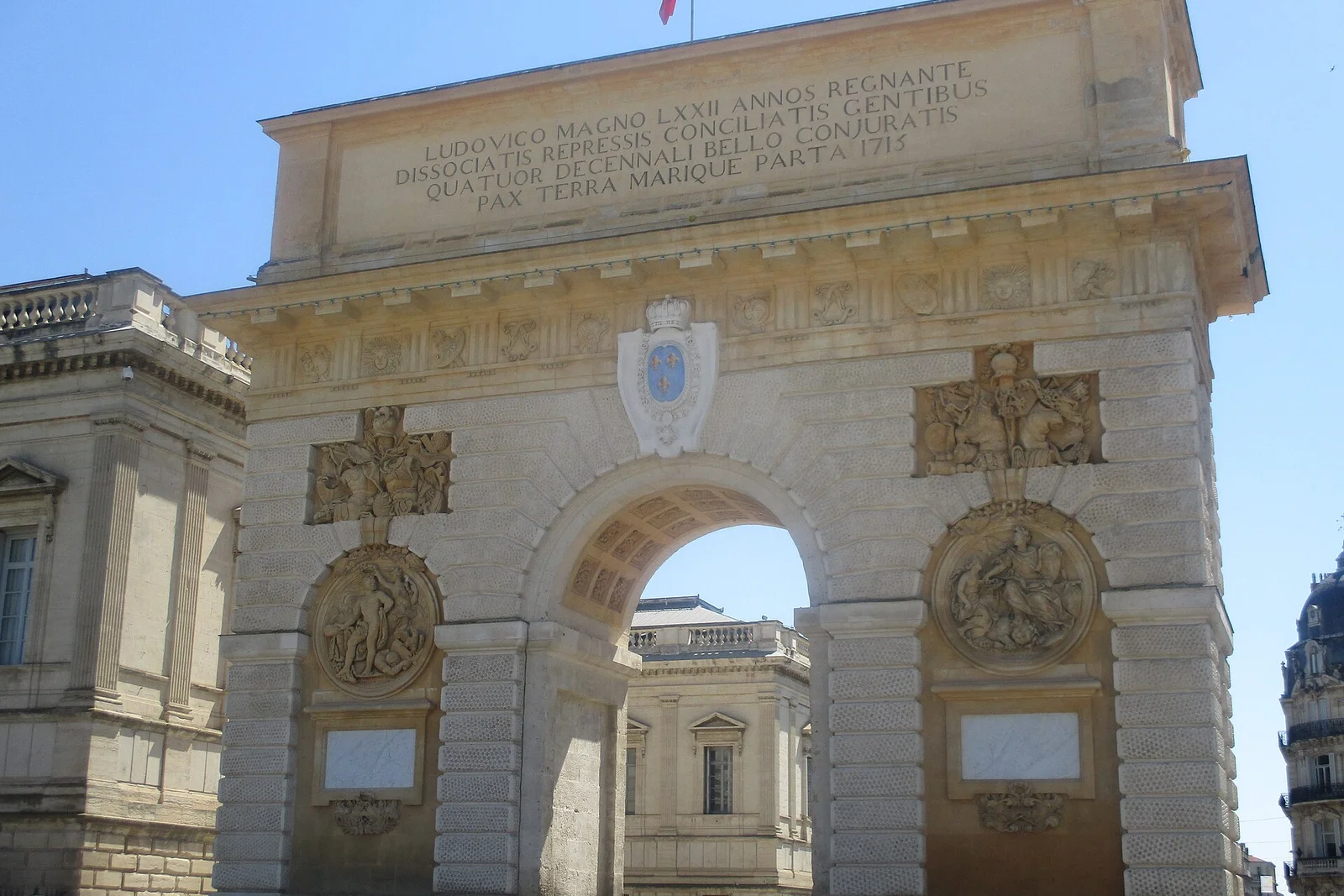
Montpellier is southern France without the Riviera markup: a medieval Ecusson quarter of shaded squares and wine bars spinning out from the Place de la Comedie, where street performers work the terraces until late. The Fabre museum holds one of France's finest provincial collections, old masters through Courbet, Bazille and Soulages, and the Jardin des Plantes has been growing since 1593 as the country's oldest botanical garden. Beyond the stone core, Mediterranean beaches sit a tram-and-walk ride away, with the Travers and Maguelone sands beating kitschy Palavas in season.
The verdict in 30 seconds
Our pick: Montpellier (runner-up: Marseille)
For most south-of-France stays, pick Montpellier: travelers love wandering its large pedestrian center, and Sète, Nîmes and Béziers are short train rides away. Pick Marseille when the trip is about the sea, the calanques and a bigger, grittier port city.
Go if
- You want a relaxed, walkable base with student energy
- You plan day trips by rail to Sète, Nîmes or Béziers
- You prefer wandering, cafés and museums to headline sights
Skip if
- You want the sea and the calanques on your doorstep: Marseille has them inside the city
- You want a big port city's energy and nightlife: Marseille is the livelier stage
- You need one blockbuster sight to anchor the trip: travelers note Montpellier has no single huge attraction
The options
Montpellier Go
A relaxed, walkable base: a large pedestrian historic center, student energy and short train rides to nearby towns.
Good
- Travelers praise the large pedestrian center, explored on foot, by bike or by tram
- A ten-day visitor used it as a base for Sète, Nîmes and Béziers by train, and a repeat visitor adds Avignon
- The Musée Fabre, the Place de la Comédie and the Peyrou sit within a short walk of each other
Watch out
- The beaches are a tram-and-bus or bike ride away, under 30 minutes according to a part-time resident
- A ten-day visitor notes there is no single huge attraction
- A repeat visitor found tram fares for visitors steep
Check Montpellier ratespartner site
Marseille Go
Travelers who want a big port city: the Vieux-Port, Le Panier, the Mucem and the calanques inside city limits.
Good
- Visitors who gave it a few days found a lively city behind the gritty image, with nightlife, food and beaches
- Calanque hikes and swims are the highlight in several reports
- Neighborhoods such as Le Panier and Cours Julien won over visitors who arrived wary
Watch out
- One visitor lists overflowing bins, graffiti and poor upkeep in some areas
- One visitor disliked the city at first and another arrived wary, before both warmed to it
- One four-night visitor calls the Mucem missable
Check Marseille ratespartner siteSee guided calanques hikespartner site
| Criterion | Montpellier | Marseille |
|---|---|---|
| Setting | Compact pedestrian historic center | Big port city on the sea |
| Sea access | Beaches under 30 minutes by tram and bus, per a resident | Sea, beaches and calanques in the city's setting |
| What travelers praise | Walkability, relaxed feel, cafés and museums | Energy, neighborhoods, food and the sea |
| Day trips by rail | Sète, Nîmes, Béziers, Avignon | Not published |
| Reported downsides | No single huge attraction; beach is a ride away | Grit and litter in places; can take time to warm to |
| Getting between them | About 20 trains a day to Marseille, fastest 1h37, from 14 EUR | Same line in reverse |
What it costs
- Musée Fabre entry, adult: €9 (Permanent collections; 6 EUR reduced; temporary exhibitions plus Hôtel Sabatier d'Espeyran 12 EUR; free on the first Sunday of the month; open Tuesday to Sunday 11:00 to 18:00). Official source, checked Oct 2026.
- OUIGO Paris to Montpellier, from-price: €19 (From-price shown on the official site for Paris to Montpellier, all stations). Official source, checked Oct 2026.
- TaM day ticket, 24 hours: €6.50 (Unlimited Montpellier tram and bus for 24 hours; single 90-minute ticket 2.10 EUR. Official page could not be loaded on 2026-10-09; price as last confirmed). Official source, checked Oct 2026.
- Train Montpellier to Marseille, cheapest advertised fare: €14 (About 20 trains a day, fastest 1h37, average 2h34; one way, second class, subject to availability). Official source, checked Oct 2026.
What travelers report
Based on 11 traveler reports (Jan 2025 to Jul 2026) and the official sources linked on this page. 0 were negative.
What people like
- Montpellier's pedestrian center is easy to explore on foot, by bike or by tram, travelers say
- Montpellier works as a rail base for Sète, Nîmes, Béziers and Avignon
- Marseille surprised visitors with its energy, food and nightlife behind the gritty image
- Calanque hikes and swims are a highlight for Marseille visitors
What people complain about
- Marseille has overflowing bins, graffiti and poor upkeep in some areas, one visitor found
- One Marseille visitor disliked the city for its first hours before warming to it
- Montpellier lacks a single huge attraction, a ten-day visitor notes
- Montpellier's beaches are a tram-and-bus or bike ride from the center
How to do it right
- Choose Montpellier as the base if day trips are the plan: a ten-day visitor used it for Sète, Nîmes and Béziers by train.
- Choose Marseille if the sea is the point: the Vieux-Port, Le Panier and the calanques are all in the city.
- In Montpellier, stay near the Place de la Comédie and walk from Saint-Roch station into the pedestrian center.
- In Marseille, give it more than an afternoon; one visitor only warmed to the city after the first hours.
- For the calanques, go early in the season; an early-June visitor found the crowds had not yet arrived.
- Split the stay if you can: about 20 trains a day link the cities, the fastest in 1h37, with fares from 14 EUR.
The trap to avoid
Judging Marseille on a short first look, or expecting Montpellier to deliver one headline sight. One visitor disliked Marseille at first and another arrived wary, and both fell for it, while Montpellier's appeal is the whole walkable center rather than a single landmark.
What to do instead
Why this verdict
Pick Montpellier for most trips, and Marseille when the sea is the point. The six Montpellier reports in the log are all positive, and they praise the same thing: a large pedestrian historic center that travelers explore on foot, by bike or by tram, with the Place de la Comédie, the Musée Fabre and the Peyrou a short walk apart. A couple who stayed ten days used the city as a base for Sète, Nîmes and Béziers by train, and a repeat visitor on a third trip adds Nîmes and Avignon. Their caveats are mild: no single huge attraction, beaches that are a tram-and-bus ride away, and tram fares that one visitor found steep.
Marseille is the runner-up and the right pick for some travelers. The visitors who gave it time came away won over. One spent close to a week and found nightlife, festivals and beaches behind the gritty exterior. Another arrived wary of the reputation and fell for Cours Julien, Le Panier and the Frioul islands. A four-night visitor disliked the city for its first few hours, then fell for its energy, food and calanque swimming, while calling the Mucem missable. An early-June visitor found the calanques trail rough but fun and the crowds not yet arrived. The main complaint is upkeep: one visitor lists overflowing bins, graffiti and poor upkeep in some areas.
The choice comes down to what the trip is for. If it hinges on the sea, calanque hikes and big-city energy, take Marseille and accept the grit. If it hinges on easy wandering, cafés and short train trips to nearby towns, Montpellier wins, and that describes most visitors. Montpellier’s beaches are under 30 minutes away by tram and bus or bike, according to a part-time resident, so the sea is not out of reach.
Timing and tickets
You do not have to choose only one. SNCF Connect lists about 20 trains a day between the two cities, the fastest in 1h37 and the average 2h34, with one-way fares from 14 EUR. A split stay of two or three nights in each works without a car.
In Montpellier, arrive at Saint-Roch station and you are a short walk from the Place de la Comédie and the pedestrian Écusson. The Musée Fabre’s permanent collections cost 9 EUR and are free on the first Sunday of the month; the museum opens Tuesday to Sunday from 11:00 to 18:00. The TaM network runs trams and buses across the city and toward the beaches. A culture-focused visitor covered the museum, the Peyrou and the old churches on foot in a day and found the tourist train oversubscribed, so walking is the simpler choice.
In Marseille, the Vieux-Port, Le Panier and Cours Julien are the areas visitors describe most. For the calanques, the early-June visitor found the trail rough, the water chilly and the crowds not yet arrived. Guided hikes from Luminy are an option if you do not want to find the trails alone.
Give Marseille at least two or three days. One visitor only warmed to it after the first hours, and a single afternoon leaves you with the grit and none of the neighborhoods that changed their minds.
Book or check times
Montpellier tourist officeMarseille tourist officeSNCF Connect: Montpellier to Marseille trainsOUIGO fares
We earn a commission if you book through our links. It never changes a verdict. How this works
Check Montpellier ratespartner siteCheck Marseille ratespartner siteSee guided calanques hikespartner site
Questions
Montpellier or Marseille: which is better?
For most visitors, Montpellier: travelers praise its pedestrian center and use it as a base for rail day trips. Marseille is better when the sea, the calanques and a big-city atmosphere are the point.
Which city is easier to explore on foot?
Montpellier. Travelers praise its large pedestrian historic center, explored on foot, by bike or by tram. Marseille is a bigger city spread around its port.
Which has better beaches?
Marseille has the sea and the calanques within the city. Montpellier's beaches at Carnon, Palavas or Villeneuve-lès-Maguelone are under 30 minutes away by tram and bus or bike, according to a part-time resident.
Which is better as a day-trip base?
Montpellier: a ten-day visitor reached Sète, Nîmes and Béziers by train, and a repeat visitor adds Nîmes and Avignon.
How far is Montpellier from Marseille?
SNCF Connect lists about 20 trains a day, the fastest in 1h37 and the average 2h34, with one-way second-class fares from 14 EUR.
What is the downside of each city?
Montpellier has no single huge attraction, a ten-day visitor notes, and the beaches are a ride away. In Marseille, one visitor lists overflowing bins, graffiti and poor upkeep in some areas, and one visitor needed a few hours to warm to it.
Pack for it
Gear verdicts from our sister site, Real Buyer Experiences: