Tenerife / The verdict
Is a Tenerife food tour worth it?
Go: a guided food tour is the simplest way into Tenerife's guachinches, the family-run north-side taverns serving house wine and short home-cooking menus that most visitors never find on their own. Reports praise the small-group formats for access and portions; the complaints circle around coach-tour logistics and the premium over eating cheap if you can drive yourself.
By The Real Traveler Experiences team. We earn a commission if you book through our links. It never changes a verdict.
The Tenerife story
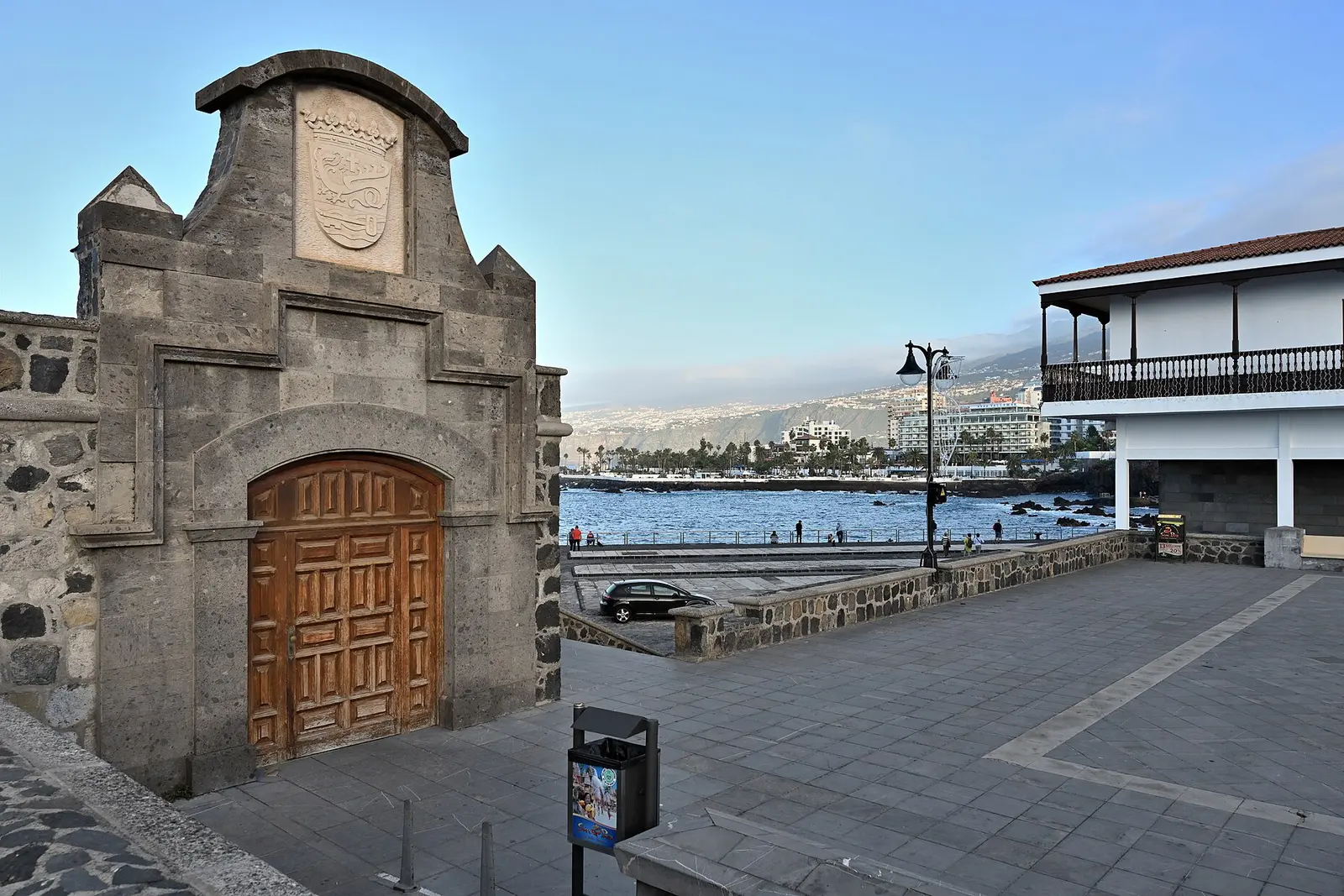
Tenerife is the biggest and most varied of the Canary Islands: Spain's highest peak rising out of a lunar national park, ancient laurel forest in the Anaga mountains, natural lava pools on the north coast, and the dense resort strip around Costa Adeje and Playa de las Americas in the south. The island effectively runs two climates, the sunny dry south where the resorts sit and the greener, cooler north around Puerto de la Cruz.
The verdict in 30 seconds
Go
Go: a guided food tour is the simplest way into Tenerife's guachinches, the family-run north-side taverns serving house wine and short home-cooking menus that most visitors never find on their own. Reports praise the small-group formats for access and portions; the complaints circle around coach-tour logistics and the premium over eating cheap if you can drive yourself.
Go if
- Food-first visitors without a car; reports describe pickups from the south coast, Santa Cruz and Puerto de la Cruz on the guachinche tours
- Travelers who want real Canarian cooking plus context; guides explain the dishes, the DO wines and how guachinches work
- Short-stay visitors who want guachinches, wineries and a sit-down lunch compressed into one half or full day
Skip if
- You have a rental car and are comfortable hunting seasonal taverns yourself; reports put guachinche meals at EUR 15 to 20 per person, far below tour prices
- You are based only for beaches and resort dining; the worthwhile tours all run north into Tacoronte, El Sauzal and La Orotava
- You are vegetarian or a light eater; menus center on ribs, chickpea stews and fried pork, and reports flag the sheer volume of food
What it costs
- Gastrowalk gourmet tapas and wine tour, Santa Cruz de Tenerife, per person: €39.50 (Self-guided walk of about 2.5 hours covering 4 tapas and 4 drinks across local stops, with WhatsApp assistance; Mondays run 3 stops). Official source, checked Oct 2026.
- Viajes Teide Gastronomy Tour Tenerife, per person: €82 (Full-day guided coach tour on Thursdays: La Laguna, a tasting at Casa del Vino and a 4-course lunch at Bodegas Monje, with hotel pickup). Official source, checked Oct 2026.
- Casa del Vino de Tenerife, El Sauzal, museum entry: €0 (Free entry to the wine museum and honey centre; paid tastings run EUR 16 to 30 and should be booked on the site in advance). Official source, checked Oct 2026.
- Casa del Vino Malvasia tasting, per person: €16 (Entry-level tasting of 3 wines with 3 pairings; the 30 EUR Listan Negro tier pours 5 wines with 7 pairings). Official source, checked Oct 2026.
- Bodegas Monje mojo sauce workshop plus winery tour, per person: €46 (Hands-on mojo-making class at the El Sauzal winery, booked direct through the winery's own reservation system). Official source, checked Oct 2026.
What travelers report
Based on 13 traveler reports (Feb 2025 to Jul 2026) and the official sources linked on this page. 0 were negative.
What people like
- Guachinches themselves win the strongest praise: reports call the house wine, three-dish menus and EUR 15 to 20 bills the most genuine eating on the island (6 of 13 reports).
- Small-group guachinche tours are praised for generous portions, friendly guides and the mix of winery stops with a proper local lunch (4 reports).
- The north's wine and food pairing, from Casa del Vino tastings to Bodegas Monje lunches above the vines, reads as the highlight of guided days out (3 reports).
- Videos of actual guachinche meals back the written reports: heaped plates, house red and bills that look almost implausibly low (2 reports).
What people complain about
- Coach-format tours draw the sharpest complaints: long hotel-pickup chains, thin commentary between stops and lunch running late into the afternoon (3 reports).
- Price is the recurring caveat; a guided tour costs 4 to 5 times what the same guachinche meal costs a self-driving traveler (3 reports).
- Authenticity is eroding: reports warn that many venues market themselves as guachinches while only a few dozen licensed, seasonal originals remain (3 reports).
- Menus are meat-heavy and portions large, so vegetarians and light eaters get less value from the format (2 reports).
How to do it right
- Choose a tour that names an actual guachinche or winery on the itinerary; reports warn that many restaurants borrow the guachinche label without serving house wine or short menus.
- Real guachinches are seasonal and mostly open November through spring; reports note only a few dozen licensed ones remain, clustered around Tacoronte, El Sauzal, La Matanza and La Orotava.
- Spot a genuine guachinche by the official red V sign, its own-house wine only, and a menu capped at about three dishes; a flashy roadside sign often means a regular restaurant.
- If you have a car, DIY is cheap: reports describe full meals with wine at EUR 15 to 20 per person at guachinches like Los Gomez, compared with EUR 80 and up for guided tours.
- Without a car, a self-guided tapas walk covers Santa Cruz for under EUR 40, and the tram-plus-bus network reaches La Laguna and El Sauzal if you prefer public transport over a coach tour.
- Book winery experiences direct where possible: Casa del Vino tastings and Bodegas Monje workshops sell on their own sites, and the museum itself is free.
The trap to avoid
Booking a coach gastronomy tour expecting an intimate tasting day. Reports on the big full-day format describe long hotel-pickup chains across the south, a guide who says little between stops and a lunch that runs late; the small-group guachinche tours avoid most of that.
What to do instead
Why this verdict
The reports agree on the essentials: Tenerife’s distinctive eating happens in guachinches, the seasonal family taverns of the north, and they are hard to use without help. A licensed guachinche pours only its own wine, lists around three dishes and opens roughly November through spring, and news coverage counts only a few dozen legitimate ones left while imitators borrow the name. A guided tour solves exactly that problem: it knows which taverns are real, currently open and worth the drive.
The negative reports are about format rather than food. The big full-day coach gastronomy tour draws complaints about long pickup chains, quiet stretches between stops and a late lunch, and it costs EUR 82 and up where a self-driving guachinche meal runs EUR 15 to 20 with wine. That gap is why the verdict is go rather than unqualified: pay for the small-group format with a named guachinche and a winery, and it earns its price in access and context.
Travelers with a car and appetite for research can skip the tour entirely and eat better for less, and the free Casa del Vino museum plus EUR 16 tastings make a cheap anchor for a DIY north day. The verdict stays go because most visitors lack exactly the thing these tours sell: a reliable way into seasonal, unmarked taverns that do not advertise to tourists.
Timing and tickets
Book small-group guachinche tours a few days ahead; they cap at around eight seats and include hotel pickup across the south, Santa Cruz and Puerto de la Cruz. The Viajes Teide coach tour runs Thursdays only, so plan around it. If visiting November through May, confirm guachinches on the itinerary are actually open that week, since each closes when the family wine runs out. Self-guided options like the EUR 39.50 Santa Cruz tapas walk start whenever you arrive, and Casa del Vino tastings at EUR 16 to 30 should be reserved on the winery’s own site. Mon closes Casa del Vino; hours stretch later Wednesday to Saturday.
Book or check times
Gastrowalk Santa Cruz tapas and wine tourViajes Teide gastronomy tourCasa del Vino tastings and reservationsBodegas Monje workshops and winery visits
We earn a commission if you book through our links. It never changes a verdict. How this works
Check the full-day gastronomy tourpartner site
Where to stay
Staying in Tenerife?
Which area of Tenerife to stay in, based on traveler reports. Search Tenerife hotels on Expedia partner site
Questions
What is a guachinche in Tenerife?
A seasonal, family-run eatery in the north that serves its own harvest wine with a short menu of home cooking, legally capped at about three dishes plus pickled starters and fruit. Reports describe them as the cheapest real Canarian meals on the island, around EUR 15 to 20 with wine.
How much does a Tenerife food tour cost in 2026?
A self-guided tapas walk in Santa Cruz costs EUR 39.50, winery workshops run about EUR 16 to 46, guided small-group guachinche tours cost roughly USD 135 per person, and the big coach gastronomy day starts at EUR 82 from the operator.
When are guachinches open?
Most open with the new wine in November and close by spring, roughly March to June depending on the harvest; reports advise checking current listings because opening is tied to how much wine the family has left.
Is a food tour worth it if I have a rental car?
Probably skip the paid tour and drive yourself to the Tacoronte or El Sauzal guachinches; the food is the same and a meal costs a fraction of the ticket. The tour still makes sense if you want wine without a designated driver or want the history explained.
Do food tours include hotel pickup?
The guided guachinche and gastronomy tours include pickup in the south resort belt, Santa Cruz and Puerto de la Cruz, but reports describe pickup chains adding significant time in each direction. Self-guided options in Santa Cruz start whenever you show up.