Leipzig / The verdict
Is Leipzig old town worth it?
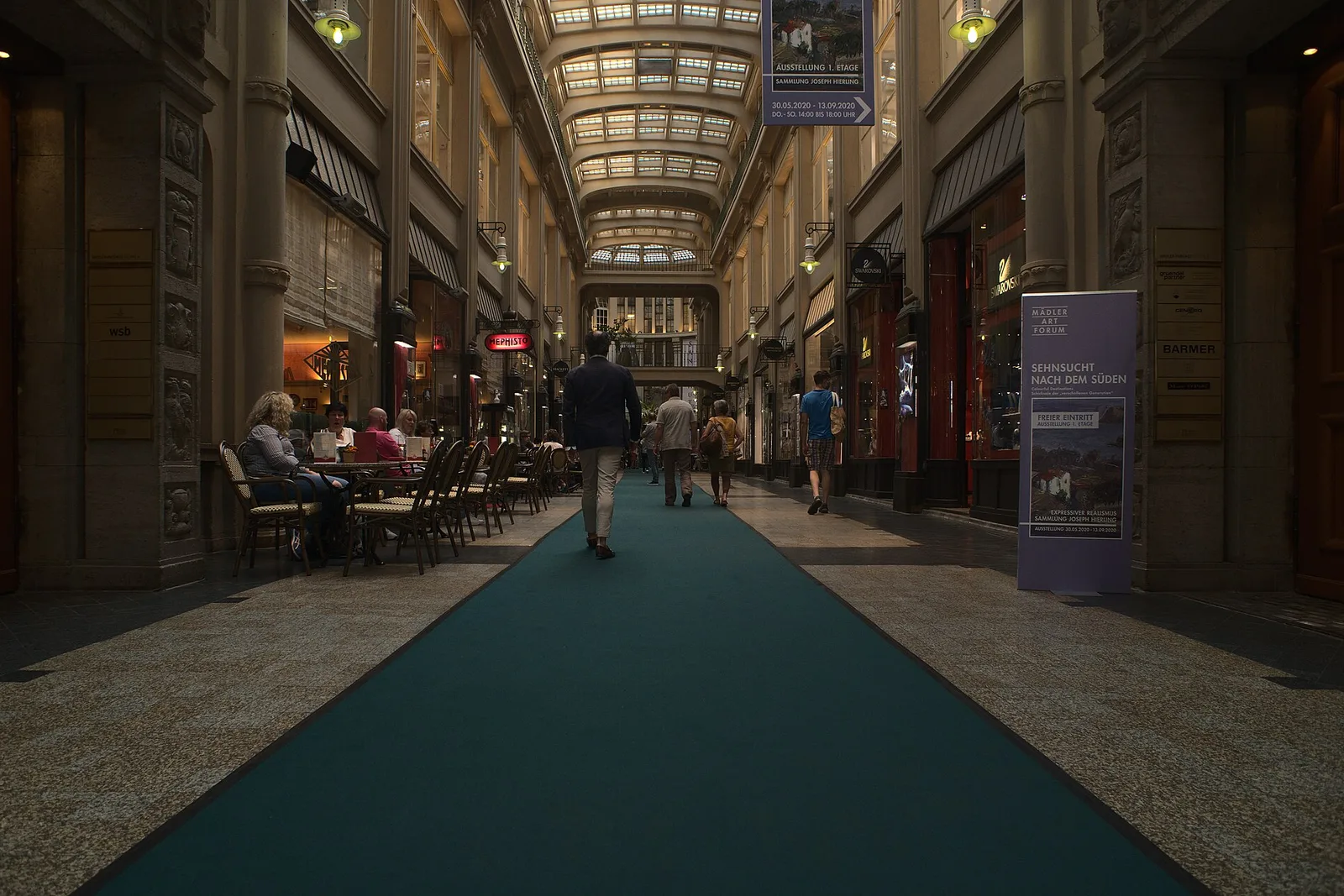
Leipzig's old town is the essential free half day: a compact grid around the market square where Renaissance facades hide a network of covered passages built for trade fairs, capped by the 140-meter Mädler Passage and the Auerbachs Keller where Goethe set a scene of Faust. Everything in the core costs nothing to wander and sits ten minutes on foot from the main station.
By The Real Traveler Experiences team. We earn a commission if you book through our links. It never changes a verdict.
The Leipzig story
Leipzig is Berlin's cheaper, calmer cousin, with a claim on German history that few cities match: Bach's choir at St. Thomas Church, Napoleon at the Battle of Nations Monument, and the 1989 Monday demonstrations that helped end East Germany. The old town wraps arcades and courtyards around the Markt, and the cafes and bookshops are priced for locals rather than visitors.
The verdict in 30 seconds
Go
Leipzig's old town is the essential free half day: a compact grid around the market square where Renaissance facades hide a network of covered passages built for trade fairs, capped by the 140-meter Mädler Passage and the Auerbachs Keller where Goethe set a scene of Faust. Everything in the core costs nothing to wander and sits ten minutes on foot from the main station.
Go if
- First-time visitors who want the city distilled into one walkable circuit
- Architecture and photography fans drawn to arcades, courtyards and rebuilt Renaissance fronts
- Travelers in November or December, when the Christmas market fills the same lanes
Skip if
- You want a medieval quarter on a Nuremberg or Rothenburg scale; this core runs small
- Shopping galleries and pedestrian retail streets put you off
What it costs
- Old town, arcades and market square: €0 (open public space; stepping into Auerbachs Keller to look around is free). Official source, checked Oct 2026.
- Stadtgeschichtliches Museum in the Altes Rathaus, permanent exhibition: €0 (the city lists the permanent exhibition as free through December 2027; guided tours run 5 EUR). Official source, checked Oct 2026.
- Leipzig Card, 1 day: €9.90 (covers all trams and buses plus discounts across town; 3 days 24.90 EUR, group version 49.90 EUR for two adults with up to three children). Official source, checked Oct 2026.
What travelers report
Based on 14 traveler reports (Feb 2025 to Oct 2026) and the official sources linked on this page. 0 were negative.
What people like
- 6 of the logged reports name the passage network, especially the Mädler Passage and Auerbachs Keller, as the quarter's signature experience.
- 5 of the logged reports praise how compact and walkable the center is, reachable on foot straight from the main station.
- 3 of the logged reports call Leipzig an underrated or surprisingly beautiful city stop compared with Dresden or Berlin.
What people complain about
- 3 of the logged reports fit the whole old town into a one-day or half-day itinerary, so the quarter runs smaller than visitors expecting a large medieval core imagine.
- 2 of the logged reports describe the core as shoulder-to-shoulder during Christmas market and festival weekends.
- 2 of the logged reports steer evening plans to the Barfussgässchen dining strip, since the arcade shops close early while the lanes stay open.
How to do it right
- Start at the Markt, where the Renaissance Altes Rathaus fronts the square and the city history museum inside is free.
- Walk Grimmaische Strasse into the Mädler Passage, the showpiece arcade from 1914, and step down into Auerbachs Keller for the Faust room.
- Thread the neighboring courtyards: Barthels Hof, Specks Hof, Königshaus and Strohsack passages link the shopping streets off the square.
- Detour one block to St Nicholas Church, the anchor of the 1989 peaceful revolution, then loop back via the Naschmarkt.
- Finish on the Barfussgässchen, the dining strip locals call the Drallewatsch, where the lanes stay lively after the arcade shops close.
- Allow two to three unrushed hours on foot; Leipzig Markt station on the City Tunnel sits at the quarter's edge.
The trap to avoid
The easy mistake is scale: visitors expecting a sprawling medieval quarter cover the entire circuit in a morning and feel under-served. Reports also note the passages double as luxury shopping galleries whose stores close on Sundays and early evenings, so the best free pleasure is the architecture itself, and the liveliest season crowds (Christmas market, autumn light festival) pack the same lanes shoulder to shoulder.
What to do instead
Leipzig’s old town compresses a thousand years of trade-fair history into a few walkable blocks around the Markt. The Renaissance Altes Rathaus anchors the square and houses the city history museum, whose permanent exhibition is free through the end of 2027. What makes the quarter distinctive is overhead rather than monumental: a system of some 21 covered passages and courtyards built so fair merchants could move goods between showrooms. The 140-meter Mädler Passage from 1914 is the showpiece, sheltering the Auerbachs Keller where Goethe set a Faust scene and where stepping in to look around costs nothing. The free circuit continues through Specks Hof, Barthels Hof and the Königshauspassage to the Barfussgässchen dining strip.
Reports agree this is the essential first half day in Leipzig and also that it ends sooner than expected: the core takes an unrushed two to three hours, which travelers repeatedly describe as compact rather than thin. The counterweight is scale and season. Much of what reads as Renaissance is careful postwar reconstruction after wartime bombing, and the passages double as luxury shopping galleries, so the free pleasure is the architecture rather than the retail. In late November and December the Christmas market packs the same lanes shoulder to shoulder, and the October light festival does the same.
Practicalities favor wandering: the quarter is car-free, Leipzig Markt station on the City Tunnel sits at its edge, and a Leipzig Card adds transport plus discounts if the day extends to the zoo or the southern sights. Admirers call the arcades the city’s soul; skeptics find them elegant but commercial. With the museum free and the walking the only real cost, the balance lands at go.
Book or check times
Mädler Passage and Neumarkt, city tourism pageAltes Rathaus on the market squareStadtgeschichtliches Museum, English pagesLeipzig Card official prices
We earn a commission if you book through our links. It never changes a verdict. How this works
Book a private old-town walking tourpartner site
Where to stay
Staying in Leipzig?
Which area of Leipzig to stay in, based on traveler reports. Search Leipzig hotels on Expedia partner site
Questions
Is Leipzig old town free?
Yes. The squares, passages and courtyards are public space, and the permanent exhibition in the Altes Rathaus city history museum is free through the end of 2027.
How long do you need in Leipzig old town?
Two to three hours covers the market square, the main passages and a look inside Auerbachs Keller at an easy pace; several itineraries in the log fold the whole quarter into a single morning.
What are the Leipzig passages?
About 21 covered arcades and courtyards built for trade-fair merchants to move goods between showrooms. The 140-meter Mädler Passage from 1914 is the most famous, sheltering Auerbachs Keller, which Goethe made a Faust scene in 1790.
Is the old town open on Sundays?
The lanes and passages stay open and restaurants trade normally, but shops inside the arcades shut on Sundays and German holidays, so the galleries feel quieter and darker then.
When is Leipzig old town most crowded?
Reports flag the Christmas market weeks (late November to December 23) and the October light-festival period as shoulder-to-shoulder in the core; ordinary weekends stay manageable.
Pack for it
Gear verdicts from our sister site, Real Buyer Experiences: