Gothenburg / The verdict
Is Haga in Gothenburg worth it?
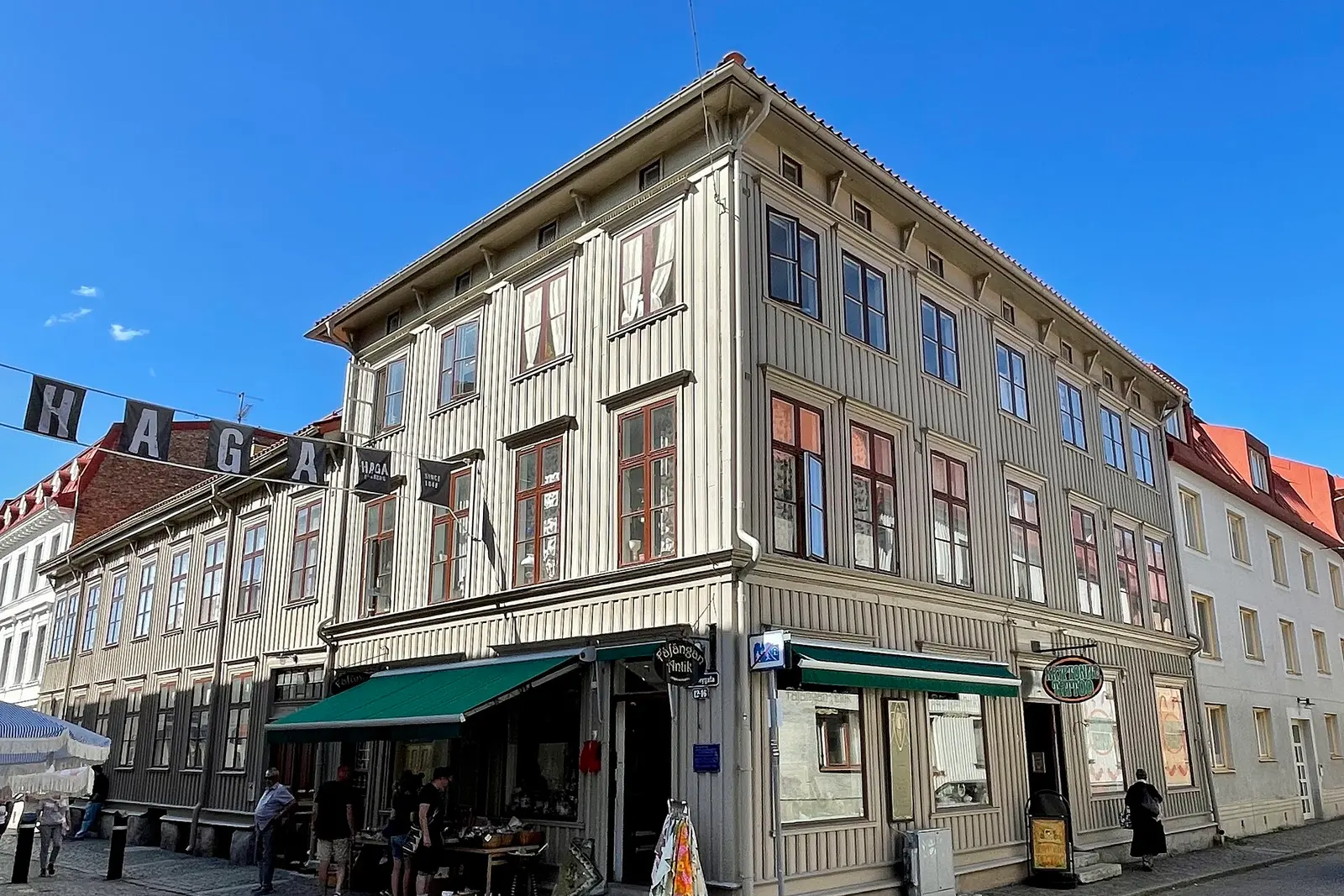
Yes for most visitors. Haga is Gothenburg's first suburb and its easiest half-day: cobbled Haga Nygata, landshövdingehus houses, the plate-sized Hagabullen at Café Husaren and a climb to Skansen Kronan for the view. Plan two to three hours; it is a stroll and a fika, and entry costs nothing.
By The Real Traveler Experiences team. We earn a commission if you book through our links. It never changes a verdict.
The Gothenburg story
Sweden's second city is easier to like than the capital: friendlier, cheaper, and built around eating well. The strengths are seafood from the fish market to shrimp platters at gentler prices, the wooden-house quarter of Haga with cinnamon buns the size of your head, the canals, and public ferries out to a southern archipelago of granite islands and fishing huts. Liseberg, the vintage amusement park, is a genuine local institution rather than a tourist trap.
The verdict in 30 seconds
Go
Yes for most visitors. Haga is Gothenburg's first suburb and its easiest half-day: cobbled Haga Nygata, landshövdingehus houses, the plate-sized Hagabullen at Café Husaren and a climb to Skansen Kronan for the view. Plan two to three hours; it is a stroll and a fika, and entry costs nothing.
Go if
- You want the classic Gothenburg street of cobbles, landshövdingehus houses and independent shops in one compact quarter
- A proper fika is on your list, from Café Husaren's giant Hagabulle to the calmer cafés on the side streets
- You have a free morning or afternoon and want an easy walk from the center
- You are in town on an Advent weekend, when the Christmas market fills Haga Nygata
Skip if
- You need a full-day attraction: travelers describe Haga as one to three hours including fika and the Skansen Kronan climb
- You dislike crowds and can only come on an Advent market weekend, when stalls fill Haga Nygata
- You expect a walled old town on the scale of Stockholm's Gamla Stan; Haga is a few blocks of 19th-century streets
What it costs
- Haga district streets, Haga Nygata and Skansen Kronan viewpoint: kr 0 (the quarter is public space; cafés, shops and the Hagabadet spa price separately). Official source, checked Oct 2026.
What travelers report
Based on 11 traveler reports (Oct 2024 to Dec 2025) and the official sources linked on this page. 0 were negative.
What people like
- Travelers call Haga charming and one of their favorite parts of Gothenburg, with cobbles, old wooden houses and independent shops.
- Fika is the draw in most reports, led by Café Husaren's plate-sized Hagabulle, which travelers suggest sharing.
- The short, steep climb to Skansen Kronan earns praise for the view over the rooftops.
- Several travelers describe Haga as ideal for a slow morning or afternoon walk.
What people complain about
- Café Husaren is a tourist magnet, by one traveler's account, though he still found a seat quickly.
- Haga is small: travelers describe about an hour for the walk and two to three hours at most with fika and the fortress.
- One traveler found the path from Haga up to Skansen Kronan closed and had to go round via Skanstorget.
- A three-day visitor was too full to tackle the giant buns, which are sized for sharing.
How to do it right
- Walk in from the center along the moat and through the parks, or take the tram to Hagakyrkan or Järntorget.
- Start on Haga Nygata, the main street, then explore the side streets and courtyards where the official guide says quieter corners and more shops sit.
- Have fika at Café Husaren for the Hagabulle, and share one; if its queue is long, the official guide lists Le Petit Café, Caféva, Café Kringlan, Jacob's and Hebbe Lelle.
- Climb to Skansen Kronan above the quarter for the view over the rooftops; the walk is short but steep.
- If the direct path up from Haga is closed, use the Skanstorget side, as one traveler had to.
- Finish at Järntorget and the Långgatorna streets for dinner or drinks.
- For the Christmas market, come on a Saturday or Sunday in Advent; the official city guide lists 28 November to 20 December.
The trap to avoid
Planning Haga as a half-day or full-day sight. The quarter is a few streets, travelers describe about an hour for the walk and two to three with fika and the fortress climb, and it works best as part of a day that continues to Linné, Järntorget or Slottsskogen.
Why this verdict
Haga is worth it for most visitors because it costs nothing, sits an easy walk from the center, and delivers the Gothenburg most people come for: cobbled Haga Nygata, landshövdingehus with a stone ground floor and two wooden floors above, small independent shops and the city’s best-known fika. The reports in the log are mostly positive. Travelers call it charming and a favorite district, one found it less touristy than its reputation suggested, and one traveler covering Gothenburg in 24 hours went there straight after check-in.
The mixed reports are about scale and detail rather than value. Haga is a few blocks, and travelers describe about an hour for the walk and two to three hours with a fika and the Skansen Kronan climb. Café Husaren is busy enough that one traveler called it a tourist magnet, although he found a seat quickly. Another found the path from Haga up to Skansen Kronan closed and walked round via Skanstorget. None of these changes the verdict; they change how you plan it.
Getting there
The official city guide describes Haga as an easy walk from the center, with the most scenic route along the old moat and through the parks. By tram, the nearest stops are Hagakyrkan and Järntorget. Haga Nygata, the main street, runs between the two, so you can enter from either end and leave from the other. Haga itself has no hotels, according to the official guide, which points to Grönsakstorget, Esperantoplatsen and Vasastaden as nearby bases.
When to go and how long to stay
Give it two to three hours. A morning suits the slow walk and café stop that travelers describe. In Advent the official guide lists the Christmas market on Haga Nygata on Saturdays and Sundays from 28 November to 20 December, with food, design and craft stalls, choir singing and entertainment. That is Haga at its most atmospheric and most crowded.
What it costs and what to book
Nothing in Haga is ticketed, and there is nothing to book ahead. Your spending is fika and shopping. The official guide names Café Husaren as famous for its giant cinnamon buns and lists Le Petit Café, Caféva, Café Kringlan, Jacob’s and Hebbe Lelle for classic fika. Travelers recommend sharing a Hagabulle; a three-day visitor was too full to try one at all. A guided walk is available if you want the neighborhood’s history explained, but the streets are easy to explore alone.
What to combine
Skansen Kronan, the 17th-century fortress on the hill above Haga, is the natural add-on: the official guide calls it one of the city’s best viewpoints, and travelers describe a short but steep climb. From there, continue to Järntorget and the Långgatorna streets for dinner, or into Linné for more cafés. Haga is a good first stop on a Gothenburg day; pair it with the center, a canal boat or the parks rather than treating it as the whole plan.
Book or check times
Official Haga district guideCafé Husaren, home of the Hagabullen
We earn a commission if you book through our links. It never changes a verdict. How this works
Join a guided walk through the quarterpartner site
Where to stay
Staying in Gothenburg?
Which area of Gothenburg to stay in, based on traveler reports. Search Gothenburg hotels on Expedia partner site
Questions
Is Haga in Gothenburg free to visit?
Yes. Haga is a public neighborhood of streets, shops and cafés, and walking up to the Skansen Kronan viewpoint costs nothing. You pay only for what you buy in the cafés and shops.
How long do you need in Haga?
Travelers describe about an hour to walk Haga Nygata and browse, and two to three hours with a fika stop, the side streets and the climb to Skansen Kronan. One traveler covering Gothenburg in a day budgeted two to three hours there.
How do you get to Haga from central Gothenburg?
The official city guide calls it an easy walk from the center, with the most scenic route along the moat and through the parks. By tram, the closest stops are Hagakyrkan and Järntorget.
Where is the giant cinnamon bun in Haga?
At Café Husaren on Haga Nygata, which the official city guide names as famous for its oversized buns, the Hagabullar. Travelers suggest sharing one, and one found a seat quickly despite the café's popularity.
When is the Haga Christmas market?
The official city guide lists the Christmas market on Haga Nygata on Saturdays and Sundays during Advent, from 28 November to 20 December, with stalls selling food, design and crafts, choir singing and entertainment.
What are landshövdingehus?
Gothenburg's typical wooden houses: a stone ground floor with two wooden floors on top, built between 1870 and 1940 as working-class housing. The official guide explains that fire rules limited wooden houses to two stories, so the stone base made three stories possible.
Pack for it
Gear verdicts from our sister site, Real Buyer Experiences: