Gothenburg / The verdict
Is a food tour in Gothenburg worth it?
It depends on how you like to eat: guided food walks from about 495 SEK earn strong reviews for turning seafood and fika into a story, but Stora Saluhallen and the Feskekorka fish church are free to enter, so confident grazers can assemble the same bites for less.
By The Real Traveler Experiences team. We earn a commission if you book through our links. It never changes a verdict.
The Gothenburg story
Sweden's second city is easier to like than the capital: friendlier, cheaper, and built around eating well. The strengths are seafood from the fish market to shrimp platters at gentler prices, the wooden-house quarter of Haga with cinnamon buns the size of your head, the canals, and public ferries out to a southern archipelago of granite islands and fishing huts. Liseberg, the vintage amusement park, is a genuine local institution rather than a tourist trap.
The verdict in 30 seconds
It depends
It depends on how you like to eat: guided food walks from about 495 SEK earn strong reviews for turning seafood and fika into a story, but Stora Saluhallen and the Feskekorka fish church are free to enter, so confident grazers can assemble the same bites for less.
Go if
- First-time visitors who want west-coast seafood and fika culture explained rather than just eaten
- Solo travelers and couples; reports say the guided walks double as a social lunch with a local host
- Short stays where decoding the food scene quickly beats trial and error
- Seafood lovers; the tasting stops concentrate the shrimp-sandwich and crayfish classics in one pass
Skip if
- You already know you want to graze the market halls yourself; both are free to enter on the days they open
- Tight budgets; the market counters and a cafe fika deliver the same flavors at a fraction of tour prices
- Sunday or Monday visitors, when the market halls are shut and several tours do not run
- Groups of picky eaters; tasting formats leave little room for substitutions
What it costs
- Moveat app-guided tasting tour, City route: kr 599 (self-guided with 6 to 8 stops at your own pace; the Majorna route runs 559 SEK). Official source, checked Oct 2026.
- Limited of Sweden Gothenburg Swedish Tasting Tour: kr 495 (about 1.5 hours taking in Stora Saluhallen and the fish church, in English). Official source, checked Oct 2026.
What travelers report
Based on 12 traveler reports (Feb 2025 to Sep 2026) and the official sources linked on this page. 0 were negative.
What people like
- Guided-walk reviews praise the format for packing seafood, fika and local storytelling into a few hours
- Repeated reports treat the two market halls as the city's food heart: Saluhallen counters by day and the fish church's sit-down seafood
- The hagabulla, Haga's oversize cinnamon bun, is the most consistently named single bite
- Self-guided app tours get warm marks as the cheaper middle ground, with one Swedish review preferring Moveat over the older Matmilen format
What people complain about
- Market hall hours trip up weekend visitors: Saluhallen is closed Sundays and the fish church dark Sundays and Mondays
- A few reports call the guided format expensive once coffee and extras go on top of the ticket
- Seafood prices inside the fish church restaurants read high for lunch portions, several accounts flag
- Tours cluster around midday, so reports suggest booking around lunch hunger rather than after a big breakfast
How to do it right
- Pick the format first: a guided group walk with a host, or an app-guided route like Moveat that runs at your own pace for less
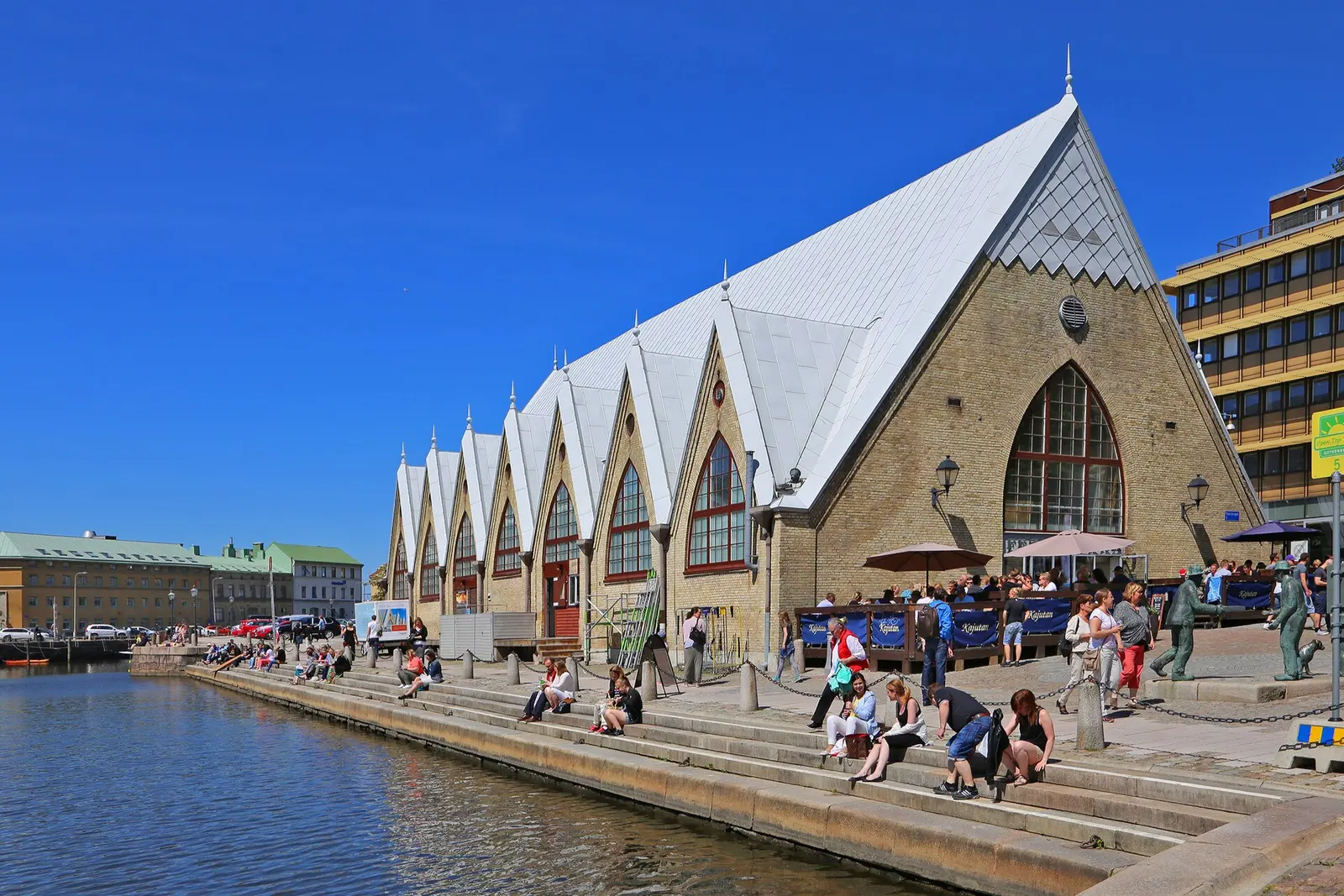
- Anchor the day on the two halls: Stora Saluhallen on Kungstorget for stalls and counters, Feskekorka for sit-down seafood in the 1874 fish-market building
- Add Haga for fika: the oversize cinnamon bun and the cobbled cafe strip are the city's dessert course
- Check opening days before planning around the halls: Saluhallen closes Sundays and Feskekorka closes Sundays and Mondays
- If you book a guided walk, compare the operator's own page with reseller listings; prices and cancellation terms differ
The trap to avoid
Paying tour prices only to be led to the same two market halls you could have browsed for free: the guides earn their fee in context and pre-arranged tastings rather than secret doors, so decide whether storytelling or self-grazing fits how you travel.
What to do instead
Why this verdict
Gothenburg’s food case rests on two free-to-enter rooms. Stora Saluhallen has fed the city since 1888 with cheese stalls, bakeries and seafood counters; Feskekorka, the 1874 fish market shaped like a church, sells the day’s west-coast catch and serves it at communal tables. Reports treat the pair as the city’s food heart, and between them they cover the shrimp sandwich, the crayfish, the oysters and the fika bun that guides write their tours around.
That is the real tension here. A guided food walk costs about 495 to 800 SEK and reviews are warm: you get tastings pre-arranged, the ordering decoded and the story of what you are eating. The value question is whether you need the wrapper. The same halls sit there for free, and grazing them at your own pace costs only what you order. App-guided routes like Moveat split the difference at 559 to 599 SEK, and one Swedish reviewer preferred the format to the older guided walks.
Book the tour when context matters more than savings: a first visit, a short stay, a social lunch with a local host. Skip it when you are happy reading a menu board and choosing your own stops. Either way the food itself is the easy recommendation; reports call the seafood the best argument for the city.
Two timing notes matter: both halls keep market hours, so the food day is a lunch day rather than a dinner plan, and the closing days differ (Saluhallen on Sundays, Feskekorka on Sundays and Mondays). Tours cluster around midday for the same reason.
Book or check times
Stora Saluhallen market hallFeskekorka fish market and restaurantsMoveat self-guided tasting toursLimited of Sweden tasting tours
We earn a commission if you book through our links. It never changes a verdict. How this works
West coast food walking tourpartner siteGothenburg fika tourpartner site
Where to stay
Staying in Gothenburg?
Which area of Gothenburg to stay in, based on traveler reports. Search Gothenburg hotels on Expedia partner site
Questions
How much do food tours cost in Gothenburg?
Guided tasting walks run about 495 to 800 SEK, while app-guided routes like Moveat cost 559 to 599 SEK and let you set the pace. The DIY version is only the price of what you order, since both market halls are free to enter.
What does a food tour include?
Typically three to six tasting stops across the market halls, seafood counters and cafes, covering west-coast seafood, the shrimp sandwich and fika, with a guide explaining what you are eating. Walks run about 1.5 to 3 hours.
Are the market halls free to visit?
Yes. Stora Saluhallen and Feskekorka are free to enter and browse; you pay only for what you eat or buy. Watch the days: Saluhallen is closed on Sundays and Feskekorka is closed Sundays and Mondays.
What food is Gothenburg known for?
West-coast seafood first: shrimp sandwiches piled high, crayfish, oysters and herring. Then fika, the coffee-and-bun ritual, with Haga's oversize cinnamon bun the most-cited single bite. Reports also flag a dining scene that now holds two-star tables.
Food tour or DIY?
Take the tour when you want context, pre-arranged tastings and a host's ordering shortcuts. Go DIY when you are comfortable ordering at counters and would rather spread the spend across more bites; reports enjoy both formats.
When do food tours run?
Year-round with thinner schedules off-season, usually around midday to match market hours. The halls are at their best for a late-morning graze, so plan the tour or the DIY version around lunch rather than dinner.
Pack for it
Gear verdicts from our sister site, Real Buyer Experiences: