Valencia / The verdict
Where should you stay in Valencia?
For a first visit, stay in Ciutat Vella: reports put the cathedral, Central Market and La Lonja inside a flat walk, and the tradeoffs are weekend noise and the city's top rates. Ruzafa is the pick for the dining and nightlife locals use, Eixample for calm central nights, and El Cabanyal for the beach at roughly half the central price.
By The Real Traveler Experiences team. We earn a commission if you book through our links. It never changes a verdict.
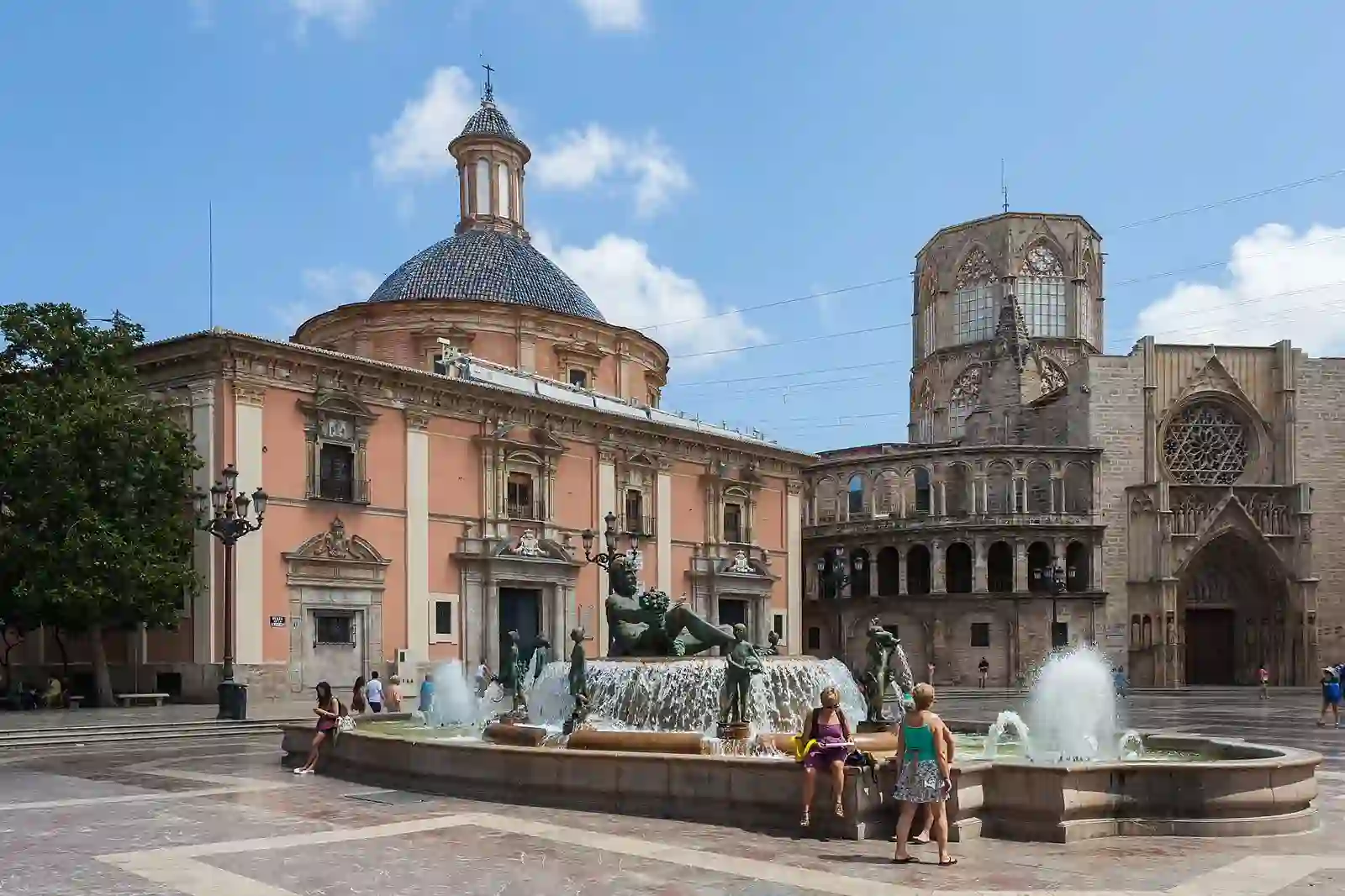
The Valencia story
Valencia is Spain's third city and its most liveable: a flat, golden old town around the [cathedral](/valencia/valencia-cathedral/) and the Central Market, the Turia park running through the city in a former riverbed, and the [City of Arts and Sciences](/valencia/city-of-arts-and-sciences/) at its end. Add paella where it was born and city beaches by tram, and the case for skipping it gets thin.
The verdict in 30 seconds
Our pick: Ciutat Vella (runner-up: Ruzafa)
For a first visit, stay in Ciutat Vella: reports put the cathedral, Central Market and La Lonja inside a flat walk, and the tradeoffs are weekend noise and the city's top rates. Ruzafa is the pick for the dining and nightlife locals use, Eixample for calm central nights, and El Cabanyal for the beach at roughly half the central price.
Go if
- You want every landmark within walking distance and accept the noise tradeoff
- You care more about a restaurant scene than a room above it
- You are deciding between a real neighborhood and a beach base
Skip if
- You need absolute silence at night in the liveliest districts
- You are traveling for Las Fallas in March and cannot book months ahead, when reports say prices double
- You want resort-style pools and big-room hotels, which cluster outside these barrios
The options
Ciutat Vella Go
First-time visitors who want the cathedral, Central Market and La Lonja inside a flat ten minute walk and can pay the central premium.
Good
- Every landmark is on foot; reports describe never needing transit inside the old town
- The strongest hotel stock in the center, from boutique stays to five-stars around Plaza del Ayuntamiento
- Mornings belong to residents before the tour groups build, per neighborhood guides
Watch out
- El Carmen's nightlife streets, including Calle Alta, Calle Baja and Plaza del Tossal, carry an official noise-saturated designation; pick a quieter lane for a weekend stay
- The city's top room rates and the densest tourist presence
- A court ruling now bans new tourist apartments in most of the district, so accommodation here skews to hotels and aparthotel blocks
Cathedral hours and ticketsLa Lonja entry and free SundaysSee hotel options in this areapartner site
Ruzafa Go
Travelers who want the café, restaurant and bar scene locals use, a fifteen to twenty minute walk south of the old town.
Good
- The dining pick of the log: reports name it the neighborhood they would send most travelers to, built around the Mercat de Russafa
- Nightlife aimed at locals rather than visitors, with live music, indie shops and strong vegan options
- Hotel rates start lower than the old town; one guide lists hotels from about 60 EUR a night
Watch out
- loud after dark: a two month resident describes the streets as crazy loud with restaurants running to midnight
- Gentrification pressure is real; a 34 unit tourist-apartment project is pending on one central block
- Fewer monuments inside the barrio itself; you walk or metro to the sights
See hotel options in this areapartner site
Eixample Go
Couples and families who want calm, wide boulevards and central access without the bar noise of Ruzafa or El Carmen.
Good
- The calmest central base in the log, between the old town and Ruzafa on foot
- Elegant grid streets with the city's best shopping around Pla del Remei and wine bars over clubs
- Strong mid-range and upscale hotel stock on quieter avenues
Watch out
- The least distinctive barrio; reports call it the smarter sibling rather than a destination
- Priced like the center without the medieval atmosphere
- Evening action means a short walk to Ruzafa or the old town
El Cabanyal Go
Beach-first and longer stays, and travelers who prefer a lived-in fishing quarter over a polished center.
Good
- Malvarrosa beach is the doorstep; reports put the sand five minutes from the tiled fishermen's houses
- The cheapest rooms in the comparison: a forum thread put an El Cabanyal stay at about half the price of a central one
- A seafood quarter with institutions like Casa Carmela cooking paella over orange wood since 1922
Watch out
- Five kilometers from the sights; the forum math is about twenty minutes by tram or metro plus a walk at the other end
- Fewer evening options and a patchier streetscape than the center; still rough around the edges in spots
- Not the right base for a two day sightseeing blitz, per multiple reports
| Criterion | Ciutat Vella | Ruzafa | Eixample | El Cabanyal |
|---|---|---|---|---|
| Walk to the cathedral and market | At the door | Fifteen to twenty minutes on foot | Ten to fifteen minutes on foot | About twenty minutes by tram or metro, plus a walk |
| Beach access | A transit ride away | A transit ride away | A transit ride away | Five minutes on foot |
| Night noise in the log | Loud on El Carmen's officially saturated streets | Crazy loud after dark per a two month resident | The calmest central option | Quiet village nights |
| Room price reports describe | The city's premium tier | Hotels from about 60 EUR per one guide | Mid to upper range | About half a central stay on the forum report |
| Tourist pressure | Highest; new tourist flats now banned in most of the district | High and rising; dozens more tourist flats pending | Lower; mostly residential boulevards | Low; a working fishing quarter |
| Food scene | Landmark sights and the Central Market, with tourist-priced menus | The restaurant and bar streets locals use | Wine bars and shopping streets | The seafood quarter, paella included |
What it costs
- Metrovalencia single ticket, zone A: €1.50 (covers the metro and tram, including the Maritim line to El Cabanyal; a 10 trip SUMA card good on metro, tram and EMT bus costs 8 EUR plus 1 to 2 EUR for the card). Official source, checked Oct 2026.
- Valencia Cathedral cultural visit (general): €12 (audioguide in ten languages and museum access included; reduced 6 EUR, family pack 22 EUR, under 8 free). Official source, checked Oct 2026.
- La Lonja de la Seda entry: €2 (1 EUR for students, pensioners and groups; free Sundays and public holidays). Official source, checked Oct 2026.
What travelers report
Based on 13 traveler reports (Jan 2025 to Sep 2026) and the official sources linked on this page. 0 were negative.
What people like
- Every guide in the log puts at least one walkable barrio on top; Valencia rewards basing central.
- Ruzafa's food scene earns the most repeated praise, with two reports calling it the place they would send most travelers.
- El Cabanyal's tiled fishermen's streets and orange-wood paella ovens get resident-level affection in the log.
- Transit is cheap and simple; a 10 trip card covering metro, tram and bus costs 8 EUR on official tariffs.
What people complain about
- Night noise is the recurring complaint in both top picks: officially saturated streets in El Carmen and a loud restaurant grid in Ruzafa.
- The beach barrios are farther from the sights than maps suggest; reports warn the commute adds up on short trips.
- Tourist pressure is reshaping the center, with a flat ban on new tourist apartments in most of Ciutat Vella and fresh projects still landing in Ruzafa.
- Fallas week prices shock first-timers; guides report rates roughly doubling.
How to do it right
- Decide center versus beach first: Valencia's major sights cluster inland, so an El Cabanyal base adds a commute every sightseeing day.
- In Ciutat Vella, book a quieter lane if weekend noise matters; reports mark Calle Alta, Calle Baja and Plaza del Tossal as the loud core.
- In Ruzafa, ask for a courtyard-facing room; the restaurant streets run to midnight.
- Book far ahead for Las Fallas in March: guides report hotel prices doubling for the festival week.
- If you pick El Cabanyal, confirm the walk from the Maritim tram or metro stop to your door and note the last connection home.
- Sights on the doorstep of the pick cost little: the cathedral runs 12 EUR, La Lonja 2 EUR and a metro single 1.50 EUR on official tariffs.
The trap to avoid
Booking El Cabanyal for a short city break: a forum answer warns that if most of what you want sits in the old town, the twenty minute ride plus walk each way outweighs the lower room rate. Pay the center premium for a two or three day trip; the beach base pays off on longer, slower stays.
What to do instead
Why this verdict
Valencia is small enough that the choice is really about tradeoffs, not distance. The reports in the log converge on one answer for a first visit: stay in Ciutat Vella. The cathedral, the Central Market, La Lonja and the lanes of El Carmen are all on foot from an old town base, and forum advice is blunt about it: when most of your itinerary sits in the old city, pay the center premium rather than commute. The costs are real though. This is the city’s priciest district for rooms, its densest tourist traffic, and home to nightlife streets that carry an official noise-saturated designation. Book a quieter lane or a courtyard room if weekend noise would bother you.
Ruzafa is the runner-up and the food pick. Two reports call it the barrio they would send most travelers to, built on the Mercat de Russafa and a restaurant-and-bar grid locals actually use. It sits a fifteen to twenty minute walk south of the sights and starts cheaper, with one guide listing hotels from about 60 euros a night. The tradeoff is the noise: a two month resident describes the streets as crazy loud after dark, and the barrio keeps absorbing tourist apartments, including a 34 unit project moving through approvals.
Eixample is the quiet compromise: elegant boulevards between the old town and Ruzafa, the calmest central nights in the log, and no real identity of its own. El Cabanyal answers a different question entirely. Five kilometers out on the tram, the former fishing village trades a commute for the beach, a seafood quarter, and the cheapest rooms in the comparison, about half a central stay on the forum report. It suits week-long and beach-first trips, not a two day monument run.
Timing and booking
The supply picture is shifting: a court-backed veto now blocks new tourist flats across most of Ciutat Vella, so old town accommodation means hotels and aparthotel blocks. Whatever you pick, book months ahead for Las Fallas in March, when guides report prices roughly doubling. Shoulder months, May and October especially, balance weather with availability.
Book or check times
Cathedral hours and ticketsLa Lonja entry and free SundaysMetrovalencia fares
We earn a commission if you book through our links. It never changes a verdict. How this works
See hotel options in this areapartner siteSee hotel options in this areapartner site
Questions
Which area is best for a first visit?
Ciutat Vella. Reports and forum answers converge on the old town for a first stay: the cathedral, Central Market, La Lonja and El Carmen lanes are all on foot. The tradeoffs are the city's top rates and weekend noise on a handful of nightlife streets, so pick a quieter lane if you are a light sleeper.
Is Ruzafa too loud to sleep in?
On the main restaurant streets, after dark, yes: a two month resident describes the barrio as crazy loud with restaurants open to midnight. Courtyard-facing rooms and streets off the main grid sleep fine, and the barrio quiets on weeknights.
Is staying by the beach practical for sightseeing?
It depends on trip length. El Cabanyal sits about 5 km from the center; reports put the ride at around twenty minutes on the tram or metro plus a walk. For a two or three day monument run, forum advice is to pay the old town premium. For week-long or beach-first stays, the lower rates and seafood quarter win.
Are tourist apartments still legal in the old town?
Mostly no. After a Supreme Court ruling, the city now vetoes new tourist flats across most of Ciutat Vella, covering El Carme, La Seu, El Mercat and part of La Xerea; accommodation there means hotels and aparthotel blocks. Ruzafa still has permitted projects, including a 34 unit development moving through approval.
When should I book?
Months ahead for Las Fallas in March, when guides report hotel prices roughly doubling. Otherwise a few weeks out is fine; shoulder seasons (May, June, September, October) balance weather and availability, per the log.
Where do I get the best rates?
El Cabanyal, by a wide margin: the forum comparison put a beach-quarter apartment at about half the price of a central one. Within the center, Ruzafa undercuts Ciutat Vella, with one guide listing hotels from about 60 EUR a night.
Pack for it
Gear verdicts from our sister site, Real Buyer Experiences: