Nuremberg / The verdict
Is a food tour in Nuremberg worth it?
The food is unmissable; the guided tour is optional. The bratwurst kitchens, Lebkuchen shops, red-beer cellars and market stalls sit inside one walkable core, so a self-guided crawl of EUR 20 to 30 covers the classics. A guided tour (the city's own at EUR 75, private operators at EUR 60 to 100) adds the history behind each plate.
By The Real Traveler Experiences team.
The Nuremberg story
Nuremberg is medieval on the surface and twentieth century underneath: the Imperial Castle's Sinwell Tower panoramas over the red roofs, Weissgerbergasse delivers the half-timbered lane, the Hauptmarkt smells of lebkuchen and bratwurst, and then the rally-grounds documentation centre tells the harder story the city carries. The new 2026 exhibition there is drawing raves, and nearly everything inside the walls, squares, bridges, churches and the wall circuit, is free.
The verdict in 30 seconds
It depends
The food is unmissable; the guided tour is optional. The bratwurst kitchens, Lebkuchen shops, red-beer cellars and market stalls sit inside one walkable core, so a self-guided crawl of EUR 20 to 30 covers the classics. A guided tour (the city's own at EUR 75, private operators at EUR 60 to 100) adds the history behind each plate.
Go if
- First-time visitors who want the story behind what they are eating, from the protected bratwurst to the medieval rock-cut beer cellars
- Travelers with one afternoon in the city who want the classics pre-selected and sequenced
- Solo travelers or pairs who want company and a guide decoding German-only menus
- Visitors in Christmas-market season who want tastings bundled into one ticketed walk
Skip if
- You are comfortable walking in and ordering bratwurst, Lebkuchen and beer yourself: the whole circuit fits inside the old town walls
- You are on a tight budget: the same tasting line-up costs a third of the guided price unguided
- You want a long tasting menu or a fine-dining focus: Nuremberg tours concentrate on casual Franconian staples
- You mainly eat dinner: several tours start mid-morning and the tastings add up to a midday meal
What it costs
- The Taste of Nuremberg, official city culinary tour with samples: €75 (Guided tour through the old town with all tastings included; bookable in English via the tourist office). Official source, checked Oct 2026.
- Historische Felsengaenge public cellar tour, adult: €13 (About an hour inside the rock-cut beer cellars; reduced 10 EUR, children under 7 free; English-language run on Sundays; 50 percent off with the Nuernberg Card). Official source, checked Oct 2026.
- Do Eat Better Nuremberg food tour, per person: €99.95 (3.5 hours, at least 4 stops, 2 to 12 guests, English and German; food included in the ticket). Official source, checked Oct 2026.
- Six Rostbratwuerste at Bratwurst Roeslein, with one side: €13.90 (Menu dated March 2026; two sausages on a fork 4.90 EUR, Tucher Rotbier 0.5l 5.90 EUR). Official source, checked Oct 2026.
- Nuernberg Card, adult (48 hours): €38 (Free entry to about 30 museums and sights plus all Zone A transit; 50 percent off the cellar tours; children 6-11 pay 12 EUR). Official source, checked Oct 2026.
What travelers report
Based on 12 traveler reports (Jan 2025 to Jul 2026) and the official sources linked on this page. 0 were negative.
What people like
- Travelers rate the eating itself, bratwurst, Lebkuchen and the beer cellars, as the city's standout experience.
- Everything clusters inside the walls, so the food circuit doubles as the old-town walk.
- Guided formats earn praise for protected-product backstory and cellar access that menus alone never explain.
- The same dishes cost little unguided: sausage plates run about 10 to 15 EUR at the classic kitchens.
What people complain about
- Guided prices of 75 to 100 EUR look steep against a DIY crawl covering identical foods.
- Several tours are tasting walks rather than meals, and drinks cost extra on some formats.
- Departure days thin out off-season, so next-day booking often fails.
- December crowds compress the market stalls and sausage kitchens into slow queues.
How to do it right
- Decide guided versus DIY first: the city's own tasting tour costs 75 EUR all-in, while a self-guided lap of the same foods runs about 20 to 30 EUR.
- If guided, book the official Taste of Nuremberg through the tourist office: English dates exist and every sample is bundled into the ticket.
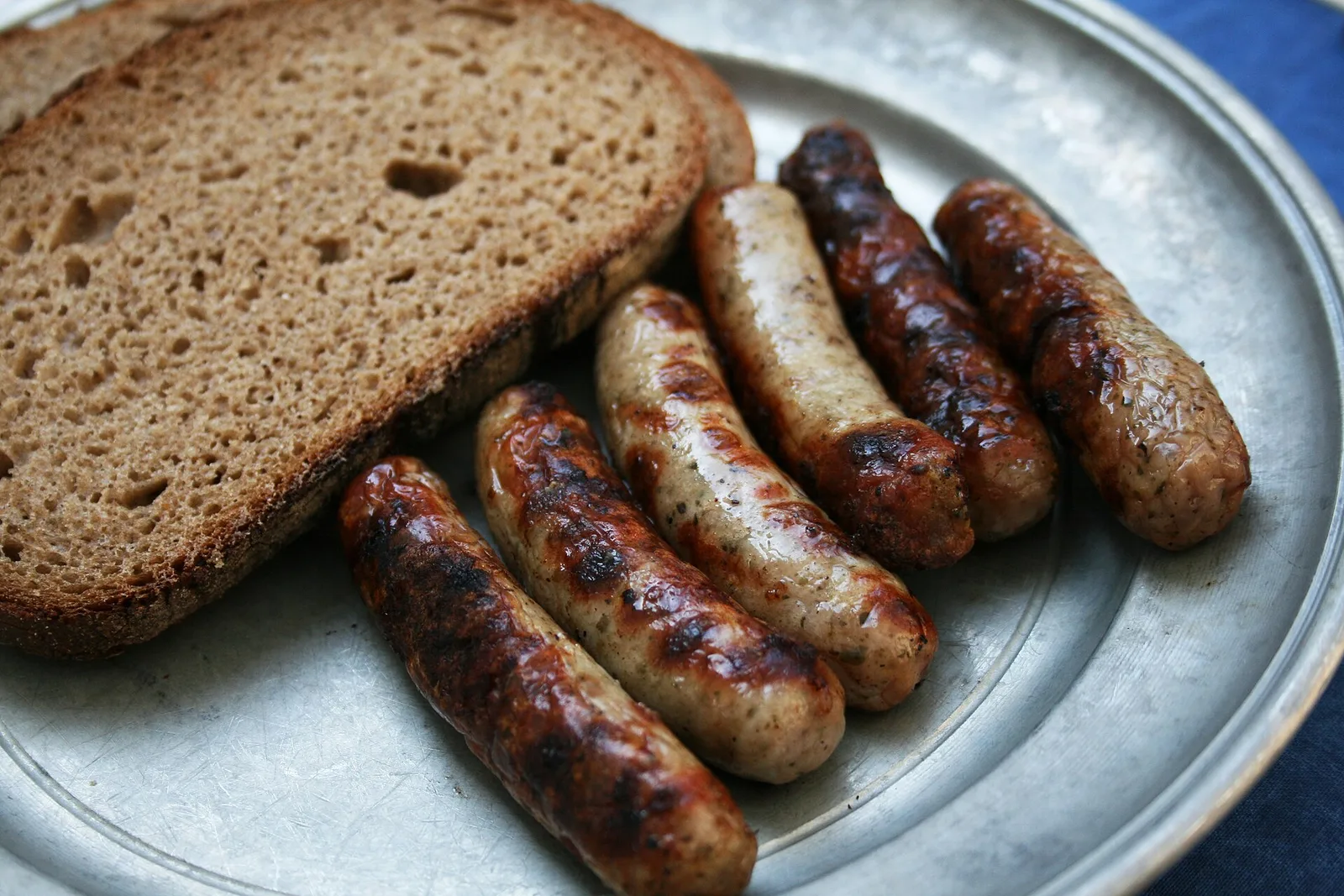
- If DIY, anchor on four things: a 3-im-Weckla sausage roll, wood-fired Rostbratwurst at a traditional kitchen, Elisenlebkuchen from an old gingerbread shop, and a beer cellar.
- Add the rock-cut cellars: the Historische Felsengaenge public tour (13 EUR, about an hour) turns an eating walk into a real food tour.
- Time it: sausage kitchens run at lunch, market stalls run morning to evening, and most guided tours leave mid-morning.
The trap to avoid
Paying private-tour prices for what amounts to a stroll between stalls and kitchens you can walk between for free. Reports repeatedly find the same stops served on 10 to 15 EUR menus; the guide's real value is context and access rather than the food itself.
What to do instead
Why this verdict
Nuremberg eats well enough that the question splits in two. The food is unmissable: reports almost unanimously rate the bratwurst, Lebkuchen and beer cellars among the best reasons to visit. Whether a guided tour earns its price is a separate question, and the evidence there is mixed.
For guided options, the city itself sells the strongest product: a culinary walk at 75 EUR per person with all tastings bundled, which undercuts private competitors charging 60 to 100 EUR and removes the guesswork of ordering at German-only menus. Reports on guided walks praise the stories behind the protected bratwurst, the medieval beer cellars and the gingerbread trade, context the menus never explain.
Against that stands the layout. Nearly every classic lives inside or just beside the walls, within a few hundred meters of the Hauptmarkt. A 3-im-Weckla roll, a plate of six Rostbratwurste at a wood-fired kitchen, a bag of Elisenlebkuchen and a seat in a beer cellar cost about 20 to 30 EUR self-guided, and the cellar tunnels run a public tour for 13 EUR. Travelers who eat this way report no sense of having missed anything.
The deciding factors are appetite for context and appetite itself. Visitors who want each bite explained, or who would rather not decode German menus and cellar etiquette, get real value from the guided formats, especially the official one. Visitors happy to point at what looks good and eat standing up spend a third of the price for the same dishes.
Crowds and seasonality matter more than the verdict. In December the market is the food scene; the rest of the year, the kitchens and cellars carry it. Eat first, and book the tour only if the stories matter to you.
Book or check times
The Taste of Nuremberg, official city tourHistorische Felsengaenge public cellar toursDo Eat Better Nuremberg food tourBratwurst Roeslein menu
Questions
How much does a food tour in Nuremberg cost?
The city-run Taste of Nuremberg costs 75 EUR with all samples included. Private and small-group operators run roughly 60 to 100 EUR per person, with longer private formats priced higher.
Can you eat through Nuremberg without a tour?
Yes. The classics sit inside a compact old town: bratwurst rolls at stalls, Rostbratwurst kitchens for lunch, Lebkuchen shops and the rock-cut beer cellars all lie within a short walk of each other.
Which foods should a tour or DIY crawl cover?
The 3 im Weckla sausage roll, wood-fired Nuernberger Rostbratwurst (a protected regional product), Elisenlebkuchen gingerbread, Schaeufele pork shoulder and local beers, above all the medieval Rotbier.
Are food tours in Nuremberg available in English?
The official city tasting tour and most commercial operators run English-language departures; book at least a day ahead. The cellar tunnels also offer a weekly public tour in English on Sundays.
Is a food tour worth it during Christmas-market season?
The market itself becomes the tour: the same sausages, gingerbread and gluhwein appear at stalls for far less. A guided walk still helps for context and stops away from the crowds.