Nuremberg / The verdict
Is Nuremberg old town worth it?
Go. The walled Altstadt is free, compact and made for wandering: Hauptmarkt with the Schoener Brunnen at noon, half-timbered Weissgerbergasse, bridges over the Pegnitz and the Imperial Castle above it all. It is a postwar reconstruction rather than a survivor, and reports say knowing that makes the walk better.
By The Real Traveler Experiences team. We earn a commission if you book through our links. It never changes a verdict.
The Nuremberg story
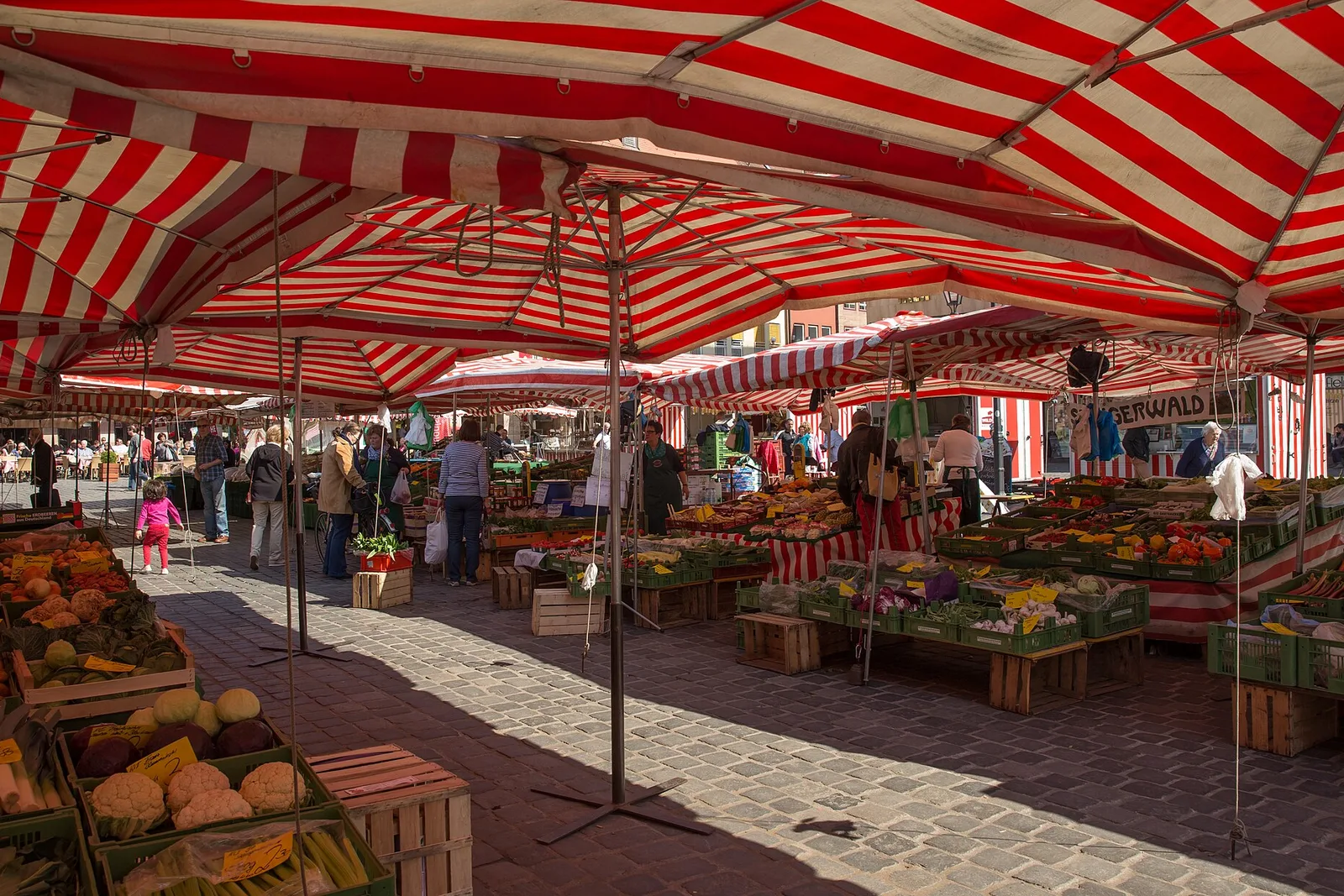
Nuremberg is medieval on the surface and twentieth century underneath: the Imperial Castle's Sinwell Tower panoramas over the red roofs, Weissgerbergasse delivers the half-timbered lane, the Hauptmarkt smells of lebkuchen and bratwurst, and then the rally-grounds documentation centre tells the harder story the city carries. The new 2026 exhibition there is drawing raves, and nearly everything inside the walls, squares, bridges, churches and the wall circuit, is free.
The verdict in 30 seconds
Go
Go. The walled Altstadt is free, compact and made for wandering: Hauptmarkt with the Schoener Brunnen at noon, half-timbered Weissgerbergasse, bridges over the Pegnitz and the Imperial Castle above it all. It is a postwar reconstruction rather than a survivor, and reports say knowing that makes the walk better.
Go if
- You like exploring a compact medieval core entirely on foot, with every sight inside a five-kilometre wall
- You want a mostly free day: squares, bridges, fountains, churches and the castle approach cost nothing
- You are pairing Nuremberg with Munich, Bamberg or Rothenburg and have a day or two
Skip if
- You want an untouched medieval original: the core was rebuilt after 1945, so Bamberg or Rothenburg are the preserved alternatives
- You need step-free routes throughout: cobbles are standard and the lane up to the castle is steep
- You dislike crowds: December market weekends overwhelm the Hauptmarkt
What it costs
- Walled old town, Hauptmarkt and city walls: €0 (the squares, bridges, Schoener Brunnen, wall circuit and castle approach are public space; the tourism office publishes a free self-guided route). Official source, checked Oct 2026.
- NUERNBERG CARD, adult (48 hours): €38 (covers city museums and all public transit in Nuremberg and Furth plus partner discounts; child 6 to 11 EUR 12, under 6 free with an adult card). Official source, checked Oct 2026.
What travelers report
Based on 12 traveler reports (Oct 2024 to Sep 2026) and the official sources linked on this page. 0 were negative.
What people like
- Everything inside the walls is free: squares, bridges, fountains, churches and the wall circuit.
- The core crosses in about 25 minutes on foot, so a day covers it without transit.
- Weissgerbergasse's half-timbered row and the Pegnitz bridges are the photo stops reports single out.
- The noon clock figures on the Frauenkirche and the golden-ring ritual make Hauptmarkt a daily ritual for visitors.
- Several writers say knowing it is a faithful reconstruction makes the walk more interesting rather than less.
What people complain about
- A minority of travelers find the postwar rebuild lacks the patina of untouched Franconian towns like Bamberg or Rothenburg.
- Cobbles plus the steep lane up to the castle punish bad shoes and mobility limits.
- The main shopping axis between Museumsbruecke and Koenigstrasse is narrowed by the Lorenzkirche station rebuild through 2026.
- Christmas market weekends overwhelm the Hauptmarkt; reports recommend weekdays in December.
- Guided old-town tours can run toward $100 per person, which forum posters call steep for a self-walkable core.
How to do it right
- Start at the Frauentor gate opposite Hauptbahnhof and walk Koenigstrasse north past St Lorenz church to the Pegnitz.
- Follow the tourism office's free self-guided route or your own loop: Henkersteg, the Weinstadel, the Kettensteg chain bridge and Weissgerbergasse west of the river.
- Be on Hauptmarkt at noon for the Frauenkirche clock figures, and turn the golden ring on the Schoener Brunnen fence as travelers do.
- Climb the lane to the Kaiserburg for the view, then drop back through Tiergaertnertorplatz past the Albrecht-Duerer-Haus.
- In December, visit the Christkindlesmarkt on a weekday; a repeat visitor calls Friday to Sunday overwhelmingly busy.
The trap to avoid
Treating the old town as a medieval original: about 90 percent of it was destroyed in January 1945 and rebuilt on the old street plan, so the real story is the reconstruction, and reports say the seams show if you walk it slowly.
What to do instead
Why this verdict
The reports line up behind the verdict: 9 of 12 are positive and 3 mixed, and even the mixed voices end up enjoying the walk. The old town is free and self-contained inside its medieval wall, the sights cluster within a 25-minute crossing, and the ground rules are simple: Hauptmarkt at noon for the Frauenkirche clock and the Schoener Brunnen ring, Weissgerbergasse for the half-timbered row, the Pegnitz bridges for photos, and the lane up to the Kaiserburg for the view.
The caveat is what you are looking at. About 90 percent of the core was destroyed in January 1945 and rebuilt on the medieval street plan, largely through the 1950s and 60s. Reports split on how that lands: most writers call the result charming and remarkably faithful, while one blogger openly debates the merits of full reconstruction and a minority of travelers find it lacks the patina of untouched towns like Bamberg or Rothenburg. The consensus is that the seams are the story, and a guide or a careful eye turns the walk into a reconstruction lesson.
Practical notes carry the rest. Cobbles and the steep castle lane punish bad shoes, a construction site narrows the main shopping axis while the Lorenzkirche passage is rebuilt, and December market weekends overwhelm the Hauptmarkt. None of it changes the answer: a free, walkable, layered medieval core that earns its day.
Timing and tickets
No ticket exists for the old town itself; budget only for the museums and the castle interiors, or for the EUR 38 city card if you plan to stack museums and transit over 48 hours.
Book or check times
Official self-guided old town walkNuremberg tourism portalNUERNBERG CARD details
We earn a commission if you book through our links. It never changes a verdict. How this works
See guided old town walkspartner site
Questions
Is Nuremberg old town free to visit?
Yes. The walled core, Hauptmarkt, the Schoener Brunnen, the Pegnitz bridges and the city-wall circuit are all public space. The paid items are the museums, the Kaiserburg interiors and tours; the tourism office publishes a free self-guided walking route.
How much of the old town is original?
Less than it looks. Reports put wartime destruction at about 90 percent in January 1945, and the rebuild followed the medieval street plan mostly in the 1950s and 60s. Genuine survivors include most of the roughly five-kilometre wall, parts of the castle and the half-timbered row of Weissgerbergasse.
How long do you need in the old town?
Reports put the walk across the walled core at about 25 minutes, and a full sights loop at a leisurely half day. Add the Kaiserburg interiors and a museum such as the Albrecht-Duerer-Haus or the Toy Museum for a full day.
When is the best time to visit?
Weekday mornings for quiet streets, and Hauptmarkt at noon for the Frauenkirche clock's figure procession. In December the Christkindlesmarkt fills the square; a returning visitor found weekends overwhelmingly busy and Tuesday or Wednesday magical.
Is the old town easy with limited mobility?
Partly. The core is pedestrianized but cobbled, and the lane up to the castle is steep. Through 2026 the main axis around the Lorenzkirche U-Bahn passage is a construction site, which narrows the main route between Museumsbruecke and Koenigstrasse.
Pack for it
Gear verdicts from our sister site, Real Buyer Experiences: