Krakow / The verdict
Krakow or Prague?
Krakow for the deeper, cheaper, more lived-in trip; Prague for the prettier skyline, beer culture and stronger transport links; with six or more days, the seven-hour train makes both an easy pairing.
By The Real Traveler Experiences team. We earn a commission if you book through our links. It never changes a verdict.
The Krakow story
Krakow is Central Europe's most complete medieval city: a main square bigger than most town centres, Wawel castle and cathedral on their hill, and Kazimierz's synagogues and bars just south of the old town. It survived the war nearly intact, and it shows: the scale feels imperial while the prices stay Polish, making it big-city sightseeing at some of Europe's lowest costs.
The verdict in 30 seconds
Our pick: Krakow (runner-up: Prague)
Krakow for the deeper, cheaper, more lived-in trip; Prague for the prettier skyline, beer culture and stronger transport links; with six or more days, the seven-hour train makes both an easy pairing.
Go if
- Travelers weighing two medieval cities for one Central Europe trip
- History-focused visitors deciding where WWII and Jewish heritage matter most
- Budget travelers comparing daily costs in zloty versus koruna
- Anyone with a week who can split the trip instead of choosing
Skip if
- You have under three days total; pick one city rather than splitting
- You want big-city scale; both are compact historic cores
- You are chasing nightlife alone; choose by tolerance for stag-party crowds instead
The options
Krakow Go
history depth, lower daily costs and a compact walkable core
Good
- The deeper historical trip: Kazimierz, Schindler's Factory and the Auschwitz day trip sit inside one compact city.
- Reports put daily costs 15 to 30 percent below Prague, with the widest gap on rooms and meals.
- Nearly every sight sits inside the Planty ring or one tram stop away, so transit is optional.
Watch out
- A smaller airport and thinner rail connections mean more layovers for long-haul travelers.
- No skyline that competes with Prague Castle over the river.
- Weekend stag-party crowds cluster in the Old Town center.
Wawel Castle official visitor infoZTP Krakow ticket guideSearch Krakow hotelspartner site
Prague Go
architecture, beer culture and first-time Central Europe trips
Good
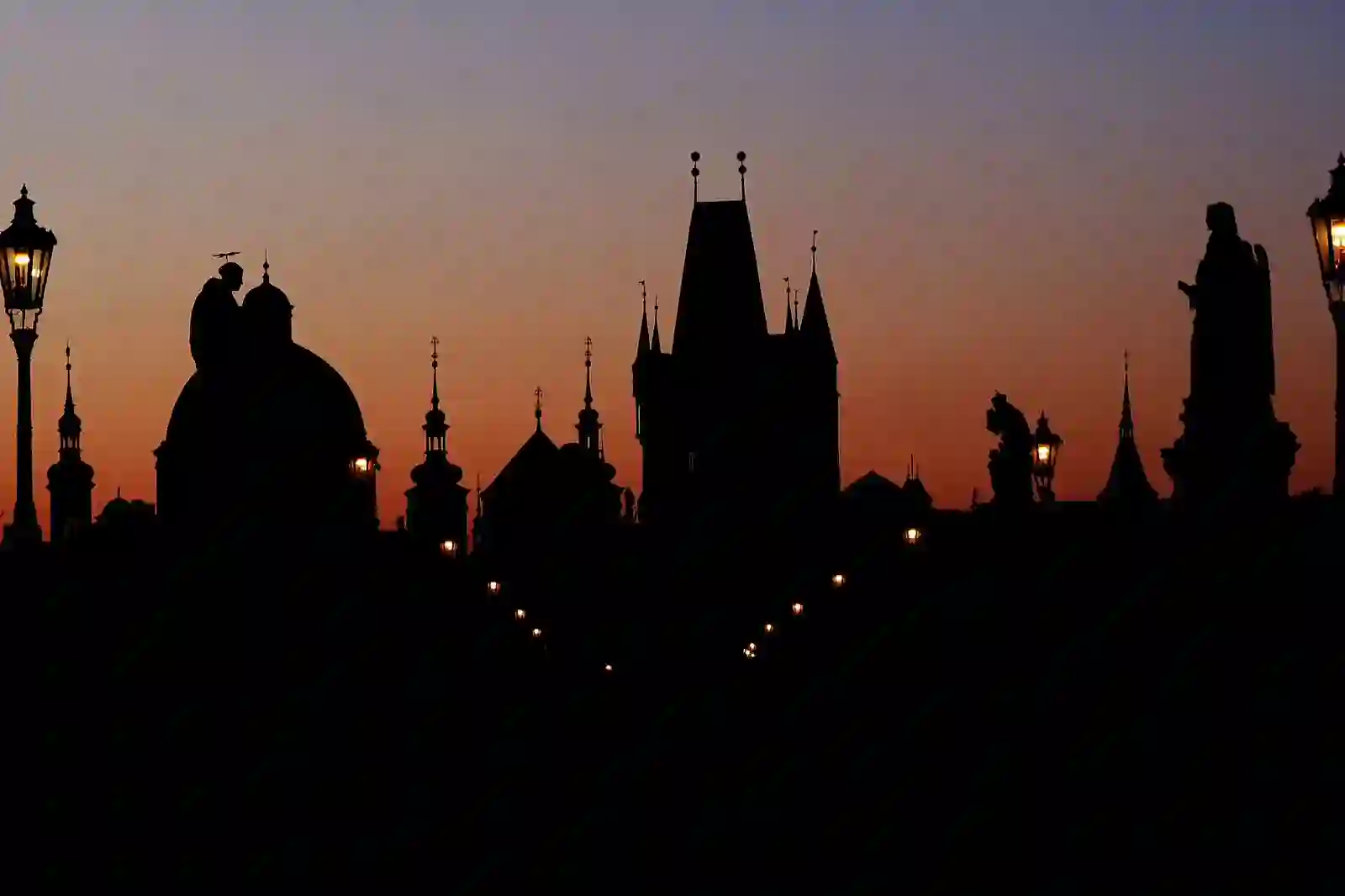
- The most photogenic medieval skyline in the region, from the castle to Charles Bridge.
- A bigger airport and rail hub with more direct international connections.
- World-famous beer-hall culture and a denser restaurant scene.
Watch out
- The heaviest tourist crowds in Central Europe pack the bridge and Old Town Square year-round.
- Rooms, food and attraction tickets all run higher than Krakow.
- The Prague 1 nightlife streets stay loud; a city pub-crawl ban says plenty about weekends.
Prague Castle official visitor infoDPP Prague fare pricelistSearch Prague 1 hotelspartner site
Both cities by train Go
trips of six days or more
Good
- Direct EuroCity trains link the two in about 7 to 7.5 hours, with an overnight Chopin option.
- Travelers report the pairing never feels repetitive: Habsburg-style grandeur versus WWII-era depth.
- Split three to four nights each and no time is wasted backtracking.
Watch out
- One full travel day disappears to a mostly flat, unscenic rail corridor.
- Two currencies, two transit systems and two check-ins add friction.
- Only makes sense with six-plus days; shorter trips should pick one city.
One long weekend, both cities Skip
nobody, unless the night train is itself the goal
Good
- Technically possible using the overnight train.
Watch out
- Roughly 14 hours round-trip on rails leaves one real day in each city.
- You end up seeing stations and the surface of both, instead of either properly.
- Both cities reward depth; a split weekend is the version reports warn against.
| Criterion | Krakow | Prague | Both cities by train | One long weekend, both cities |
|---|---|---|---|---|
| Signature paid sight, official price | Wawel Castle first-floor route, 95 PLN | Prague Castle main circuit, 450 CZK | Both apply across the trip | Little time to use either |
| Daily spend level | lower; reports put it 15 to 30 percent below Prague | higher of the two | Two budgets in two currencies | Same spend compressed into less time |
| Old town feel | one compact walkable core | larger river-split districts | Both UNESCO-listed | Two half-seen centers |
| Crowd pressure | busy midday, calmer districts | heaviest around the bridge and clock | Both peak May to October | You hit both at peak hours |
| Signature day trip | Auschwitz about 90 minutes, Wieliczka about 30 | Kutna Hora about an hour, Cesky Krumlov about three | Both day-trip lists stay open | Day trips fall off the plan |
| Transit tickets, official price | 24-hour Zone I ticket, 20 PLN | 72-hour ticket, 350 CZK | Both apply | Both apply |
| Best months | May to June, September to October | April to May, September to October | Same windows | Same windows |
What it costs
- Wawel Castle first-floor route: zł 95 (the flagship royal route; the second-floor route is 57 PLN). Official source, checked Oct 2026.
- Prague Castle main circuit: Kč 450 (the headline castle ticket on the official visitor guide). Official source, checked Oct 2026.
- ZTP Krakow 24-hour Zone I ticket: zł 20 (Krakow is so walkable you may never buy one). Official source, checked Oct 2026.
- DPP Prague 72-hour ticket: Kč 350 (covers metro, trams and buses across three days; the Prague equivalent of leaning on transit). Official source, checked Oct 2026.
What travelers report
Based on 12 traveler reports (Jan 2025 to Oct 2026) and the official sources linked on this page. 0 were negative.
What people like
- Krakow delivers the deeper, more personal trip: confronting WWII history, a lived-in Old Town and lower prices.
- Prague's skyline and beer culture make it the prettier postcard and the better-connected hub.
- The direct day train and night-train option make pairing them easy on a week-plus trip.
- Both cities stay far cheaper than Western Europe, so the choice is about depth versus spectacle.
What people complain about
- Prague's main tourist strip packs shoulder-to-shoulder at peak hours, and prices climb with the crowds.
- Krakow's thinner airport and rail links mean more connections for long-haul arrivals.
- The intercity rail day is long and mostly flat; budget it as a real travel day.
- Both cities have nightlife districts that run loud into the small hours.
How to do it right
- Count your days first: under five days pick one city, six or more supports both.
- Choose Krakow when history depth, value and walkability are the priority.
- Choose Prague when skyline photography, beer culture and easy connections matter most.
- For a pairing, book a direct EuroCity or the Chopin night train through the official railway sites.
- Split three to four nights per city and let the inbound flight pick which one is first.
The trap to avoid
Trying to squeeze both cities into a long weekend: the rail link eats about 14 hours round-trip, leaving a day in each and a pair of half-seen cities.
What to do instead
Why this verdict
The comparison is close, which is why it keeps coming up. Both are walkable medieval cores that survived the century intact, both are cheap by Western European standards, and both anchor strong day trips. Where they diverge is texture.
Krakow is the deeper trip. Its Old Town compresses the sights into one walkable core, Kazimierz and the Podgorze memorials give it a historical weight Prague cannot match, and Auschwitz is the most significant day trip in Europe. It is also cheaper at every level in the traveler-spending data, and its crowds are real but narrower than Prague’s bridge-and-clock crush.
Prague is the more spectacular one. The castle skyline, Charles Bridge at sunrise and a beer culture that is the world’s reference point are worth the trip on their own, and its airport and rail hub make arriving painless. The trade-off is crowds and prices: the main tourist strip is packed year-round and the bill runs a third higher.
The straight answer most reports land on is both, in the right order. Six-plus days, a direct train between them, and an open-jaw flight turns two good cities into one of the better trips in Europe. Under five days, take Krakow if depth and value win, Prague if the postcard does.
Planning the split
The rail link is the hinge. About two direct EuroCity departures a day cover the run in seven to seven and a half hours, with a Chopin night-train option and connections via Katowice as backups. One loop trip makes the sleeper choice concrete: the traveler regretted booking a seat rather than a sleeper car for the six-hour night run. Forum advice on splitting the days lands in the same place: Krakow earns about four once Auschwitz, Wieliczka and Schindler’s Factory are counted, which is why one ten-day itinerary gave it three nights to Prague’s four.
On the ground, tickets are light either way. Krakow’s 24-hour Zone I pass is 20 PLN, though the Old Town is walkable enough that you may never buy one; Prague’s 72-hour ticket is 350 CZK across metro, trams and buses. Wawel Castle’s first-floor route is 95 PLN and Prague Castle’s main circuit 450 CZK.
Book or check times
Wawel Castle official visitor infoZTP Krakow ticket guidePrague Castle official visitor infoDPP Prague fare pricelistCzech Railways international ticketsPKP Intercity tickets
We earn a commission if you book through our links. It never changes a verdict. How this works
Search Krakow hotelspartner siteSearch Prague 1 hotelspartner site
Questions
Krakow or Prague: which is cheaper?
Krakow. Reports and traveler-spending data put it roughly 15 to 30 percent below Prague day to day, and the gap is widest on accommodation and eating out.
Which city is better for a first trip to Central Europe?
Prague if you want the iconic skyline, beer halls and the easiest connections into the region. Krakow if you want deeper history, smaller crowds and better value. Experienced travelers tend to call Krakow the more rewarding second visit.
How do you get from Krakow to Prague?
Direct EuroCity trains take about 7 to 7.5 hours and run around twice a day, with connections via Katowice and a Chopin night train as alternatives. A direct bus takes about 7 hours 20 minutes; flying rarely saves real time door to door.
How many days do you need in each?
Three to four nights each is the standard advice. Krakow earns four once you count Auschwitz and Wieliczka; Prague earns three to four given its larger footprint and day trips.
Which city is more crowded?
Prague, consistently. Reports describe the bridge and clock areas as shoulder-to-shoulder at peak hours, while Krakow's crowds thin out quickly outside the Main Square core.
Should you do both cities in one trip?
With six or more days, yes: travelers report the pair complement each other rather than repeating. Under five days the transit day is too big a tax, so pick one.
Pack for it
Gear verdicts from our sister site, Real Buyer Experiences: