Prague / The verdict
Prague or Budapest?
Both, if you have a week or more: direct trains link the two centres roughly every two hours, and guides and forum travelers treat the pairing as the classic Central Europe trip. Choose Prague alone for a compact medieval centre and easy walking, Budapest alone for thermal baths, ruin bars and slightly lower prices.
By The Real Traveler Experiences team.
The Prague story
Prague is a preserved storybook core over a real, lived-in city: the castle above the river, the astronomical clock's little hourly theatre, the Charles Bridge at dawn before the crowds, Petrin's panorama over the spires, and medieval lanes that survived the twentieth century nearly untouched. Beer is cheap and excellent, Vinohrady pours it like a local, and Kutna Hora's bone church is an hour away.
The verdict in 30 seconds
Our pick: Both cities by train (runner-up: Budapest)
Both, if you have a week or more: direct trains link the two centres roughly every two hours, and guides and forum travelers treat the pairing as the classic Central Europe trip. Choose Prague alone for a compact medieval centre and easy walking, Budapest alone for thermal baths, ruin bars and slightly lower prices.
Go if
- You have 7 or more days and can give each city 3 to 4 nights linked by a direct train
- You want Prague's walkable medieval core plus Budapest's baths, nightlife and Danube panorama rather than picking one
- You are happy with two currencies (CZK and HUF) and a roughly 7 hour transfer day between the cities
Skip if
- You have 5 days or fewer, since guides and forum travelers say a short split shortchanges both cities
- You strongly prefer one style: intimate medieval lanes and beer culture, or grand boulevards, baths and ruin bars
- A full travel day between hotels would eat too much of your trip
The options
Prague It depends
First-time visitors to Central Europe who want a compact, walkable medieval centre and can only pick one city.
Good
- Comparisons call it the more intact medieval city, with sights concentrated around the Old Town and castle
- The most walkable of the two, crossable largely on foot
- Beer culture and beer prices travelers describe as hard to beat
- A Prague local's head-to-head calls it the easier first Central European city
Watch out
- Heavier peak-season crowds in a compact centre
- Marginally pricier than Budapest in most cost comparisons
- No thermal baths or ruin-bar scene to match Budapest
Budapest It depends
Travelers who want thermal baths, ruin-bar nightlife and a bigger, more lived-in city at slightly lower prices.
Good
- Thermal baths are a signature experience Prague cannot match
- Cost comparisons and a family itinerary both put it slightly cheaper than Prague
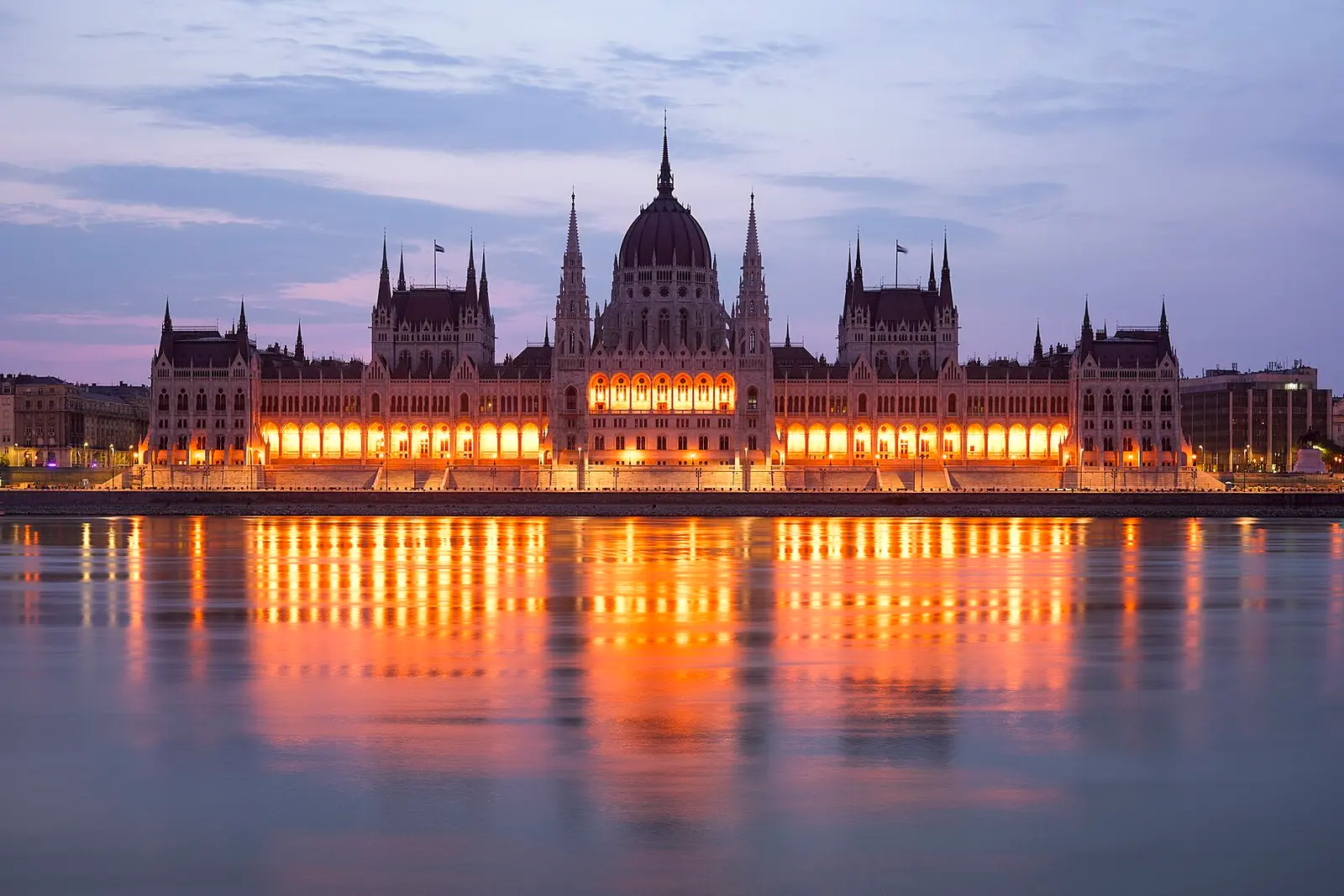
- The grand Danube panorama of Parliament, Chain Bridge and the Buda Castle district
- Spread-out Buda and Pest feel less tourist-saturated than Prague's core
Watch out
- Bigger and more spread out, so it needs public transport and more days
- Some reports find it grand but less intimate than Prague's lanes
- Headline sights such as Parliament charge admission and book out ahead
Hungarian Parliament visit and ticket pricesSzéchenyi Bath official pricesBKK Budapest travelcards and prices
Both cities by train Go
Travelers with 7 or more days who can give each city 3 to 4 nights linked by one direct train.
Good
- Direct trains run roughly every two hours, about 7 hours centre to centre
- Advance fares start around 741 CZK (about 30 EUR), and the Metropol night train can save a hotel night
- Guides call it the classic Central Europe pairing, and several travelers run it as one trip
- The cities complement each other: medieval compactness versus baths and nightlife
Watch out
- The transfer is essentially a full travel day between hotel checkouts
- Two currencies (CZK and HUF) and two transit systems to learn
- Needs at least 7 days; with 5 or fewer the split shortchanges both
A rushed five-day split Skip
Nobody, unless a fixed flight plan leaves no alternative and a slice of each city is the only goal.
Good
- Technically touches both cities inside one short trip
Watch out
- Forum posters warn that five nights split between the cities shortchanges both
- The roughly 7 hour train eats about a fifth of the trip
- An itinerary guide states it plainly: with only five days, pick one city
| Criterion | Prague | Budapest | Both cities by train | A rushed five-day split |
|---|---|---|---|---|
| Signature paid sight, official price | Prague Castle main circuit, 450 CZK | Parliament guided tour, 14,000 Ft (7,000 Ft for EEA citizens) | Both tickets apply across the trip | Both apply, with little time to use them |
| Signature free experience | Charles Bridge, Old Town Square and the castle grounds | Danube promenade, Fisherman's Bastion views and Margaret Island | Both apply across the trip | Both, at a sprint |
| Getting between them | Not needed | Not needed | Direct train every 2 hours, about 7 hours, from 741 CZK; night train alternative | Same train on a tight day |
| Days travelers and guides recommend | About 3 to 4 | About 4 to 5 | 7 minimum, per itinerary guides | None can save a five-day split |
| Cost level travelers report | Cheap by Western standards, marginally above Budapest | The cheaper of the two in most comparisons | Both, plus one train fare | Both, with no time to benefit |
| Crowds travelers report | Heavier peak crowds in a compact centre | Spread over a bigger city, feels less saturated | Both patterns across the trip | Crowds with no slack days |
What it costs
- Prague Castle main circuit, adult: Kč 450 (covers Old Royal Palace, St Vitus Cathedral, Golden Lane and St George's Basilica). Official source, checked Sep 2026.
- Hungarian Parliament guided tour, non-EEA adult: Ft 14000 (7,000 Ft for EEA citizens; booked through the official jegymester.hu page). Official source, checked Sep 2026.
- Széchenyi Bath daily ticket with locker, weekday: Ft 13200 (14,800 Ft on Fridays and weekends; an early entry ticket before 9 am is 10,500 Ft on weekdays). Official source, checked Sep 2026.
- Direct train Prague to Budapest, 2nd class advance fare: Kč 741 (from 741 CZK (about 30 EUR); direct trains about every two hours, roughly 6 h 51 min). Official source, checked Sep 2026.
- Budapest 72-hour travelcard: Ft 5750 (unlimited metro, tram and bus inside Budapest for 72 hours). Official source, checked Sep 2026.
What travelers report
Based on 14 traveler reports (Feb 2025 to Jul 2026) and the official sources linked on this page. 1 was negative.
What people like
- Both cities come out far cheaper than Western European capitals, with Budapest marginally ahead in cost comparisons.
- Direct trains link the centres roughly every two hours, and a night train can turn the transfer into a hotel night.
- Prague wins on compact, walkable medieval beauty; Budapest wins on thermal baths, ruin bars and river panorama.
- Travelers who split a week between the two describe it as the classic Central Europe pairing.
What people complain about
- With five days or fewer, forum travelers warn a split leaves both cities shortchanged.
- The train between them takes about seven hours, essentially a full travel day.
- Prague's compact centre pulls heavier peak crowds; Budapest is spread out and needs public transport.
- Neither city uses the euro, so a combined trip means handling two currencies.
How to do it right
- Count your days first: with 7 or more, do both; with 5 or fewer, pick one city, since guides and forum posters warn a short split satisfies neither.
- Going both ways, plan about 3 nights in Prague and 4 in Budapest, or the reverse, with one travel day between them.
- Book the train ahead: direct services run roughly every two hours via Bratislava, and Czech Railways sells advance fares from 741 CZK (about 30 EUR); RegioJet starts around 19.90 EUR.
- Consider the Metropol night train, which reports put at about a 22:00 departure arriving before 08:30, to save a hotel night.
- In Prague, book the castle main circuit and walk the rest; in Budapest, book Parliament ahead and pick a bath day at Széchenyi, whose weekday locker ticket is 13,200 Ft.
- Skip flying between them: forum travelers point out that airports and check-in windows erase most of the time saved over the train.
The trap to avoid
Splitting five or fewer days between the two cities: the roughly seven hour transfer eats about a fifth of the trip, and forum posters who fielded exactly that question said it shortchanges both.
What to do instead
Why this verdict
The evidence never crowns a winner; it describes a pairing. Writers comparing the two land on the same trade-offs: Prague is the smaller, more walkable medieval showpiece, Budapest the larger, grander city built on baths, ruin bars and a dramatic riverfront. A Prague local’s head-to-head gives first-time visitors the nod to Prague, while cost comparisons and forum regulars lean slightly toward Budapest for value, nightlife and the thermal baths Prague does not have.
Given a week or more, reports treat doing both as the default Central Europe trip. Direct trains run between the centres roughly every two hours, take about seven hours, and cost from around 741 CZK in advance; a nightly sleeper turns the transfer into a hotel night. One itinerary guide calls seven days the floor, three nights in Prague and four in Budapest, and a two-week video route places the pair either side of stops in between.
The evidence is blunter about short trips. Forum posters answering a five-night split warned it would shortchange both cities, and the same guide says plainly to pick one city with five days. The roughly seven hour transfer is a full travel day, so a rushed split spends a fifth of the trip on the move.
If only one city fits, choose by taste rather than ranking: Prague for the compact medieval centre, castle and beer; Budapest for baths, ruin bars, the Danube panorama and a slightly smaller bill. Both sit well below Western capital prices, so cost rarely settles it alone.
Timing and tickets
Book the between-city train ahead for the lowest fares: Czech Railways sells Prague to Budapest advance tickets from 741 CZK (about 30 EUR), RegioJet from about 19.90 EUR, and the nightly Metropol sleeper leaves around 22:00 and arrives before 08:30. Headline sights need booking in both cities: Prague Castle’s main circuit runs 450 CZK, and Parliament’s guided tour is 14,000 Ft for non-EEA visitors.
Book or check times
Prague Castle tickets and circuitsHungarian Parliament visit and ticket pricesSzéchenyi Bath official pricesBKK Budapest travelcards and pricesCzech Railways Prague to Budapest trains
Questions
How do you get between Prague and Budapest?
Direct trains run roughly every two hours via Bratislava, taking about 6 h 51 min to 7 hours centre to centre. Czech Railways advance fares start at 741 CZK (about 30 EUR) and RegioJet around 19.90 EUR. A nightly Metropol sleeper leaves around 22:00 and arrives before 08:30. Forum travelers advise against flying: airport transfers and check-in erase most of the saving.
How many days do you need for Prague and Budapest?
Itinerary guides put seven days as the floor, typically three nights in Prague and four in Budapest with one travel day between them. Forum posters warn that five nights split between the cities shortchanges both.
Which city is cheaper, Prague or Budapest?
Cost comparisons give Budapest a small edge, with budget travelers reporting roughly 40 to 60 EUR a day there. Both cities sit far below Western European capitals, so price rarely decides it alone.
Which city has more to do?
Budapest is bigger and more spread out, adding thermal baths, ruin bars and Margaret Island to the castle-and-river core. Prague concentrates its sights in a walkable medieval centre around the castle, Old Town Square and Charles Bridge. One comparison gave Budapest things to do, and Prague art and food.
Which is better for a first trip to Central Europe?
A Prague-based local's comparison gives Prague the nod for first-timers thanks to its compact, walkable centre. Budapest suits travelers who want a larger, livelier city with baths and nightlife and slightly lower prices.
Do Prague and Budapest use the euro?
No. Prague prices in Czech koruna (CZK) and Budapest in forint (HUF); cards are widely accepted in both, and Budapest's 72-hour transit travelcard runs 5,750 Ft.
Pack for it
Gear verdicts from our sister site, Real Buyer Experiences: