Galway / The verdict
Are the Claddagh and Spanish Arch worth it?
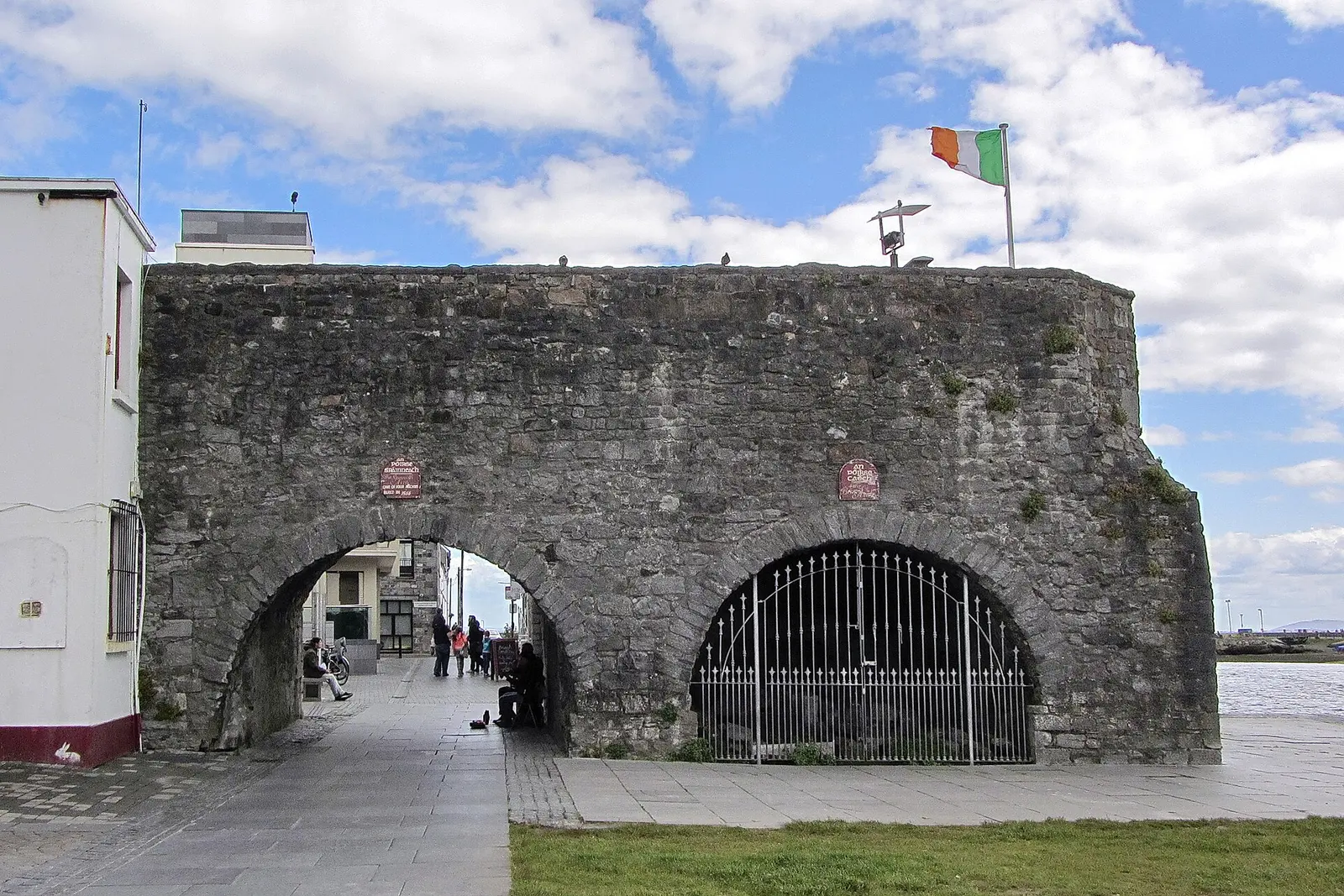
Yes, as a free half hour at the water's edge. The Spanish Arch is modest in scale, a pair of surviving arches from Galway's 1584 town wall damaged by a tsunami wave in 1755, but it stands where the Claddagh fishing village met the old quays, with swans in the basin, Galway Hooker boats alongside and the free City Museum steps away. Walk the Long Walk for the postcard view and pair it with the museum.
By The Real Traveler Experiences team.
The Galway story
Galway is Ireland's cultural capital in miniature: a medieval Latin Quarter of buskers and pubs around Quay Street, the Claddagh and the Spanish Arch on the harbour, and trad-music sessions that outclass Dublin's. It doubles as the best base on the Wild Atlantic Way, with the Cliffs of Moher, Connemara and the Aran Islands all in day-trip reach and the oysters and west-coast food scene waiting back in town.
The verdict in 30 seconds
Go
Yes, as a free half hour at the water's edge. The Spanish Arch is modest in scale, a pair of surviving arches from Galway's 1584 town wall damaged by a tsunami wave in 1755, but it stands where the Claddagh fishing village met the old quays, with swans in the basin, Galway Hooker boats alongside and the free City Museum steps away. Walk the Long Walk for the postcard view and pair it with the museum.
Go if
- Anyone already in the Latin Quarter: the arch sits at the bottom of Quay Street
- History readers who want the fishing-village backstory behind the Claddagh ring
- Photographers after the colorful Long Walk terrace and the swan-filled basin
- Families pairing a free museum with an easy riverside stroll
Skip if
- You expect a monumental fortress: the arch is two modest wall fragments and reports call it underwhelming on its own
- You are short on time and the City Museum is closed, since it is the area's real anchor (it shuts on Mondays)
- You dislike tourist-season crowding on narrow quaysides in summer
What it costs
- Spanish Arch, Long Walk and Claddagh quays, public access: €0 (Free open-air waterfront and surviving town-wall arches, accessible at all hours). Official source, checked Oct 2026.
- Galway City Museum admission: €0 (Free entry with a EUR 5 suggested donation; Tuesday to Saturday 10am to 5pm, Sundays noon to 5pm in season, closed Mondays). Official source, checked Oct 2026.
What travelers report
Based on 14 traveler reports (Dec 2024 to Aug 2026) and the official sources linked on this page. 0 were negative.
What people like
- The waterfront pairing wins: reports love the arch-museum-quays combination and call the Long Walk a lovely stroll with the classic colorful houses (5 of 14 reports).
- The free City Museum beside the arch gets specific praise for its Claddagh and Galway Hooker galleries (3 of 14 reports).
- Locals and repeat visitors describe the quay as Galway's best evening sitting spot when the sun comes out (3 of 14 reports).
- The living heritage shows up in reports: swans in the basin, blessed hooker boats in August and ring shops that trace back to 1750 (3 of 14 reports).
What people complain about
- The arch itself underwhelms as a standalone monument; it is two wall fragments (3 of 14 reports).
- Summer crowds compress the narrow quayside and the Latin Quarter approaches (2 of 14 reports).
- The museum's Monday closure catches visitors out, and galleries shut at 4:45pm (2 of 14 reports).
How to do it right
- Walk down Quay Street to the riverbank: the arch stands on the old quay beside the City Museum.
- Read the museum first if it is open; its Claddagh and Galway Hooker galleries explain everything you see outside.
- Cross Wolfe Tone Bridge for the Claddagh side: basin swans, the restored Hooker sailing boats and the quays where fishwives once sold the catch.
- Walk the Long Walk for the postcard terrace of colorful houses along the Corrib.
- Time it for a sunny evening if you can: reports say the quay becomes the city's open-air sitting room.
- Check the basin for traditional hooker boats; the restored fleet berths there and gets dressed for events like the August blessing of boats.
The trap to avoid
Expecting the Spanish Arch to be a sight on its own. It is two modest wall fragments, and a couple of reports call it underwhelming when treated as a standalone monument. The value is the setting: the museum beside it, the Claddagh basin and its swans, the moored Galway Hookers and the Long Walk. See it as a waterfront stop, not a fortress.
What to do instead
Why this verdict
The Spanish Arch is a stop, not a sight. Two arches survive from the wall Galway raised in 1584 to defend its quays, and a 1755 tsunami surge took part of the structure with it. On its own it photographs as modest stonework, and a couple of reports say exactly that. The verdict is go because of everything within a hundred metres of it.
Beside the arch sits the free City Museum, whose galleries cover the Claddagh fishing village, the Galway Hooker sailboat and the medieval town, and it is the single best indoor hour in the city. Across the bridge, the Claddagh basin holds swans and the restored wooden hookers of Badoiri an Cladaigh, the same boats that get blessed each August. The Long Walk terrace gives the classic photo: a short, colorful row along the Corrib that travel diaries keep describing as a lovely stroll.
Come for the waterfront atmosphere, not a fortress. A resident who spent two years nearby calls it a favorite evening spot when the sun comes out, with people sitting along the river. Visitors chasing the Claddagh ring’s story end up at Thomas Dillon’s back on Quay Street, where a tiny museum marks the shop that claims the ring’s original makers.
Timing and tickets
Everything here is free and always open, but the museum is the anchor and it keeps hours: Tuesday to Saturday 10am to 5pm, Sundays noon to 5pm in season, closed Mondays, with galleries closing at 4:45pm. August brings the blessing of the boats at the basin and heritage-week walks through the old village. On busy summer weekends the narrow quay crowds up; go early or late for the calmer water and light.
Book or check times
Galway City Museum: plan your visitGalway Tourism: the CladdaghDiscover Ireland: Galway City Museum
Questions
What is the Spanish Arch in Galway?
Two surviving arches of Galway's 1584 town wall, built to protect the quays where goods from Spain and elsewhere landed. A tsunami surge in 1755 partly damaged them, and the nearby blind Caoc Arch is part of the same fragment.
What is the Claddagh?
Galway's old fishing village across the Corrib from the walled town, famous for the Claddagh ring, its fishwives who sold the catch by the arch, and the traditional Galway Hooker sailing boats that still berth in the basin.
Are the Claddagh and Spanish Arch free?
Yes, both are open public waterfront. The City Museum beside the arch is also free, with a EUR 5 suggested donation, and it holds the Claddagh and Galway Hooker galleries.
How long do you need at the Spanish Arch and Claddagh?
Reports put it at twenty minutes for the arch alone, or a pleasant hour to ninety minutes with the museum and a stroll along the Long Walk and the Claddagh quays.
Is the Spanish Arch worth seeing?
As a monument it is small and some visitors find it underwhelming. It earns its place as the gateway to the quays: swans in the basin, the museum beside it, Hooker boats in season and the Long Walk terrace.
Where do you buy a real Claddagh ring?
Reports name Thomas Dillon's on Quay Street, which claims the original makers dating to 1750 and keeps a small museum of rings at the back of the shop.
Pack for it
Gear verdicts from our sister site, Real Buyer Experiences: