Wroclaw / The verdict
Is Ostrow Tumski in Wroclaw worth it?
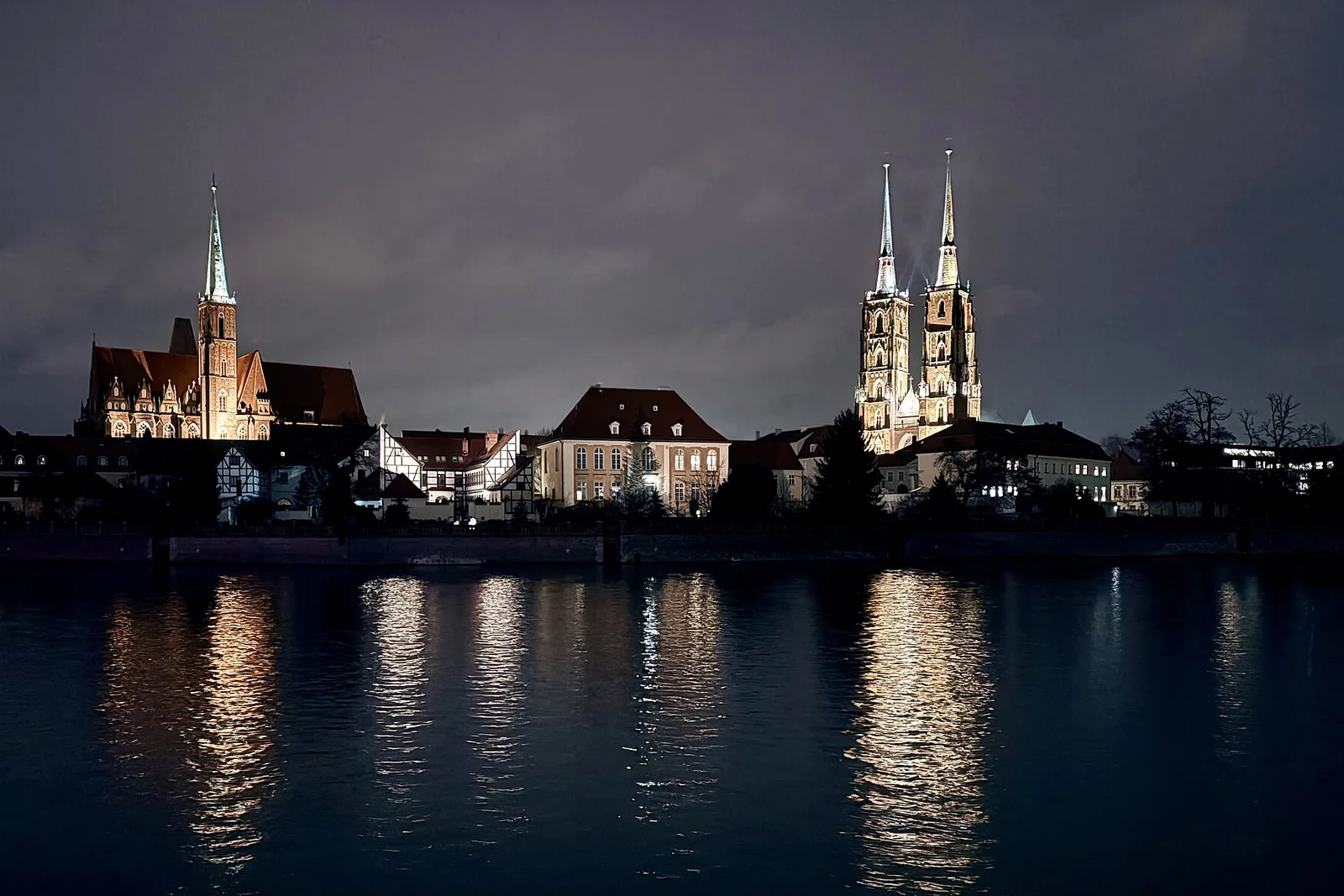
Yes, and it rewards timing: Ostrów Tumski is Wrocław's oldest district, a river island of brick Gothic churches, cobbled lanes and more than ninety gas lamps lit by hand at dusk. Wander for free, cross Tumski Bridge from Słodowa, and only pay if you want the cathedral tower terrace or the baroque chapels.
By The Real Traveler Experiences team. We earn a commission if you book through our links. It never changes a verdict.
The Wroclaw story
Wroclaw is the Polish city travelers most often call an underrated surprise: a dozen islands on the Odra stitched together by bridges, a market square that rivals Krakow's for looks without the stag-party crowds, and three hundred odd gnome statues hiding in doorways that turn the [Old Town](/wroclaw/wroclaw-old-town/) into a scavenger hunt adults enjoy as much as kids.
The verdict in 30 seconds
Go
Yes, and it rewards timing: Ostrów Tumski is Wrocław's oldest district, a river island of brick Gothic churches, cobbled lanes and more than ninety gas lamps lit by hand at dusk. Wander for free, cross Tumski Bridge from Słodowa, and only pay if you want the cathedral tower terrace or the baroque chapels.
Go if
- Romantics and photographers, since the gas-lamp lanes at dusk are the city's most atmospheric walk
- History-first travelers, because this island is Wrocław's oldest settled district
- Families and couples on a budget; the island walk, the bridge and the cathedral nave are all free
- Quiet-seekers escaping the Market Square crowds a fifteen-minute walk away
Skip if
- You want a museum-style attraction; this is a working parish island, so interiors pause during services
- You are visiting in the middle of the day in winter, when the lamplighter's show is the main draw you would miss
- Churches and quiet lanes are not your thing and the Rynek already covered your sightseeing
What it costs
- Island lanes, Tumski Bridge and the cathedral nave: zł 0 (the island is public space and the cathedral's main nave is open free outside services). Official source, checked Oct 2026.
- Cathedral tower with viewing terrace: zł 25 (reduced 20 PLN; elevator plus stairs; the terrace closes in bad weather and last entry is 15 minutes before close). Official source, checked Oct 2026.
- Baroque chapels and St John the Baptist altar (presbytery): zł 15 (reduced 10 PLN; same ticket covers the baroque chapels and the presbytery). Official source, checked Oct 2026.
What travelers report
Based on 13 traveler reports (Nov 2024 to Aug 2026) and the official sources linked on this page. 0 were negative.
What people like
- The lamplighter at dusk is the island's signature moment, and reports call it Wroclaw's most atmospheric hour.
- Everything that matters is free: the lanes, Tumski Bridge and the cathedral nave.
- The island reads as a calm counterpoint to the Market Square, with gardens and embankment views along the Oder.
- The brick Gothic cathedral with its twin towers anchors what several reports call the city's oldest and prettiest quarter.
What people complain about
- Winter visitors who arrive mid-day miss the lamplighter, since his round starts at dusk.
- Tourist access pauses for services, and Sunday sightseeing only begins around 14:00.
- The tower terrace closes in bad weather, which cancels the island's best view on gloomy days.
- Some find the island quiet to the point of sleepy once you have crossed the bridge and seen the cathedral.
How to do it right
- Cross to the island from Słodowa Island over Tumski Bridge, whose parapets still carry the padlocks couples leave.
- Wander the lanes past the Archbishop's Palace and the Church of the Holy Cross, then loop along the Oder embankment.
- Enter the cathedral nave free outside services; add the tower terrace or the baroque chapels only if you want the view or the interiors.
- Time the finish for dusk: the lamplighter starts near the Church of the Holy Cross and works about ninety gas lamps by hand.
- In winter the lighting starts around 16:00, in summer around 21:00; check the day's dusk hour before planning around it.
The trap to avoid
Two mistakes dominate. First, showing up for the lamplighter at the wrong hour: he works at dusk, which means around 16:00 in deep winter and around 21:00 in high summer, so arriving midday in January misses the point. Second, expecting a museum district; it is a working parish island, so cathedral sightseeing pauses during services and on Sunday mornings tourists are asked to come back after about 14:00.
Why this verdict
Ostrów Tumski is where Wrocław began, and it still feels like it. A short walk from the Market Square over Tumski Bridge drops you into a pocket of cobbled lanes, brick Gothic churches and riverside gardens that reads more village than city. The cathedral’s twin towers anchor it all; the nave is free to enter outside services, and the paid extras (the tower terrace at 25 PLN and the baroque chapels at 15 PLN) are cheap enough to add without thinking.
The dusk ritual is the reason to time the visit. Wrocław keeps a lamplighter on payroll: every evening he walks the island lighting roughly a hundred gas lamps by hand, a route of about three and a half kilometers in around ninety minutes, usually starting near the Church of the Holy Cross. Reports call the sight the most atmospheric hour in the city, and it is free.
Two cautions shape the visit. This is a working parish island, so sightseeing pauses during services and Sunday mornings belong to worshippers; tourists are welcome in the cathedral roughly from 14:00. And the lamplighter is a dusk act: in winter that means around 16:00, in summer closer to 21:00, so an early-January lunch visit misses him entirely. The padlock-covered Tumski Bridge is the other small warning: locks are periodically cleared, so leave yours at home.
Timing and tickets
No ticket is needed for the island itself. Cathedral sightseeing runs Monday to Saturday roughly 10:00 to 17:00 and Sundays from about 14:00; the tower’s last entry is 15 minutes before closing and the terrace shuts in bad weather. The lamplighter appears at dusk, so time the bridge crossing for half an hour before the day’s sunset, then watch him work toward the cathedral.
Book or check times
Visit Wroclaw: Ostrów Tumski and the cathedralCathedral visiting hours and tickets
We earn a commission if you book through our links. It never changes a verdict. How this works
Book a cathedral island private tourpartner site
Questions
Is Ostrów Tumski free to visit?
Yes, mostly. The island's lanes, Tumski Bridge and the cathedral nave are all free public space. Only the cathedral tower with its viewing terrace (25 PLN, reduced 20) and the baroque chapels with the presbytery (15 PLN, reduced 10) charge entry.
What time does the Wroclaw lamplighter light the lamps?
At dusk, every day of the year: around 15:30 to 16:30 in deep winter and around 20:30 to 21:00 in summer. He covers roughly a hundred gas lamps over a ninety-minute route and usually gathers a small crowd near the Church of the Holy Cross.
How long does Ostrów Tumski take?
An hour covers the lanes, the bridge and a look inside the cathedral nave. Add the tower terrace and the chapels and budget up to two hours, more if you stay for the lamplighter at dusk.
Can you still leave a padlock on Tumski Bridge?
Reports note the locks are periodically removed for the bridge's health, so leaving one is discouraged. The tradition survives in the railings and the photos; leave yours out of it.
When is the cathedral open to tourists?
Sightseeing runs Monday to Saturday roughly 10:00 to 17:00 and Sundays only after about 14:00, pausing for all services. The tower's last entry is 15 minutes before close and the terrace shuts in bad weather.