Warsaw / The verdict
Is the Warsaw Uprising Museum worth it?
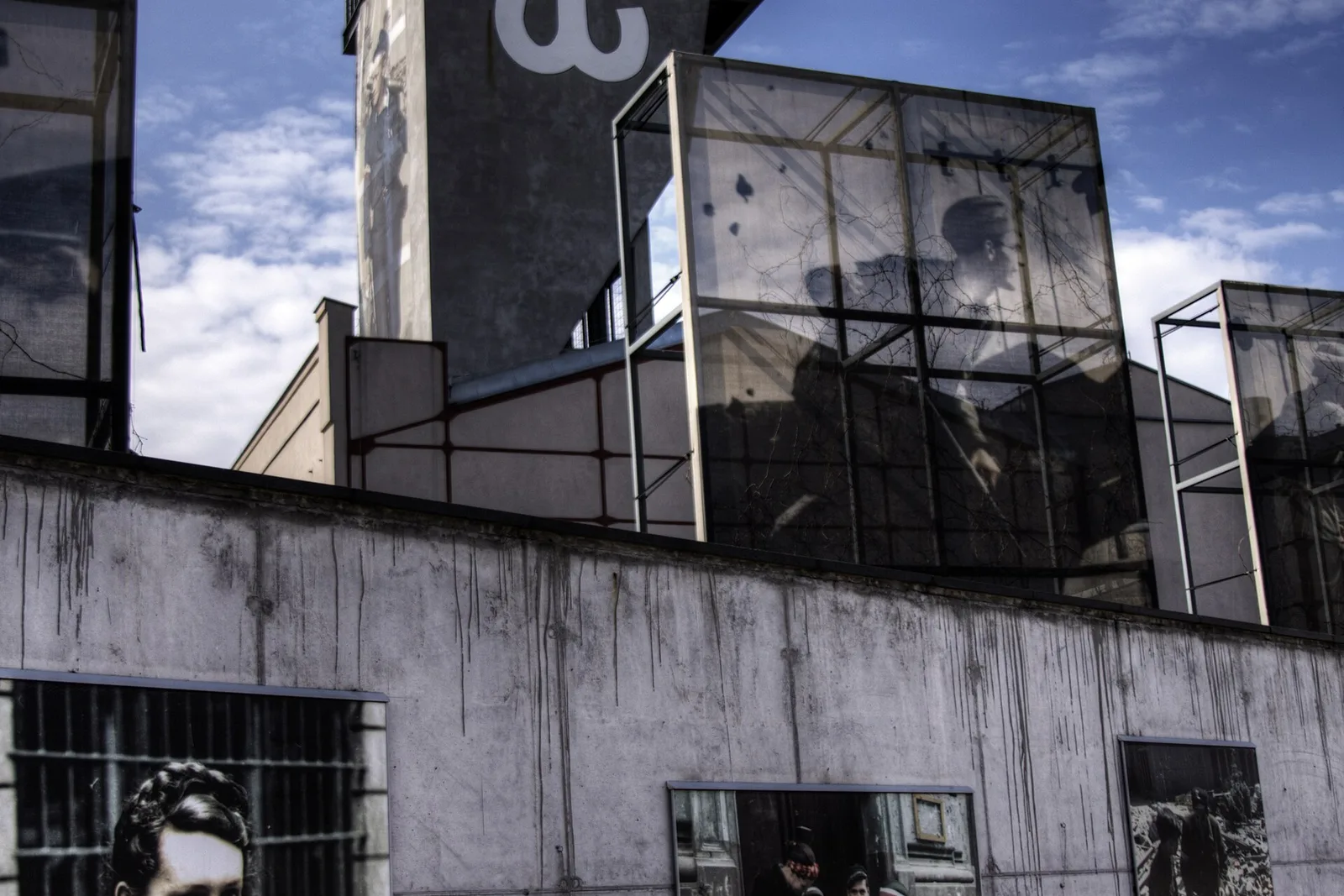
Yes. Reports call it Poland's most immersive history museum: sound, film and staged spaces recreate the 63-day 1944 uprising inside a former tram power station. Plan 2 to 3 hours, rent the audio guide, and come on a paid weekday if crowds bother you because Thursdays are free and packed.
By The Real Traveler Experiences team. We earn a commission if you book through our links. It never changes a verdict.
The Warsaw story
Warsaw surprises travelers who arrive expecting a grey post-communist capital. The [Old Town](/warsaw/old-town-warsaw/) is a brick-by-brick postwar reconstruction so faithful it earned its own UNESCO listing, and the museums carry real weight: the [POLIN Museum](/warsaw/polin-museum/) on a thousand years of Jewish life and the [Warsaw Uprising Museum](/warsaw/warsaw-uprising-museum/) both rank among the most praised in the country's traveler reports.
The verdict in 30 seconds
Go
Yes. Reports call it Poland's most immersive history museum: sound, film and staged spaces recreate the 63-day 1944 uprising inside a former tram power station. Plan 2 to 3 hours, rent the audio guide, and come on a paid weekday if crowds bother you because Thursdays are free and packed.
Go if
- You want to understand why Warsaw looks the way it does: the museum explains the destruction that made today's city
- You respond to immersive, multimedia-heavy exhibitions rather than glass cases and labels
- You have 2 to 3 hours and a tolerance for a dark, loud, emotionally heavy visit
Skip if
- Your only free day is a Tuesday, when the museum is closed
- You are actually looking for the 1943 ghetto uprising story, which lives at POLIN and the ghetto memorials
- Dense, noisy exhibits with school groups will ruin the visit for you; this is not a quiet gallery museum
What it costs
- Regular ticket: zł 35 (reduced ticket 30 PLN; Large Family Card holders 10 PLN each). Official source, checked Oct 2026.
- Audio guide hire: zł 13 (smartphone audio guide 10 PLN; reports recommend it for decoding the dense layout). Official source, checked Oct 2026.
- Guided tour in English or other languages: zł 250 (per group plus admission; a shared guided tour runs 45 PLN per person when offered). Official source, checked Oct 2026.
- Thursday admission: zł 0 (free on Thursdays; reports describe lines and packed galleries that day). Official source, checked Oct 2026.
What travelers report
Based on 12 traveler reports (Mar 2025 to Sep 2026) and the official sources linked on this page. 1 was negative.
What people like
- The immersion: reports describe sound, dim light, staged spaces and real wartime footage pulling you into 1944 rather than lecturing about it.
- Personal artifacts land hardest: letters, love notes and small objects of ordinary insurgents get singled out in report after report.
- The City of Ruins flyover film is repeatedly called essential viewing for grasping what was destroyed and rebuilt.
- Everything is English-accessible, which a forum member notes Warsaw's history museums do unusually well.
- Free Thursdays make one of the country's most important museums cost nothing if you can tolerate the crowds.
What people complain about
- The layout confuses people: reports describe losing the timeline thread and wishing they had a guide or audio guide.
- Crowds and school groups pack the narrow rooms, worst on the free Thursday; one trip report found the audio guides already gone and a 15-minute line at the film.
- It is dark, loud and emotionally draining by design; a few visitors found the experience overwhelming rather than moving.
- One recent report found it flashy but thin on substance and criticized a section that reads like modern military promotion.
How to do it right
- Check the day first: the museum is closed on Tuesdays, open 8:00 to 18:00 on Monday and Wednesday to Friday, and 10:00 to 18:00 on weekends.
- Buy a timed ticket online at bilety.1944.pl or at the desk; Thursday entry is free but expect queues.
- Allow at least 2 to 3 hours; dedicated readers of every panel report needing much of a day.
- Rent the 13 PLN audio guide or the 10 PLN phone version at the entrance; reports say it makes the dense layout legible, and on free days the stock can run out.
- Do not miss the short flyover film in the side screening room, the City of Ruins, and expect a small line for it.
- Get there on metro M2 to Rondo Daszynskiego or trams 1, 11, 22 and 24 to the Muzeum Powstania Warszawskiego stop at Grzybowska 79.
The trap to avoid
Arriving on a free Thursday expecting elbow room. Admission is waived that day and reports describe queues, school groups and packed galleries; paying the 35 PLN on a weekday morning buys a noticeably calmer visit. The other classic mistake is mixing it up with the 1943 ghetto uprising, a different event covered at POLIN and the ghetto memorials.
Why this verdict
The reports are nearly unanimous: if you visit one Warsaw museum, this is the one that explains the city itself. It sits in a former tram power station in Wola and trades quiet galleries for immersion: a pulsing heartbeat soundtrack, reconstructed passageways, genuine wartime footage and personal objects like wedding rings and letters from the 63 days of the 1944 uprising. Travelers consistently call it moving rather than merely informative, and the short flyover film of the ruined city is the exhibit people tell each other not to skip.
The hesitations are real but manageable. The layout is dense and easy to lose without the audio guide, the atmosphere is dark and loud, and the free Thursdays draw lines plus school groups. A small minority find it more spectacle than substance, and some arrive expecting the 1943 ghetto uprising, which is a different story told at POLIN; one report made exactly that mistake and walked out disappointed. The two museums answer different questions about the city, which is why travelers who can manage both usually do.
Timing and tickets
A regular ticket is 35 PLN (30 reduced) with the audio guide at 13 PLN or 10 on your phone, and you can buy entry online through the museum’s own ticket shop. The museum is closed Tuesdays; it opens 8:00 to 18:00 Monday and Wednesday to Friday, 10:00 to 18:00 on weekends. Thursday is free and crowded. A major expansion broke ground in late 2025 with the new pavilion planned for 2029, though the museum says visitor flow is unaffected.
Book or check times
Museum hours, tickets and visitor infoOnline ticket shop
We earn a commission if you book through our links. It never changes a verdict. How this works
See the combined museums tourpartner site
Questions
How long does the museum take?
Most reports and members converge on 2 to 3 hours for a solid visit. Dedicated readers of every English panel and video spent close to a full day, so trim to the main galleries if time is tight.
Is it free to visit?
Yes on Thursdays, when admission is waived for the permanent exhibition. Expect lines and crowds that day; a regular paid morning is 35 PLN and much quieter.
Is the audio guide worth it?
Reports say yes. The exhibition is deliberately dense and atmospheric, and the 13 PLN guide or 10 PLN phone version helps you follow the timeline through the maze-like rooms.
Is this the museum about the Warsaw ghetto?
No. It covers the August 1944 citywide uprising by the Polish Home Army. The 1943 ghetto uprising and Jewish history are the subject of the POLIN museum across town.