Tallinn / The verdict
Where to stay in Tallinn: which area?
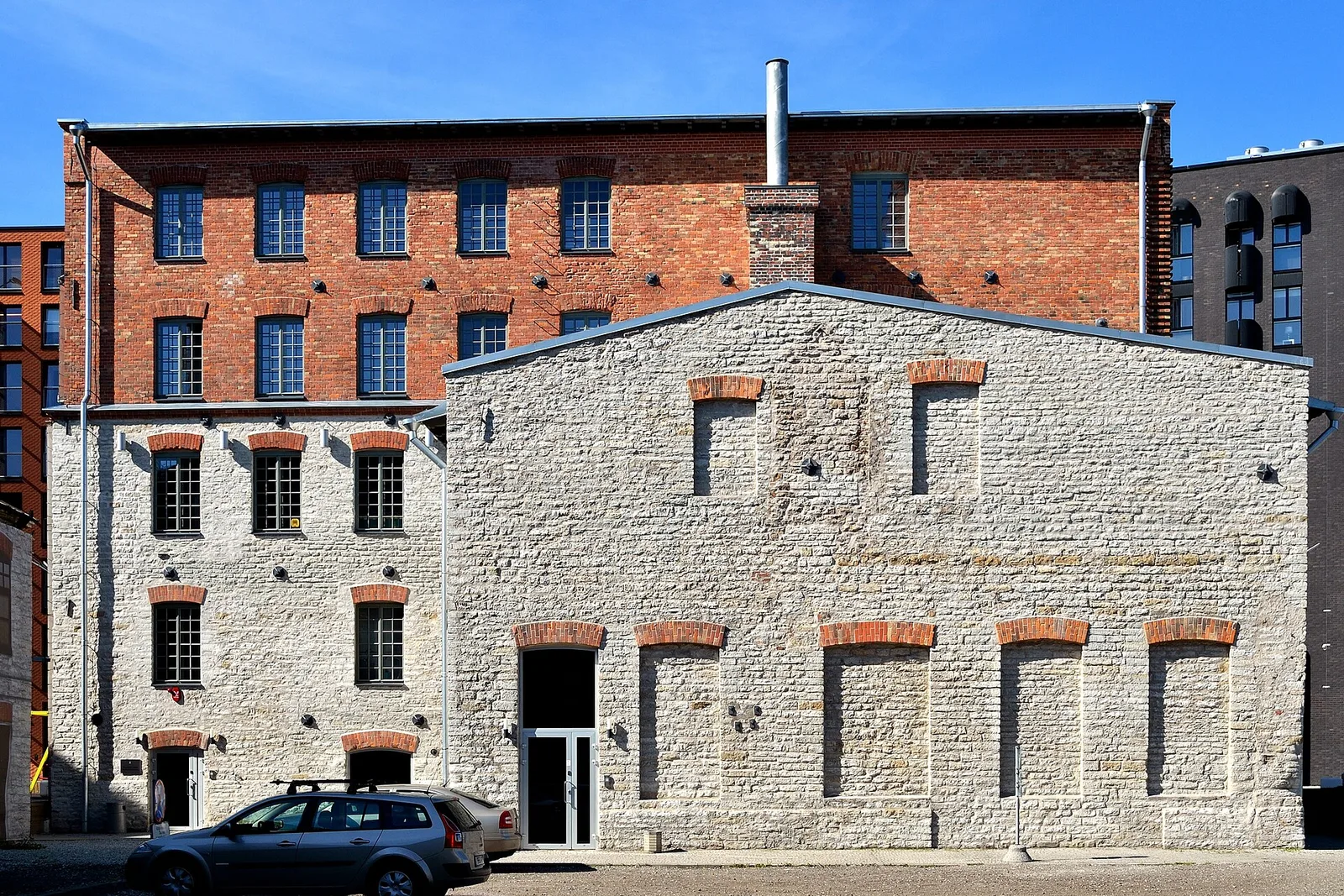
Rotermann Quarter is the forgiving default: a modern food-and-shopping quarter between the port and the medieval walls, with the widest hotel stock and quiet nights. Kalamaja is the character pick; the Old Town is atmospheric but noisy.
By The Real Traveler Experiences team. We earn a commission if you book through our links. It never changes a verdict.
The Tallinn story
Tallinn's [Old Town](/tallinn/tallinn-old-town/) is the most complete medieval core in Northern Europe: two levels of walled lanes, guild houses and church towers that survived wars, fires and five decades of Soviet rule almost intact. Travelers put it on the shortlist with Prague and Krakow for preserved medieval Europe, usually noting it costs noticeably less than either.
The verdict in 30 seconds
Our pick: Rotermann Quarter (runner-up: Kalamaja)
Rotermann Quarter is the forgiving default: a modern food-and-shopping quarter between the port and the medieval walls, with the widest hotel stock and quiet nights. Kalamaja is the character pick; the Old Town is atmospheric but noisy.
Go if
- You want a short answer: Rotermann for a first visit, Kalamaja for character, Old Town for atmosphere
- You are arriving by ferry or airport tram and want a painless landing
- You would rather trade five minutes of walk for a quiet room
Skip if
- You only sleep where the postcard is, in which case Old Town answers itself
- You are booking a party weekend and want the bars at your door
The options
Rotermann Quarter Go
First visits and short stays: the most practical base in the city without giving up atmosphere.
Good
- Sits between the Old Town walls and the passenger port, so ferry arrivals and the Town Hall Square are both a five to ten minute walk.
- The densest modern hotel stock in Tallinn, plus the Rotermanni food halls, shops and cinema quarter at street level.
- Quiet at night despite being central: it is a rebuilt commercial quarter, not a nightlife street.
- Tram 4 from the airport stops nearby, which makes arrivals painless.
- Reports repeatedly name it the practical winner for anyone who wants walkability without Old Town noise.
Watch out
- Glass-and-steel rebuild: it reads modern business district, not medieval fairy tale.
- Restaurant prices inside the quarter run higher than the residential neighbourhoods.
See hotel options in this areapartner siteCheck rates and availabilitypartner site
Kalamaja Go
Repeat visitors, longer stays and anyone who wants wooden-house streets, cafes and Telliskivi over the postcard view.
Good
- The most distinctive district in Tallinn: painted wooden houses, yards and a lived-in feel the Old Town lost to tourism.
- Telliskivi Creative City and the Balti Jaam market put the best cheap eats and indie bars ten minutes apart.
- Trams 1 and 2 and a 15-minute walk connect it to the centre; the Noblessner seafront adds a promenade.
- Apartment and guesthouse stock suits stays beyond a night or two.
- Guides consistently call it Tallinn's coolest neighbourhood.
Watch out
- You commute to the sights: 15 to 20 minutes on foot or a short tram, every time.
- Evening options cluster on Telliskivi and get quiet elsewhere.
- Streets are beautiful but residential; it suits travelers who like neighbourhoods over landmarks.
See hotel options in this areapartner site
Old Town It depends
Short stays where the medieval walls are the point and you will spend evenings inside them anyway.
Good
- Everything a first-timer came for is within a few hundred metres: Town Hall Square, the walls, viewpoints and museums.
- The atmospheric choice by definition: cobbled lanes, spires and candlelit restaurants outside the door.
- Hotel pickings include genuine medieval buildings that newer quarters cannot copy.
- Day-trippers leave by evening, so late walks through the lanes are surprisingly calm in shoulder season.
Watch out
- The noisiest district after dark: summer weekend bar crowds and late-night venues are a documented complaint, not a rumor.
- Tourist pricing on everything at street level, and cobblestones punish rolling luggage.
- Fewer grocery and everyday services than the modern quarters; the local population has largely left the core.
Check rates and availabilitypartner site
Kadriorg It depends
Families, park lovers and longer stays that want quiet and green space over nightlife.
Good
- Tallinn's most elegant residential quarter: the palace park, Kumu art museum and tree-lined streets are the daily scenery.
- quiet at night, with guesthouses and apartments at lower prices than the centre.
- Trams 1 and 3 reach the Old Town edge in about 15 minutes.
- Beach promenade and park paths suit morning walkers and runners.
Watch out
- Fifteen to twenty minutes out: every sight means a tram or a long walk.
- Thin evening scene: a handful of cafes and restaurants, then quiet.
- Hotel stock is limited to small properties; pickings get slim in summer.
| Criterion | Rotermann Quarter | Kalamaja | Old Town | Kadriorg |
|---|---|---|---|---|
| Setting | Modern rebuilt quarter between port and walls | Painted wooden-house grid with creative yards | Medieval walled town, the postcard itself | Park, palace and embassies east of centre |
| Walk to the Old Town | 5 to 10 minutes on foot | 15 to 20 minutes or tram 1 or 2 | You are inside it | About 15 minutes by tram 1 or 3 |
| Evening scene | Food halls and cocktail bars | Telliskivi bars and craft breweries | Tourist pubs and hotel bars, loud on weekends | Quiet cafes, then the park |
| Night noise | Low | Low to moderate | High, especially on summer weekends | Very low |
| Reported price level | Mid to high, widest modern stock | Mid, apartments common | Mid to high, tourist premium | Low to mid, small properties |
| Arrival logistics | Port terminals and airport tram both close | Tram 1 or 2 from the centre | Taxi or a walk to the nearest tram | Taxi or tram via the centre |
What it costs
- Tallinn public transport 24-hour ticket: €5.50 (contactless at the validator; 1-hour ticket 2 EUR, 72-hour 9 EUR). Official source, checked Oct 2026.
- Ühiskaart travel card (if needed for tickets): €3 (the reloadable card itself; contactless payment makes it optional for most visitors). Official source, checked Oct 2026.
- Kumu Art Museum, adult (Kadriorg): €16. Official source, checked Oct 2026.
- Kadriorg Park and palace gardens: €0 (the park and Swan Pond area are free to walk; the palace museum charges entry). Official source, checked Oct 2026.
What travelers report
Based on 14 traveler reports (Dec 2024 to Jul 2026) and the official sources linked on this page. 1 was negative.
What people like
- Rotermann earns the most consistent practical praise: walk-everywhere access without the Old Town noise.
- Kalamaja gets called the city's coolest quarter across reports, with wooden houses and Telliskivi as the draw.
- The Old Town's atmosphere is real: late walks through the lanes win even skeptical visitors.
- Kadriorg suits longer stays: a logged stay at Villa Kadriorg puts budget-friendly rooms beside the park, trading nightlife for calm.
- Every district is compact: reports stress that nowhere in the central belt is more than a tram hop from anywhere.
What people complain about
- Old Town nights get loud: news and visitor reports document bar crowds and street noise through summer weekends.
- Tourist premium pricing inside the walls applies to rooms and meals alike.
- Cobblestones and no-car lanes make luggage days awkward inside the Old Town.
- Kadriorg's quiet reads as empty to travelers who want evening options at the door.
- Modern quarters like Rotermann lack the medieval character some travelers assume Tallinn means.
How to do it right
- Pick Rotermann for a first visit under four nights: the practical winner in reports, between the port and the walls.
- Pick Kalamaja when the trip is about neighbourhoods, cafes and Telliskivi, or when staying a week or more.
- Book the Old Town only for a short stay where the medieval atmosphere is the entire point, and read the noise complaints first.
- Arriving by ferry: Rotermann and the Old Town edge are both walkable from Terminals A and D; Kalamaja is one tram hop.
- From the airport, tram 4 runs to the centre in about 15 to 20 minutes; add a tram or taxi for Kalamaja or Kadriorg.
- For Kadriorg, factor the daily 15-minute tram into sightseeing time and the quiet evenings into expectations.
- Book early for summer weekends: reports flag Old Town and Rotermann stock tightening in high season.
The trap to avoid
Booking the Old Town by default because it is the postcard: summer weekend nights bring bar crowds and street noise, and reports from residents and visitors alike warn that light sleepers should look one street over, literally, to Rotermann.
What to do instead
Why this verdict
Tallinn is small enough that you cannot really get this wrong, which is exactly why getting it right matters. The whole central belt is within a tram hop of everything, so the choice is about the texture of your stay, not logistics.
Rotermann Quarter is the answer for a first visit and it is not close. It sits in the gap between the passenger port and the Old Town walls, it holds the densest modern hotel stock in the city, and its rebuilt blocks stay quiet at night while the Town Hall Square crowds are still out. Reports keep arriving at the same practical conclusion: walk to everything, sleep without earplugs.
Kalamaja is the correct answer for a different traveler. Painted wooden houses, the Balti Jaam market, Telliskivi’s bars and the Noblessner seafront give you a real neighbourhood rather than a stage set, at the price of a 15-minute walk or two tram stops to the sights. Repeat visitors and week-long stays land here.
The Old Town is the option people book by default and the one that needs the caveat. Inside the walls you get the medieval lanes and the late-evening emptiness day-trippers never see; you also get weekend bar noise that made the national news, tourist-priced everything, and cobblestones that punish luggage. For a one or two night stay where atmosphere is the point, it is still the pick. Kadriorg, finally, is the quiet flank: palace park out the window, Kumu next door, lower rates, and a 15-minute tram every time you want dinner in town.
Book or check times
Visit Tallinn neighbourhoods guideKalamaja, Telliskivi and Noblessner district guideKadriorg park and palaceTallinn public transport fares
We earn a commission if you book through our links. It never changes a verdict. How this works
See hotel options in this areapartner siteSee hotel options in this areapartner siteCheck rates and availabilitypartner siteCheck rates and availabilitypartner site
Questions
What is the best area to stay in Tallinn for a first visit?
Rotermann Quarter: reports converge on it as the practical base, five to ten minutes on foot from both the Old Town walls and the ferry terminals, with the widest modern hotel stock and quiet nights.
Is it a bad idea to stay inside Tallinn's Old Town?
Not bad, but conditional: it is the most atmospheric district and best for a one or two night stay; the trade-offs are weekend nightlife noise, tourist pricing and cobblestones that fight rolling luggage.
Is Kalamaja far from Tallinn's centre?
No: about 15 to 20 minutes on foot or two to three stops on trams 1 and 2. It feels residential rather than remote, which is exactly its appeal.
Where should I stay in Tallinn for a ferry to Helsinki?
Rotermann or the Old Town edge: Tallink's Terminal D and Eckero's A-Terminal are a short walk, which matters at 7 am with luggage.
Is Kadriorg a good area to stay in Tallinn?
For the right traveler: it is quiet, green and cheaper, with the palace park and Kumu as neighbours, but every sight and meal out means a 15-minute tram, so it suits families and longer stays over first-timers.
Pack for it
Gear verdicts from our sister site, Real Buyer Experiences: