Porto / The verdict
Where should you stay in Porto?
Baixa and Se is the strongest first-time base: the flat downtown grid around Sao Bento station puts the sights, restaurants and nightlife in a short walk, with metro and trains for everything beyond. Choose Vila Nova de Gaia for port lodges, skyline views and calmer nights across the bridge, and pick the Ribeira only when the postcard riverfront outweighs its noise, hills and higher prices.
By The Real Traveler Experiences team. We earn a commission if you book through our links. It never changes a verdict.
The Porto story
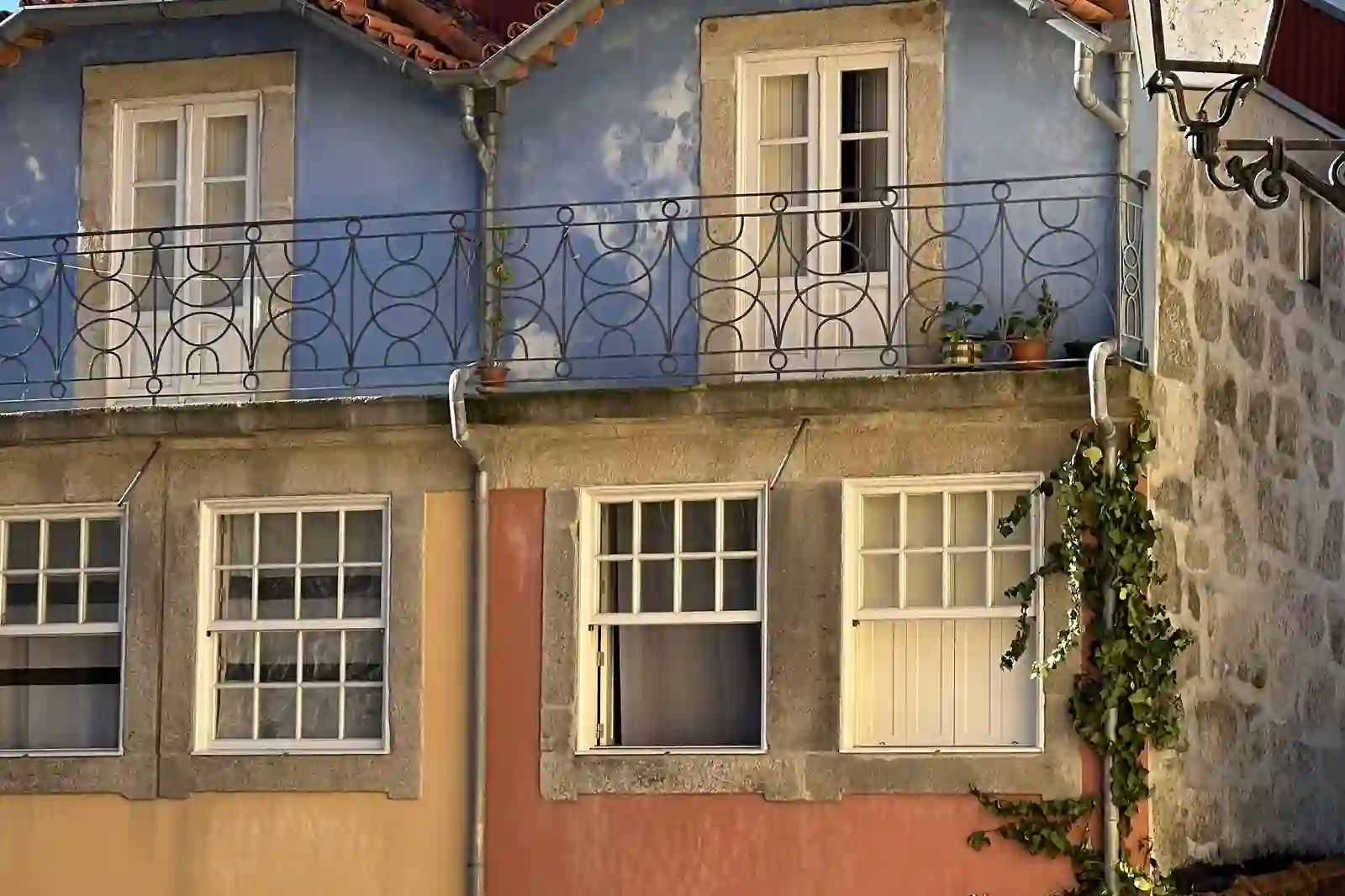
Porto is the doubter's favorite Portuguese city: a granite-and-tile riverfront stacked on a gorge, port lodges across the water in Gaia pouring aged tawnies, the Clerigos tower's 360-degree roofscape, the six-bridges river cruise sliding under Dom Luis I, and a working centre that never fully polished itself for visitors. The food, wine and views outrun the prices, and even the Livraria Lello's famous staircase is worth the ticket when the crowds behave.
The verdict in 30 seconds
Our pick: Baixa and Se (runner-up: Vila Nova de Gaia)
Baixa and Se is the strongest first-time base: the flat downtown grid around Sao Bento station puts the sights, restaurants and nightlife in a short walk, with metro and trains for everything beyond. Choose Vila Nova de Gaia for port lodges, skyline views and calmer nights across the bridge, and pick the Ribeira only when the postcard riverfront outweighs its noise, hills and higher prices.
Go if
- You want one recommended base for a first visit and are comparing Porto's central quarters
- You want the noise, hills and price tradeoffs from official sources and traveler reports in one place
- You can ride the metro, a tram or a taxi for the hills rather than walk every slope
Skip if
- You expect one neighborhood to suit every budget, mobility level and noise tolerance
- You are set on a beach stay at Foz or Matosinhos rather than the central quarters compared here
- You want quiet nights but plan to book above the Ribeira bars or the Galeria de Paris nightlife streets
The options
Baixa and Se Go
First-time visitors who want the flattest, most walkable and best-connected base, with Sao Bento station, the cathedral and the main sights a few minutes on foot.
Good
- The downtown core: flat streets by Porto standards, Sao Bento station for Guimaraes and Douro trains, and the Aliados and Trindade metro hub for the airport line.
- The strongest dining and nightlife density in the comparison, centered on Rua das Flores and the lanes above it.
- Guides consistently call it the best all-around base, with spacious mid-range rooms around 90 to 140 EUR a night.
Watch out
- Weekend nights get loud around the bar streets, so the exact block matters more than the neighborhood.
- The new metro line works and constant building renovations add construction noise on weekdays, per video reports.
- It is practical rather than postcard-pretty; the river views belong to Ribeira, a downhill walk away.
See hotel options in this areapartner site
Vila Nova de Gaia It depends
Wine-focused travelers, repeat visitors and view seekers who want the port lodges and the best skyline in the city, and accept crossing the Dom Luis I bridge or a metro hop for most sightseeing.
Good
- The port wine lodges and the WOW cultural district are at the door, and Jardim do Morro gives the trip's best sunset view back to the Ribeira.
- Reports describe calmer nights and solid mid-range rooms that undercut equivalent Ribeira prices for the same walk to the bridge.
- Rooftop bars and riverside esplanades make evenings feel relaxed rather than crowded.
Watch out
- A bridge crossing or metro ride separates you from most of Porto's sights, roughly 15 to 20 minutes on foot to the Ribeira.
- The climb up from the riverside lodges to Jardim do Morro and upper Gaia is steep, or a cable-car ride.
- Fewer casual restaurants than the Porto side; the waterfront strip leans tourist-facing.
See hotel options in this areapartner site
Ribeira It depends
Visitors who will pay a premium to step straight into the postcard riverfront, including older travelers and families who value its rare flat terrain, and who accept noise, crowds and smaller rooms.
Good
- The iconic Porto view at the door: tiled facades, the Dom Luis I bridge and the rabelo boats, all flat along the promenade.
- Instant access to the river cruises, the San Francisco church and the lower bridge deck to Gaia.
- A blissfully level base by Porto standards, which travelers with limited mobility specifically appreciate.
Watch out
- The loudest and priciest corner of the city: reports put rooms 15 to 25 percent above comparable areas and waterfront meals 20 to 30 percent higher.
- Bars and restaurants along the Cais stay lively past midnight, and rooms above them are small and loud, reports warn.
- Every trip to Sao Bento station, the cathedral or Lello means a steep cobbled climb, and parking is near zero.
Boavista Skip
Nobody as a sightseeing base; it suits only travelers tied to the business district or driving in, who specifically want a large modern hotel with parking.
Good
- Large modern chain hotels with parking and lower weekend rates than the historic core.
- Casa da Musica and a straight metro line toward the center for those who must be there.
Watch out
- A 20 to 25 minute metro ride or long taxi hop to every sight; one first-timer guide flatly warns visitors to avoid Boavista.
- Nothing walkable in the evening: the avenue is offices and malls, and the neighborhood reads as a different city from historic Porto.
- The money saved on the room is partly repaid in daily transport time and fares.
| Criterion | Baixa and Se | Vila Nova de Gaia | Ribeira | Boavista |
|---|---|---|---|---|
| Walk to the main sights | 5 to 15 flat minutes to most sights | About 15 to 20 minutes across the bridge to the Ribeira | At the river; everything uphill needs the steep climb | Around 25 minutes by metro, not walkable |
| Noise travelers report | Weekend bar noise on the nightlife streets plus metro construction by day | Calmer nights away from the lodge strip | Riverside bars and crowds past midnight | Quiet at night, but because there is little to walk to |
| Typical mid-range room | Around 90 to 140 EUR a night | Mid-range rooms that undercut Ribeira for a similar walk | Roughly 100 to 150 EUR mid-range, 150 to 250 boutique, 300-plus five-star | Lower big-hotel rates, offset by transport |
| Transit links | Sao Bento trains, Aliados and Trindade metro, airport line | Metro line D and the bridge; Gaia cable car up the hill | Sao Bento at the top of the hill, tram 1 along the river | Casa da Musica metro hub and easy car access |
| Atmosphere and views | Practical downtown grid, less scenic than the riverfront | The best skyline view in the city, back to the Ribeira | The postcard view, but you are inside it | Business avenue with little street life |
| Who it suits | First-timers who want to walk everywhere | Wine lovers, view seekers and repeat visitors | View-first visitors who accept the premium, or flat-ground needs | Drivers and business travelers only |
What it costs
- Andante occasional single, Z4 (covers airport to center): €2.30 (2026 tariff: Z2 single 1.40 EUR, Z4 2.30 EUR; the Azul paper card itself costs 0.60 EUR). Official source, checked Oct 2026.
- Andante Tour 1, 24-hour tourist ticket: €7.75 (24 hours on the whole intermodal network from first validation; Tour 3 (72 hours) is 16.55 EUR; not valid on the heritage trams or the Guindais funicular). Official source, checked Oct 2026.
- STCP heritage tram (line 1), adult single bought on board: €6 (two same-day rides 8 EUR; two-day ticket 12 EUR; child 3.50 EUR). Official source, checked Oct 2026.
- STCP bus ticket bought on board: €2.50 (per ride, cash, MB Way or contactless; Andante fares are cheaper for regular use). Official source, checked Oct 2026.
What travelers report
Based on 13 traveler reports (Dec 2024 to Jul 2026) and the official sources linked on this page. 0 were negative.
What people like
- Guides repeatedly call Baixa and Se the safest default base: flat, walkable, well fed and well connected to trains and metro.
- Gaia's skyline view back to the Ribeira and its doorstep port lodges are praised as worth the daily bridge crossing.
- Cedofeita earns praise as the local-feel quarter: galleries, cafes and quieter nights within a walk of the center.
- Travelers with mobility limits single out the Ribeira's flat promenade as the rare level base in a hill city.
What people complain about
- The Ribeira draws consistent complaints: bar noise past midnight, small rooms, a 15 to 25 percent price premium and steep climbs to Sao Bento.
- Baixa's nightlife streets get very loud on weekend nights, and the new metro line plus renovations add construction noise by day.
- Travelers who booked Boavista report a business district feel with a 20 to 25 minute ride to every sight and nothing to walk to at night.
- Licensing crackdowns have thinned the legal holiday-apartment stock in the historic center, pushing up rates and minimum stays.
How to do it right
- Default to Baixa and Se for a first visit: the flat grid around Sao Bento keeps the cathedral, Clerigos, Lello, Rua das Flores and the river within a short walk.
- Choose Vila Nova de Gaia when port lodges and the skyline view matter most, accepting the bridge crossing or a metro hop for the rest of the city.
- Book Cedofeita for a calmer, more local base with cafe life; it stays walkable to Clerigos and the nightlife streets without the noise at the door.
- Take the Ribeira only if the riverfront view is the point, and read the exact address: rooms above the promenade bars run loud past midnight.
- Skip Boavista and other business-district addresses despite the tempting big-hotel rates; reports describe a 20 to 25 minute ride to anything worth seeing.
- Check the exact street and floor before booking anywhere central: reports tie sleepless nights to rooms above restaurants, and the historic center's short-term rental supply has shrunk under new licensing caps.
The trap to avoid
Booking the Ribeira postcard without reading the fine print: promenade bar noise runs past midnight, rooms are small, restaurants on the Cais charge a visible premium, and every trip to the station means a steep cobbled climb.
Why this verdict
The reports converge hard on one answer: for a first visit, sleep in Baixa and Se. The quarter around Sao Bento station and Avenida dos Aliados is the flattest ground in central Porto, puts the cathedral, Clerigos, Lello, Rua das Flores and the river within a short walk, and gives the best restaurant and nightlife density in the comparison. Multiple guides with stays across the city land on the same conclusion, and forum posters echo it for practical reasons: the airport metro terminates a few stops away at Trindade and the Guimaraes and Douro trains leave from Sao Bento.
The runner up is Vila Nova de Gaia, the separate city across the Dom Luis I bridge where the port lodges live. It is the pick for wine-focused trips and for the view back to the Ribeira skyline, which reports call the best in the city, and its mid-range rooms undercut the Ribeira for a similar walk. The cost is a daily bridge crossing.
The two depends cases
Cedofeita is the locals’ quarter: gallery streets around Rua Miguel Bombarda, cafes, quieter nights and gentler prices, a 10 to 20 minute walk from the action. Ribeira is the postcard: flat along the water, gorgeous at the door, but the noisiest, steepest-adjacent and priciest corner per multiple reports, with bar noise past midnight and a visible restaurant premium.
The skip
Boavista is the trap that keeps catching bookers seduced by big-hotel rates: a business avenue a 25-minute metro ride from everything, with nothing to walk to at night. Cheap there is not cheap for a sightseeing trip.
Book or check times
Andante fares and ticketsMetro do Porto network and airport lineSTCP buses and heritage tramsVisit Porto and North, official tourism site
We earn a commission if you book through our links. It never changes a verdict. How this works
See hotel options in this areapartner siteSee hotel options in this areapartner site
Questions
What is the best area to stay in Porto for a first visit?
Baixa and Se, per most guides in the log: the flattest central quarter, Sao Bento station for trains and the Aliados metro hub, and the best all-around restaurant and nightlife density. Ribeira has the views but trades them for noise, hills and higher prices.
Is the Ribeira a bad area to stay in?
Not bad, but specific. It is the most photographed and most crowded quarter, reports put rooms 15 to 25 percent above comparable areas, and the promenade stays loud late. It suits view-first trips and travelers who need flat ground, less so light sleepers.
Is staying in Vila Nova de Gaia inconvenient?
Less than it looks on a map. The Dom Luis I bridge is a 15 to 20 minute walk to the Ribeira and metro line D links Gaia to Sao Bento in a couple of stops. The trade for the lodges, views and calmer nights is daily crossings.
What is the cheapest decent area in central Porto?
Reports point to Cedofeita for mid-range value inside the center, around 85 to 130 EUR a night, and to Bonfim east of the core for the lowest rates, where budget guesthouses run roughly 55 to 75 EUR.
How do you get from Porto airport to these neighborhoods?
Metro line E runs from the airport to Trindade in about 30 to 35 minutes on a Z4 Andante ticket costing 2.30 EUR on the 2026 fare table, covering Baixa, Se and connections to Gaia. Taxis and ride-hails are the fallback for luggage.
Are there fewer apartments to rent in central Porto now?
Yes. News coverage reports the city enforcing containment zones for short-term rentals across the historic quarters and a new inspection group since 2025, shrinking the apartment supply and raising minimum stays, so booking earlier matters more than it used to.
Pack for it
Gear verdicts from our sister site, Real Buyer Experiences: