Palma / The verdict
Where should you stay in Palma?
Stay in the Old Town if you are coming for Palma itself: the cathedral quarter, La Lonja lanes and the shopping spine sit inside a flat, walkable core, and the airport bus drops you at its edge. Santa Catalina is the equal-but-different pick for travelers who plan their evenings around restaurants and bars. Choose the waterfronts only if a promenade or a beach morning is the point of the trip.
By The Real Traveler Experiences team. We earn a commission if you book through our links. It never changes a verdict.
The Palma story
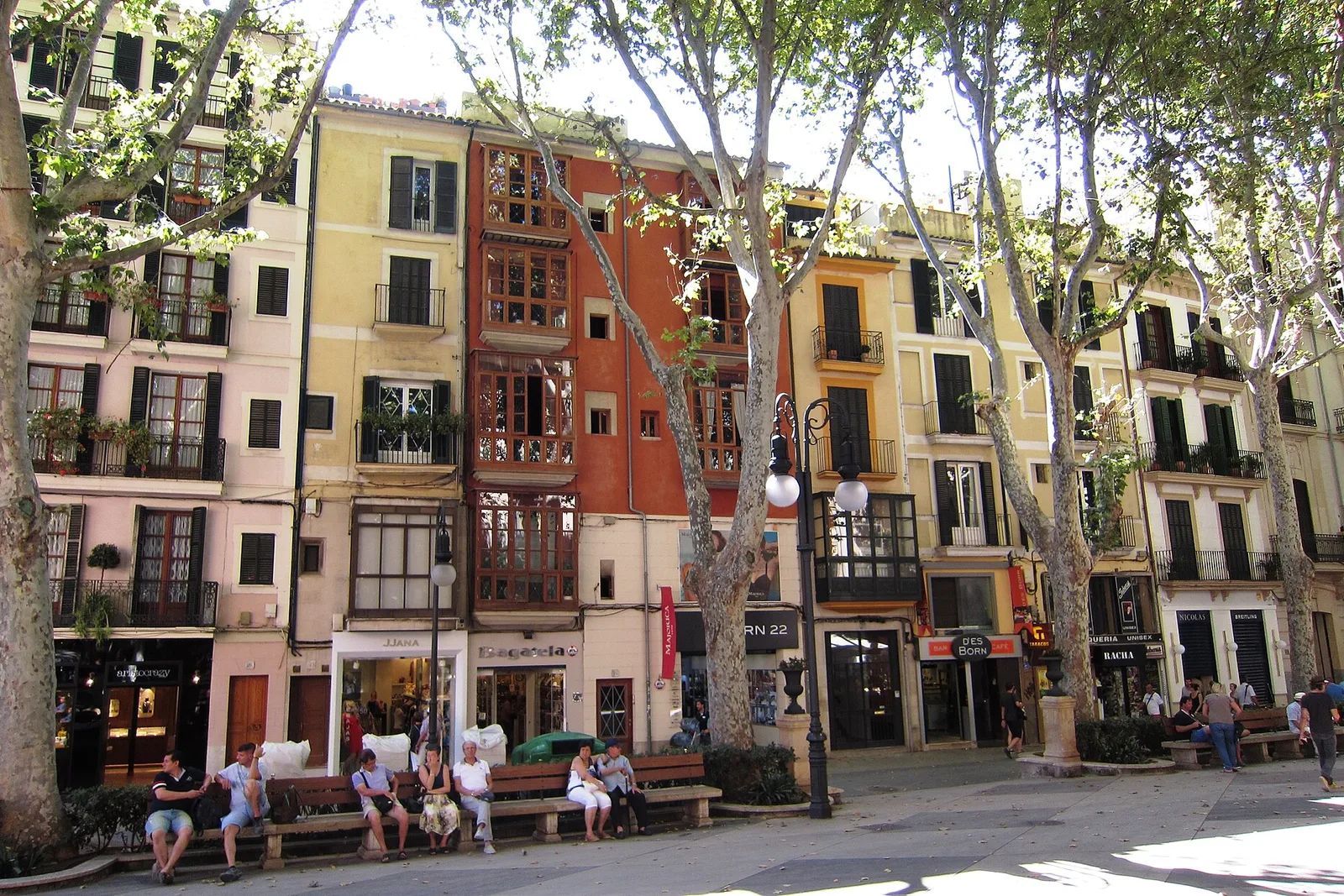
Palma is Mallorca's real city, not just its airport: La Seu, the Gothic cathedral looming over the seafront with its rose-window light show, an old town of courtyards and lanes, a circular castle on the hill with a 360-degree sweep, the 1912 wooden train to Soller through the Tramuntana, and a Santa Catalina food scene that has grown up fast. Most visitors who give it a day wish they had given it two.
The verdict in 30 seconds
Our pick: Old Town (runner-up: Santa Catalina)
Stay in the Old Town if you are coming for Palma itself: the cathedral quarter, La Lonja lanes and the shopping spine sit inside a flat, walkable core, and the airport bus drops you at its edge. Santa Catalina is the equal-but-different pick for travelers who plan their evenings around restaurants and bars. Choose the waterfronts only if a promenade or a beach morning is the point of the trip.
Go if
- First-timers who want the cathedral, old town lanes and restaurants within walking distance
- Food-led travelers who want a market and a dense bar strip on their doorstep
- Car-free travelers: the center plus bus links cover nearly everything
- Travelers who want an evening promenade or a beach without staying in a resort strip
Skip if
- You want a beach holiday first and city second: Palma is a city base, so look at Portixol, Cala Major or the resorts east and west instead
- You need quiet at all costs: parts of the old town hum until late, so check the exact street
- You are driving everywhere: central Palma has restricted lanes, tight parking and garages that cost 20-plus EUR a night
The options
Old Town Go
First-time visitors and anyone whose trip is the cathedral, shopping and the historic core
Good
- Everything on foot: cathedral, La Lonja, Plaça Major, the Passeig del Born and most restaurants sit inside a compact flat core
- Character stays: boutique hotels and hostals in converted palaces and courtyards
- Airport link is easy: bus A1 ends near Plaça d'Espanya, a short walk or one-hop ride from most old-town stays
- Best for a car-free trip; the intermodal station for buses and trains is at the edge
Watch out
- Noise is street-dependent: the lanes around Plaça Major and La Lonja hum late, while quieter blocks sit to the north and east
- A car is a liability: restricted lanes, scarce parking and 20-plus EUR nightly garages
- No beach: the sea is a 20 to 30 minute walk to the port or the start of the promenade
See hotels in the Old Townpartner site
Santa Catalina Go
Food-and-nightlife travelers who want restaurants, bars and the market a short walk west of the center
Good
- Palma's restaurant-and-bar village: a dense grid of dinner spots, cocktail bars and the Santa Catalina market
- Still walkable: 15 to 20 minutes on foot to the cathedral and the Passeig del Born
- Mixed housing stock: boutique stays and apartments in a lived-in former fishing quarter
Watch out
- Lively means loud: weekend evenings carry street noise on the bar blocks
- Fewer classic sights on the doorstep: it is a neighborhood, not a monument zone
- Slightly further from the intermodal transport hub than the old town
See hotels in Santa Catalinapartner site
Portixol and El Molinar It depends
Repeat visitors and walkers who want a local seafront promenade east of the center
Good
- A proper neighborhood waterfront: a flat promenade popular with joggers, cyclists and locals on evening walks
- Seafront restaurants and a small marina feel without a resort atmosphere
- About 25 to 30 minutes walk or a short bus ride along the bay to the cathedral
Watch out
- It is a stroll, not a beach holiday: the sea here is for looking at and walking beside, the sandy beach sits further along at Playa de Palma
- Choice of stays is thin compared with the center
- You will bus, taxi or walk a fair way for the old-town core every day
Cala Major and San Agustin It depends
Travelers who want a hotel beach within a short taxi ride of the city
Good
- A real sandy beach with sunbeds, and Palma's center still about 10 to 15 minutes by taxi or bus
- Sea-view hotels at prices that undercut equivalent rooms in the historic core
- Good for a split trip: city evenings, beach mornings
Watch out
- It reads as a small resort strip, not as Palma: hotel blocks and beach bars rather than the city
- Narrow beach that fills fast in summer
- Every evening out ends in a taxi or a bus back, which wears thin over a week
| Criterion | Old Town | Santa Catalina | Portixol and El Molinar | Cala Major and San Agustin |
|---|---|---|---|---|
| Walkability to sights | Everything inside a flat, pedestrian-heavy core | 15-20 min walk to the cathedral quarter | Promenade walk of 25-30 min to the center | 10-15 min by bus or taxi to the center |
| Restaurants and nightlife | Broad mix from tapas to tasting menus, busy every night | The densest dinner-and-bars grid in Palma | Seafront restaurants, calmer evenings | Hotel bars and a handful of beach restaurants |
| Beach access | None on foot; bus or taxi needed | None on foot; waterfront promenade nearby | Promenade and marina on the doorstep, sand a bus ride | Sandy beach directly across the road |
| Noise at night | Varies street by street; central lanes can hum late | Loud on bar blocks at weekends, quiet a street away | Calm after the evening promenade winds down | Resort calm, occasional bar noise in season |
| Getting around without a car | Best: intermodal hub and A1 airport bus at the edge | Good: buses along the esplanade, flat walk to center | OK: buses along the seafront, or the promenade on foot | OK: buses and taxis toward Palma |
| Price level | Mid to high; boutique hotels dominate | Mid; apartments and small hotels | Mid to high on the promenade | Mid; better value for sea views |
What it costs
- Sustainable tourism tax, 4-star hotel, high season: €3 (Per person and night plus 10% VAT, May to October; drops to 0.75 EUR in low season, under-16s exempt, 50% off from the ninth night). Official source, checked Oct 2026.
- Sustainable tourism tax, 1-3 star hotel or tourist apartments, high season: €2 (Per person and night plus 10% VAT, May to October; low-season and long-stay reductions apply). Official source, checked Oct 2026.
- EMT Palma single bus fare, zone A1: €3 (Reference cash fare inside the Palma zone; the airport A1/A2 lines price separately). Official source, checked Oct 2026.
What travelers report
Based on 12 traveler reports (Feb 2025 to Aug 2026) and the official sources linked on this page. 0 were negative.
What people like
- Reports love the compactness: a flat, walkable center where the cathedral, shopping, restaurants and the intermodal station sit within a 15-minute span.
- Old-town boutique hotels in converted palaces get called out as memorable stays in themselves.
- Santa Catalina's restaurant-and-bar grid is described as Palma's food neighborhood, a block-to-block answer to where to eat.
- Portixol's promenade gets praised as a locals' waterfront for evening walks rather than a tourist seafront.
What people complain about
- Noise is the recurring warning for the center: the busy lanes around Plaça Major and the bar streets can run late, so the exact address matters.
- Reports describe Palma as a city base, not a beach town: the seafront east is a promenade, and the sandy beach zone at Playa de Palma feels like a separate resort strip.
- A car is a burden in the core: restricted lanes and 20-plus EUR parking garages feature in multiple reports.
- Some travelers flag anti-holiday-let tensions and prefer licensed hotels to apartment rentals.
How to do it right
- Draw a circle on the map: for a first trip, stay inside the ring formed by Plaça Major, La Lonja, the Passeig del Born and Santa Catalina, and you can walk to nearly everything.
- The flat center is small: a reported 15-minute walk crosses from the cathedral to the Santa Catalina market, so location inside the core matters less than the street itself.
- For quiet, pick side streets or the blocks north of Plaça Major; the lanes around Plaça Major and La Lonja can stay busy past midnight.
- Arriving by plane is easy: the A1 airport bus ends near Plaça d'Espanya, beside the intermodal station for TIB buses and trains across the island.
- Driving? Budget 20-plus EUR per night for a garage and check whether your hotel street sits inside restricted lanes.
- Factor the sustainable tourism tax onto every stay: it lands on the bill per person per night, collected by the accommodation.
The trap to avoid
Renting a car while staying in the core: the center's lanes are restricted and garages run 20-plus EUR a day, so the car becomes a daily cost with nowhere to go.
Why this verdict
Palma is an easy city to position: the center is small, flat and dense, so the real question is whether you want the historic core, the food quarter, or the sea. The Old Town is the pick because reports keep repeating the same logic: inside the triangle formed by the cathedral, the Passeig del Born and Plaça Major you can walk to nearly everything, the boutique hotels are converted palaces, and the airport bus ends at the neighborhood’s edge. First-time visitors lose nothing by basing inside it.
Santa Catalina runs it close and wins for a specific traveler: if your Palma trip is mostly dinners, bars and the market, the former fishing quarter west of the center is the better address. The waterfronts, Portixol-El Molinar and Cala Major-San Agustin, are the depends choices: the first gives you a locals’ promenade, the second a genuine city beach, but both cost you the on-foot access that makes the center appealing. The consistent warnings in reports are noise street by street in the core and the fact that Palma is a city, not a beach town, so pick the trade-off deliberately.
Timing and tickets
Accommodation adds the sustainable tourism tax to every stay: in high season, roughly 3 EUR per person per night at a four-star plus VAT, less at smaller categories, and under-16s are exempt. The A1 airport bus ends near Plaça d’Espanya beside the intermodal station, which is also where island buses and trains leave for Valldemossa, Soller and the east coast. High-season weekends fill the old town early; the sweet spot many reports describe is arriving midweek, staying inside the core, and never needing transport until the day you leave.
Book or check times
Sustainable tourism tax calculatorEMT Palma fares and buses
We earn a commission if you book through our links. It never changes a verdict. How this works
See hotels in the Old Townpartner siteSee hotels in Santa Catalinapartner site
Questions
Is the Old Town noisy at night?
Street by street. Reports warn the lanes around Plaça Major, La Lonja and the bar blocks hum late, while quieter options sit on side streets and the northern quarters. Read the hotel's exact block, not just its neighborhood.
Can I stay in Palma without a car?
Yes, and reports say it is the easy way: the center is flat and compact, the airport bus comes to the edge, and the intermodal station puts Sóller, Valldemossa and the east-coast towns on direct buses and trains.
Old Town or Santa Catalina?
The Old Town puts sights and shopping on your doorstep; Santa Catalina puts dinner and bars there instead. Reports often recommend Santa Catalina to repeat visitors and food-led travelers, the Old Town to first-timers.
What about Playa de Palma?
The long sandy strip east of the airport is a resort zone of its own: fine for a beach week, but reports describe it as disconnected from Palma's center in feel, with the city a bus ride away.
Hotel or apartment?
Forum travelers currently lean hotel in Palma, both because holiday-let rules are contested locally and because the old town's small boutique hotels sit inside the lanes where apartments often do not.