Palma / The verdict
Is a food tour in Palma worth it?
Yes for most food-curious visitors: three hours of guided tastings, from the Santa Clara nuns' cookies to sobrasada, tapas and a finisher of ensaimada with almond ice cream, lands well in every recent report, and the 65 to 80 EUR price is fair for what is effectively lunch plus a city walk. The counter is that Palma is unusually easy to eat through DIY, so confident planners can assemble the same hits for less around Mercat de l'Olivar.
By The Real Traveler Experiences team. We earn a commission if you book through our links. It never changes a verdict.
The Palma story
Palma is Mallorca's real city, not just its airport: La Seu, the Gothic cathedral looming over the seafront with its rose-window light show, an old town of courtyards and lanes, a circular castle on the hill with a 360-degree sweep, the 1912 wooden train to Soller through the Tramuntana, and a Santa Catalina food scene that has grown up fast. Most visitors who give it a day wish they had given it two.
The verdict in 30 seconds
Go
Yes for most food-curious visitors: three hours of guided tastings, from the Santa Clara nuns' cookies to sobrasada, tapas and a finisher of ensaimada with almond ice cream, lands well in every recent report, and the 65 to 80 EUR price is fair for what is effectively lunch plus a city walk. The counter is that Palma is unusually easy to eat through DIY, so confident planners can assemble the same hits for less around Mercat de l'Olivar.
Go if
- You are on a short stay and want Palma's food greatest hits curated in one go
- You like context with your food: guides explain what sobrasada, panadas and coca actually are
- You want access you cannot self-organize, like the convent cookie stop
- You are solo or a couple and want a social, small-group afternoon
Skip if
- You already know Spanish food culture and plan to graze the market counters yourself
- You are on a tight budget: the same products at Mercat de l'Olivar stalls cost a fraction of the 65 to 80 EUR tour price
- You hate set menus: tastings are fixed and portion sizes are small
- You need it on a Sunday: Palma's markets and many food spots are closed, and most tours do not run
What it costs
- Palma foodie walking tour of the old town (No Frills Excursions): €65 (About 3 hours, small group, all tastings plus a glass of local wine; under-3s free). Official source, checked Oct 2026.
- Palma de Mallorca food tour (Secret Food Tours): €79.99 (About 3 to 3.5 hours with multiple tasting stops). Official source, checked Oct 2026.
- Mercat de l'Olivar visit: €0 (Free entry; main halls run Monday to Friday 7:00 to 14:30 with a partial evening opening, Saturday until 15:00, food stalls until 16:00, closed Sundays). Official source, checked Oct 2026.
What travelers report
Based on 12 traveler reports (Jun 2025 to Sep 2026) and the official sources linked on this page. 0 were negative.
What people like
- Guides get the credit: reports single out passionate local guides who explain the products, the history and where locals actually eat.
- The convent stop is the signature surprise: knocking at the Santa Clara convent for the nuns' cookies is described as something you would never do alone.
- Tastings land as a full meal: reports describe leaving full after six or seven generous stops.
- Palma's scene is having a moment: the city was named Gastronomic Capital of the Mediterranean for 2026, which matches how reports describe a market culture at its best.
What people complain about
- The DIY counterargument is real: several reports point out that Mercat de l'Olivar's own tapas counters sell much of the same food at stall prices.
- Small groups still mean a fixed menu: if you do not eat pork or seafood, some tastings are lost.
- A few reports find the portions snack-sized at individual stops, fine for grazers, frustrating for appetites.
- Sunday and holiday closures limit when the full market-and-convent version can run.
How to do it right
- Book a morning or midday slot: the classic foodie walk runs about 3 hours and doubles as lunch.
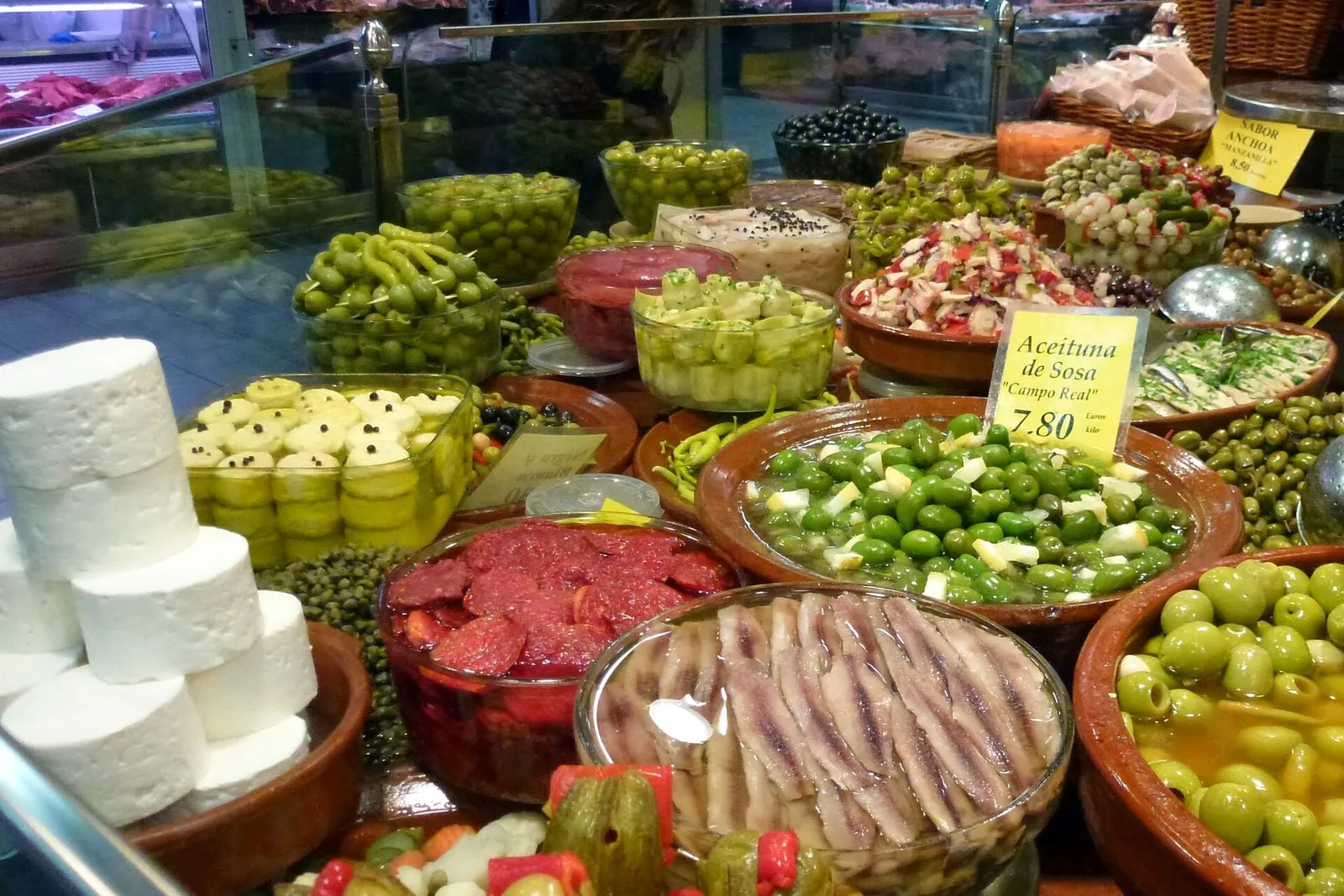
- Expect the greatest-hits sequence: Mercat de l'Olivar tastings, the Santa Clara convent for the nuns' handmade cookies, sobrasada and panadas, tapas with wine, and a sweet finish of ensaimada and almond ice cream at Can Joan de s'Aigo.
- Doing it DIY instead? Start at Mercat de l'Olivar, Palma's flagship market since 1951, then walk to a bakery for an ensaimada; the market is free to enter and closed on Sundays.
- Come hungry and skip breakfast: reports describe the tastings as a full meal by the end.
- Dietary needs: message the operator ahead; menus are fixed but guides are used to adapting stops.
- Wear flat shoes: the route is cobbled old-town lanes, about 2 kilometres of gentle walking.
The trap to avoid
Booking for a Sunday or holiday: the market-and-convent version cannot run when the Mercat de l'Olivar is closed, so the tour you get is the reduced one at the same price.
Why this verdict
A Palma food tour earns a go for the majority of visitors because the product solves a real problem: the city’s edible canon is scattered across a market, a convent door, tapas bars and a 1700-founded pastry house, and a good guide strings it together in three hours with stories attached. Reports from the flagship foodie walk are consistent: you taste sobrasada and panadas, knock at the Santa Clara convent for the nuns’ cookies, have tapas with wine, and finish on ensaimada and almond ice cream. Guides get the praise, and at roughly 65 to 80 EUR it prices like lunch plus a walking tour.
The caveat is that Palma is unusually DIY-friendly. Mercat de l’Olivar, the island’s flagship market since 1951, sells much of the same food at counter prices, and travelers report grazing it happily for a fraction of the tour cost. If you are a confident food planner on a budget, the market plus a bakery crawl is a legitimate alternative; the tour is for everyone who wants it curated, contextualized and social.
Timing and tickets
Daytime tours run about three hours, typically on weekday mornings or middays, and function as lunch. Sundays are the trap: the market is closed and many food businesses rest, so most tours skip the day entirely. Book ahead in peak months, and if you want a fixed-menu-free experience, look at the private format or simply take the DIY route through l’Olivar’s 100-plus stalls, which run mornings Monday to Saturday and close entirely on Sundays.
Book or check times
Mercat de l'Olivar official siteCan Joan de s'Aigo ensaimada house
We earn a commission if you book through our links. It never changes a verdict. How this works
See an evening tapas and wine tourpartner siteSee a private tastings tourpartner site
Questions
Is a food tour worth it if I can just walk into the market?
That is the real decision. Mercat de l'Olivar and the old-town bakeries let you assemble much of the same food for far less, and confident travelers report excellent DIY meals there. What the fee buys is a local guide, the convent and hidden stops you would not find alone, and six or seven tastings curated into one walk.
What do you actually taste?
Reports converge on the same canon: olives and sobrasada, Mallorcan panadas, tapas with a glass of wine, the Santa Clara nuns' cookies, and a finish of ensaimada with almond ice cream or hot chocolate at a 1700-founded pastry house.
How much does it cost?
The main shared tours run about 65 to 80 EUR per person for roughly three hours with all tastings included; private versions cost more. That prices it at lunch plus a guided walk.
Does it run on Sundays or evenings?
Most daytime tours do not run on Sundays because the market and many food businesses are closed. Evening tapas formats exist and sidestep the market entirely, but check operator schedules around holidays.
Is it suitable for kids?
Reports describe it as family friendly for adventurous young eaters: the walking is easy and the tastings land as snacks. Under-3s are free on the flagship tour, but picky eaters may find sobrasada-and-seafood heavy.