Lyon / The verdict
Are the traboules of Vieux Lyon worth seeking out?
Yes: the conventioned traboules are free to enter and unlike anything else in the city, Renaissance courtyards and spiral staircases behind plain doors. The effort is finding them, so the official map or a guided tour pays off.
By The Real Traveler Experiences team. We earn a commission if you book through our links. It never changes a verdict.
The Lyon story
Lyon is France's second city at nearly everything except eating, where it is first: bouchon bistros and the Les Halles market, the Presqu'île between two rivers, Roman theaters on Fourvière hill, and the hidden [traboules](/lyon/vieux-lyon-traboules/) threading the Renaissance lanes of Vieux Lyon. The gastronomy reputation is earned rather than marketed, and the scale stays humane: big-city France you can still walk.
The verdict in 30 seconds
Go
Yes: the conventioned traboules are free to enter and unlike anything else in the city, Renaissance courtyards and spiral staircases behind plain doors. The effort is finding them, so the official map or a guided tour pays off.
Go if
- You like a self-guided treasure hunt through Renaissance passages
- You will keep noise down in courtyards people live in
- You have a spare two hours around Vieux Lyon or the Croix-Rousse slopes
Skip if
- You are pushing a stroller or need step-free routes; stairs and cobbles rule out many passages
- You expect interiors on demand; only the marked conventioned passages are open to the public
What it costs
- Traboule access: €0 (about 80 passages stay open to the public under the city agreement, marked by plaques; conventioned routes such as 10-12 rue Saint-Georges list hours of 7:00 to 19:00). Official source, checked Oct 2026.
- Guided walking tour covering the traboules, tourist office: €13 (Vieux-Lyon tours from 13 EUR, 9 EUR for ages 8 to 18 and students; one tour is included with the Lyon City Card). Official source, checked Oct 2026.
- Metro ride to Vieux-Lyon, standard TCL ticket: €2.10 (line D to Vieux-Lyon Cathedrale Saint-Jean puts you at the foot of the densest cluster). Official source, checked Oct 2026.
What travelers report
Based on 12 traveler reports (Oct 2024 to Aug 2026) and the official sources linked on this page. 0 were negative.
What people like
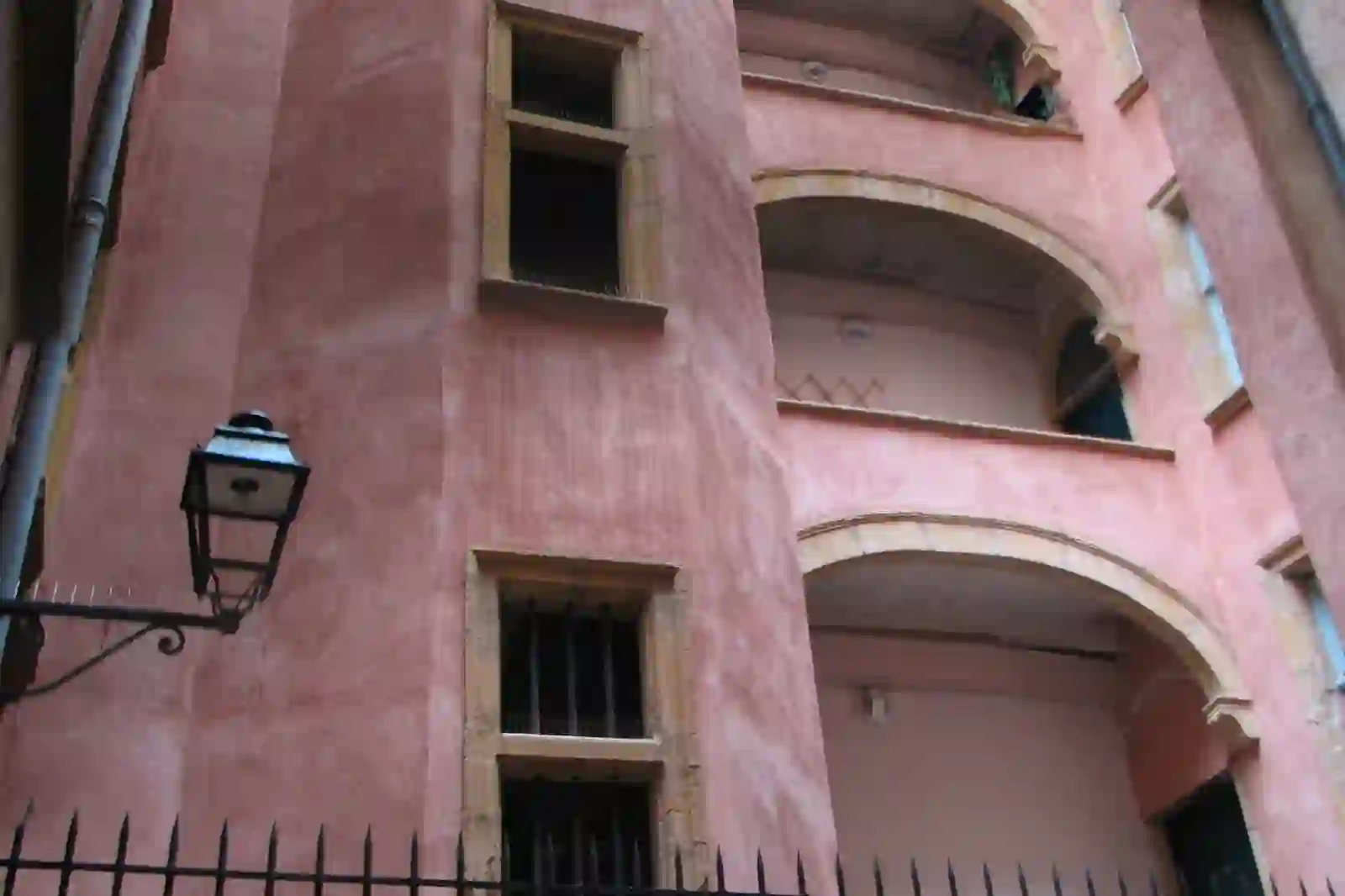
- Travelers describe a genuine treasure hunt: plain doors opening onto Renaissance galleries, spiral stairs and the Tour Rose.
- The passages are free and several reports rank them among the most distinctive things to do in Lyon.
- Guided walks earn strong marks for finding hidden doors and telling the silk-worker and Resistance history.
- La Longue Traboule through four courtyards is the favorite single route in the log.
What people complain about
- Many promising doors are simply closed; only the conventioned fraction is open, which frustrates unplanned wanderers.
- Residents living around the passages are reported annoyed by noise, and etiquette rules matter.
- Signage is discreet enough that several travelers passed entrances without noticing them.
- Steps, narrow passages and cobbles make much of the network impractical for strollers and limited mobility.
How to do it right
- Pick up the traboule map at the tourist office on place Bellecour or use the official list of conventioned passages before setting out.
- Start at La Longue Traboule from 54 rue Saint-Jean to 27 rue du Boeuf, the classic route across four courtyards.
- Look for the small plaques beside doorways; they mark the passages the city agreement keeps open, roughly 7:00 to 19:00.
- Push doors gently and never force one: a closed door is a private courtyard, and quiet is part of the deal that keeps them open.
- For the Croix-Rousse cluster or the history behind the silk workers, join a guided walk; it reaches doors self-guided walkers miss.
The trap to avoid
Pushing every promising door: only passages marked by the official plaques are open under the city agreement, and hours run about 7:00 to 19:00. Treating the courtyards as an attraction set, not a lived-in space, is exactly what gets routes closed.
Why this verdict
The traboules are the rare headline attraction that costs nothing and still feels like discovery. The conventioned passages, about eighty of them per the tourist office, open plain doors onto Renaissance courtyards, galleried staircases and the occasional tower like the Tour Rose. Across the log the praise is consistent: travelers who found them call it a highlight, and La Longue Traboule across four courtyards is the single favorite.
The catch is access, not quality. Only the plaque-marked passages under the city agreement are open, roughly 7:00 to 19:00, and everything else is a private courtyard behind a closed door. Forum and blog reports agree that an unplanned wander yields more locked doors than open ones. The fixes are free or cheap: the official map from the tourist office, the published list of addresses, and early-morning timing when the courtyards are quietest.
Etiquette is the other variable. These are lived-in buildings kept open by courtesy since 1990, and several reports mention residents worn thin by noisy groups. A guided walk is worth the 13 EUR for travelers who want the silk-weaver and Resistance stories and doors they would walk straight past; it is optional for everyone else.
Timing and tickets
No tickets exist. Go before ten in the morning, start at 54 rue Saint-Jean, and treat a closed door as an answer. Metro D to Vieux-Lyon Cathedrale Saint-Jean puts you inside the densest cluster, and the Croix-Rousse slopes offer the same mechanics with fewer crowds.
Book or check times
We earn a commission if you book through our links. It never changes a verdict. How this works
See guided traboules tourspartner site
Questions
Are the traboules free?
Yes. The conventioned passages are public by agreement with the owners and free to enter. Guided tours are optional and paid, from 13 EUR with the tourist office.
How many traboules are open to visitors?
The tourist office counts about 80 passages open under the agreement, out of roughly 500 across the city. The densest clusters are in Vieux Lyon and on the Croix-Rousse slopes.
How do you find the entrances?
The open passages carry a small plaque near the door. The tourist office publishes a map of conventioned routes, and La Longue Traboule between 54 rue Saint-Jean and 27 rue du Boeuf is the standard starting point.
Do you need a guided tour?
Not for the famous Vieux Lyon passages, which the map and plaques make reachable solo. A guide earns its price in context, silk-weaver history and doors that are easy to walk past; travelers who joined one called it the highlight of their visit.
What are the rules inside?
Keep voices low, do not block residents' doors, and stick to the marked passages during open hours, about 7:00 to 19:00. These are private buildings kept open by courtesy.
When is the best time to go?
Early morning, ideally before 10:00, is the advice repeated across the reports: courtyards are quietest, light is best for photos and residents are least disturbed.