Lisbon / The verdict
Where should you stay in Lisbon?
Baixa and Chiado is the strongest first-time base: Lisbon's flattest quarter, with two metro lines meeting at Baixa-Chiado and the riverfront, Rossio and lower Alfama in a short walk. Choose Principe Real for a calmer, leafier stay a short walk above the center, and pick Alfama only when atmosphere outweighs stairs and luggage logistics.
By The Real Traveler Experiences team. We earn a commission if you book through our links. It never changes a verdict.
The Lisbon story
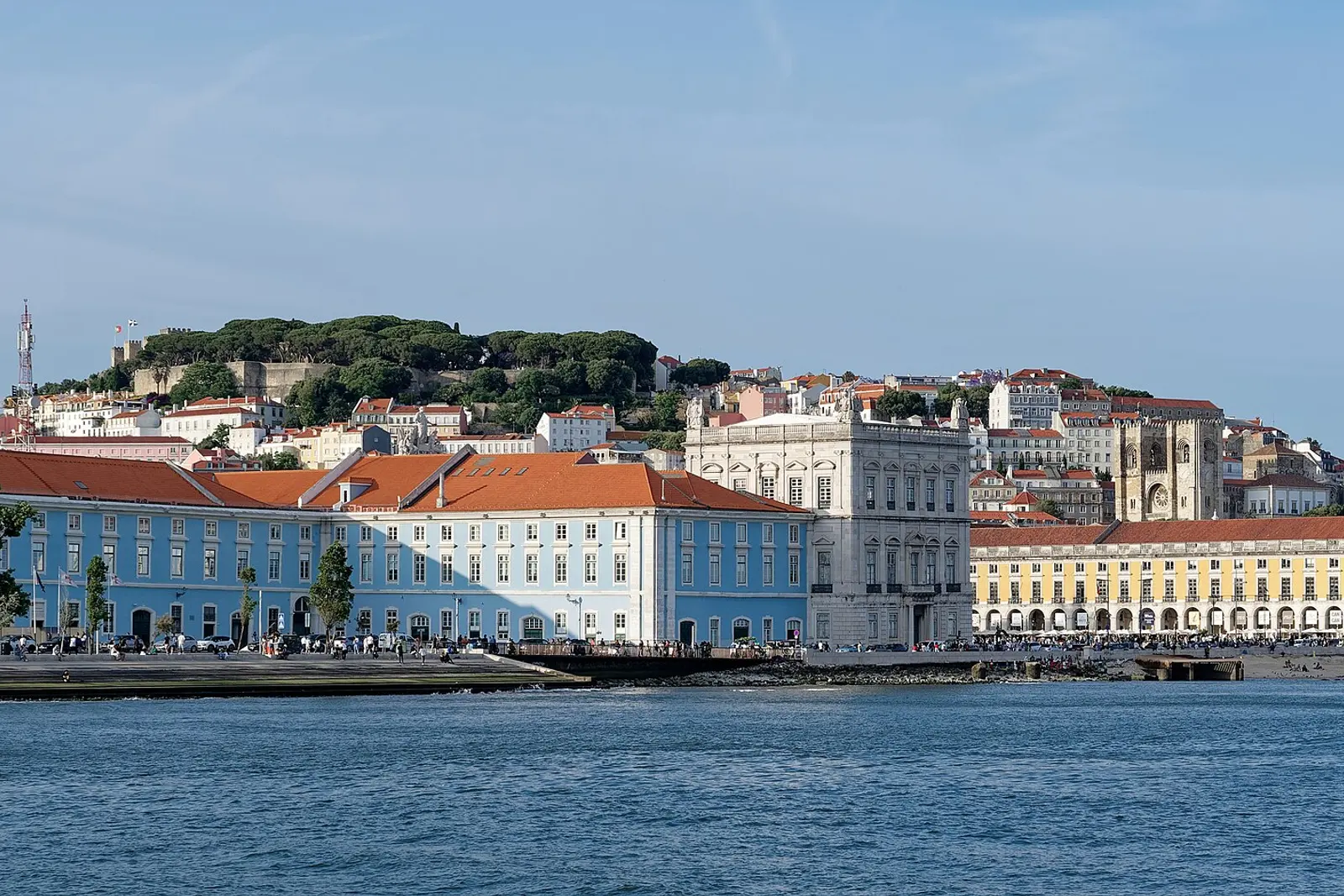
Lisbon is a city of viewpoints: tiled facades, seven hills, rattling trams and miradouros where the whole place opens over the Tagus. It keeps one foot in the past with fado houses, century-old tascas and the Alfama maze, wears its scruffiness well, and holds serious day-trip range into Sintra and the coast at prices below the northern capitals.
The verdict in 30 seconds
Our pick: Baixa and Chiado (runner-up: Principe Real and Avenida da Liberdade)
Baixa and Chiado is the strongest first-time base: Lisbon's flattest quarter, with two metro lines meeting at Baixa-Chiado and the riverfront, Rossio and lower Alfama in a short walk. Choose Principe Real for a calmer, leafier stay a short walk above the center, and pick Alfama only when atmosphere outweighs stairs and luggage logistics.
Go if
- You want one recommended base for a first visit and are comparing Lisbon's central quarters.
- You want the hills, noise and transit tradeoffs from official sources and traveler reports in one place.
- You can ride the metro, a tram or a taxi for the hills rather than walk every slope.
Skip if
- You expect one neighborhood to suit every budget, mobility level and nightlife tolerance.
- You are set on a riverside base like Belem or Parque das Nacoes rather than the central quarters compared here.
- You want quiet nights but plan to book inside the Bairro Alto bar grid.
The options
Baixa and Chiado Go
First-time visitors who want the flattest, most connected central base and can pay the tourist quarter's higher rates.
Good
- Lisbon's flattest quarter, and reports call it the easiest base for walking, luggage and limited mobility.
- Baixa-Chiado station serves two metro lines, with Rossio, Restauradores, Terreiro do Paco and Cais do Sodre stations at the quarter's edges.
- Puts the riverfront, Praca do Comercio and the lower Alfama lanes within a short walk.
Watch out
- Reports describe its main shopping and restaurant blocks as the city's most tourist-oriented, with noise from restaurants below some rooms.
- Central rates run high, and guides flag overpriced rentals marketed only as 'historic center'.
- Feels commercial compared with Lisbon's lived-in quarters, which some travelers found underwhelming at night.
See hotel options in this areapartner site
Alfama It depends
Repeat visitors, romantics and light packers who trade convenience for Lisbon's most atmospheric quarter.
Good
- The city's oldest quarter, where the Moorish street plan survived the 1755 earthquake and reports call it Lisbon's most atmospheric stay.
- Fado houses, viewpoints and the castle sit on the doorstep, with fado drifting into windows at night.
- Back lanes away from the tram streets feel like a quiet village, reports say.
Watch out
- The steepest, most cobbled lanes in the comparison; most interior streets are closed to non-resident cars, so bags go up on foot from the nearest drop-off.
- No metro station inside the quarter; Santa Apolonia station sits at its foot and trams serve its edge streets.
- Reports describe fado and visitor noise lingering toward midnight in the middle lanes.
See hotel options in this areapartner site
Principe Real and Avenida da Liberdade Go
Travelers who want a calmer, leafier and more upscale base a short walk above the center.
Good
- Reports repeatedly praise it as the calmer alternative to the tourist quarters while staying walkable to Chiado.
- Independent shops, a garden square and a strong restaurant scene give it the lived-in feel travelers contrast with Baixa.
- Suits travelers who want boutique and luxury stays.
Watch out
- Sits on a hilltop; the walk to Baixa is downhill going and uphill coming home.
- No metro inside the neighborhood; Rato on the yellow line and Avenida on the blue line are the closest stations.
- Hotel rates run high, matching its upscale character.
See hotel options in this areapartner site
Bairro Alto Skip
Nobody as a sleeping base; stay next door in Chiado or Principe Real and walk over for the nights out.
Good
- The city's densest nightlife grid, quiet and attractive by day.
- Close to Chiado, Cais do Sodre and Principe Real for travelers who want bars at arm's length.
- Its edge streets toward Principe Real run calmer, reports note.
Watch out
- Bar crowds fill the lanes until the early morning, and residents petitioned the city over nightly noise with the council backing tougher enforcement.
- Reports describe it as a party destination rather than a place to sleep.
- The Gloria funicular that climbed to it is suspended, so reaching it means walking the hill or a bus.
| Criterion | Baixa and Chiado | Alfama | Principe Real and Avenida da Liberdade | Bairro Alto |
|---|---|---|---|---|
| Flat ground | Lisbon's flattest central quarter | Steepest; cobbled stairs | Hilltop; streets slope down to the center | Hilltop grid above Chiado |
| Metro access | Baixa-Chiado serves the blue and green lines; more stations at the edges | None inside; Santa Apolonia at its foot | None inside; Rato and Avenida at the edges | Baixa-Chiado and Cais do Sodre nearby |
| Walk to the sights | 5 to 20 flat minutes to the riverfront, Rossio and lower Alfama | Castle and viewpoints close; Baixa a steep walk | 10 to 15 minutes downhill to Chiado | A few minutes' climb from Chiado |
| Night noise travelers report | Restaurant and bar noise on the busiest blocks | Fado and tram noise in the middle lanes; quiet back streets | Generally quiet, leafy streets | Bar crowds until the early morning |
| Lodging character reports describe | Hotels and rentals on a tourist-oriented grid | Apartments and guesthouses in medieval lanes | Boutique and luxury hotels | Hostels and party-area stays |
| Getting around | Walk, metro and trams at the door | Walking plus trams; cars restricted to residents | Walk or taxi; metro at the edge | Walk; the hill funicular is suspended |
What it costs
- Carris/Metro single ticket: €1.90 (loads onto a navegante card, EUR 0.50). Official source, checked Sep 2026.
- 24 hour Carris/Metro ticket: €7.25 (unlimited metro and Carris buses and trams for a day). Official source, checked Sep 2026.
- Tram ticket bought on board: €3.30 (per ride; cheaper fares load onto the navegante card). Official source, checked Sep 2026.
- Fixed airport taxi fare to the center (Zone 1, weekday daytime): €16 (applies from 15 October 2026; EUR 20 at night and on weekends). Official source, checked Sep 2026.
What travelers report
Based on 17 traveler reports (Dec 2024 to Sep 2026) and the official sources linked on this page. 2 were negative.
What people like
- Baixa and Chiado's flat grid puts the riverfront, Rossio and two metro lines in an easy walk.
- Alfama's medieval lanes deliver the atmosphere travelers come for, with fado drifting through the quarter at night.
- Principe Real gives a calmer, leafier stay within walking distance of the center, reports say.
- Even in busy quarters, travelers report quiet rooms on pedestrian side streets.
What people complain about
- Alfama's cobbled stairs and car-free lanes turn arrival with luggage into harder work than the photos suggest.
- Lower Baixa's shopping and restaurant blocks feel commercial and stay noisy into the evening.
- Bairro Alto's bar crowds run to the early morning, prompting a residents' noise petition to city hall.
- Principe Real and Bairro Alto sit off the metro grid, so trips start with a walk or a ride.
How to do it right
- Pick Baixa or Chiado for a first visit: the flattest central quarter, with Baixa-Chiado station serving two metro lines and Rossio station a short walk for Sintra trains.
- Choose Principe Real when a calmer, more local feel matters; it is a short downhill walk to Chiado but sits off the metro grid.
- Book Alfama only for atmosphere: the lanes are steep and cobbled, most are closed to non-resident cars, and reports describe carrying bags up stairs from the nearest drop-off.
- Visit Bairro Alto for the night out but sleep elsewhere; residents petitioned the city over bar noise running into the early morning.
- Check the exact street before booking anywhere central; reports link sleepless nights to rooms above restaurants and bars, even in recommended areas.
- Load a navegante card or buy the 24-hour ticket for the hill days; the same fares work on the metro, buses and trams across every quarter here.
The trap to avoid
Booking the most atmospheric Alfama listing without checking the stairs: the lanes are cobbled and steep, cars cannot reach most doors, and travelers describe hauling luggage up steps they had not planned on.
Why this verdict
The evidence splits by what a traveler wants more than by which quarter is objectively best. Baixa and Chiado earn the pick because almost every report calls the pair the simplest base: the flattest ground in the comparison, metro stations on two lines, and the riverfront, Rossio and the lower Alfama lanes in a short walk. The cost is character, since its main blocks read as the city’s most tourist-oriented, and more than one report warns that rooms above busy restaurant streets stay loud into the evening.
Principe Real takes the runner-up spot because the calmer, leafier stay it offers shows up across independent reports, including one traveler who found central Baixa too loud and switched to recommending it. Its hilltop position is the trade: downhill to the center going out, uphill home, and no metro inside the neighborhood.
Alfama earns a depends verdict because its negatives are physical rather than matters of taste. The same reports that praise its medieval lanes and doorstep fado describe stairs, cobbles and resident-only streets that turn arrival with luggage into real work, plus noise lingering toward midnight. Light packers and repeat visitors get the atmosphere; first-timers with bags or children are better placed in Baixa or Chiado.
Bairro Alto is the clear skip as a sleeping base. Reports and local news describe bar crowds until the early morning and a residents’ petition that pushed city hall toward tougher noise enforcement. Stay next door in Chiado or Principe Real and walk over for the night out.
Timing and tickets
Getting around shapes the stay more than any room. The metro reaches Baixa-Chiado from the airport with one change, and a navegante card or the 24-hour ticket covers metro, buses and trams for EUR 7.25 a day. The hillside lifts that used to bridge the steepest climbs are suspended, so plan flat routes or rides for the hill quarters, and leave luggage moves to daytime.
Book or check times
Metro tickets and faresCarris bus and tram fares
We earn a commission if you book through our links. It never changes a verdict. How this works
See hotel options in this areapartner siteSee hotel options in this areapartner siteSee hotel options in this areapartner site
Questions
Baixa or Alfama for a first visit?
Baixa for most travelers. Reports and guides call it the easiest base because the ground is flat and metro access is strong, while Alfama trades that convenience for atmosphere, steep lanes and harder luggage logistics. Visit Alfama often, and sleep in Baixa or Chiado unless the atmosphere is the point of the trip.
Is Bairro Alto a good area to stay?
It works for nightlife rather than for sleep. Bar crowds fill its lanes into the early morning, and residents petitioned city hall over the noise with the council backing stricter enforcement. Stay in Chiado or Principe Real next door and walk over.
Where should families stay?
Reports point to Principe Real for a calm central base and to Parque das Nacoes for flat riverside space. The trade-off at Parque das Nacoes is a metro ride of about 15 to 20 minutes to the old town on the red line from Oriente.
How hilly is Lisbon really?
Lisbon is a city of hills: Baixa is the flat floor, Alfama and the castle climb one side, and Chiado, Bairro Alto and Principe Real climb the other. Reports say a flat base plus trams, the metro and the occasional taxi keeps the hills manageable, and the hillside lifts that used to help are suspended.
Which area works best for a Sintra day trip?
Baixa. CP's Sintra trains leave from Rossio station at its edge, so the day starts with a short flat walk, and the train costs EUR 2.55 each way on the official fare table.
Pack for it
Gear verdicts from our sister site, Real Buyer Experiences: