Dubrovnik / The verdict
Dubrovnik or Split?
Pick Dubrovnik when the walled Old Town, the cable car and day trips across the Montenegro and Bosnia borders are the point of the trip; pick Split for a cheaper, livelier base where Hvar, Brac and Trogir sit within an hour's ferry or drive. With five or more days, link them one-way by summer catamaran instead of choosing.
By The Real Traveler Experiences team. We earn a commission if you book through our links. It never changes a verdict.
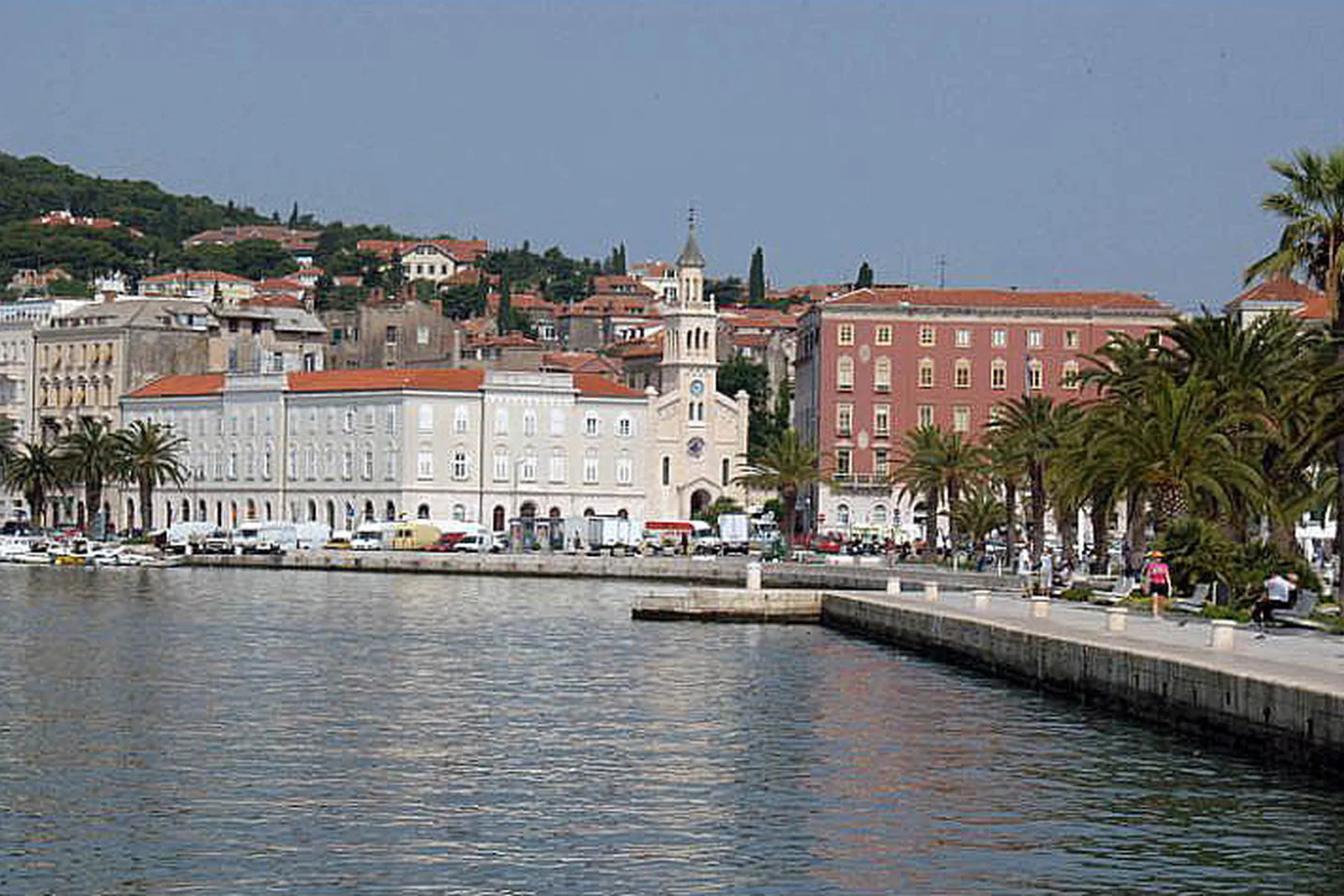
The Dubrovnik story
Dubrovnik is the Adriatic's most theatrical city: complete medieval walls you can walk end to end, a limestone old town polished by centuries of feet, and the sea at arm's length on every side. Inside the walls it is car-free and small, with forts, the Stradun, sea swimming and the cable-car view all inside a twenty-minute walk.
The verdict in 30 seconds
Our pick: Dubrovnik (runner-up: Split)
Pick Dubrovnik when the walled Old Town, the cable car and day trips across the Montenegro and Bosnia borders are the point of the trip; pick Split for a cheaper, livelier base where Hvar, Brac and Trogir sit within an hour's ferry or drive. With five or more days, link them one-way by summer catamaran instead of choosing.
Go if
- You have one city slot on a Croatia itinerary and need to know which of the two famous coastal stops fits your trip
- You are weighing Dubrovnik's walled Old Town and premium prices against Split's ferry hub, nightlife and lower costs
- You are planning a one-way coastal route and want to know whether to link both cities rather than pick one
Skip if
- You picture day-tripping between them: the shortest link runs about four hours each way, and outside summer it crosses the Bosnian strip twice
- You want sandy nightlife-first beaches and low prices but find Dubrovnik's crowds and rates acceptable anyway
- You have under three days total; splitting them shortchanges both
The options
Dubrovnik Go
Travelers whose Croatia trip is defined by the walled Old Town, film locations and views, and who plan day trips south to Montenegro or Bosnia.
Good
- The most iconic single sight in the comparison: a complete medieval walled city that every source calls unmissable.
- Compact and walkable inside the walls, with Banje Beach, Lokrum island and the Srd cable car close in.
- Best positioned for Kotor and Mostar day trips across the Montenegro and Bosnia borders.
Watch out
- The priciest option in the log: a 40 EUR walls ticket, restaurant tabs inside the walls around double Split's, and premium room rates.
- Crowds concentrate 10:00 to 16:00 on cruise days under a two-ship, 4,000-passenger cap and an 11,200-person limit inside the walls.
- Sits at the country's southern tip behind the Neum strip, so road trips north add two Bosnia border checks each way outside peak season.
Dubrovnik city walls, official ticketsSee hotel options in this areapartner site
Split Go
Budget-conscious travelers and island hoppers who want a lived-in city, louder nightlife and ferries to Hvar, Brac and Vis leaving from the center.
Good
- Runs meaningfully cheaper day to day across every comparison, with far more budget beds than Dubrovnik.
- Diocletian's Palace is woven into a working city with 3,000 residents, so the historic core feels lived-in rather than staged.
- Croatia's best-connected base: central-port ferries put Hvar under an hour away, with Brac, Vis, Trogir and Krka all day-trip close.
Watch out
- No single sight matches Dubrovnik's walls; the palace impresses as a neighborhood more than a monument.
- Grittier and busier as a real working port; travelers expecting polish sometimes find it plain.
- City beaches are rockier and less scenic than Dubrovnik's, though sandy Bacvice is the exception.
Diocletian's Palace substructures, Split City MuseumSee hotel options in this areapartner site
Visit both in one trip It depends
Travelers with five or more days who can fly open-jaw and link the cities one-way by summer catamaran or the coastal road.
Good
- The near-unanimous recommendation in the log when time allows, since the cities are different experiences.
- The April-to-October catamaran turns the link into a sightseeing leg past Mljet, Korcula and Hvar for 50 EUR.
- Open-jaw flights into one city and out of the other remove the backtrack entirely.
Watch out
- Needs five-plus days and a one-way routing; a round trip between them wastes a full day.
- Outside the catamaran season the only link is the road through the Neum strip, adding border checks.
- Two bases means packing up mid-trip and splitting hotel bookings.
Kapetan Luka (Krilo) Dubrovnik-Split catamaranJadrolinija Dubrovnik-Korcula-Hvar-Bol-Split line (seasonal)FlixBus Dubrovnik to Split timetable and fares
Day-tripping between them Skip
No traveler the evidence supports; this exists to catch the assumption that the two cities are an easy day apart.
Good
- The coastal catamaran ride is scenic enough to count as an excursion in its own right.
- A one-way transfer works well when relocating bases anyway.
Watch out
- The fastest link is about four hours each way, so a same-day return spends most of the day in transit.
- Catamarans sail once or twice daily per direction and only April to October; a same-day return is impractical.
- Arriving midday puts you inside the walls at the worst crowd window, then back on the road or boat before the evening calm.
| Criterion | Dubrovnik | Split | Visit both in one trip | Day-tripping between them |
|---|---|---|---|---|
| Signature sight | Complete medieval walls above the Adriatic | A Roman emperor's palace woven into a living city | Both covered in one itinerary | Neither seen properly in a transit day |
| Reported prices | Highest in the comparison, restaurant tabs near double inside the walls | Meaningfully cheaper day to day | Splits the difference across the trip | Adds a lost day's transit cost |
| Day trips from the base | Kotor and Mostar across two borders, plus Elafiti and Mljet | Hvar, Brac, Vis, Trogir, Krka and Plitvice from the central port | All of the above | The other city is the trip, at four hours each way |
| Crowds reported | Heaviest in Croatia, capped at two cruise ships and 11,200 inside the walls | Busy but absorbed by a working city | Same as each city alone | Crowds plus a rush to catch the last boat back |
| Getting there and away | Own airport but a dead-end at the Bosnian strip | Well-connected airport and mainland roads with no border | Open-jaw flights pair the two cleanly | Roughly four hours each way by road or boat |
| Beaches and evenings | Banje and Lapad beaches, polished wine-bar evenings | Sandy Bacvice and louder nightlife | Both moods across the trip | Late returns, if the last departure allows any at all |
What it costs
- Dubrovnik city walls, adult ticket, official seller: €40 (high season rate March to November; includes Lovrjenac Fortress). Official source, checked Oct 2026.
- Diocletian's Palace substructures, adult ticket, Split City Museum: €10 (the only paid core of the palace complex; the palace streets themselves are free). Official source, checked Oct 2026.
- FlixBus Dubrovnik to Split, advance one-way fare: €18.98 (about 4 hours, up to 14 departures a day, crosses the Neum corridor). Official source, checked Oct 2026.
- Kapetan Luka (Krilo) catamaran Dubrovnik to Split, adult one-way: €50 (April to October, about 4h30 via Mljet, Korcula and Hvar, foot passengers only). Official source, checked Oct 2026.
What travelers report
Based on 14 traveler reports (Nov 2024 to Sep 2026) and the official sources linked on this page. 2 were negative.
What people like
- Dubrovnik's walls and polished marble core draw the most repeated unmissable verdicts in the log, worth the premium on a first trip.
- Split's central port puts Hvar under an hour away and keeps Brac, Vis, Trogir and Krka in easy day-trip reach.
- Sources on both sides agree the best answer with five-plus days is seeing both rather than choosing.
- The summer catamaran link doubles as an island cruise, so the transfer between them becomes part of the trip.
- Split reads as a living city with espresso culture and nightlife; Dubrovnik reads as the romantic, cinematic splurge.
What people complain about
- Dubrovnik runs the highest prices in the comparison log: a 40 EUR walls ticket and restaurant tabs inside the walls around double Split's.
- Dubrovnik's crowds concentrate between 10:00 and 16:00 on cruise days, the hours a day-tripper would actually see it.
- Dubrovnik dead-ends at the Neum strip, so road travel north adds two Bosnia border checks each way outside peak season.
- Split's grittier port-city feel underwhelms travelers expecting Dubrovnik polish.
- The roughly four-hour gap between them makes a casual pop over for the day impractical.
How to do it right
- Decide by base logic: Dubrovnik when the walls, the views and day trips to Kotor or Mostar lead; Split when island hopping, nightlife and a smaller daily spend lead.
- Link both with five-plus days: fly open-jaw and connect them one-way on the summer catamaran (50 EUR, about 4h30, April to October), which turns the transfer into an island cruise past Mljet, Korcula and Hvar.
- Outside summer, the only link is the road: buses take about four hours through the Neum strip in Bosnia, so carry your passport for the two border checks.
- In Dubrovnik, walk the walls at opening or near closing; the midday cruise window is when the 11,200-person cap inside the walls matters most.
- Do not plan a day trip between them: the fastest link is roughly four hours each way, so a same-day return writes off the visit.
- From Split, use the central port for ferries to Hvar and Brac; from Dubrovnik, day trips run south and east to Kotor and Mostar rather than to Croatian islands.
The trap to avoid
Booking one city as a day trip from the other. The fastest link is about four hours each way, summer catamarans sail once or twice daily per direction, and outside the season the road crosses the Neum strip in Bosnia twice; a same-day return leaves a few midday hours in the walled city at the worst crowd window.
What to do instead
Why this verdict
Dubrovnik is the pick because it is the answer most trips are actually asking for: the walled Old Town is the single most repeated unmissable sight in the log, and travelers comparing the two consistently call it the more iconic, romantic and polished of the pair. Its costs are equally consistent. It runs the highest prices in the comparison (a 40 EUR walls ticket, restaurant tabs inside the walls around double Split’s), the crowds concentrate hard between 10:00 and 16:00 under a two-ship, 4,000-passenger cap, and the city dead-ends at the Neum strip so road travel north adds Bosnia border checks. The stairs and no-car Old Town reality from the stay question apply here too.
Split is the runner up on practicality rather than sights. Every comparison puts it meaningfully cheaper, its palace is a living neighborhood rather than a monument, and its central port makes it the better base for islands and inland parks: Hvar under an hour, plus Brac, Vis, Trogir and Krka. Nightlife skews younger and louder, and no border stands between it and the rest of Croatia.
With five or more days, visit both: the evidence is near-unanimous, and the April-to-October catamaran (50 EUR, about 4h30 via Mljet, Korcula and Hvar) turns the transfer into a sightseeing leg. Fly open-jaw into one and out of the other. What does not work is treating them as day trips: four hours each way, once-or-twice-daily sailings in season only, and a midday arrival at the worst crowd window write off the visit.
Timing and tickets
In season, Kapetan Luka and TP Line catamarans link the cities in about 4h30 for foot passengers; Jadrolinija’s seasonal line runs mid-June to mid-September only. Year-round, FlixBus runs the coastal road in about four hours from 18.98 EUR, and the D8 drive takes three and a half to four hours; carry your passport for the two Neum crossings. In Dubrovnik, buy the 40 EUR walls ticket ahead and walk at opening or near closing. In Split, the palace streets are free; the substructures run 10 EUR through the city museum.
Book or check times
Dubrovnik city walls, official ticketsDiocletian's Palace substructures, Split City MuseumKapetan Luka (Krilo) Dubrovnik-Split catamaranJadrolinija Dubrovnik-Korcula-Hvar-Bol-Split line (seasonal)FlixBus Dubrovnik to Split timetable and fares
We earn a commission if you book through our links. It never changes a verdict. How this works
See hotel options in this areapartner siteSee hotel options in this areapartner site
Questions
Is Dubrovnik or Split better for a first trip to Croatia?
Dubrovnik if the walled Old Town and views are the postcard you came for, accepting higher prices and the midday crowd window. Split if you want a lived-in city with better nightlife, lower costs and the islands an hour away. Most comparisons say do both if you have the days.
Is Split cheaper than Dubrovnik?
Yes, consistently across the evidence. Comparisons put day-to-day spending meaningfully lower in Split, restaurant prices inside Dubrovnik's walls roughly double, and budget accommodation far easier to find in Split.
Can you day trip between Dubrovnik and Split?
Not practically. The fastest link is about four hours each way, catamarans sail once or twice daily per direction and only run April to October, and the road crosses the Bosnian strip at Neum. A same-day return spends more time in transit than in the destination.
How do you get between Dubrovnik and Split?
In season, catamarans run the coast in about 4h30 for 50 EUR one-way, foot passengers only, with island stops along the way. Year-round, buses take about four hours from 18.98 EUR, and driving the D8 takes three and a half to four hours; the road crosses the Neum corridor, so carry your passport.
Which city has better day trips?
Split for islands and inland sights: Hvar under an hour by ferry, plus Brac, Vis, Trogir, Krka and Plitvice. Dubrovnik for cross-border day trips to Kotor and Mostar, plus the Elafiti islands and Mljet; ferry frequency is thinner from its southern position.
Is Dubrovnik too crowded to enjoy?
Crowded in a narrow window, not all day. The city caps cruise calls at two ships and 4,000 passengers a day and limits Old Town numbers to 11,200; the crunch runs roughly 10:00 to 16:00, while early morning and evening inside the walls stay calm.
Pack for it
Gear verdicts from our sister site, Real Buyer Experiences: