Coimbra / The verdict
Are the Conimbriga Roman ruins worth it?
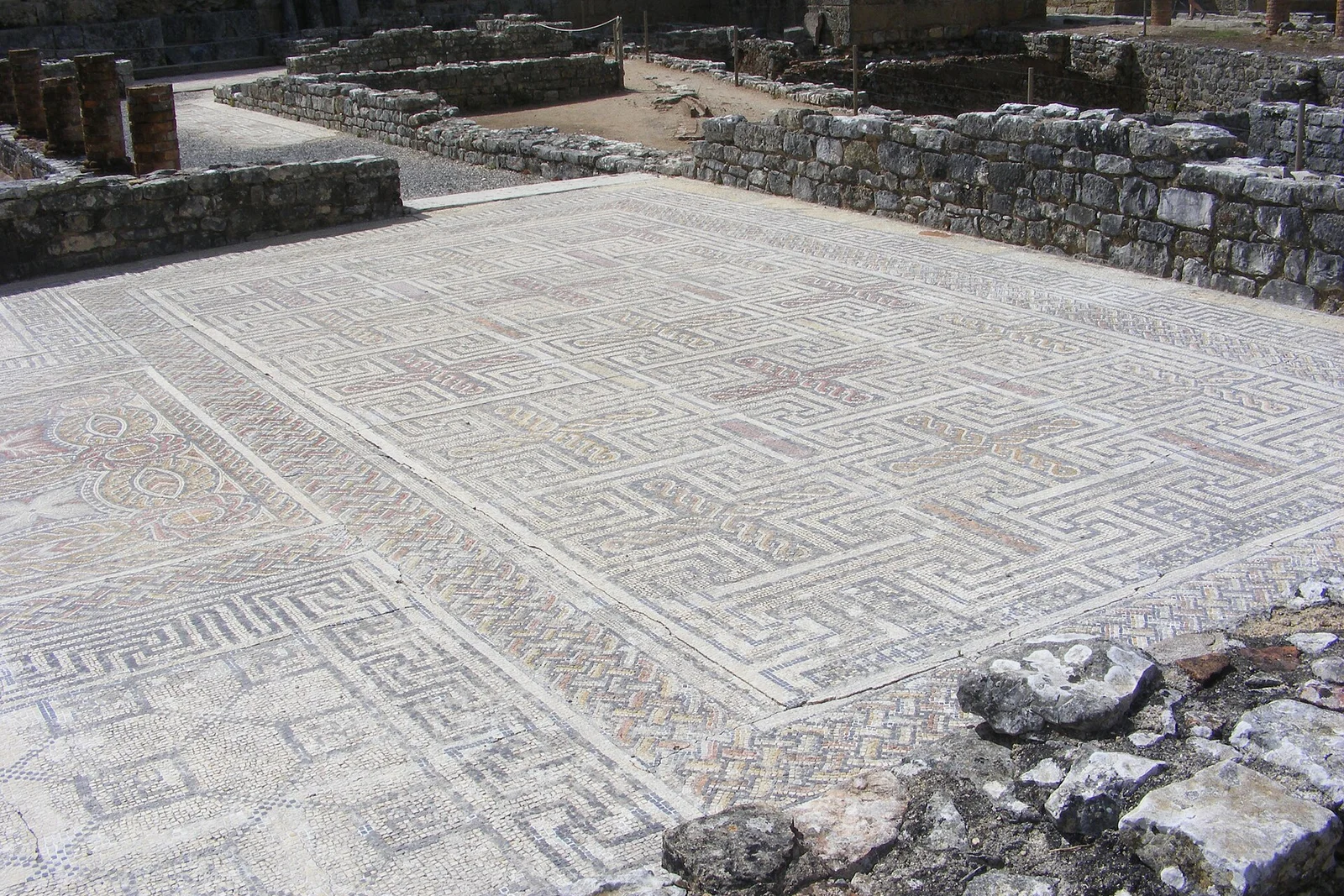
Yes, with planning. Conimbriga is one of Iberia's best-preserved Roman towns, with mosaics still in place across excavated villas and a good on-site museum, all for EUR 10. The catch is the 16 km gap from Coimbra: a direct Transdev bus exists but runs thin, so check the return time before you go or budget EUR 15 to 20 each way on a rideshare.
By The Real Traveler Experiences team. We earn a commission if you book through our links. It never changes a verdict.
The Coimbra story
Coimbra is Portugal's scholars' hill: the university's Joanina library dripping in gold leaf above a medieval old town that tumbles to the Mondego river, black-caped students still keeping centuries-old rituals, and a version of fado sung in closed rooms that reads more private rite than performance. Portugal's kings are buried in the Santa Cruz monastery below, and Roman mosaics at Conimbriga lie a short ride out, making this the easiest deep-cut city in the country.
The verdict in 30 seconds
Go
Yes, with planning. Conimbriga is one of Iberia's best-preserved Roman towns, with mosaics still in place across excavated villas and a good on-site museum, all for EUR 10. The catch is the 16 km gap from Coimbra: a direct Transdev bus exists but runs thin, so check the return time before you go or budget EUR 15 to 20 each way on a rideshare.
Go if
- Roman-history fans: mosaics, forum, baths and a peristyle garden still readable on the ground
- Half-day-trippers from Coimbra who can work around a sparse bus schedule
- Drivers linking Coimbra, Tomar or the coast; it sits right on the route
Skip if
- You just came from Pompeii, Ostia or Italica; the one forum skeptic who made that comparison called the ruins underwhelming by contrast
- You are on public transport with a tight afternoon: the return bus options are thin and missing one means a paid ride back
- You dislike exposed sites; the ruins are uncovered under open sky
What it costs
- Conimbriga combined ticket (ruins plus Monographic Museum): €10 (daily 10:00 to 18:00, ticket office closes 17:15; closed Jan 1, Easter Sunday, May 1, July 24 and Dec 24 to 25). Official source, checked Oct 2026.
- Portugal resident entry: €0 (residents of Portugal enter the 37 national museums and monuments free with a citizen card, per the official price list). Official source, checked Oct 2026.
- Transdev/SIT bus from Coimbra (Largo da Portagem): €2.75 (cash fare reported around EUR 2.75 for the roughly 45-minute ride; check the current timetable before going). Official source, checked Oct 2026.
What travelers report
Based on 12 traveler reports (Jan 2025 to Sep 2026) and the official sources linked on this page. 0 were negative.
What people like
- Reports call it Portugal's most impressive Roman site: mosaics left in place, a readable street plan, and houses you can trace room by room.
- The museum gets real credit for explaining what you then walk through; several guides say do it first.
- Visitors like the emptiness: one family arrived mid-afternoon and had the ruins nearly to themselves.
- Drivers praise it as an easy stop between Coimbra and Tomar with free parking at the gate.
What people complain about
- The bus schedule: thin departures and one early return leave no margin for a relaxed visit without a car.
- Remote setting means nothing else around it; you go for the site, eat, and leave.
- Fully exposed under the sky: summer afternoons bake, and there is little shade over the excavations.
- One measured forum view calls the ruins modest beside Itálica or Ostia, with the museum the better half.
How to do it right
- Check the Transdev timetable the day before: departures from Largo da Portagem run roughly 09:30 and 12:30 on weekdays with about one early-afternoon return, and reports describe missing it as the day's only real risk.
- No wheels? A rideshare from central Coimbra runs EUR 15 to 20 each way, about 20 minutes; drivers get free parking at the gate.
- Start at the museum (it contextualizes the ruins and can close before the site does), then walk the excavated town: forum, baths, the House of the Fountains' peristyle and its mosaic floors.
- Allow 2 to 3 hours on site; a small cafe sits by the entrance but the countryside around is quiet, so eat in Coimbra before or after.
- Bring sun cover: the ruins are fully open to the sky and the mosaics sit in place outdoors.
The trap to avoid
The return bus. The direct line exists but is thin (roughly two morning departures and one early-afternoon return), and travelers who miss it face a EUR 15 to 20 rideshare out of a rural stop. Also verify opening before crossing town: the site closes on a handful of holidays including July 24, its local saint's day.
What to do instead
Why this verdict
Conimbriga is the best Roman site in Portugal by the recent record: a whole excavated town where the mosaics still sit in their original floors, a forum and baths you can read at street level, and a peristyle garden whose fountains once made one of antiquity’s nicer suburbs. The EUR 10 combined ticket covers the ruins plus a truly good museum that shows the finds in context, and the site is rarely crowded; one family reported having it nearly to themselves on a mid-afternoon arrival. For anyone picturing daily life in Roman Lusitania, this is the clearest window in the country.
The only real friction is the 16 km from Coimbra. Drivers get a 20-minute run and free parking, and the site slots naturally between Coimbra and Tomar. On public transport the direct Transdev bus exists but runs thin: roughly two morning departures and about one early-afternoon return. Miss it and the fix is a EUR 15 to 20 rideshare from a quiet rural stop, which is why several reports treat the timetable rather than the site as the day’s planning problem.
Who it is for
Go if you like ruins on their own terms, or you want a half day that is not another church or lane. The fair caveat, voiced by a forum skeptic fresh from Itálica and Ostia, is that connoisseurs of Roman sites may find the scale modest: the museum rather than the acreage is the differentiator here. Everyone else in the record comes away calling it the trip’s quiet highlight, and the uncovered mosaics do most of the talking.
Two practical notes recur across the accounts. Start at the museum: several guides say it explains what the open ground then shows, and it can close before the site does. Dress for exposure too, since the ruins sit uncovered under the sky and summer afternoons bake. The campervan report adds that the grounds carry a waterfall path and a small cafe by the entrance, enough to stretch the visit into a fuller half day. For most travelers the calculation stays simple: an hour of transport planning buys the country’s clearest Roman streetscape with hardly anyone in it.
Book or check times
Museu Nacional de Conimbriga (official page)Official online ticket portalTransdev/SIT bus timetables
We earn a commission if you book through our links. It never changes a verdict. How this works
Private half-day tour from Coimbrapartner site
Questions
How do you get to Conimbriga without a car?
Transdev's direct bus leaves Coimbra's Largo da Portagem about 09:30 and 12:30 on weekdays (roughly EUR 2.75 cash, about 45 minutes), with only about one early-afternoon return. The fallback is a EUR 15 to 20 Uber or Bolt each way.
How long does a Conimbriga visit take?
Two to three hours covers the museum plus the excavated town. Paired with transport it is a half day from Coimbra.
Is the museum included?
Yes: the EUR 10 ticket covers the Monographic Museum and the ruins. Start there, since it can close before the site.
Are the mosaics really still in the ground?
Yes: the famous floors, including the peristyle of the House of the Fountains, remain in place under open sky, which is exactly what the reports find remarkable.
Is Conimbriga worth it if I have seen Pompeii?
Debatable. Most reports call it Portugal's best Roman site and praise its quiet; one forum skeptic who had done Italica and Ostia found it underwhelming by comparison and preferred the small museum.
Pack for it
Gear verdicts from our sister site, Real Buyer Experiences: