Coimbra / The verdict
Is Coimbra's old town and cathedral worth it?
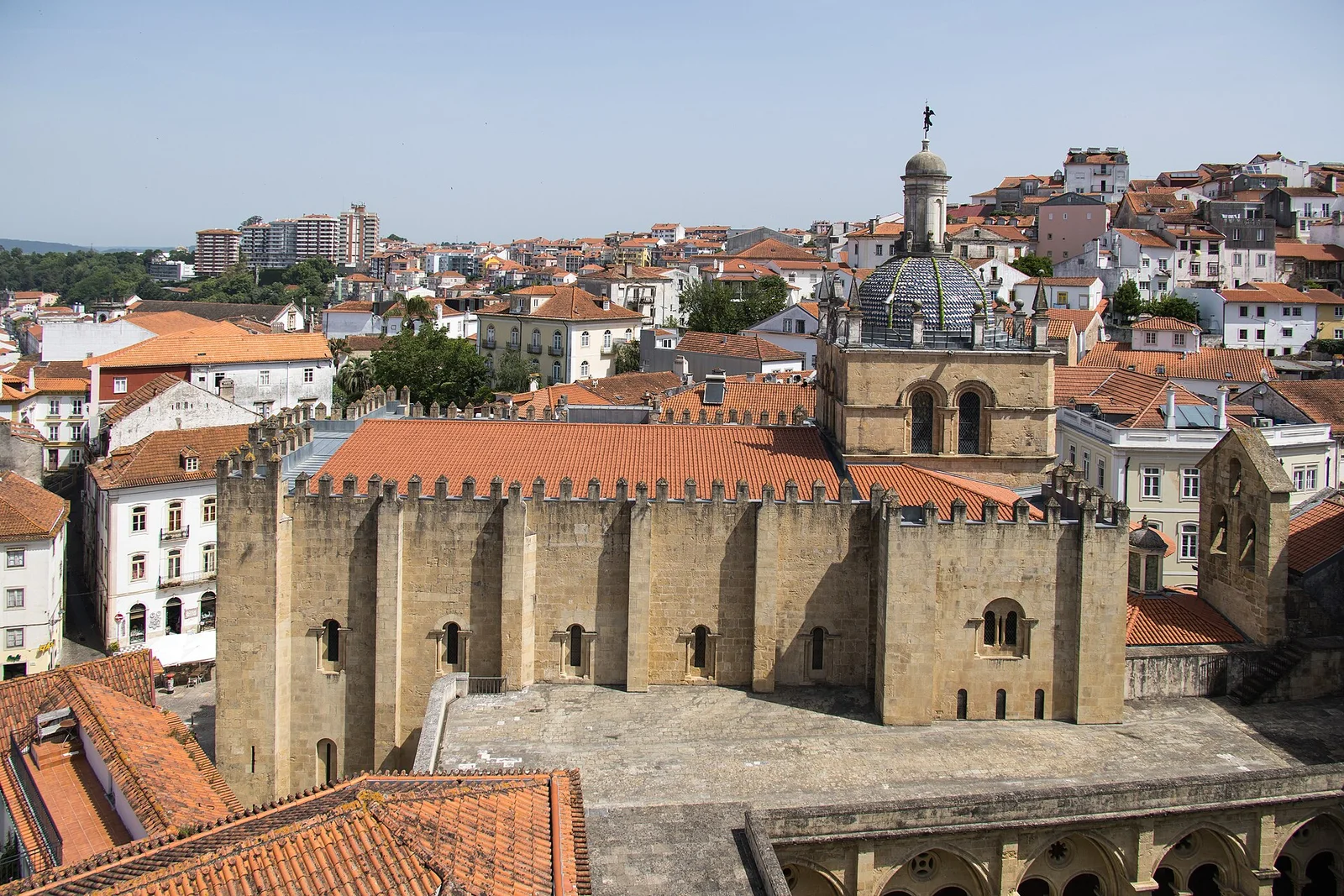
Yes. The old town is compact, steep and atmospheric, anchored by the Se Velha, a fortress-like Romanesque cathedral that costs EUR 3 to enter. Pace the hills, ideally walking down from the university, and give the lanes an evening.
By The Real Traveler Experiences team. We earn a commission if you book through our links. It never changes a verdict.
The Coimbra story
Coimbra is Portugal's scholars' hill: the university's Joanina library dripping in gold leaf above a medieval old town that tumbles to the Mondego river, black-caped students still keeping centuries-old rituals, and a version of fado sung in closed rooms that reads more private rite than performance. Portugal's kings are buried in the Santa Cruz monastery below, and Roman mosaics at Conimbriga lie a short ride out, making this the easiest deep-cut city in the country.
The verdict in 30 seconds
Go
Yes. The old town is compact, steep and atmospheric, anchored by the Se Velha, a fortress-like Romanesque cathedral that costs EUR 3 to enter. Pace the hills, ideally walking down from the university, and give the lanes an evening.
Go if
- Travelers who like wandering medieval lanes without a checklist
- Romanesque architecture fans, since reports single out the cathedral's fortress-like facade and cloister
- Anyone already on the hill for the university; reports suggest splitting the day between the two
Skip if
- Steep cobbled climbs are a dealbreaker; reports describe hills, stairs and cobblestones throughout
- You are chasing nightlife or shopping; reports describe a quiet, lived-in old town
- You only have an hour between trains; the payoff is slow wandering
What it costs
- Se Velha cathedral, individual ticket: €3 (Groups over 10 pay EUR 2.50; summer (June to September) Mon-Sat 9:30-18:30 and Sun 11:00-18:00, winter Mon-Sat 9:30-17:30 and Sun 11:00-17:00). Official source, checked Oct 2026.
What travelers report
Based on 12 traveler reports (Feb 2025 to Jul 2026) and the official sources linked on this page. 0 were negative.
What people like
- The lanes themselves: cobbled alleys, small squares and the Almedina arch route (6 of 12 reports).
- The Se Velha's fortress-like facade, nave and cloister (5 of 12 reports).
- Few crowds compared with Lisbon or Porto (2 of 12 reports).
- Evenings and lunches in the old town, including Largo da Se Velha (3 of 12 reports).
What people complain about
- The hills: steep cobbles and stairs between the river and the upper town (5 of 12 reports).
- Rain makes the climbs harder going (1 of 12 reports).
How to do it right
- Start at the top: visit the university first, then walk down through the old town, which turns the hills into a descent.
- From the Baixa instead, walk Rua Ferreira Borges to the Arco de Almedina, then up the Quebra Costas street to the cathedral square.
- Inside the Se Velha, look for the cloister and the triple nave; the parish page lists the visiting hours.
- Wear shoes with grip; reports describe cobbles, stairs and steep climbs.
- Stay into the evening; reports describe the old town at its best after the day-trippers leave.
The trap to avoid
Doing the old town as a quick checklist between trains. The payoff is the lanes, the cathedral square and the evenings; reports that stayed overnight or lingered over lunch rate it most warmly.
What to do instead
Why this verdict
Coimbra’s old town is less a single sight than the walk between the river and the university, and the reports agree it is worth it. Travelers describe narrow cobbled alleys, small squares and the route along Rua Ferreira Borges, under the Arco de Almedina and up the Quebra Costas street. One traveler found the climb past the Se Velha steep but constantly rewarding and had whole streets almost to themselves in shoulder season; two travelers found the town more compact and less crowded than Lisbon’s Alfama.
The anchor is the Se Velha, a Romanesque cathedral with a crenellated, fortress-like facade. A blogger recalls it stopping them in their tracks, and another traveler calls it exquisite. At EUR 3 on the parish’s own page, it is a cheap stop on the way up or down.
The one consistent complaint is effort. Five reports mention the hills, stairs or cobbles, and a rainy-day visitor joked that the town feels uphill both ways. The usual fix is to visit the university first and walk down, and to wear shoes with grip.
The old town also rewards time. A forum poster who stayed three nights calls the old town the real highlight, with evenings spent exploring; a solo traveler lingered two hours over lunch on Largo da Se Velha; and another traveler stayed overnight to catch fado. Graduates’ serenades in the cathedral square come up too. Visitors who rush it between trains miss what the others describe.
When to go
Check the parish page for cathedral hours, which run longer in summer (June to September) than in winter. Leave the lanes for late afternoon and evening.
Book or check times
Se Velha visiting hours and prices (parish)Coimbra municipal tourism page for the cathedralSe Velha on the official national tourism portal
We earn a commission if you book through our links. It never changes a verdict. How this works
Guided walking tour of the city and universitypartner site
Questions
How much does the Se Velha cost?
EUR 3 per person, or EUR 2.50 for groups over 10, per the parish's own page. The lanes around it are public streets.
How steep is the old town really?
Steep. Several reports mention hills, stairs and cobblestones, and one joked that the town feels uphill both ways. Start at the university and walk down if the climb worries you.
How long should I give Coimbra?
Forum posters suggest two to three nights for the city, and one traveler recommends splitting a day between the university and the old town.
When is the cathedral open?
The parish page lists summer hours (June to September) of 9:30 to 18:30 Monday to Saturday and 11:00 to 18:00 on Sunday, with shorter winter hours.
Pack for it
Gear verdicts from our sister site, Real Buyer Experiences: