Cambridge / The verdict
Is the Fitzwilliam Museum in Cambridge worth it?
Go, and it costs nothing to try. The permanent collection is free, the neoclassical building is worth the walk alone, and the span, Egyptian sarcophagi to Monet and Picasso, means an hour or two here covers what a London museum takes half a day to cover. Check the exhibition page if the temporary show is ticketed.
By The Real Traveler Experiences team.
The Cambridge story
Cambridge is Oxford's gentler twin: the same college-quad architecture laid out along the Backs, where the colleges' gardens and bridges run down to the Cam. King's College Chapel is the single finest room in either university city, punting here is scenic rather than a novelty, and the Fitzwilliam Museum punches far above a town this size.
The verdict in 30 seconds
Go
Go, and it costs nothing to try. The permanent collection is free, the neoclassical building is worth the walk alone, and the span, Egyptian sarcophagi to Monet and Picasso, means an hour or two here covers what a London museum takes half a day to cover. Check the exhibition page if the temporary show is ticketed.
Go if
- Anyone after a no-commitment hour or two indoors between college visits or while it rains
- Art and antiquities fans who want a broad, quality collection without a ticket line
- Families and budget travelers: free entry, free exhibitions for kids' events, and no booking needed for groups under ten
Skip if
- You have just done the British Museum or National Gallery and want Cambridge-specific sights instead; the colleges and the river are where this city is distinct
- You are in Cambridge for a single afternoon: exterior architecture and the river beat the inside of a museum for first-timers
What it costs
- General admission: £0 (free; no ticket needed for groups under ten, some temporary exhibitions are ticketed separately). Official source, checked Oct 2026.
What travelers report
Based on 14 traveler reports (Feb 2025 to Sep 2026) and the official sources linked on this page. 0 were negative.
What people like
- 7 of the logged reports praise the free general admission paired with the scale of the building: a flagship collection and a neoclassical interior worth seeing for themselves.
- 4 of the logged reports call it quieter and easier than the big London museums while covering comparable ground: Egyptian antiquities, European painting, armour and decorative arts.
What people complain about
- 1 of the logged reports notes it is no Ashmolean in scope, a fair caveat for visitors expecting Oxford-scale depth.
- A handful of the logged reports dipped in only briefly, suggesting an hour is the realistic lower bound for getting anything out of the visit.
How to do it right
- Walk in via the Founder's Steps on Trumpington Street or the step-free Courtyard Entrance on the side; no ticket needed for the permanent collection.
- Give it one to two hours: the ground floor antiquities and the first-floor paintings both reward a quick pass rather than a marathon.
- Check the exhibitions page for the current show; headline exhibitions are sometimes ticketed separately.
- Open Tuesday to Saturday 10:00 to 17:00, Sunday and bank holidays 12:00 to 17:00, closed Mondays; last entry 16:40.
- It sits a five-minute walk south of the city centre, on the natural route between the colleges and the station.
The trap to avoid
Assuming a free museum means a filler museum. The collection is the University's own and serious enough to headline exhibitions in its own right; the real miss is treating it as a rainy-day fallback when an hour here holds its own against a half day elsewhere.
What to do instead
Why this verdict
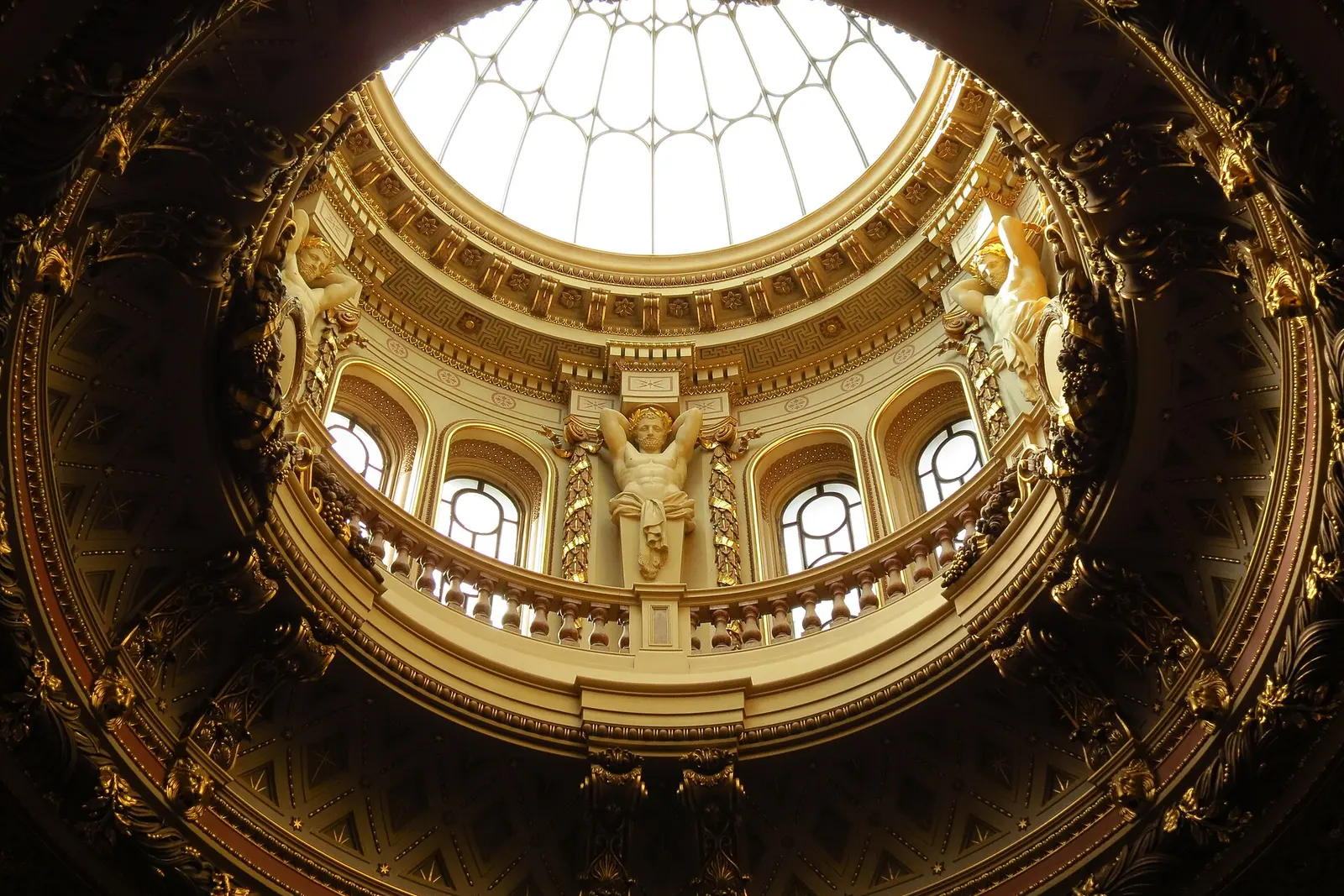
The price of entry is nothing, so the question is whether an hour here earns its time, and the logged reports answer yes on almost every count. The building alone justifies the walk: a neoclassical 19th-century facade and dome that several reports call worth seeing before a single object is in view. Inside, the collection spans Egyptian coffins and classical sculpture on the ground floor and European paintings above it, with the temporary exhibition programme serious enough to run six-month headline shows of its own.
What the reports add is scale candor. One Oxford-based writer puts it below the Ashmolean in depth; others compare it to a more manageable British Museum, free of that museum’s crowds and queue. That is the right frame: this is a museum you drop into for one or two hours between the colleges, not a destination you cross a city for, and at that job it scores.
Families do best of all. The admission is free, the armoury and antiquities carry children better than a quiet gallery does, and the family programming is co-created rather than bolted on.
Timing and tickets
No ticket is needed for the permanent collection; walk in via the Founder’s Steps or the step-free Courtyard Entrance. Hours run Tuesday to Saturday 10:00 to 17:00 and Sundays 12:00 to 17:00, closed Mondays, with last entry at 16:40. Check the exhibitions page for the current show, which may be separately ticketed.
Book or check times
Questions
Is the Fitzwilliam Museum really free?
Yes. The permanent collection and most of the building are free to enter, and you do not need to book for a group under ten. Temporary headline exhibitions can carry their own ticket, so check the exhibitions page before visiting for a specific show.
How long should I allow?
One to two hours covers it well at a normal pace. Multiple logged reports dipped in for a single hour before closing and still rated the visit; completists spend half a day.
What are the opening hours?
Tuesday to Saturday 10:00 to 17:00, Sunday and bank holidays 12:00 to 17:00, closed Mondays, last entry 16:40. Holiday closures apply around late December.
Is it good for children?
The museum runs free family programming, including co-created family days, and the armoury, antiquities and big staircase hold attention better than a quiet art gallery. Strollers fit the step-free Courtyard Entrance.
What is it actually like inside?
An Egyptian and classical antiquities floor below and painting galleries above, inside a grand 19th-century neoclassical building with a dome. Reports compare it to a compact British Museum: similar breadth at a fraction of the crowds.
Pack for it
Gear verdicts from our sister site, Real Buyer Experiences: