Athens / The verdict
Is the National Archaeological Museum worth it?
Go, and go soon. Greece's biggest museum packs the Antikythera Mechanism and the gold of Mycenae into galleries visitors describe as spacious, and an approved expansion will shut the building for about five years once works begin.
By The Real Traveler Experiences team. We earn a commission if you book through our links. It never changes a verdict.
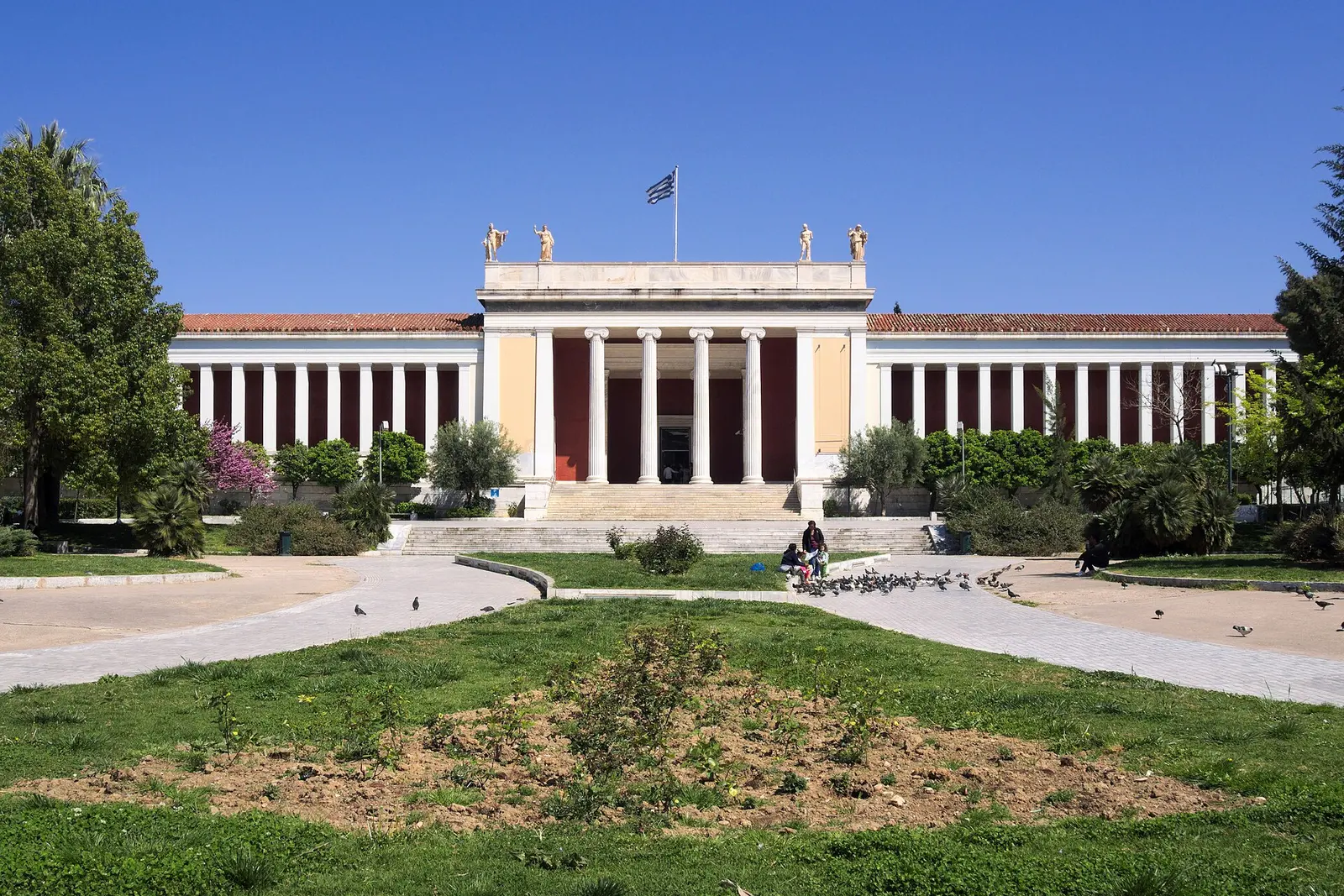
The Athens story
Athens earns its reputation in a single afternoon: the Acropolis on its rock, the museum that finally gives the marbles their context, and a centre where ancient sites sit inside an ordinary, working Mediterranean city. Below the postcard layer there is real depth, with neighbourhood tavernas, serious archaeology and hills with sunset views at prices below most Western capitals.
The verdict in 30 seconds
Go
Go, and go soon. Greece's biggest museum packs the Antikythera Mechanism and the gold of Mycenae into galleries visitors describe as spacious, and an approved expansion will shut the building for about five years once works begin.
Go if
- You want Greece's single deepest collection, from Cycladic figurines to the Antikythera Mechanism.
- You prefer a world-class museum with room to breathe, away from Acropolis-scale crowds.
- You are in Athens before the planned multi-year closure for the expansion project.
Skip if
- You have under two hours: the collection rewards slow looking, and one visitor describes losing all sense of time for hours inside.
- You are set on one particular gallery: one report found the Egyptian collection closed during its visit, so check the museum's announcements first.
- You are visiting on a Tuesday morning: the museum opens at 13:00 on Tuesdays year-round.
What it costs
- Full admission: €20 (covers all open galleries and temporary exhibitions). Official source, checked Oct 2026.
- Reduced admission: €10 (official page lists a reduced ticket but not the eligibility categories; check the ticket shop). Official source, checked Oct 2026.
What travelers report
Based on 9 traveler reports (Nov 2024 to Apr 2026) and the official sources linked on this page. 0 were negative.
What people like
- Standing in front of the Antikythera Mechanism and the gold masks of Mycenae in rooms one September visitor found spacious and not crowded.
- The sheer depth: reports call it a panorama of Greek civilization across 11,000 exhibits, with the Mycenaean collection singled out as worth the ticket alone.
- Far calmer than the Acropolis Museum: a September visitor describes large, spacious rooms that never felt crowded.
- The plant-filled courtyard garden, which one visitor describes as slowing everything down on the way in.
What people complain about
- Some rooms close without much notice: one report found the Egyptian collection shut during its visit.
- The upper floor's hundreds of vases induce fatigue: one reviewer reports entering a pot-blindness state after the first few hundred.
- The aging building strains in summer: coverage notes ventilation struggling on cruise-ship days.
- Tuesday's 13:00 opening is easy to miss when planning a morning visit.
How to do it right
- Buy at the desk or on the official Hellenic Heritage ticket shop; an e-ticket from the official shop saves you the desk line.
- Go in the early morning for the quietest rooms, as one visitor advises, or on a weekday, which one local writer says tends to be less crowded; avoid Tuesday mornings, when the museum is shut until 13:00.
- Head to the Mycenae hall and the Antikythera Mechanism first: reports name them the highlights, and one visitor nearly walked past the unlit mechanism.
- Allow two to three hours for the highlights; one repeat visitor calls the sculpture collection the largest of Greek sculpture anywhere, and it can absorb a morning on its own.
- Check the museum's own announcements page before you go, since one report found a collection closed on the day.
- Consider a guided tour if you want more depth than the wall labels give.
- Take the metro to Victoria or Omonia, each about a 10-minute walk per one report, or walk about 20 minutes from Plaka as repeat visitors did.
The trap to avoid
Assuming a Tuesday works like every other day: the museum opens at 13:00 on Tuesdays year-round, and rooms can close on the day, so the museum's own announcements page is the only reliable same-week schedule.
Why this verdict
The reports are unanimous on substance and agree on the surprise: a museum this important should not be this empty. A September visitor found the big rooms spacious and not crowded, and a local writer says weekdays, especially mornings, tend to be less crowded. The Mycenaean collection is the recurring highlight, called worth the 20 EUR entry on its own, and repeat Athens visitors describe the sculpture holdings as the largest of Greek sculpture anywhere. Travelers who did both treat this museum and the Acropolis Museum as complementary rather than redundant: one hill in depth versus the whole Greek world from prehistory to Roman times.
The quibbles are worth planning around. Rooms can close on the day, as one couple found with the Egyptian collection; the upper floor’s hundreds of vases induce what one reviewer calls pot-blindness; the 1889 building’s ventilation strains on days when cruise ships unload tour groups; and Tuesday’s 13:00 opening is easy to miss, and one op-ed writer found the shop thin and some staff disengaged. The courtyard garden earns a mention as the quiet stop on the way in. Getting there is easy: one visitor puts the Victoria and Omonia metro stations about ten minutes away on foot, and repeat visitors report strolling over from Plaka in about 20 minutes.
Timing and tickets
The bigger reason not to postpone: the expansion was approved in December 2025, and an April 2026 report from the museum’s leadership says the building will shut for a minimum of five years for an underground extension, with every artifact removed for reinstallation and works currently scheduled to start at the end of 2027. No closing date has been confirmed, and the museum says it will stay present in other ways during the works. Until then the museum operates normally, with closures posted on its own announcements page. An Athens resident prefers November to March for a quiet visit, one op-ed writer recommends early morning, and an official e-ticket from the ticket shop saves you the desk line.
Book or check times
Official ticket shopMuseum site: announcements and closuresHours, tickets and free days
We earn a commission if you book through our links. It never changes a verdict. How this works
See guided tour optionspartner siteSee entry with digital guidepartner site
Questions
Is the National Archaeological Museum worth it if you already saw the Acropolis Museum?
Yes. They answer different questions: the Acropolis Museum covers one hill in depth, while this museum sweeps the whole Greek world from prehistory to Roman times. One writer who visited both says not to skip this one in favor of the newer museum and to schedule them on different days.
Is the National Archaeological Museum closing?
Yes, eventually. An expansion was approved in December 2025, and an April 2026 interview with museum leadership reported that the building will shut for a minimum of five years once works begin, with works then scheduled to start at the end of 2027. No closing date has been confirmed yet, and individual rooms can already close on the day.
How long do you need at the National Archaeological Museum?
Reports converge on two to three hours for a focused visit and half a day if you wander. One visitor lost track of time for hours among the gold and bronzes.
Do you need to book National Archaeological Museum tickets in advance?
The museum's own page links to an official online ticket shop, and an e-ticket saves you the desk line. A September visitor describes spacious rooms rather than crowds, but the museum's page lists no timed-entry cap and no crowd figures, so book ahead if your dates are fixed.
When is the National Archaeological Museum free?
Official free days are March 6, April 18, May 18, the last weekend of September, and October 28, plus the first and third Sunday of each month from November through March. The museum closes on January 1, March 25, May 1, Orthodox Easter Sunday, and December 25 and 26.
What are the unmissable pieces?
Reports most often name the Mask of Agamemnon and the rest of the Mycenae gold, the Antikythera Mechanism, the big bronzes such as the Poseidon from Artemision, the Thera frescoes, and the Cycladic figurines. The upper floor's vase galleries are extensive and, per one reviewer, tiring.
Pack for it
Gear verdicts from our sister site, Real Buyer Experiences: