Alicante / The verdict
Is Tabarca Island from Alicante worth it?
Yes, with one caveat. The walled village, clear coves and caldero lunches earn steady praise, but August Saturdays pack the tiny island, with residents complaining of noise, litter and missing basic services.
By The Real Traveler Experiences team. We earn a commission if you book through our links. It never changes a verdict.
The Alicante story
Alicante earns its keep the quiet way: a working Spanish city first and a resort second, where Santa Barbara castle looks down on the palm-tiled Explanada and the whitewashed Santa Cruz quarter climbs the hillside behind it. The package crowds stay up the coast in Benidorm, which leaves the tapas bars around the Central Market and the lanes of the old town to actual Alicantinos, with Postiguet beach at the end of the promenade and the long sand of San Juan a tram ride north.
The verdict in 30 seconds
Go
Yes, with one caveat. The walled village, clear coves and caldero lunches earn steady praise, but August Saturdays pack the tiny island, with residents complaining of noise, litter and missing basic services.
Go if
- You want a snorkel-and-village day in protected marine reserve water
- You are happy on a boat for about an hour each way from Alicante port
- You like a compact trip: one village, a lighthouse walk and beach coves
Skip if
- You are visiting on an August weekend and dislike shoulder-to-shoulder beaches
- You need guaranteed shade, ATMs or shops; the island has almost none
- You get seasick; the open bay stretch gets choppy on windy days
What it costs
- Round-trip ferry from Alicante, adult: €24 (children 0 to 4 ride free; open return, about 1 hour each way). Official source, checked Oct 2026.
- Four-hour boat tour with snorkel stop: €55 (runs May to September, departs 10:00, includes gear, snack and a drink). Official source, checked Oct 2026.
- Round-trip boat from Santa Pola, adult: €15 (children 3 to 10 pay 10; the crossing takes 15 to 25 minutes). Official source, checked Oct 2026.
- Entry to Tabarca island: €0 (no entry ticket; the island museum is free). Official source, checked Oct 2026.
What travelers report
Based on 12 traveler reports (Jan 2025 to Jun 2026) and the official sources linked on this page. 1 was negative.
What people like
- The water is the star: reports call it some of the clearest on the Costa Blanca, with fish visible at your feet in the marine reserve coves.
- The caldero tabarquino, the island's slow-cooked fish stew, gets named as the lunch worth planning the day around.
- The walled village and lighthouse walk pack a lot into a tiny island that you can cross on foot.
- The open return ticket is repeatedly praised: stay for one swim or until the last boat, your call.
- The crossing itself earns compliments for bay views back to the castle and the Santa Pola cape.
What people complain about
- August weekends saturate the island, with up to 10,000 visitors a day and residents complaining about noise, litter and missing basic services.
- Shade is scarce and island prices sting; reports warn even a bottle of water costs more than on the mainland.
- There is no ATM, supermarket or pharmacy, so anything you forget you go without.
- In low season service thins to about one boat a day, which fixes your schedule to the ferry's.
- Windy days make the open bay stretch choppy and the top deck can take spray.
How to do it right
- Book the Kontiki catamaran online or at the port kiosk; the adult round trip is 24 euros and the return is open for any boat that day.
- Take a morning departure. In season boats leave Alicante around 09:45 to 13:15, and the last returns run about 16:00 to 18:15.
- Bring water, sun cover and a snorkel; reports stress there is almost no shade and no supermarket on the island.
- Sort lunch early: in August the village restaurants run three seatings and reports say reservations are essential, or pack a picnic.
- For a quicker and cheaper crossing, ride the C-3 bus to Santa Pola and take a 15 to 25 minute boat from there.
- Check the return boat time when you land and be at the jetty early; in high summer the last boats fill up.
The trap to avoid
Landing at midday on an August weekend without a lunch plan or a beach spot. The island takes up to 10,000 visitors a day in high summer against about 60 residents, restaurants fill to three seatings, and even a bottle of water costs more than on the mainland.
What to do instead
Why this verdict
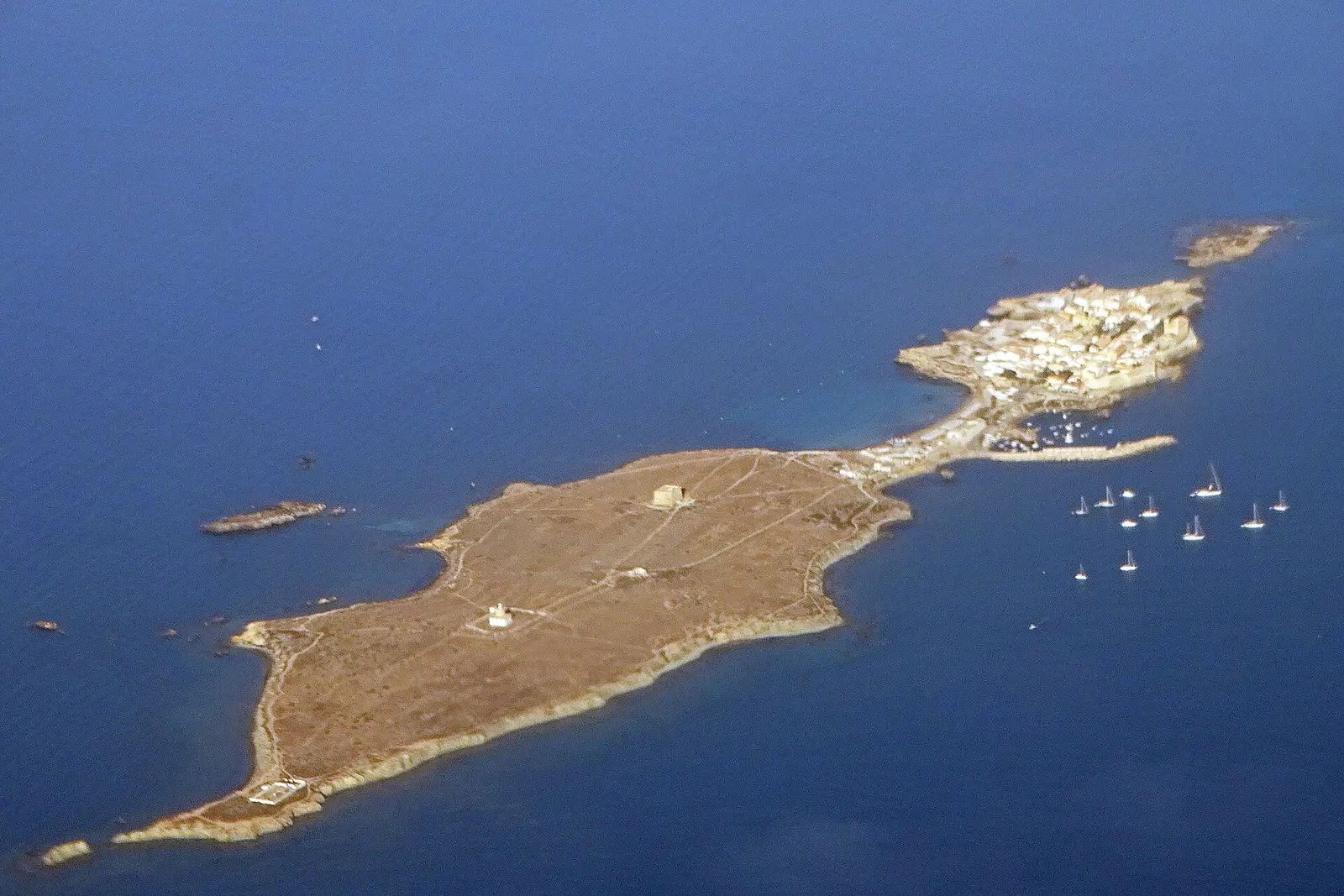
Almost every recent report lands the same way: this is the easy, reliable day out from Alicante. A catamaran leaves the city marina, crosses the bay in about an hour and drops you on Spain’s smallest inhabited island, a walled 18th-century village wrapped in the country’s first marine reserve. Travelers praise the same three things: water clear enough to see fish at your feet, a car-free village you can cross in minutes, and the caldero fish stew that fills the harbor restaurants.
The negatives are just as consistent, and they are all about timing and supplies. In August the island takes up to 10,000 visitors a day, ferries run full and the main beach fills by midday. There is almost no shade, no ATM, no supermarket, no doctor in peak months, and even a bottle of water costs more than on the mainland. Reports from spring and autumn read like a different island: same water, same lunch, empty coves.
So the answer is yes, with planning rather than regret. Go on a morning boat, outside the August peak if you can, carry water and snorkel gear, and book or pack lunch. If you are already staying near Santa Pola, the 15 to 25 minute boats from there are cheaper and quicker than the Alicante crossing.
Timing and tickets
The Kontiki catamaran runs from Alicante port year-round at 24 euros round trip for adults, free for children under 4, with an open return you can use on any boat that day or a later one. In season, departures cluster in the morning and returns around 16:00 to 18:15; off-season service can drop to one boat a day. Book online in July and August, when reports say boats fill.
A four-hour speedboat tour from the same port costs 55 euros and folds in snorkel gear, a snack and a drink, running May through September. From Santa Pola, boats take 15 to 25 minutes and published returns start around 15 euros, with online fares lower. Whatever the season, confirm the last return time when you land.
Book or check times
Check ferry times and faresBook the four-hour boat tour directCity tourism page for the island
We earn a commission if you book through our links. It never changes a verdict. How this works
Compare ferry departurespartner siteSee the sailing cruisepartner site
Questions
How do you get to Tabarca from Alicante?
The Kontiki catamaran leaves from the marina in Alicante port, a short walk from the Explanada. The crossing takes about an hour and the round trip costs 24 euros for adults, with children under 4 free.
Is there a faster or cheaper way to reach the island?
Yes. Santa Pola is the closest port: boats take 15 to 25 minutes and published return fares start around 15 euros, with online deals lower. The C-3 bus from Alicante station reaches Santa Pola in about half an hour.
Is Tabarca worth visiting?
Reports say yes. It is Spain's smallest inhabited island, ringed by the country's first marine reserve since 1986, and travelers consistently praise the clear snorkeling water, the walled village and the caldero fish stew.
When is the best time to go?
Spring and autumn get the best marks: warm water, thin crowds and easier lunch tables. August is the peak crush, with up to 10,000 visitors a day and packed ferries, beaches and restaurants.
Can you stay overnight on Tabarca?
Yes. The Alicante ferry ticket is an open return, so you can come back a later day. A handful of small hotels and guesthouses operate on the island, including one in the old governor's house.
What should you bring?
Water, sun cover, water shoes for the rocky coves and snorkel gear. Reports warn there is little shade, no ATM and no supermarket, and even water costs more than on the mainland.
Pack for it
Gear verdicts from our sister site, Real Buyer Experiences: